Best Time to Visit Melbourne: Seasons, Weather & Travel Tips
Melbourne is a city where timing matters, but not in the “avoid half the year” sense. The city is enjoyable year-round; the best month depends on whether you want warm beach days, major sporting events, food festivals, spring gardens, lower prices, or a quieter cultural escape. If you’re asking when is the best time to visit Melbourne for the most balanced mix of pleasant weather, manageable crowds, and things to do, the sweet spots are usually March to May and September to November.
These shoulder seasons give you milder temperatures, walkable days, and strong event calendars without the full intensity of summer holiday crowds. Melbourne’s official tourism information describes the seasons as summer from December to February, autumn from March to May, winter from June to August, and spring from September to November; it also notes that January and February are usually the hottest months, June and July the coldest, and October the wettest.
The Ultimate Melbourne Climate Guide
Before booking your flights, it is crucial to understand the local climate. As a helpful Melbourne climate guide for international tourists, it is important to note that Melbourne has a temperate oceanic climate. This means it experiences warm to hot summers, mild and temperate springs and autumns, and cool, crisp winters.
Many visitors look for a Melbourne vs Sydney travel weather comparison. While Sydney tends to have higher humidity and heavier, subtropical summer downpours, Melbourne is generally drier but cooler overall. Sydney’s weather is more consistent, whereas Melbourne is famous for experiencing "four seasons in one day"—where a sunny morning can quickly turn into a chilly, rainy afternoon.
Melbourne Monthly Temperature and Rainfall Averages
To help you plan, here is a quick overview of the Melbourne monthly temperature and rainfall averages:
- Summer (December–February): Average temperatures range from 14°C to 26°C (57°F–79°F). Rainfall is around 45-50mm per month. Occasional heatwaves can push temperatures above 40°C (104°F).
- Autumn (March–May): Temperatures range from 11°C to 20°C (52°F–68°F). Rainfall is steady at about 50mm per month.
- Winter (June–August): Temperatures drop to an average of 6°C to 14°C (43°F–57°F). Rainfall averages 50-60mm per month, often falling as light, persistent drizzle.
- Spring (September–November): Temperatures recover to 10°C to 20°C (50°F–68°F). Spring is often the wettest season, averaging 60-70mm per month.
Melbourne Monthly Temperature and Rainfall Averages
To help you plan, here is a quick overview of the Melbourne monthly temperature and rainfall averages:
- Summer (December–February): Average temperatures range from 14°C to 26°C (57°F–79°F). Rainfall is around 45-50mm per month. Occasional heatwaves can push temperatures above 40°C (104°F).
- Autumn (March–May): Temperatures range from 11°C to 20°C (52°F–68°F). Rainfall is steady at about 50mm per month.
- Winter (June–August): Temperatures drop to an average of 6°C to 14°C (43°F–57°F). Rainfall averages 50-60mm per month, often falling as light, persistent drizzle.
- Spring (September–November): Temperatures recover to 10°C to 20°C (50°F–68°F). Spring is often the wettest season, averaging 60-70mm per month.
Understanding Melbourne’s seasons
Melbourne experiences four distinct seasons, each offering a different way to enjoy the city. Summers are generally warm and lively, autumn brings cooler temperatures and colorful parks, winter is crisp with fewer crowds, while spring brings milder weather and blooming gardens. Understanding Melbourne’s seasonal weather can help you choose the best time to visit based on the activities, events, and travel experience you prefer.
1. Summer in Melbourne (December to February)
Summer is the best time to visit Melbourne Australia if your ideal trip includes rooftop bars, beach afternoons, outdoor dining, cricket, tennis, and long daylight hours. This is when the city feels energetic and social, with locals gathering around the Yarra River, St Kilda, bayside suburbs, parks, open-air cinemas, and evening events.
Tourism Australia notes that Melbourne’s summer mean temperatures sit around 14°C to 25.3°C, with generally dry months and occasional hot spells that can last more than three days. Temperatures can also climb beyond 30°C, especially in January and February.
Key Summer Highlights
- Sports and Events: January is a massive month for the city. Attending Australian Open tennis in January is a bucket-list experience for sports fans globally. The city buzzes with energy, live music, and pop-up events surrounding the tournament.
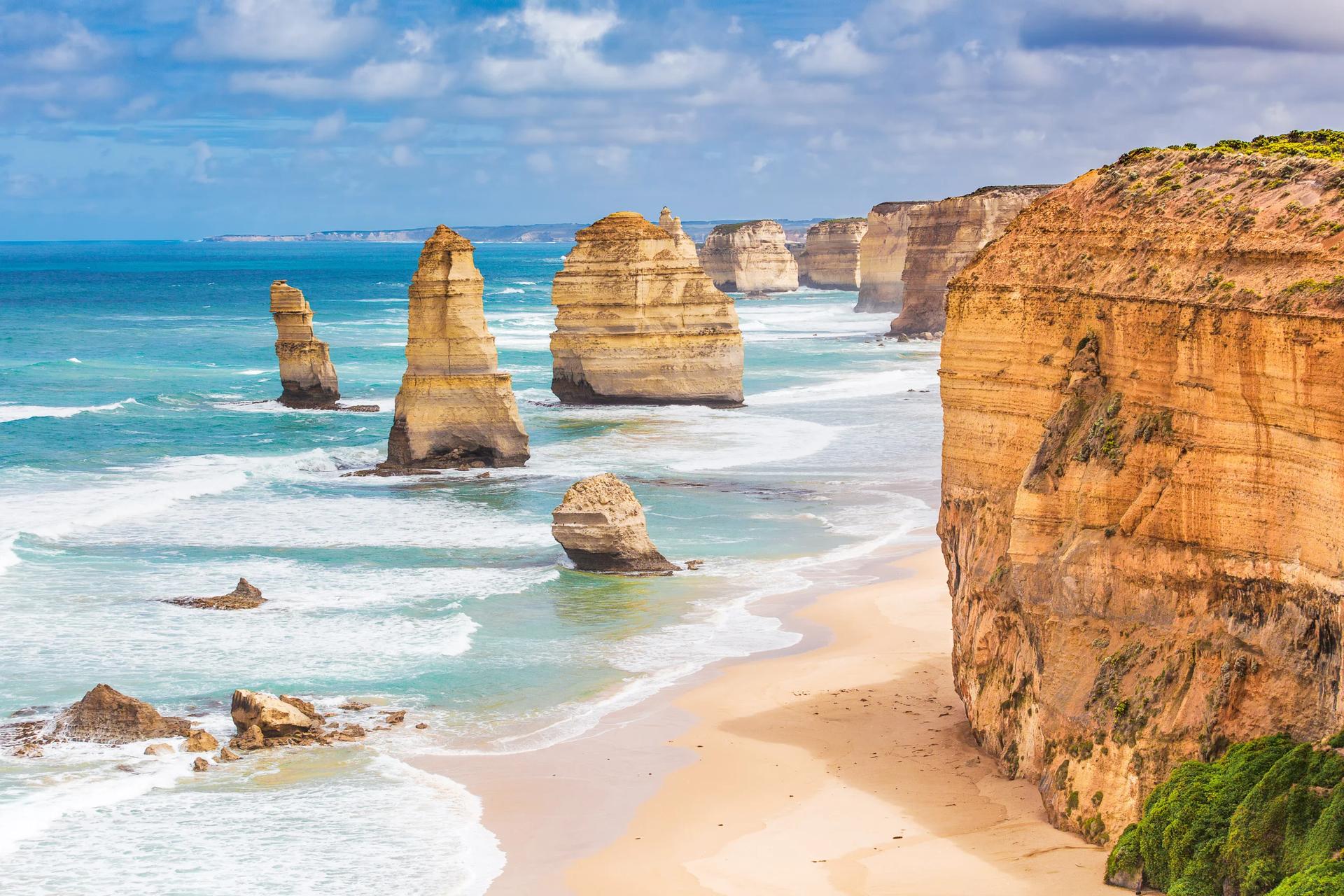
- Road Trips: Late summer is widely considered the best month for Great Ocean Road road trip adventures. By February, the weather is consistently warm, the ocean looks spectacularly blue, and the peak Christmas holiday traffic has slightly subsided, making your drive to the Twelve Apostles much more enjoyable.
- Beaches: Head down to St Kilda Beach or take a train to Brighton Beach to see the iconic, colorful bathing boxes under the bright summer sun.
The trade-off is that summer can be busy and more expensive, especially around Christmas, New Year, school holidays, and major events. The Australian Open takes place in January, and the Boxing Day Test is part of Melbourne’s summer sporting calendar. Visit Melbourne lists the Australian Open among January events and highlights the Boxing Day Test at the MCG in summer.
Pack breathable clothing, sunglasses, sunscreen, a hat, and comfortable walking shoes. Also bring a light layer for cooler evenings or sudden changes. If you plan beach days, follow local surf safety signs and swim between the red and yellow flags.
2. Autumn in Melbourne (March to May)
Autumn is arguably the best all-round season for Melbourne. The weather cools gradually, parks and gardens take on autumn color, and the city’s food, comedy, fashion, sport, and arts scenes are in full swing. For many travelers, this is the most reliable answer to when is the best time to visit Melbourne.
Tourism Australia describes autumn temperatures as averaging roughly 10.9°C to 20.3°C, with morning fog that often clears into fine, sunny days.
March is especially appealing, but it can also be busy. Visit Melbourne lists several major autumn events, including the Melbourne Food & Wine Festival in March, the Melbourne International Comedy Festival from late March to April, the Formula 1 Australian Grand Prix from late March to April, and the Melbourne International Flower and Garden Show.
Key Autumn Highlights
- Foliage and Nature: Finding the best Melbourne autumn foliage viewing spots is a favorite local pastime. The Royal Botanic Gardens, Fitzroy Gardens, and the nearby Dandenong Ranges offer spectacular, vibrant canopies that are perfect for photography.
- Festivals: If you love to laugh and are wondering when is the Melbourne International Comedy Festival, it traditionally kicks off in late March and runs through April. It is one of the largest comedy festivals in the world, taking over theaters and pubs across the city.
- Surfing: If you are a surfer, you’ll want to track the surfing conditions at Bells Beach by season. Autumn is the premier time for waves on the Surf Coast. In fact, the prestigious Rip Curl Pro takes place at Bells Beach every year during the Easter long weekend, taking advantage of the powerful autumn swells.
The only caution is accommodation demand during major event weeks. If your dates overlap with Formula 1, comedy festival weekends, or big sporting fixtures, book early and expect higher prices in central areas.
3. Winter in Melbourne (June to August)
Winter is Melbourne’s quiet-season secret. It is not the best time for beaches, but it can be excellent for museums, galleries, restaurants, theatre, live music, coffee culture, day spas, and atmospheric city walks. If your Melbourne wishlist is more “laneways and long lunches” than “sand and sunshine,” winter can be deeply rewarding.
Tourism Australia gives winter average temperatures of about 6.5°C to 14.2°C and notes that conditions are frequently cold and cloudy, while snow falls in Victoria’s north-east High Country rather than in central Melbourne.
Key Winter Highlights
- Budget Travel: If you are looking to save money, July and August are generally the cheapest month for Melbourne hotel rates. Flights also tend to be highly discounted during this period.
- Family Fun: There are plenty of winter activities in Melbourne for families. You can ice skate at outdoor pop-up rinks in Federation Square, explore the interactive exhibits at Scienceworks, or bundle up and enjoy the spectacular Winter Night Market at Queen Victoria Market, which features roaring fire pits and hot street food.
- AFL Season: Winter is the heart of the Australian Rules Football (AFL) season. Catching a game at the Melbourne Cricket Ground (MCG) alongside 90,000 screaming fans is an unforgettable cultural experience.
Visit Melbourne lists RISING in June among the city’s major events, and the Victorian Government highlights winter as a strong season for arts, culture, cafés, bars, restaurants, the Dandenong Ranges, Daylesford, and Victorian snowfields.
Pack a warm coat, layers, closed shoes, and a compact umbrella. Central Melbourne is very walkable, but winter winds can make open areas along the river and bay feel colder than the thermometer suggests.
4. Spring in Melbourne (September to November)
Spring is one of the most beautiful times to visit Melbourne. The city warms up, gardens bloom, outdoor dining returns, and the social calendar gathers pace. It’s also a great season for travelers who want mild weather without summer’s full heat.
Spring temperatures are generally comfortable, though conditions can be windy and changeable. Visit Melbourne’s monthly weather overview shows average daily maximums rising from around 17°C in September to 22°C in November, while October is listed as the wettest month.
Key Spring Highlights
- Floral Displays: Taking leisurely spring blossom walks in Royal Botanic Gardens is highly recommended. The gardens are lush, green, and filled with vibrant blooming flowers. You can also visit the Tesselaar Tulip Festival just outside the city.
- Wine Tasting: If you enjoy viticulture, a Yarra Valley wine tours seasonal guide will point you to spring as a fantastic time to visit. The vines undergo "bud burst," turning the rolling hills a brilliant green. The cooler spring days are perfectly paired with a glass of local Pinot Noir.
- Spring Racing Carnival: November brings the famous Melbourne Cup, a public holiday in Victoria characterized by high fashion, horse racing, and city-wide celebrations.
Melbourne’s spring calendar is especially lively. The Victorian Government notes that Australian Rules Football’s Grand Final is held annually at the MCG, while the Spring Racing Carnival gets underway and Melbourne Cup Day attracts visitors from around the world. Visit Melbourne also lists the Melbourne Cup Carnival from late October to November.
Because spring weather can swing quickly, pack layers, a light rain jacket, and shoes that can handle both sunshine and showers.
1. Summer in Melbourne (December to February)
Summer is the best time to visit Melbourne Australia if your ideal trip includes rooftop bars, beach afternoons, outdoor dining, cricket, tennis, and long daylight hours. This is when the city feels energetic and social, with locals gathering around the Yarra River, St Kilda, bayside suburbs, parks, open-air cinemas, and evening events.
Tourism Australia notes that Melbourne’s summer mean temperatures sit around 14°C to 25.3°C, with generally dry months and occasional hot spells that can last more than three days. Temperatures can also climb beyond 30°C, especially in January and February.
Key Summer Highlights
- Sports and Events: January is a massive month for the city. Attending Australian Open tennis in January is a bucket-list experience for sports fans globally. The city buzzes with energy, live music, and pop-up events surrounding the tournament.
- Road Trips: Late summer is widely considered the best month for Great Ocean Road road trip adventures. By February, the weather is consistently warm, the ocean looks spectacularly blue, and the peak Christmas holiday traffic has slightly subsided, making your drive to the Twelve Apostles much more enjoyable.
- Beaches: Head down to St Kilda Beach or take a train to Brighton Beach to see the iconic, colorful bathing boxes under the bright summer sun.
The trade-off is that summer can be busy and more expensive, especially around Christmas, New Year, school holidays, and major events. The Australian Open takes place in January, and the Boxing Day Test is part of Melbourne’s summer sporting calendar. Visit Melbourne lists the Australian Open among January events and highlights the Boxing Day Test at the MCG in summer.
Pack breathable clothing, sunglasses, sunscreen, a hat, and comfortable walking shoes. Also bring a light layer for cooler evenings or sudden changes. If you plan beach days, follow local surf safety signs and swim between the red and yellow flags.
2. Autumn in Melbourne (March to May)
Autumn is arguably the best all-round season for Melbourne. The weather cools gradually, parks and gardens take on autumn color, and the city’s food, comedy, fashion, sport, and arts scenes are in full swing. For many travelers, this is the most reliable answer to when is the best time to visit Melbourne.
Tourism Australia describes autumn temperatures as averaging roughly 10.9°C to 20.3°C, with morning fog that often clears into fine, sunny days.
March is especially appealing, but it can also be busy. Visit Melbourne lists several major autumn events, including the Melbourne Food & Wine Festival in March, the Melbourne International Comedy Festival from late March to April, the Formula 1 Australian Grand Prix from late March to April, and the Melbourne International Flower and Garden Show.
Key Autumn Highlights
- Foliage and Nature: Finding the best Melbourne autumn foliage viewing spots is a favorite local pastime. The Royal Botanic Gardens, Fitzroy Gardens, and the nearby Dandenong Ranges offer spectacular, vibrant canopies that are perfect for photography.
- Festivals: If you love to laugh and are wondering when is the Melbourne International Comedy Festival, it traditionally kicks off in late March and runs through April. It is one of the largest comedy festivals in the world, taking over theaters and pubs across the city.
- Surfing: If you are a surfer, you’ll want to track the surfing conditions at Bells Beach by season. Autumn is the premier time for waves on the Surf Coast. In fact, the prestigious Rip Curl Pro takes place at Bells Beach every year during the Easter long weekend, taking advantage of the powerful autumn swells.
The only caution is accommodation demand during major event weeks. If your dates overlap with Formula 1, comedy festival weekends, or big sporting fixtures, book early and expect higher prices in central areas.
3. Winter in Melbourne (June to August)
Winter is Melbourne’s quiet-season secret. It is not the best time for beaches, but it can be excellent for museums, galleries, restaurants, theatre, live music, coffee culture, day spas, and atmospheric city walks. If your Melbourne wishlist is more “laneways and long lunches” than “sand and sunshine,” winter can be deeply rewarding.
Tourism Australia gives winter average temperatures of about 6.5°C to 14.2°C and notes that conditions are frequently cold and cloudy, while snow falls in Victoria’s north-east High Country rather than in central Melbourne.
Key Winter Highlights
- Budget Travel: If you are looking to save money, July and August are generally the cheapest month for Melbourne hotel rates. Flights also tend to be highly discounted during this period.
- Family Fun: There are plenty of winter activities in Melbourne for families. You can ice skate at outdoor pop-up rinks in Federation Square, explore the interactive exhibits at Scienceworks, or bundle up and enjoy the spectacular Winter Night Market at Queen Victoria Market, which features roaring fire pits and hot street food.
- AFL Season: Winter is the heart of the Australian Rules Football (AFL) season. Catching a game at the Melbourne Cricket Ground (MCG) alongside 90,000 screaming fans is an unforgettable cultural experience.
Visit Melbourne lists RISING in June among the city’s major events, and the Victorian Government highlights winter as a strong season for arts, culture, cafés, bars, restaurants, the Dandenong Ranges, Daylesford, and Victorian snowfields.
Pack a warm coat, layers, closed shoes, and a compact umbrella. Central Melbourne is very walkable, but winter winds can make open areas along the river and bay feel colder than the thermometer suggests.
4. Spring in Melbourne (September to November)
Spring is one of the most beautiful times to visit Melbourne. The city warms up, gardens bloom, outdoor dining returns, and the social calendar gathers pace. It’s also a great season for travelers who want mild weather without summer’s full heat.
Spring temperatures are generally comfortable, though conditions can be windy and changeable. Visit Melbourne’s monthly weather overview shows average daily maximums rising from around 17°C in September to 22°C in November, while October is listed as the wettest month.
Key Spring Highlights
- Floral Displays: Taking leisurely spring blossom walks in Royal Botanic Gardens is highly recommended. The gardens are lush, green, and filled with vibrant blooming flowers. You can also visit the Tesselaar Tulip Festival just outside the city.
- Wine Tasting: If you enjoy viticulture, a Yarra Valley wine tours seasonal guide will point you to spring as a fantastic time to visit. The vines undergo "bud burst," turning the rolling hills a brilliant green. The cooler spring days are perfectly paired with a glass of local Pinot Noir.
- Spring Racing Carnival: November brings the famous Melbourne Cup, a public holiday in Victoria characterized by high fashion, horse racing, and city-wide celebrations.
Melbourne’s spring calendar is especially lively. The Victorian Government notes that Australian Rules Football’s Grand Final is held annually at the MCG, while the Spring Racing Carnival gets underway and Melbourne Cup Day attracts visitors from around the world. Visit Melbourne also lists the Melbourne Cup Carnival from late October to November.
Because spring weather can swing quickly, pack layers, a light rain jacket, and shoes that can handle both sunshine and showers.
Best time by travel style
The best time to visit Melbourne depends on what you want to experience rather than simply chasing the warmest weather. Summer is ideal for outdoor activities, beaches, and festivals, while autumn suits travelers who enjoy cooler temperatures, food, and scenic walks. Winter is a good choice for museums, cafés, shopping, and fewer crowds, while spring brings pleasant weather, gardens, and seasonal events. Choosing your travel style first can make it easier to decide which season works best for your Melbourne trip
- For first-time visitors: Choose March, April, October, or November. These months usually make it easier to enjoy the city on foot while still having plenty of events, restaurants, day trips, and seasonal atmosphere.
- For budget-conscious travelers: Look at winter, particularly June to August outside major event weekends. You may find a calmer city and better availability, though you’ll need to pack for cool weather.
- For food and wine lovers: Autumn is hard to beat. March and April offer comfortable temperatures and a strong culinary calendar, including the Melbourne Food & Wine Festival in March. (visitmelbourne.com)
- For sports fans: January, March, September, October, and November are standout periods. Depending on the year, you can build a trip around tennis, cricket, Formula 1, AFL, or racing. Always confirm event dates before booking, because major event timing can shift year to year.
- For beach and coastal day trips: December to February is best, with February often a good balance of warm weather and slightly less holiday intensity than early January.
- For arts, museums, and nightlife: Winter is underrated. Cooler days make indoor attractions more appealing, and Melbourne’s restaurants, bars, live music venues, theatres, and galleries are a major part of the city’s identity year-round.
- For first-time visitors: Choose March, April, October, or November. These months usually make it easier to enjoy the city on foot while still having plenty of events, restaurants, day trips, and seasonal atmosphere.
- For budget-conscious travelers: Look at winter, particularly June to August outside major event weekends. You may find a calmer city and better availability, though you’ll need to pack for cool weather.
- For food and wine lovers: Autumn is hard to beat. March and April offer comfortable temperatures and a strong culinary calendar, including the Melbourne Food & Wine Festival in March. (visitmelbourne.com)
- For sports fans: January, March, September, October, and November are standout periods. Depending on the year, you can build a trip around tennis, cricket, Formula 1, AFL, or racing. Always confirm event dates before booking, because major event timing can shift year to year.
- For beach and coastal day trips: December to February is best, with February often a good balance of warm weather and slightly less holiday intensity than early January.
- For arts, museums, and nightlife: Winter is underrated. Cooler days make indoor attractions more appealing, and Melbourne’s restaurants, bars, live music venues, theatres, and galleries are a major part of the city’s identity year-round.
What to pack for Melbourne weather
No matter when you visit, pack for variety. Melbourne rewards travelers who dress in flexible layers rather than relying on a single seasonal outfit.
- A light, waterproof jacket: Umbrellas are great until the wind picks up. A stylish trench coat or a packable windbreaker is essential.
- Breathable base layers: Think cotton t-shirts or light merino wool long-sleeves that look great on their own if the sun comes out.
- A warm mid-layer: A cozy sweater, cardigan, or light fleece that can easily be tied around your waist or thrown into a daypack.
- Comfortable walking shoes: Melbourne is a highly walkable city. Bring comfortable, closed-toe sneakers or ankle boots. Leave the flimsy flip-flops (thongs) at home unless you are heading directly to the beach.
- Sunglasses and a beanie: It is entirely possible to need both on the exact same afternoon.
Travel Tips: Avoiding Crowds and Maximizing Your Budget
Now that you know the best time to visit Melbourne, it’s time to turn your plans into a real trip. Whether you prefer the warm energy of summer, the colorful charm of autumn, the crisp atmosphere of winter, or the fresh blooms of spring, Melbourne has something to offer in every season.
Start planning your Melbourne getaway by booking your flight and hotel, or make things simpler with a flight + hotel combo with AirAsia MOVE. Choose your preferred travel dates, find accommodation that suits your style, and get ready to explore Melbourne at its best.
Travel Tips: Avoiding Crowds and Maximizing Your Budget
Timing your trip isn't just about the weather; it is also about crowd management. If you are focused on avoiding peak holiday season crowds in Victoria, you need to navigate around local school holidays and major public events.
- Avoid Late December to Late January: This is the peak Australian summer school holiday period. Coastal towns, the Great Ocean Road, and city attractions will be packed, and accommodation prices soar.
- Watch out for Major Event Weekends: Melbourne is the events capital of Australia. While events are fun, they drive up hotel prices. Check dates for the Formula 1 Grand Prix (usually March), the AFL Grand Final (late September), and the Melbourne Cup (early November).
- The "Shoulder Season" Sweet Spots: Late February to early March, and late October to early November, offer an incredible balance of pleasant weather, manageable crowds, and reasonable accommodation rates.
FAQ: Best Time to Visit Melbourne

Indira L
10 August 2026