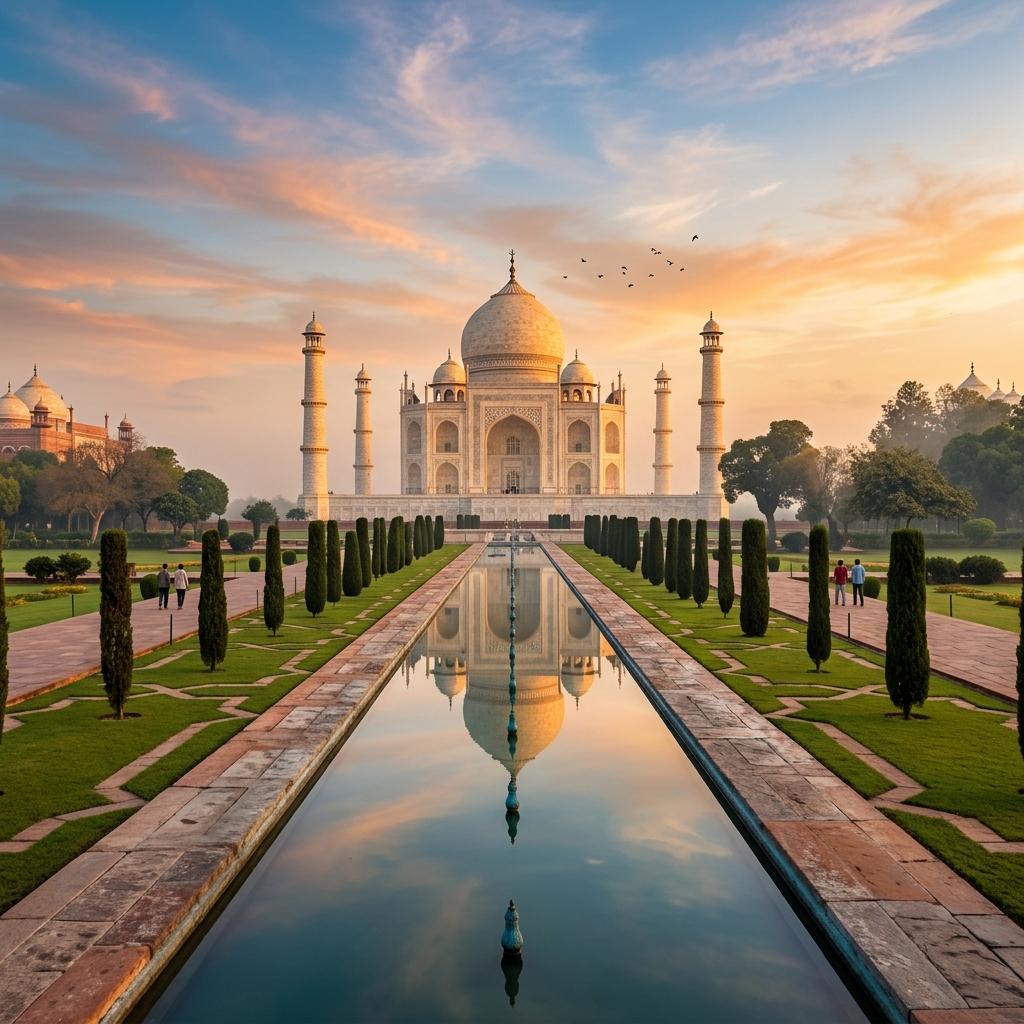
India

India

A vibrant journey through India’s colors, flavors, and timeless traditions awaits.

Introduction to India: A Destination Overview

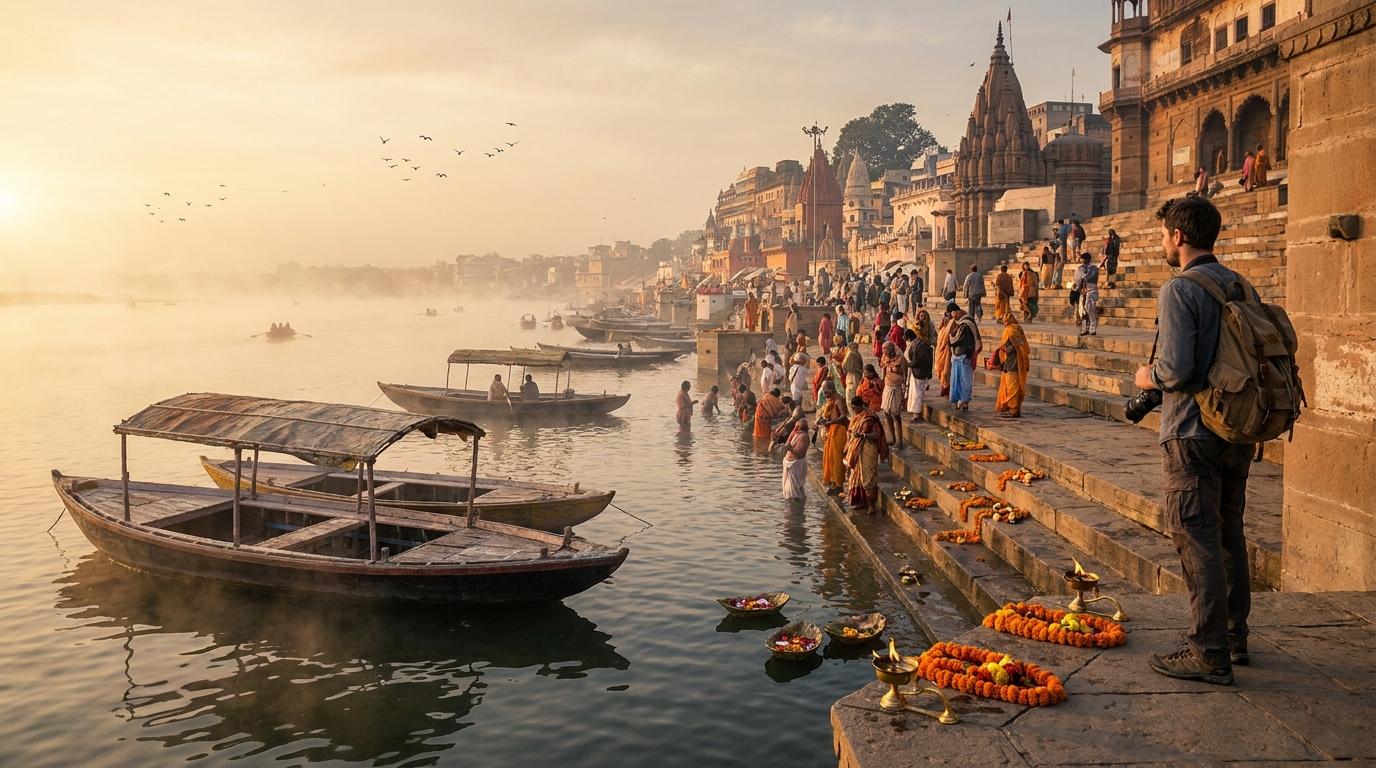
India is a destination that truly dazzles the senses, blending centuries-old traditions with lively modern energy. From the glimmer of saris in bustling markets to the serene prayers by the Ganges, the country offers a tapestry of experiences unlike anywhere else. Each region invites exploration: the majestic palaces of Rajasthan, Kerala’s tranquil backwaters, the Himalayan peaks, and the endless stretches of golden beaches in Goa. Every journey here is framed by vivid festivals, mouthwatering street food, and the resonant sounds of daily life.

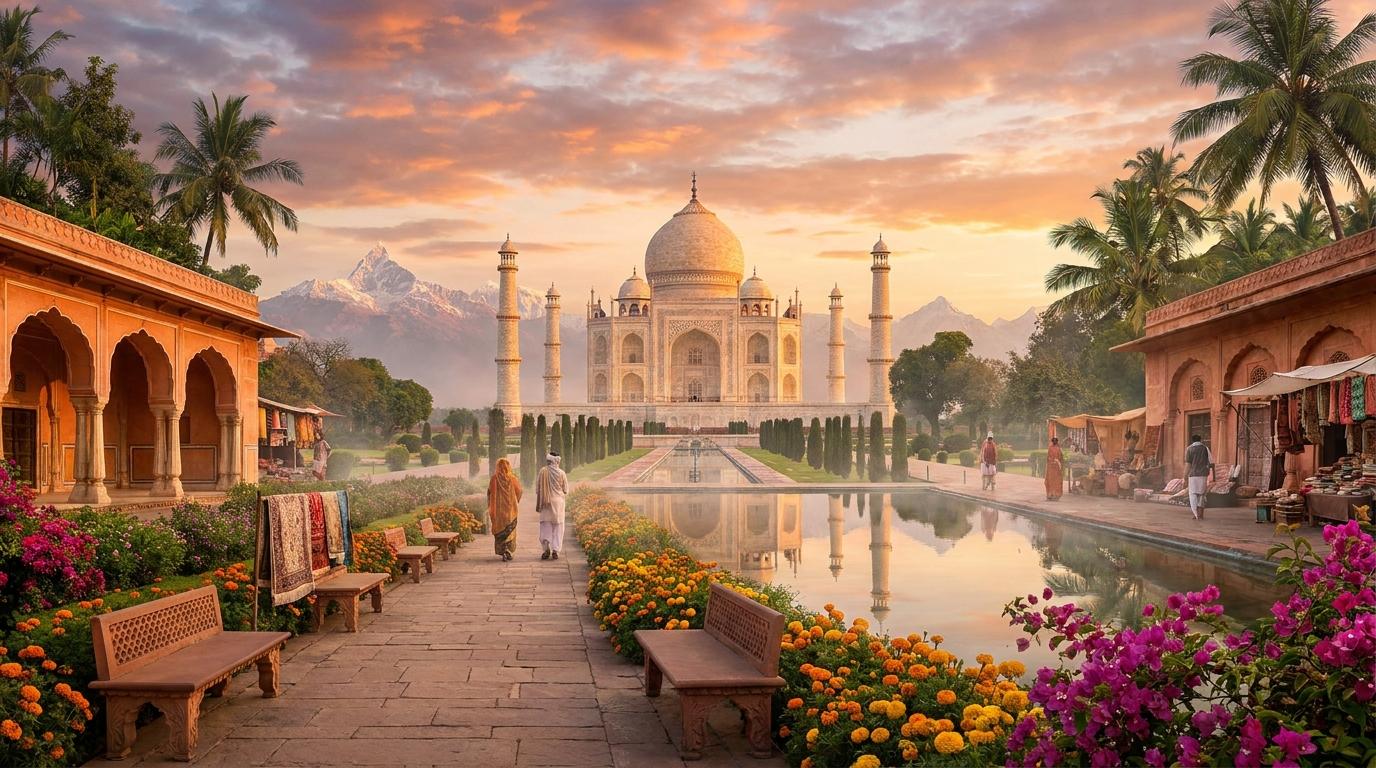
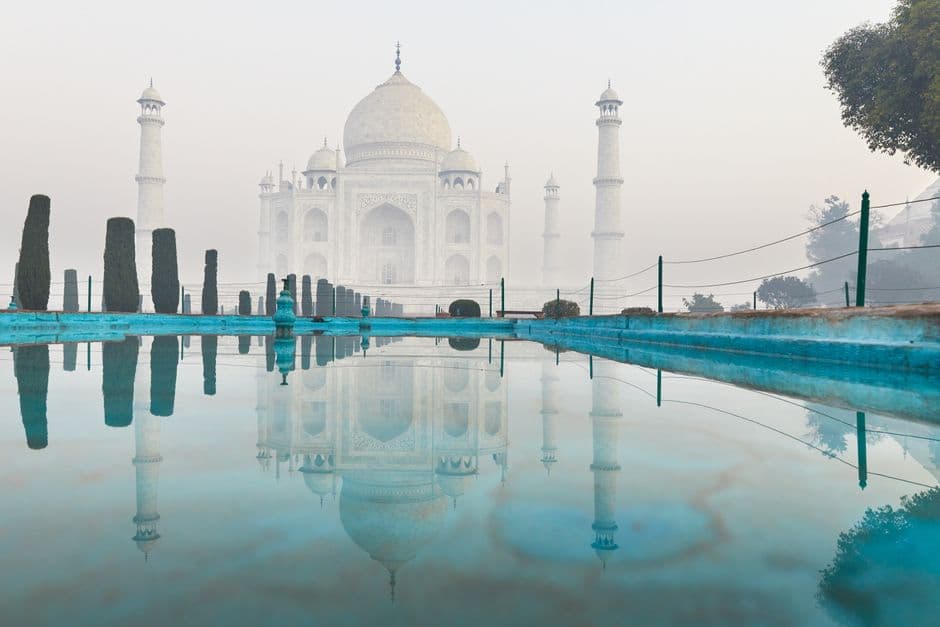
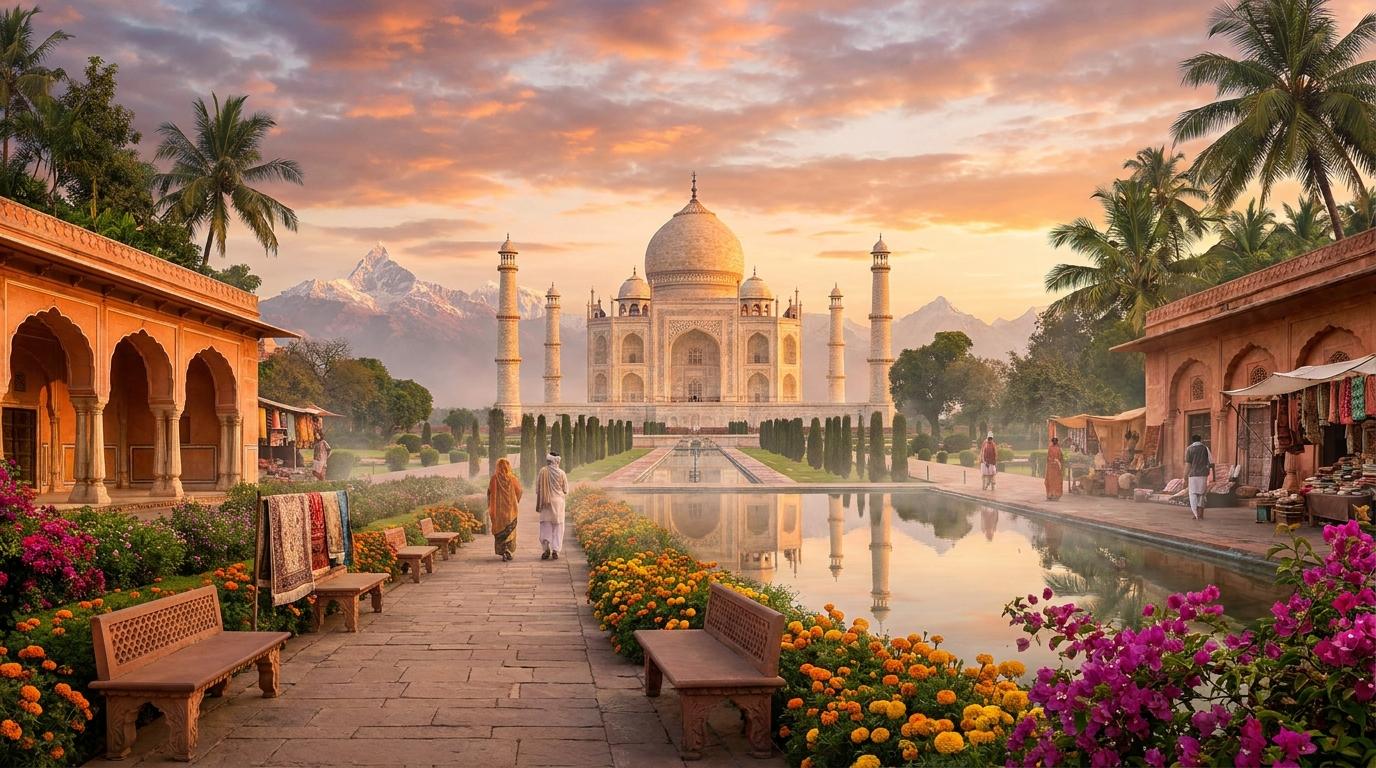
Travelers are drawn to India not just for its famous monuments and natural wonders, but for the culture and warmth found in everyday encounters. Whether sipping chai with locals, wandering age-old bazaars, or marveling at architectural marvels like the Taj Mahal, you’ll discover a place that is deeply spiritual yet delightfully unpredictable. India’s rich diversity—of languages, landscapes, beliefs, and flavors—means every trip is a chance to see the world from a new perspective and collect stories you’ll never forget.

Fun Fact

Languages spoken:

Hindi and English are the most widely used languages; many regional languages are also spoken across the country.

Currency:

Indian Rupee (INR)

Best time to visit:

October to March, when most of India has cooler, drier weather and easier sightseeing.

Visa info:

Most foreign travelers need an Indian visa before arrival, though many nationalities can apply for an e-Visa for tourism, business, or medical travel. Nepalese and Bhutanese citizens generally do not need a visa, and Indian citizens of certain neighboring territories have special entry arrangements.

Getting there:

Search for flights to India ()
Discover More Cities You'll Enjoy

Frequently Asked Questions (FAQ)

The best time to visit India for most travelers is during the cooler, drier months from October to March, with November to February often offering the most comfortable weather in many parts. However, climate varies greatly by region—while this is ideal for most cities and tourist sites, high-altitude areas like the Himalayas may have different peak periods. Always check the seasonal norms for your chosen destinations.
Getting around India usually involves a mix of trains, domestic flights, and road transport. Trains and flights are the best way to cover long distances between cities or regions efficiently. For local travel and sightseeing, taxis, auto-rickshaws, and hired cars are common and widely available. Choose your mode of transport based on distance and your schedule, as infrastructure and travel times vary.
India is vast, so how long you should spend depends on your interests and itinerary. A few days can cover highlights in one region or city, but multi-region trips need much more time to account for travel. If you wish to see several distinct locations, plan extra days for transit and to avoid a rushed experience.
Budget needs in India range widely. As a planning guide, budget travelers might spend ₹1,200–3,500 per day, mid-range travelers ₹3,000–5,000, and luxury travelers ₹6,000–13,500+ daily. Costs are higher in major cities and tourist centers like Mumbai. Use these figures for rough planning, but actual spend will depend on your style and region.
India can be quite affordable, especially for budget-conscious travelers, with daily costs much lower than many international destinations. That said, expenses rise quickly in big cities, popular tourist areas, or with luxury accommodations and travel. How expensive your trip feels depends on your choices of location, season, and comfort level.