Top 10 Things to Do in Bali in 2026 | Best Attractions & Tips
Bali, often called the Island of the Gods, is one of the world’s most popular travel destinations. Famous for stunning beaches, lush rice terraces, sacred temples, and vibrant culture, Bali offers a unique mix of natural beauty and spiritual charm. The island has endless activities and attractions to explore and captivates travellers from around the globe.
From wandering through iconic temples like Uluwatu Temple and Tanah Lot, hiking up Mount Batur for an unforgettable sunrise, or relaxing on the white-sand beaches of Nusa Dua, there is something in Bali for every kind of traveller.
Culture seekers will love Ubud, the island’s artistic and wellness hub, where yoga retreats, art markets, and traditional performances offer a glimpse into Bali’s soul.
Adventure lovers will also find plenty to do. Surf world-class waves in Canggu or Uluwatu, dive into colourful coral reefs and swim with manta rays around Nusa Penida, or explore hidden waterfalls and lush jungle treks.
On the other hand, those seeking peace can unwind in luxury resorts, beachfront villas, and traditional Balinese spas.
Whether you’re here for adventure, culture, or pure relaxation, this guide will help you discover the best things to do in Bali. From must-visit landmarks to hidden gems, you’ll find everything you need to plan your journey to the Island of the Gods.
1. Explore Stunning Green Landscapes and Iconic Tegalang Rice Fields
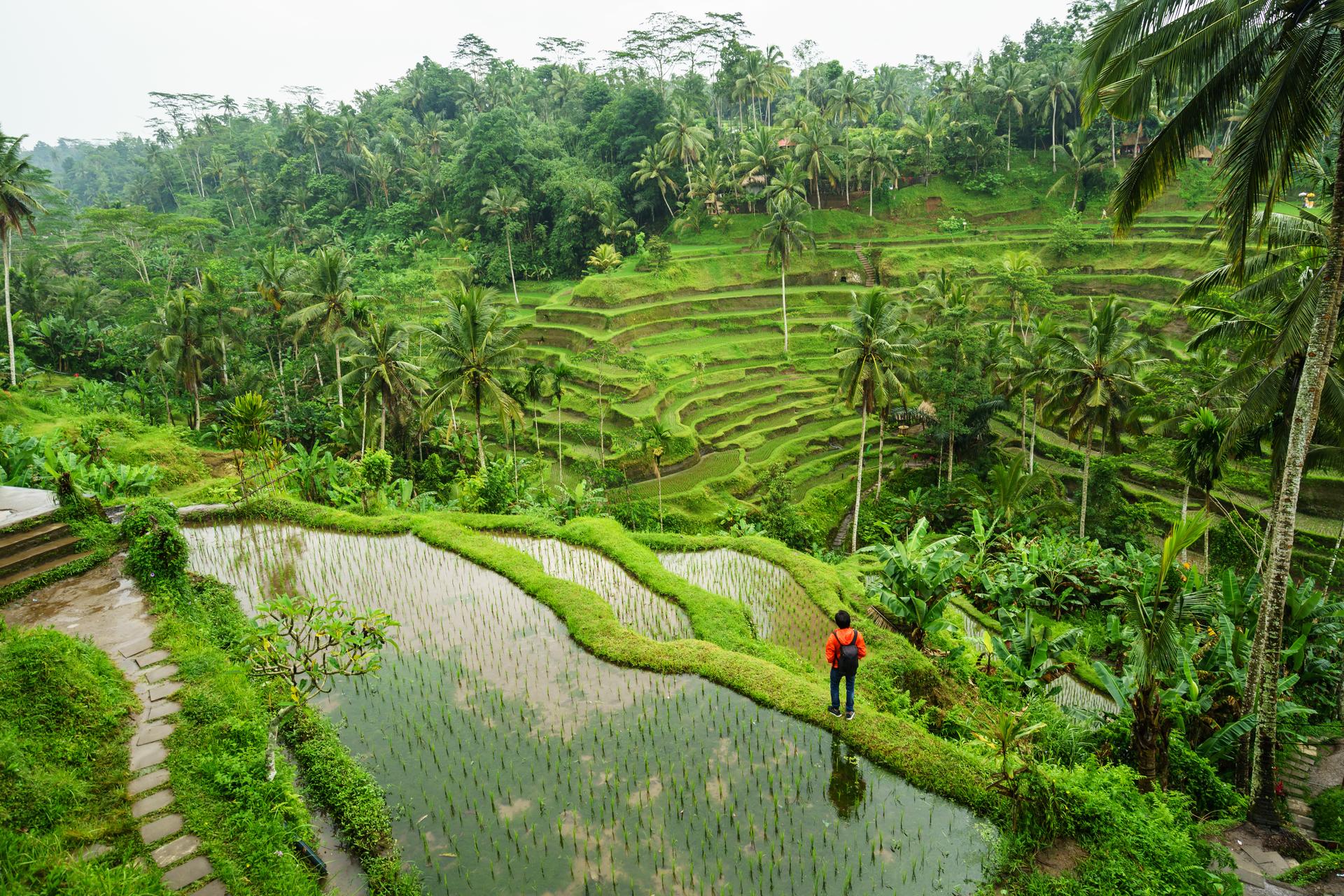
The Tegalalang Rice Terraces are more than just a scenic backdrop. They represent Bali’s agricultural traditions, natural beauty, and cultural heritage, making them a destination not to be missed. Famous for its lush green rice paddies, Tegalalang Rice Terraces offer one of Bali’s most iconic views. Best visited in the morning, this UNESCO-style landscape is perfect for photos and cultural walks.
The Tegalalang Rice Terraces are one of Bali’s most photographed landscapes and a must-visit for nature lovers. With sweeping views of lush green rice paddies, the terraces showcase Bali’s traditional subak irrigation system. It is a centuries-old method that reflects the island’s harmonious relationship with nature and community.
Walking through the terraces is like stepping into a living postcard. The vibrant shades of green change with the seasons, making every visit a new experience. You can explore the pathways through the fields, stop at scenic viewpoints, or enjoy a fresh coconut overlooking the landscape.
For those looking for adventure, you can try the famous Bali swing or zipline experiences nearby. It offers thrilling views of the terraces and jungle valleys below. The area also has small shops and art stalls where locals sell handmade crafts and souvenirs.
Visitor Info:
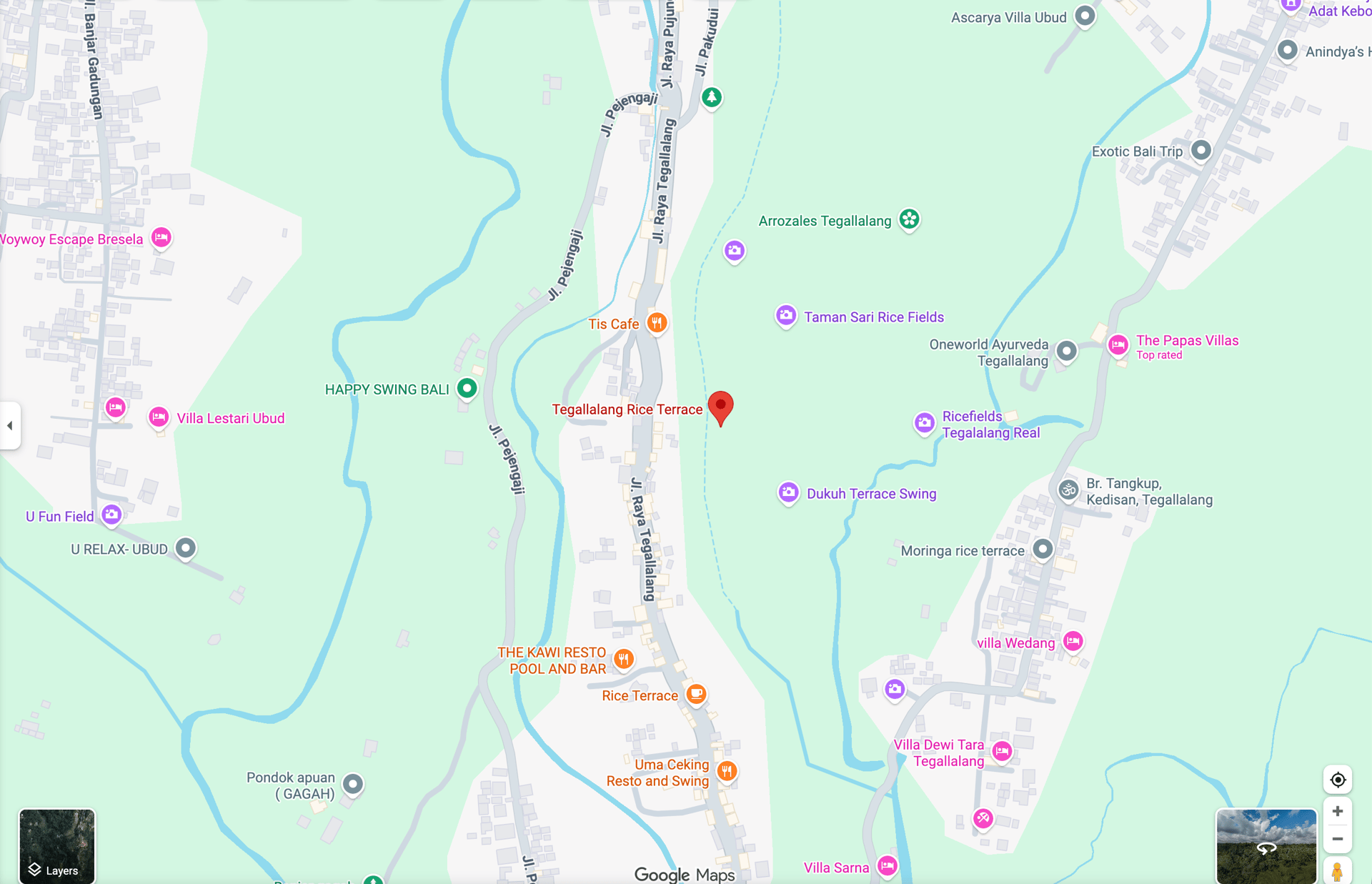
- Address: Jl. Raya Tegallalang, Tegallalang, Kec. Tegallalang, Kabupaten Gianyar, Bali 80561, Indonesia
- Opening Hours: 7:00 AM – 6:00 PM daily
- Entrance Fee: ~IDR 15,000 per person (and small fees for parking/photo spots)
- How to get there: About 20–30 minutes north of Ubud. You can rent a scooter, use a taxi, or hire a car with a driver. The roads are scenic but might be busy in the morning.
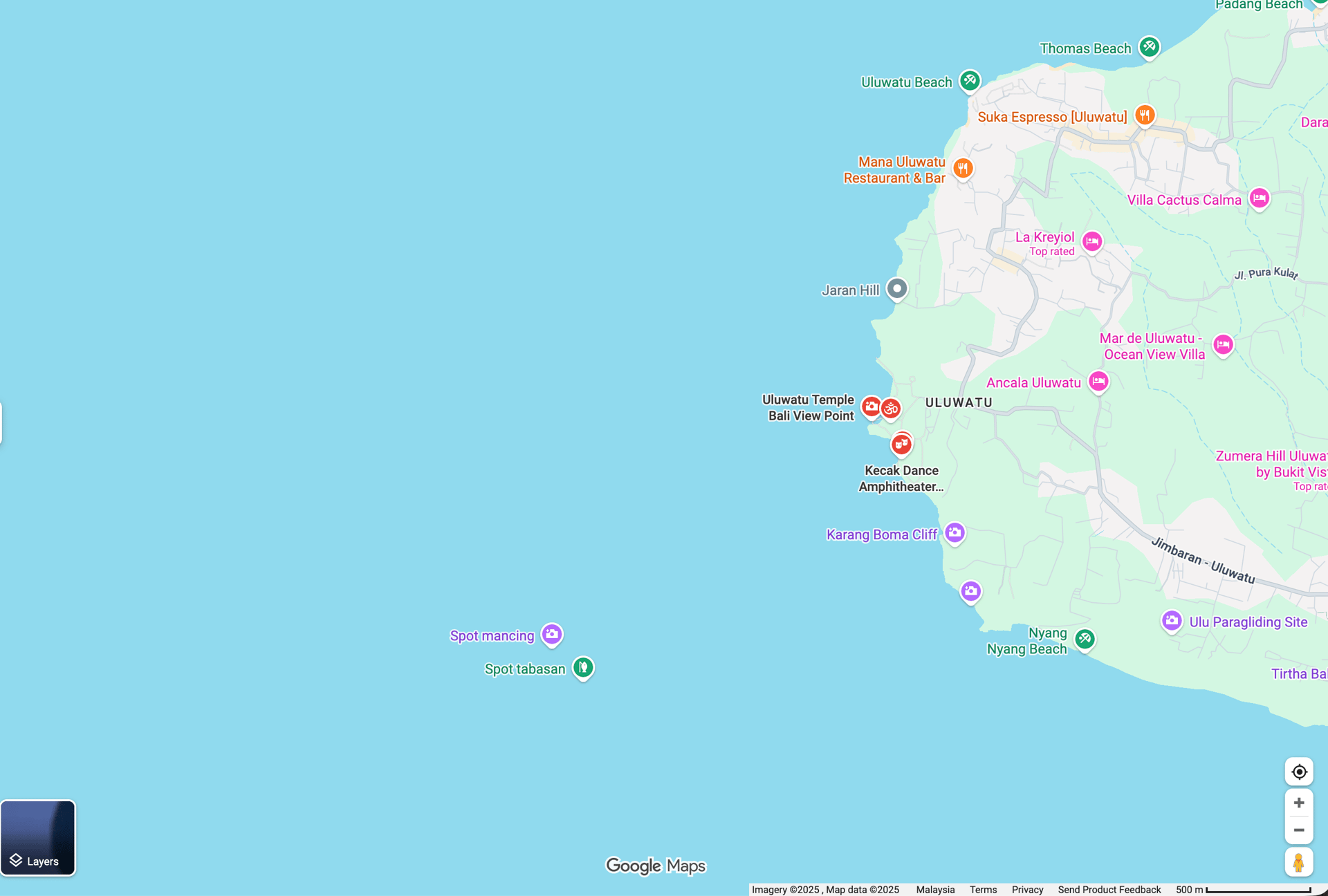
2. Witness Dramatic Ocean Cliffs and Mesmerizing Sunset Kecak Dance at Uluwatu Temple
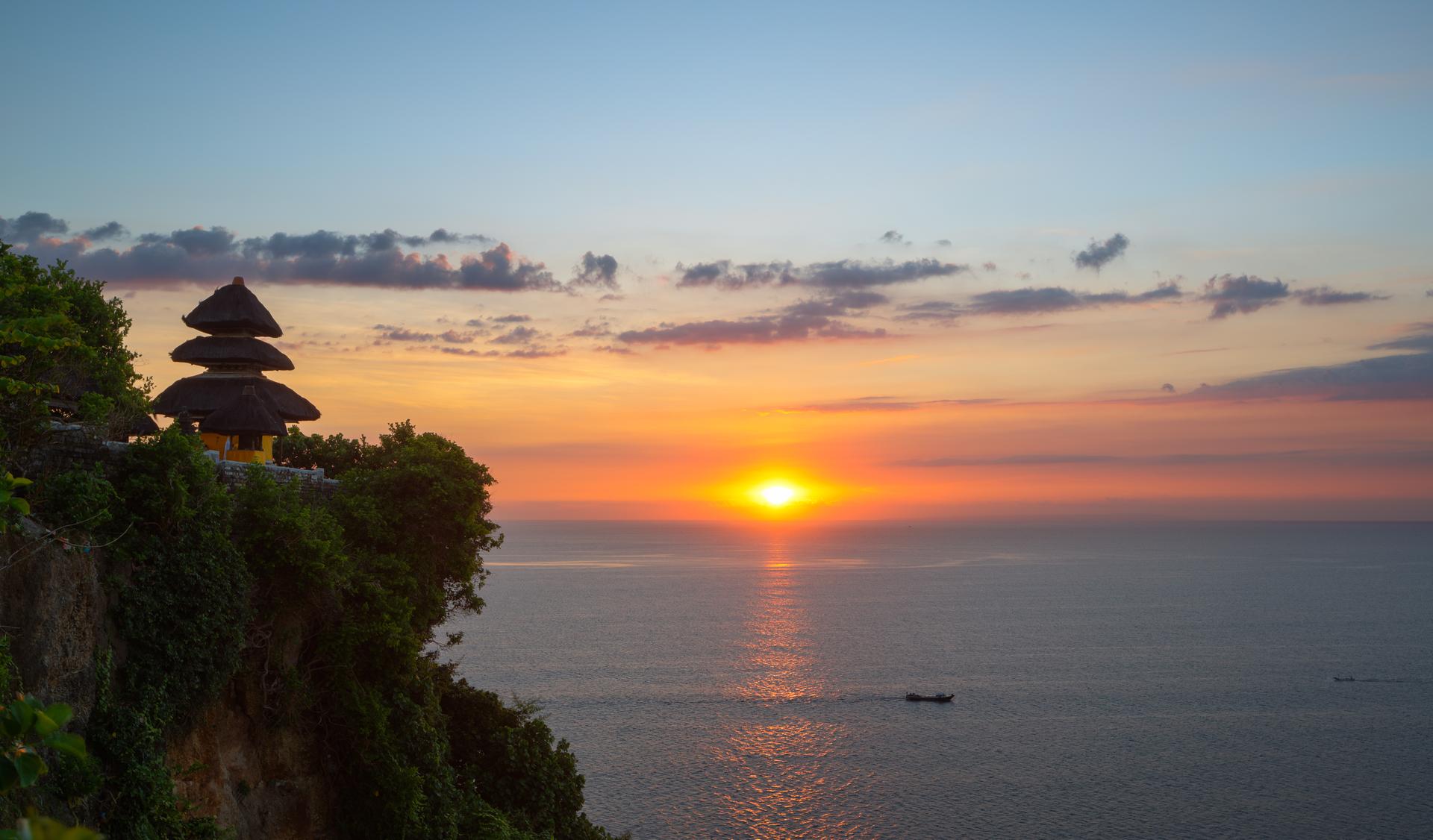
Perched on a 70-meter-high cliff overlooking the Indian Ocean, Uluwatu Temple combines ocean views with traditional Balinese culture. Stay for the sunset Kecak Dance performance for a once-in-a-lifetime Bali experience.
Uluwatu Temple (Pura Luhur Uluwatu) is one of Bali’s most iconic sea temples. Uluwatu is a must-visit destination for those seeking natural beauty and traditional heritage.
The temple itself is an important spiritual site, believed to protect Bali from evil sea spirits. Its clifftop location offers panoramic views of the ocean, making it one of the best spots on the island to watch the sunset.
You can also find the famous Kecak fire dance performance held at an open-air amphitheatre right next to the cliffs. The Kecak dance, performed by a large group of men chanting in unison, reenacts the Ramayana epic. Against the backdrop of the ocean and setting sun, this performance is one of Bali’s cultural highlights.
Visitor Info:
- Address: Pecatu, South Kuta, Badung Regency, Bali, Indonesia
- Visiting Hours: 9:00 AM – 7:00 PM daily for general entry *) Some sections open earlier or are maintained for worship beyond those hours.
- Entrance Fee: ~IDR 30,000 for international visitors; children's rate is lower. *) There’s an extra charge for the Kecak Dance performance in the evening
- How to get there: 45 minutes from Seminyak or Kuta, longer from Ubud, depending on traffic. Best reached by hiring a car with a driver or using ride-hailing services like Grab. Arrive in the late afternoon to see the sunset and the dance performance.
3. Sacred Journey to Bali’s Majestic Besakih Temple
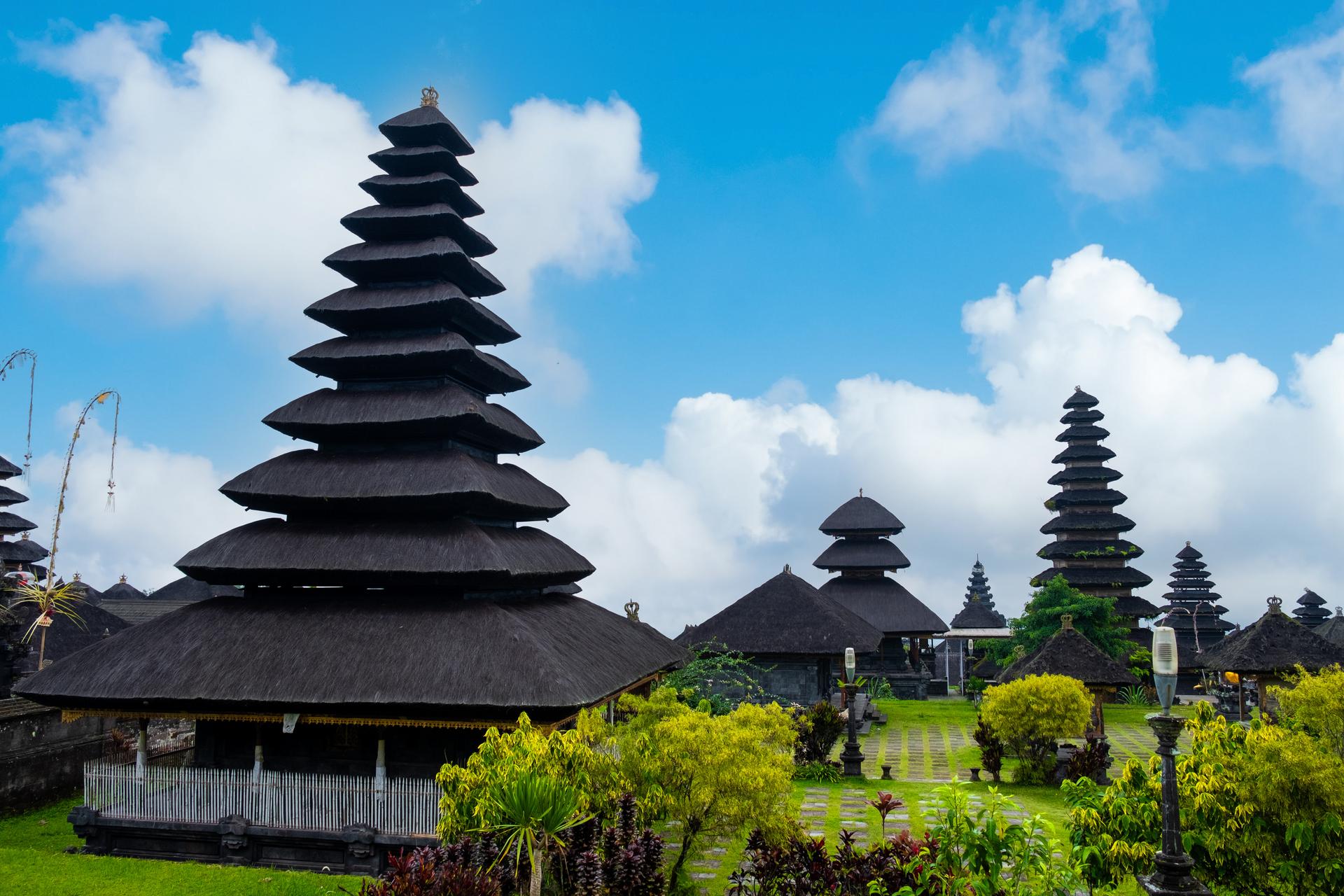
A visit to Besakih Temple is not just about admiring ancient architecture. It’s about experiencing the living spirit of Bali, where culture, faith, and nature come together. With its view of Mount Agung, it’s a must-visit place in Bali for those seeking to understand the island’s spiritual heritage.
Known as the Mother Temple of Bali, Besakih Temple is the island’s largest and holiest Hindu temple complex. This spiritual site has been a place of worship for more than 1,000 years. A journey to Besakih is a sacred experience that offers deep insight into Bali’s spiritual heart.
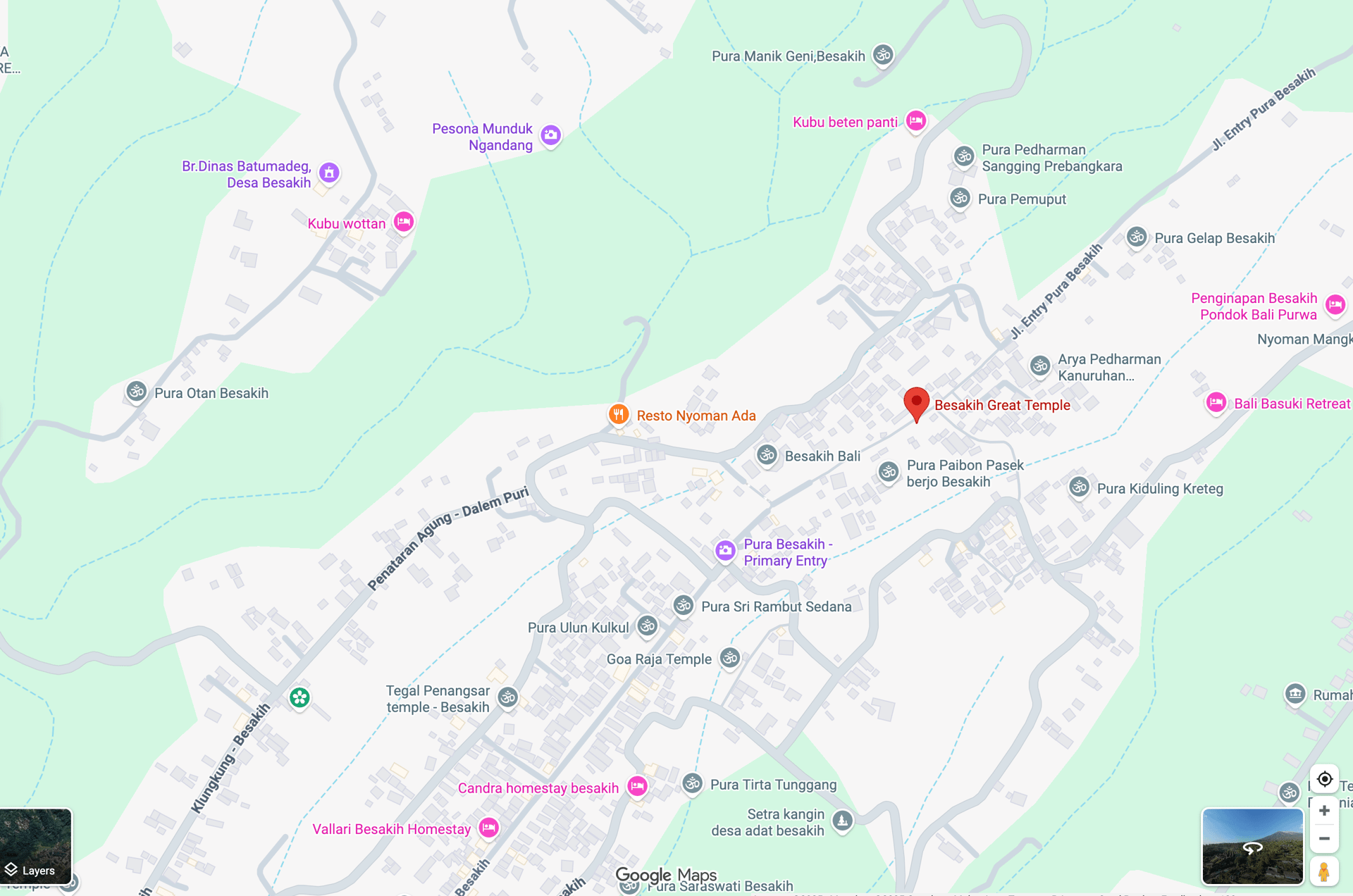
Besakih Temple is a complex of over 80 individual temples, with the main sanctuary, Pura Penataran Agung, standing at its centre. The temple complex is set against the dramatic backdrop of Mount Agung, creating an awe-inspiring atmosphere.
Visitor Info:
- Address: Besakih Village, Rendang Sub-district, Karangasem Regency, Bali, Indonesia
- Visiting Hours: 8:00 AM-5:00 PM (open 24h for worship, but limited access to daytime for tourists)
- Entrance Fee: ~IDR 150,000 for international tourists; lower for domestic visitors (includes sarong and guide in some packages).
- How to get there: From Ubud or Seminyak, it’s around 2-hour drive, depending on traffic. Best with a car + driver.
- Dress code: Modest attire is required. Sarongs and sashes are available for rent at the entrance.
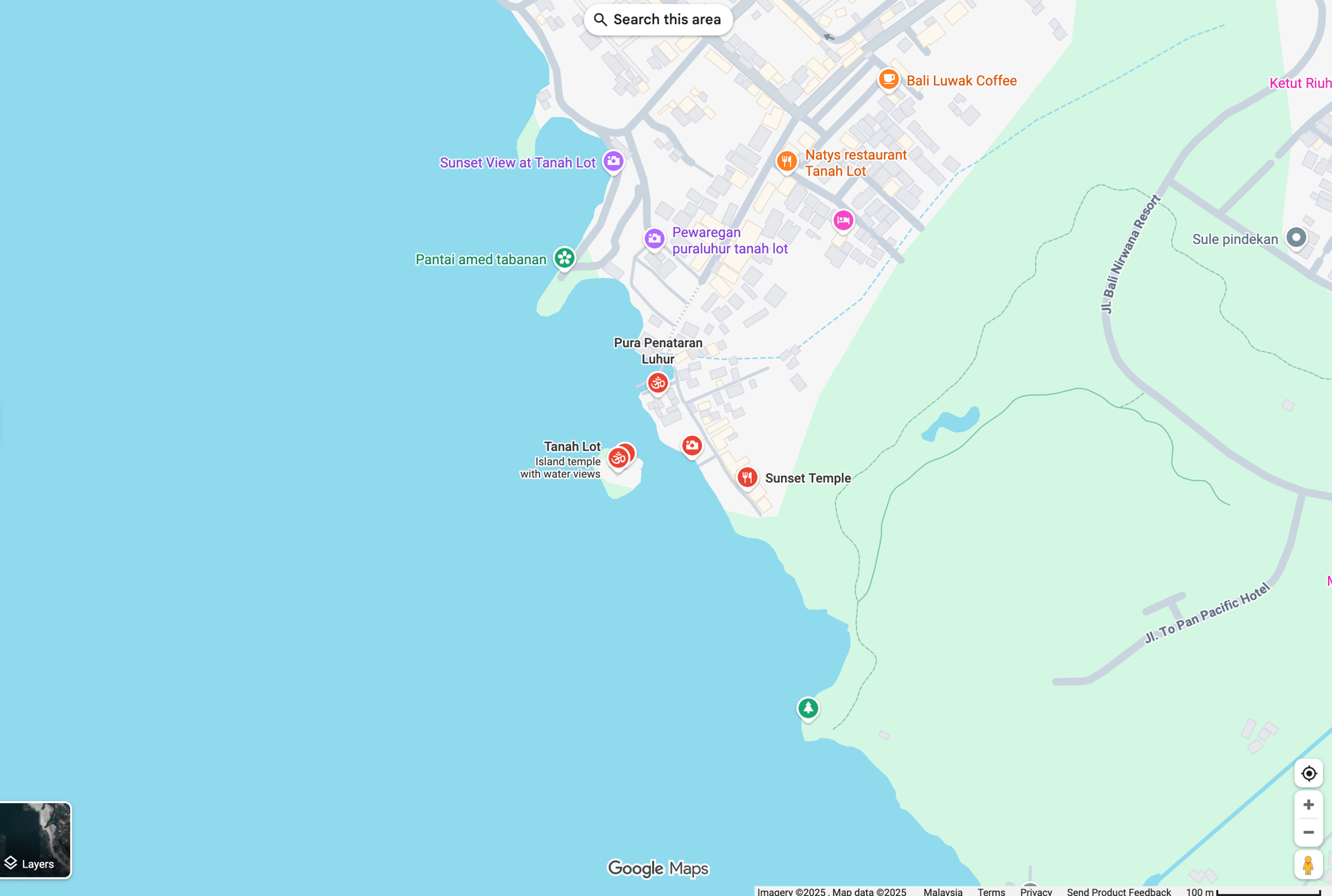
4. Ocean Sunset at Bali’s Iconic Tanah Lot Temple
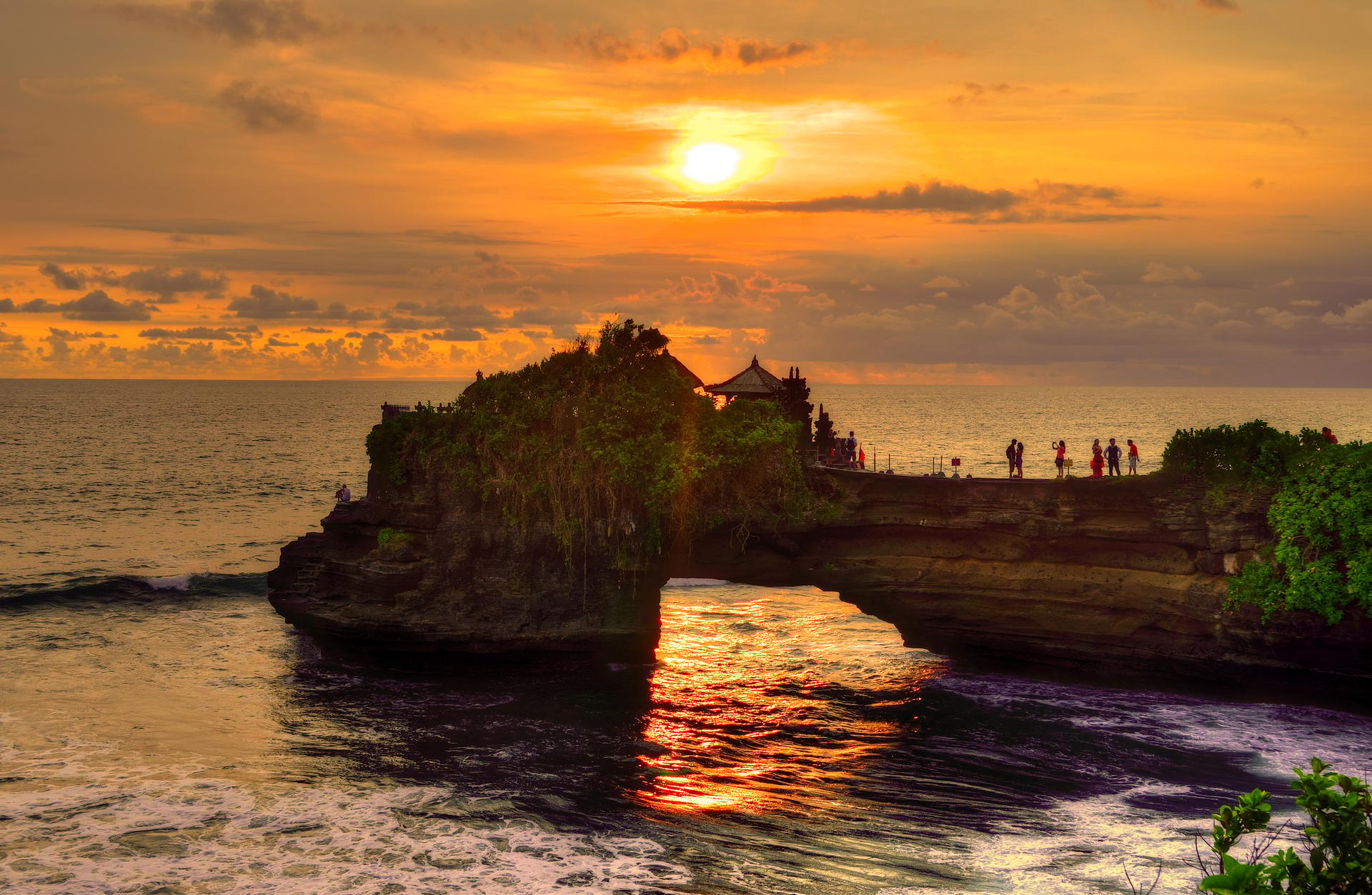
Watching the sunset at Tanah Lot Temple is an experience every traveller should have in Bali. It is a perfect mix of natural beauty, cultural heritage, and unforgettable moments by the ocean. Set dramatically on a rocky offshore outcrop, Tanah Lot Temple is one of Bali’s most photographed landmarks.
Tanah Lot is one of Bali’s most famous landmarks, renowned for its dramatic offshore setting and breathtaking sunsets. This 16th-century sea temple is dedicated to the guardian spirits of the sea. Its name, Tanah Lot, translates to “Land in the Sea”, perfectly describing its unique location just off the coast of Tabanan.
Visitors flock to Tanah Lot not only for its cultural significance but also for its stunning sunset views. At low tide, you can walk across the sand to get closer to the base of the temple. However, access inside the temple is reserved for worshippers only.
The temple grounds also feature smaller shrines, cultural performances, and scenic pathways overlooking the ocean. Around the complex, you’ll find restaurants, cafes, and shops where you can relax and enjoy the view.
Visitor Info:
- Address: Beraban, Kediri, Tabanan Regency, Bali, Indonesia
- Visiting Hours: 7:00 AM – 7:00 PM daily
- Entrance Fee: ~IDR 60,000 (adults), ~IDR 30,000 (children)
- How to Get There: About 45 minutes from Seminyak or an hour from Ubud. Best to go by car or scooter. Visit in the late afternoon for a spectacular sunset view over the ocean.
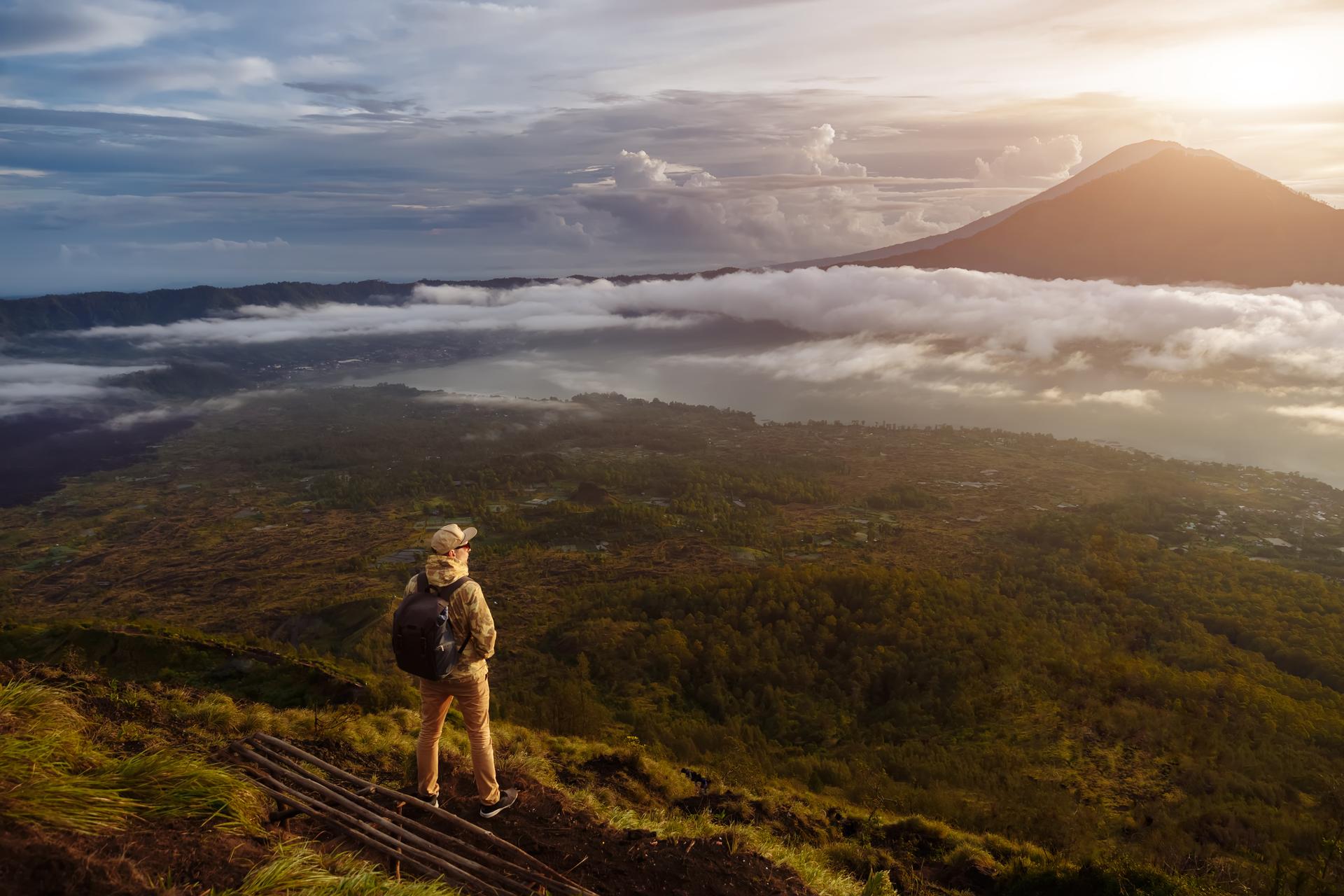
5. Epic Sunrise Hike Above the Clouds at Mount Batur
Adventure seekers shouldn’t miss the Mount Batur sunrise hike. It’s a once-in-a-lifetime adventure that rewards you with epic views, fresh mountain air, and memories that last forever.
Standing at 1,717 metres above sea level, this active volcano offers breathtaking views, especially at sunrise. You will witness the first rays of light break through the clouds, illuminating Lake Batur and the view of Mount Agung in the distance.
The trek typically starts around 2:00–3:00 AM, with guides leading groups along well-marked trails to reach the summit in time. The hike takes about 2 hours, depending on fitness level
At the top, you’ll be rewarded with panoramic views while enjoying a simple breakfast cooked using the volcano’s natural steam. On clear days, you can see as far as Lombok’s Mount Rinjani across the ocean.
Visitor Info:
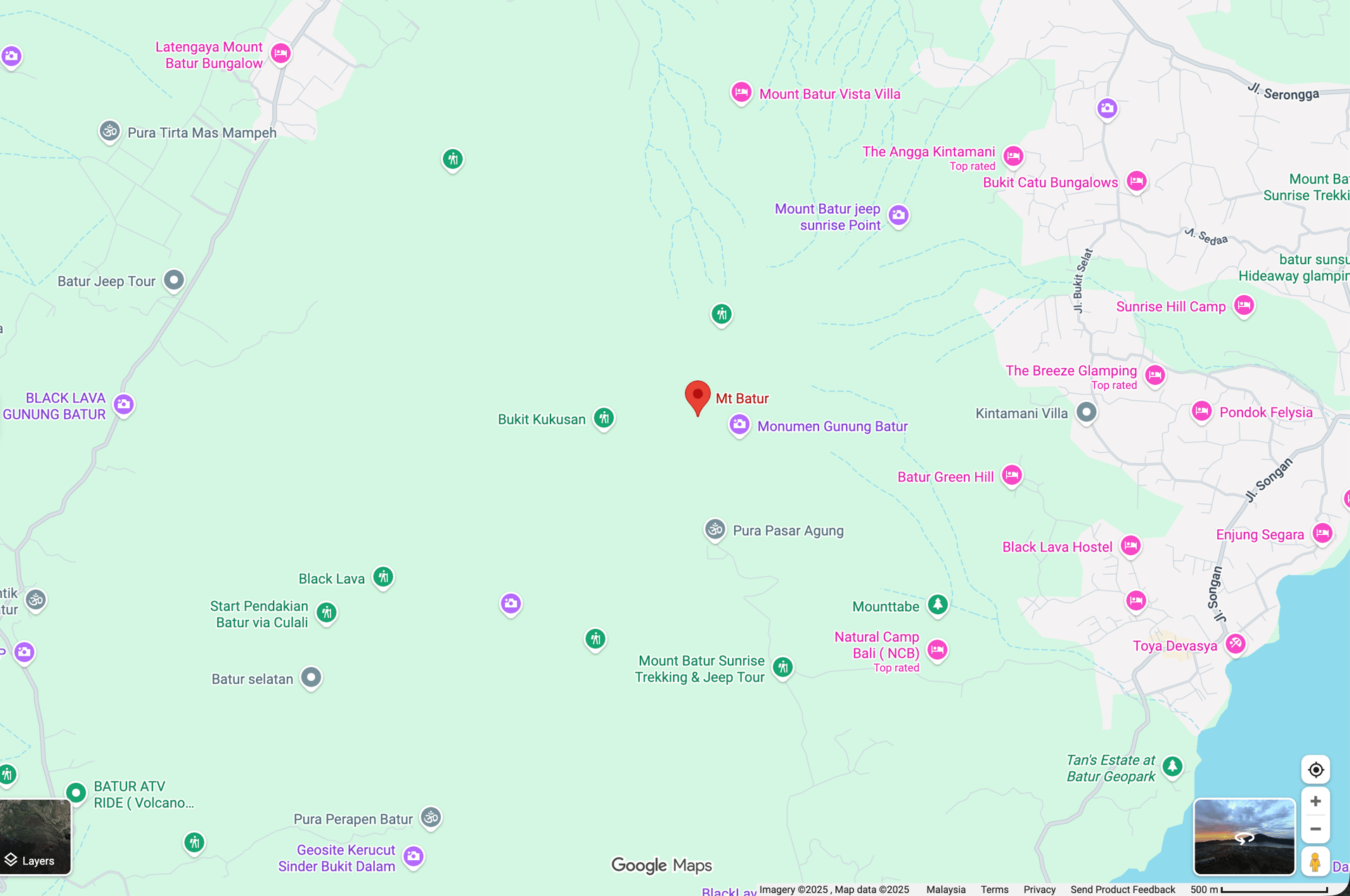
- Address: Kintamani, Bangli Regency, Bali, Indonesia
- Visiting Hours: Open 24 hours, but sunrise treks usually start around 3:00–4:00 AM
- Entrance Fee/Trekking Fee: Guided tours cost around IDR 300,000–500,000 per person (depending on operator and inclusions).
- How to Get There: Around 2 hours from Ubud or 3 hours from Seminyak/Kuta. Best accessed via an organised tour with transport and a licensed guide, as independent trekking is not allowed.
6. Dive and Snorkel in the Nusa Penida Islands
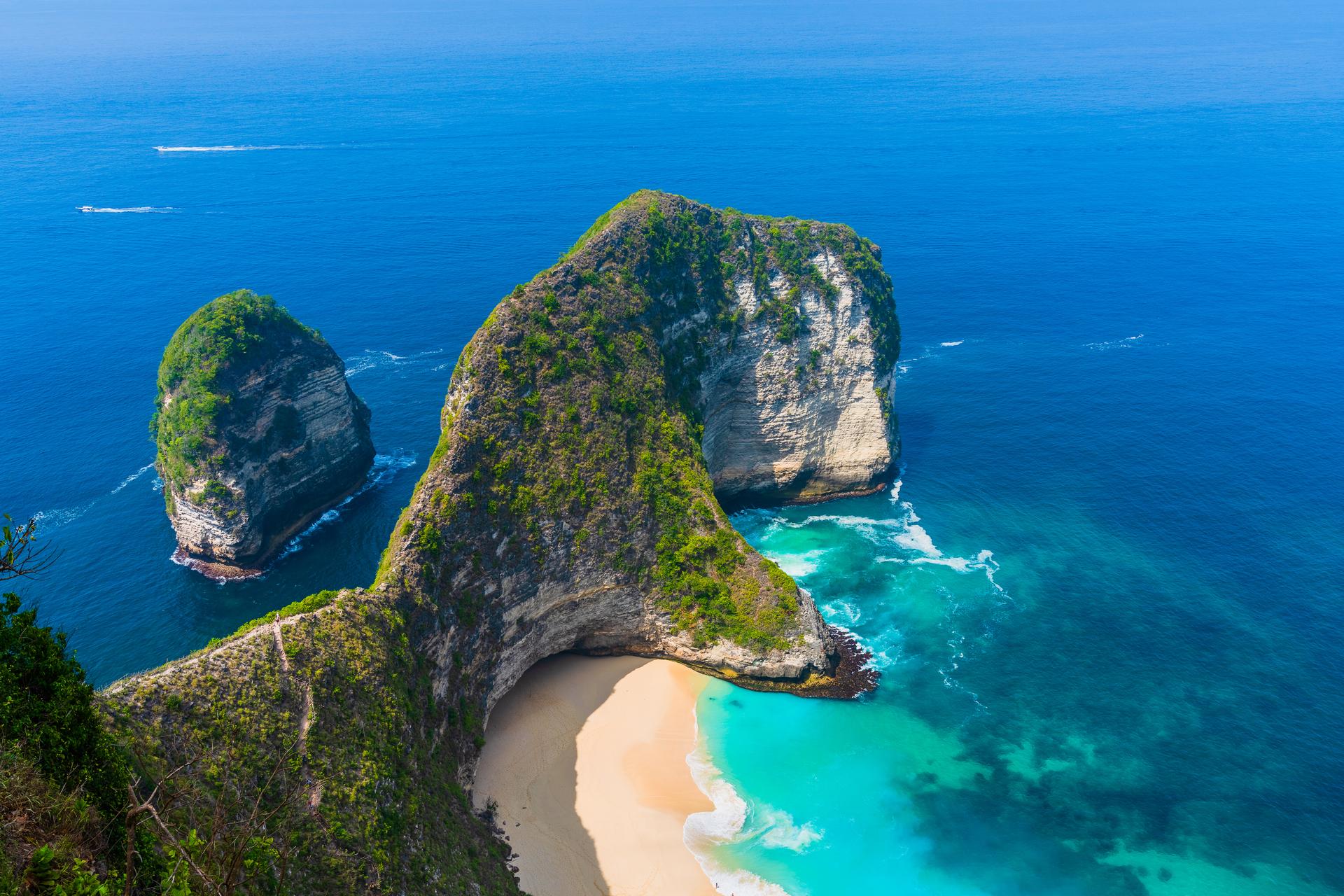
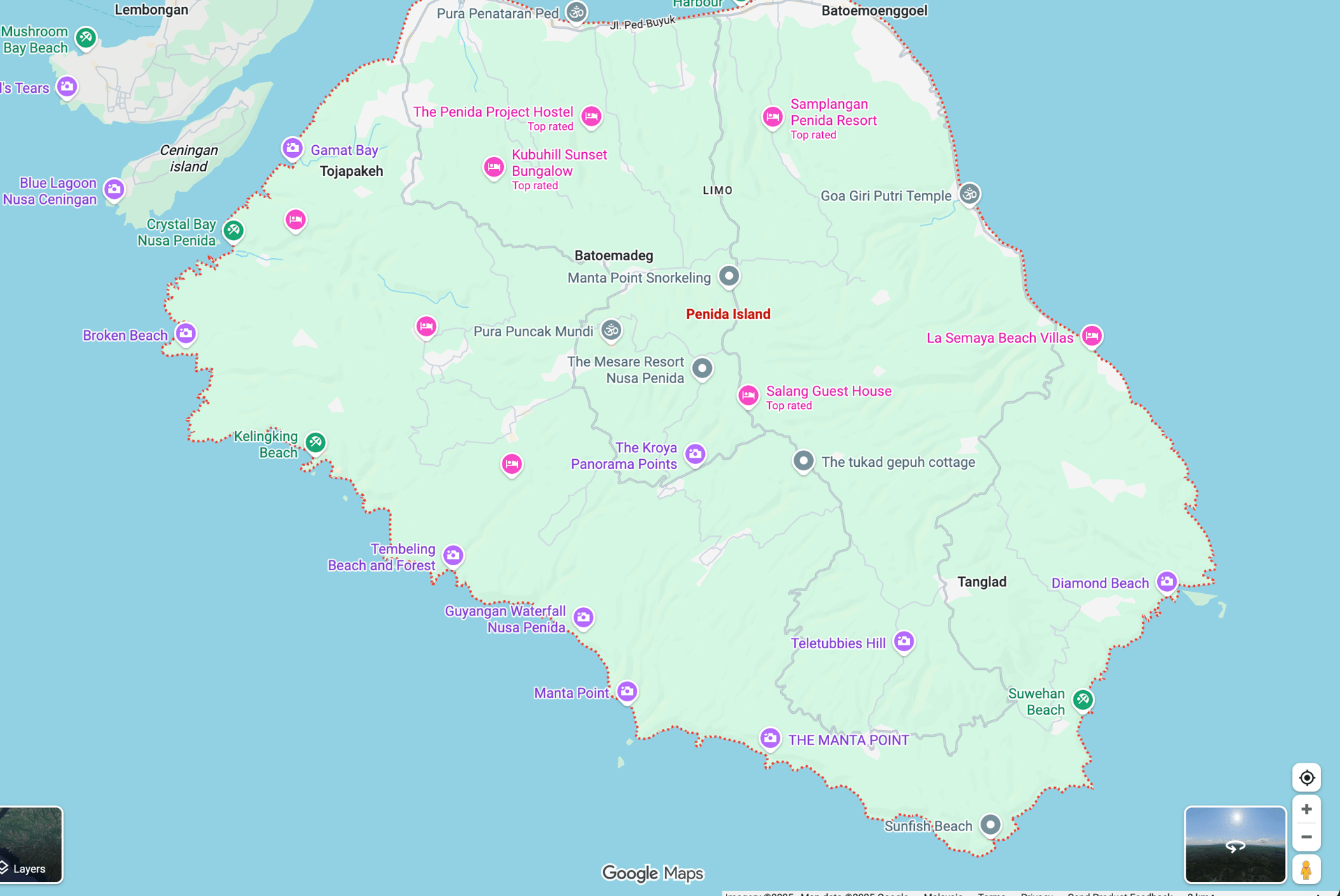
Diving and snorkelling in the Nusa Islands (or Nusa Penida Island) is more than just a water activity. It’s a chance to explore Bali’s underwater paradise. Visit Nusa Penida, Nusa Lembongan, or Nusa Ceningan for incredible snorkelling and diving. You can spot manta rays, colourful reefs, and dramatic coastal cliffs.
Just a short boat ride from mainland Bali, the Nusa Islands offer some of the best diving and snorkelling spots in Indonesia. Their crystal-clear waters, vibrant coral reefs, and diverse marine life are a dream destination for ocean lovers. Whether you’re an experienced diver or a casual snorkeler, the Nusa Islands promise unforgettable underwater adventures.
The islands are famous for coral gardens and sea life, including manta rays, reef sharks, sea turtles, and tropical fish. Nusa Penida is particularly renowned for spotting the mola-mola (ocean sunfish) during the right season. Snorkelers will enjoy shallow reefs and calm bays, while divers can explore dramatic drop-offs, drift dives, and cleaning stations for manta rays.
Top Diving and snorkelling Spots
- Manta Point (Nusa Penida): The best place to see giant manta rays gliding gracefully in their natural habitat.
- Crystal Bay (Nusa Penida): Perfect for snorkelling and spotting mola-mola during July to October.
- Mangrove Point (Nusa Lembongan): A beautiful snorkelling site with rich coral gardens and schools of fish.
- Toyapakeh (Nusa Penida): A vibrant dive site known for strong currents and abundant marine biodiversity.
Visitor Info:
- Address: Various spots in Nusa Penida, Nusa Lembongan, and Nusa Ceningan, Bali.
- Opening Hours: Tours typically depart between 07:00 AM and 05:00 PM. snorkelling operators run during daylight hours.
- Entrance Fee: No fixed “entrance fee”, but snorkelling tours often cost ~IDR 300,000 and up per person (includes boat, equipment, guide).
- How to Get There: From Bali, take a fast boat from Sanur, Padang Bai, or Serangan to Nusa Penida. Once on the island, rent a scooter or hire a car + driver to reach the snorkelling spots
7. Chase Waterfalls in North Bali Hidden Gems
Discovering waterfalls in North Bali is an unforgettable way to experience the island’s natural beauty. From hidden jungle paths to powerful cascades, each waterfall offers its own unique charm and adventure.
North Bali is home to some of the island’s most spectacular and less-crowded natural waterfalls. Unlike the busier southern beaches, the waterfalls of North Bali offer a serene escape. For travellers seeking adventure and natural beauty, chasing waterfalls here is a must-do experience.
North Bali’s waterfalls vary from tall, powerful cascades to smaller, hidden gems tucked away in the rainforest. Some require an easy walk, while others take you on a scenic jungle trek, rewarding you with refreshing pools perfect for a swim. Visiting these waterfalls is not only about the view but also about connecting with Bali’s untouched nature.
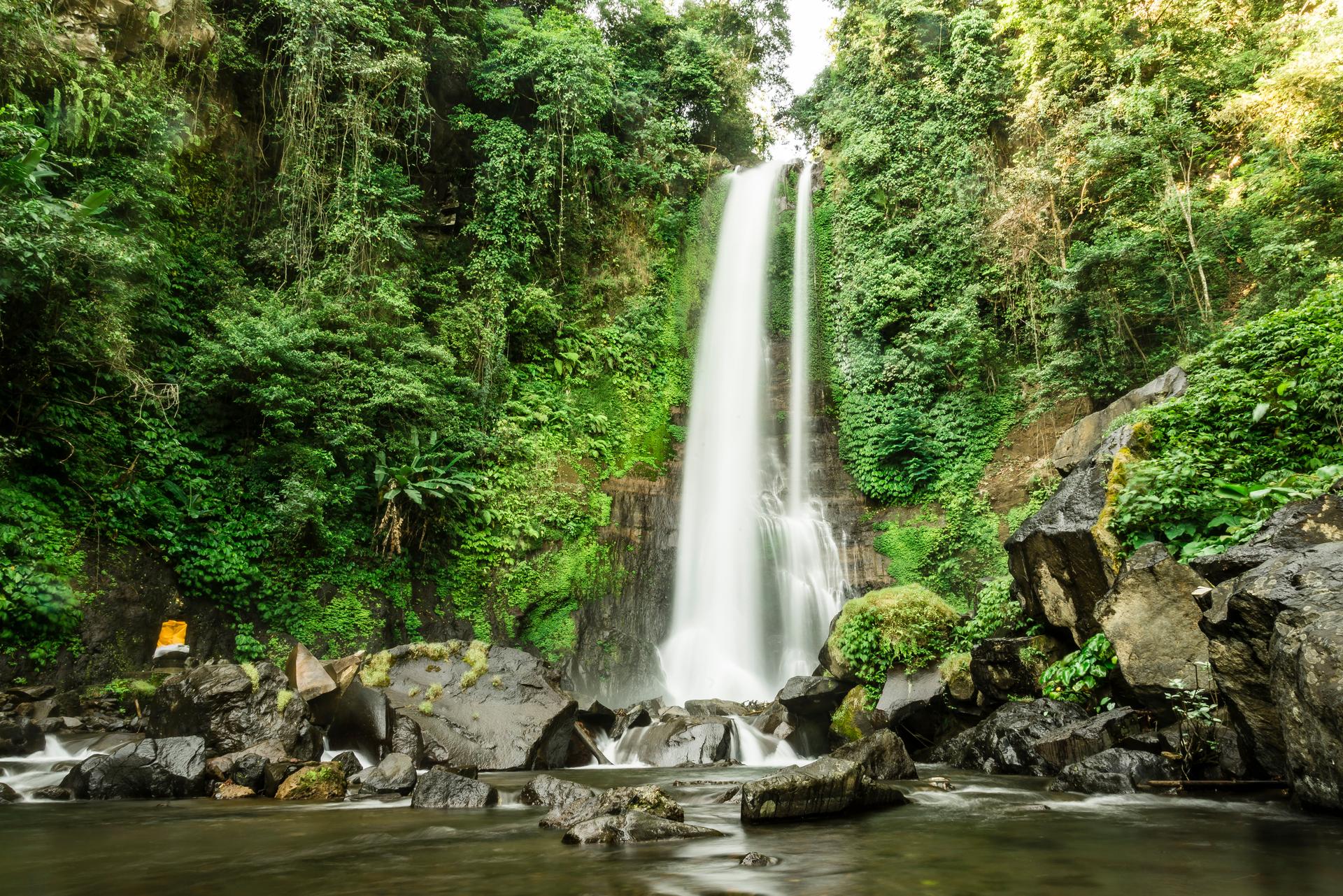
Popular Waterfalls in North Bali
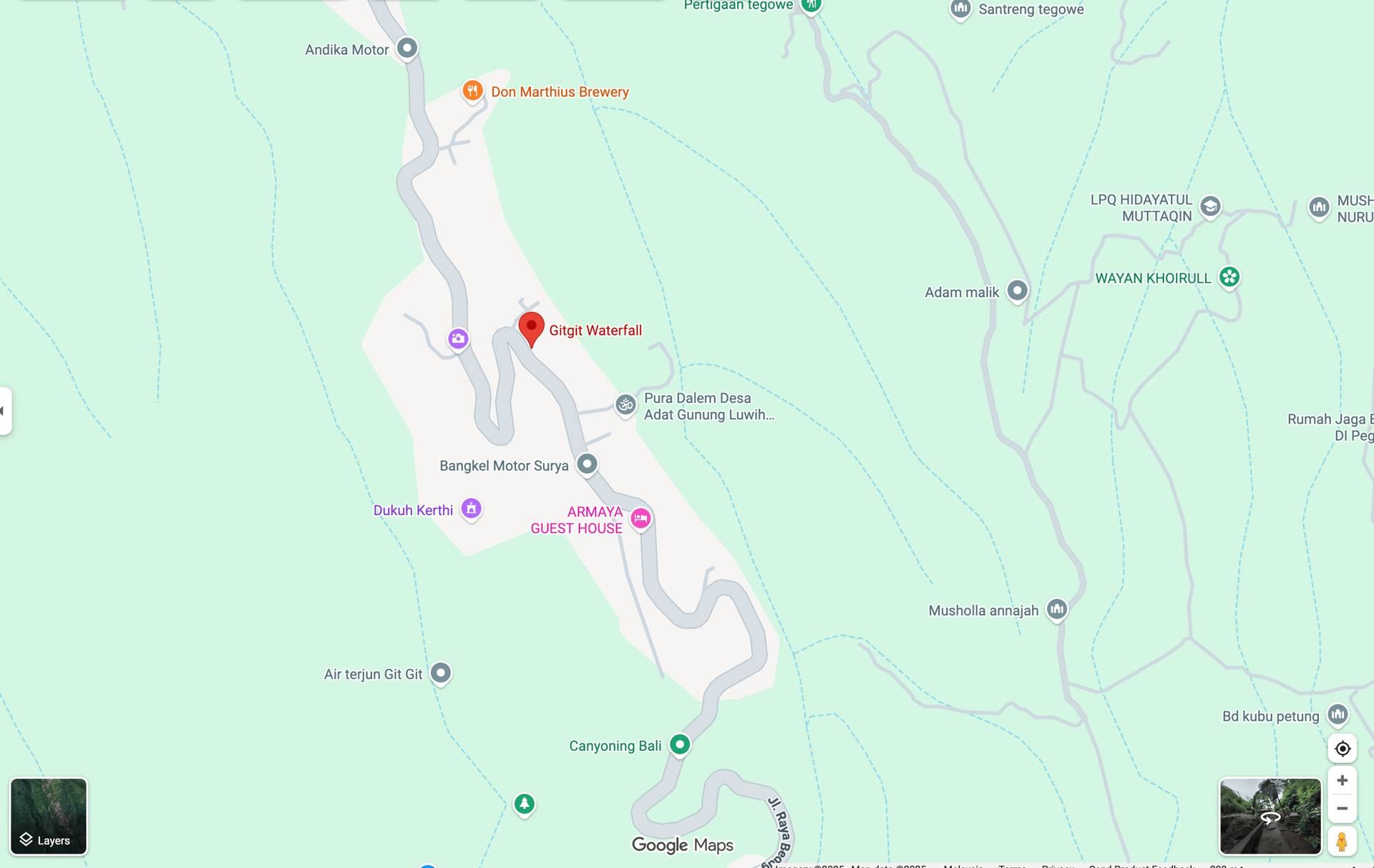
- Gitgit Waterfall – One of Bali’s most famous waterfalls, standing at 35 metres, easily accessible from the main road.
- Sekumpul Waterfall – Often considered Bali’s most beautiful waterfall, made up of multiple tall cascades surrounded by jungle. The trek here is more challenging but worth the effort.
- Banyumala Twin Waterfalls – A hidden gem featuring two streams cascading side by side into a crystal-clear pool.
Visitor Info:
- Address: Danau Bratan, Candikuning, Baturiti, Tabanan Regency, Bali 82191
- Opening Hours: 07:00 AM – 07:00 PM daily
- Entrance Fee: ~ IDR 75,000 for adults; IDR 50,000 for children
- How to Get There: About 1.5 – 2 hours from Kuta or Ubud by car. Use a private car + driver or rent a vehicle.
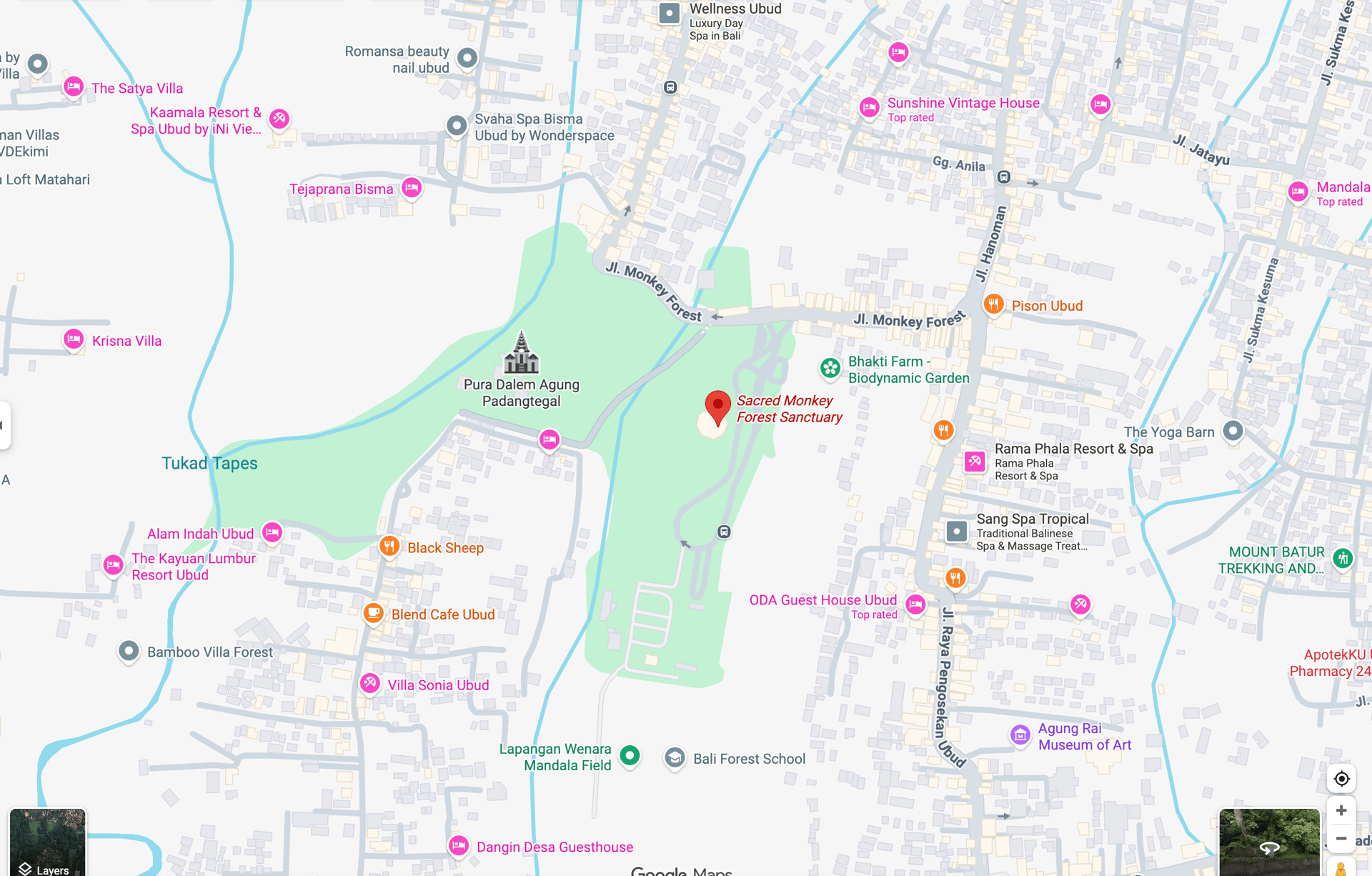
8. Visit the Sacred Monkey Forest Sanctuary
The Ubud Sacred Monkey Forest offers more than just an encounter with Bali’s wildlife. It’s a chance to step into a living sanctuary where nature, culture, and spirituality coexist in harmony.
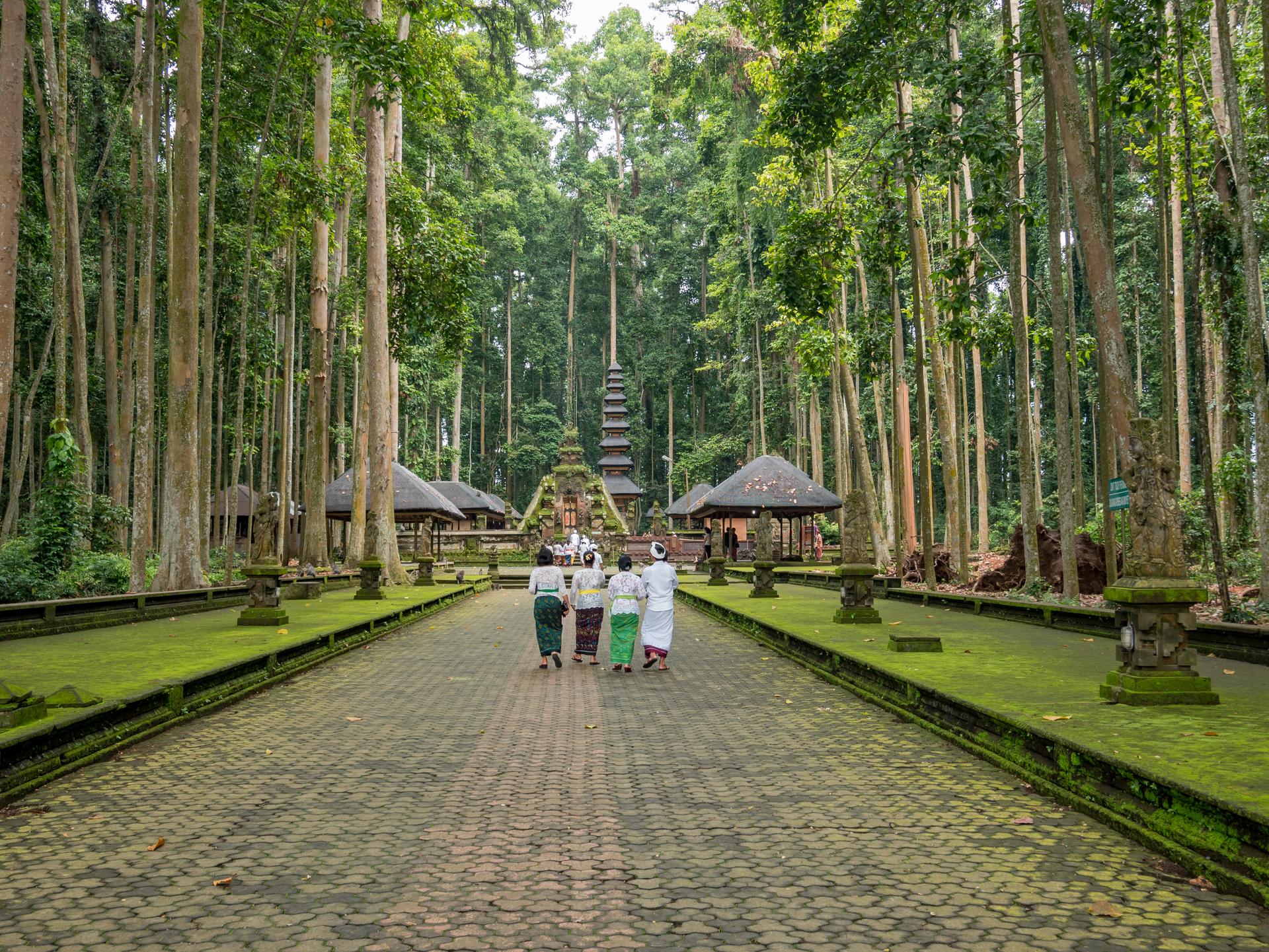
Also known as Mandala Suci Wenara Wana, it is one of the most popular attractions in Ubud, Bali. Home to over 1,200 long-tailed macaques, the sanctuary serves as a unique blend of wildlife, culture, and spirituality. The Monkey Forest is more than just a tourist attraction. It is also a sacred site, featuring ancient temples that date back to the 14th century.
Visitors will encounter playful monkeys swinging from trees, scenic bridges, moss-covered statues, and towering banyan trees. Giving the sanctuary an enchanting, almost mystical atmosphere.
Within the forest are three ancient temples: Pura Dalem Agung Padangtegal, Pura Beji, and Pura Prajapati. Each has deep spiritual significance to the local community.
The sanctuary plays an important role in Ubud’s conservation and spiritual life. Hence, visitors are encouraged to respect the space as both a cultural heritage site and a natural habitat.
Visitor Info:
- Address: Jl. Monkey Forest, Padangtegal, Ubud, Gianyar Regency, Bali, Indonesia
- Opening Hours: Daily, 09:00 AM – 05:00 PM (last entry at 04:00 PM)
- Entrance Fee: Approximately IDR 80,000 for adults and IDR 60,000 for children. Tickets can be purchased on-site or online through the official Monkey Forest website.
- How to Get There: The Sacred Monkey Forest Sanctuary is located in the heart of Ubud, around 1.5–2 hours from Denpasar or Kuta by car or scooter. You can easily reach it via private car hire, taxi, or ride-hailing apps like Grab or Gojek. For convenience, many visitors include it as part of an Ubud day tour that also covers nearby attractions such as the Ubud Palace and Tegalalang Rice Terraces.
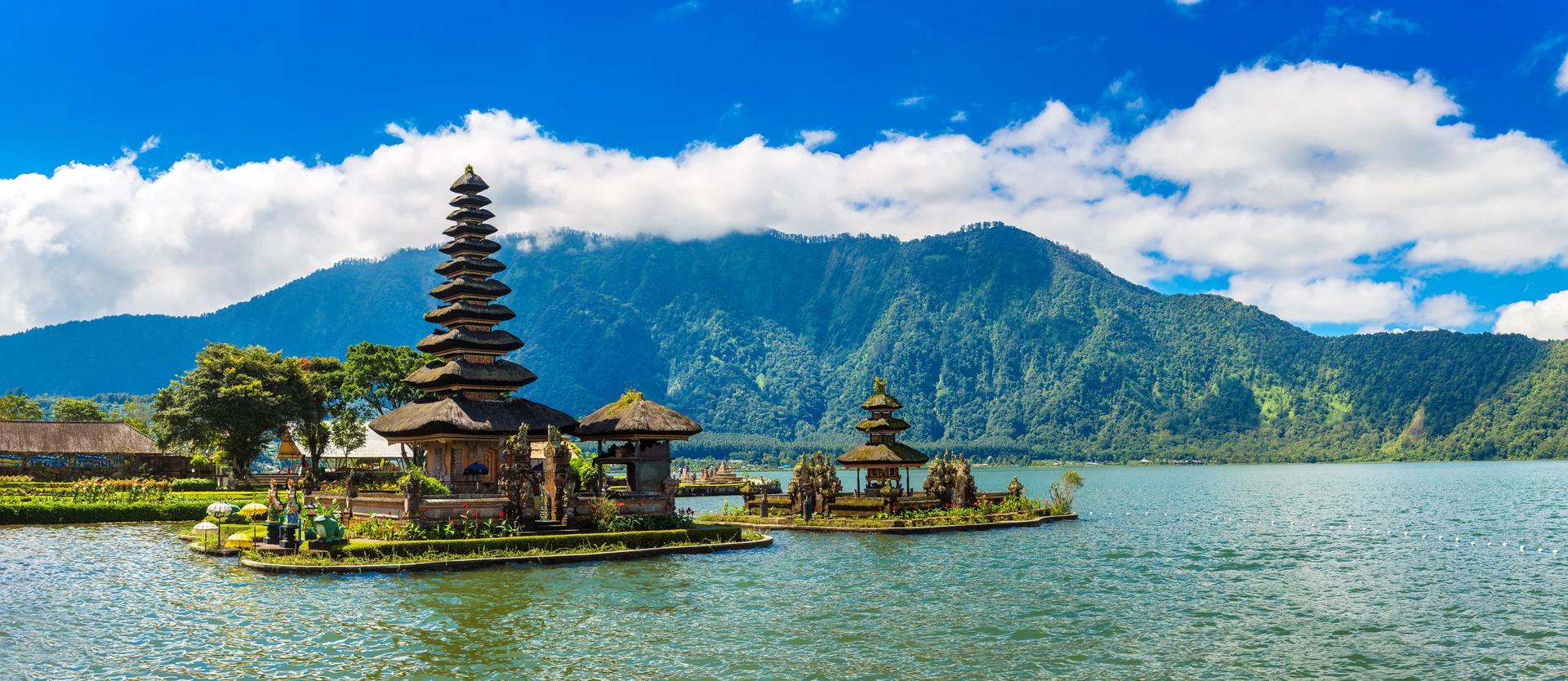
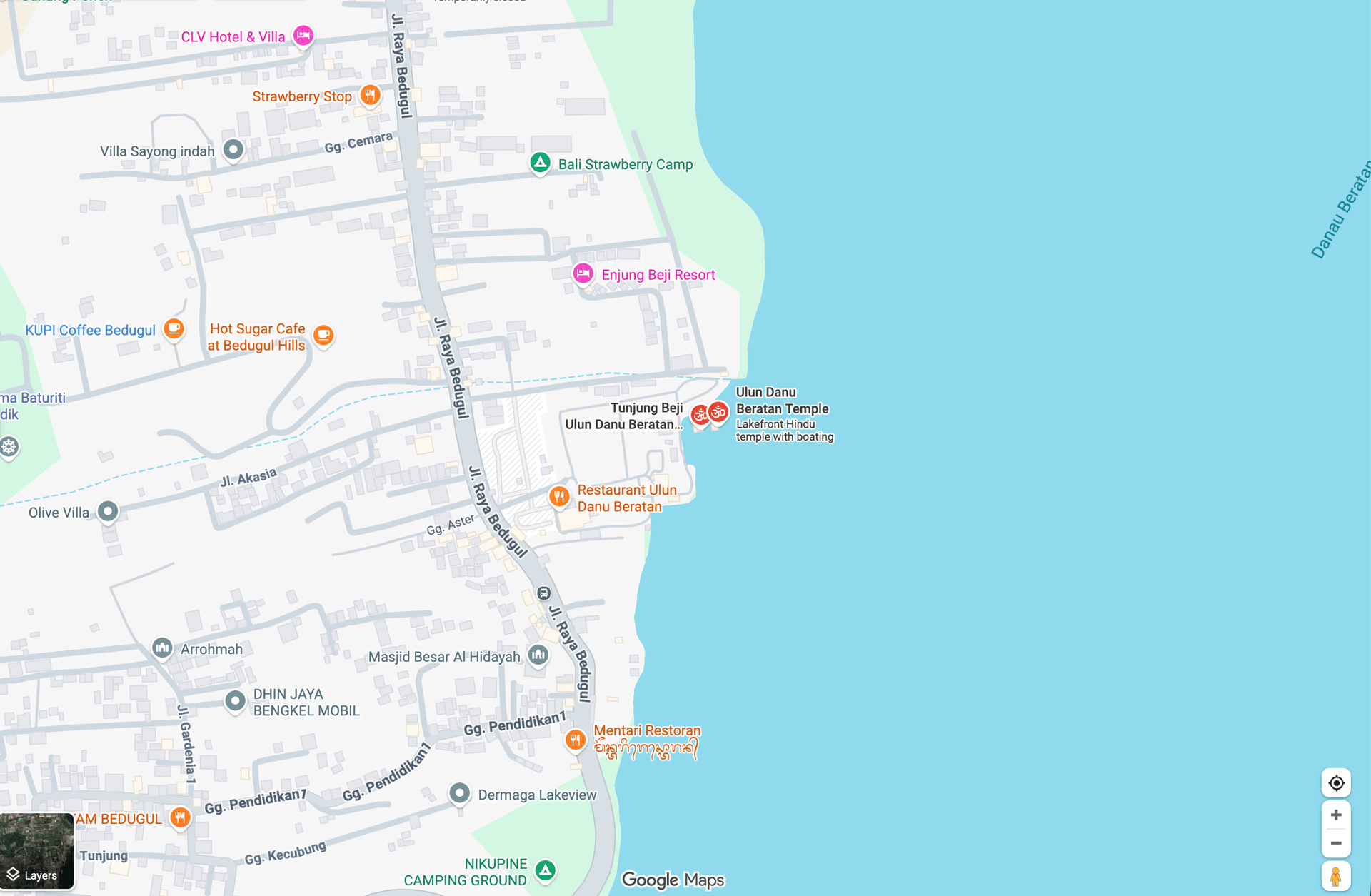
9. Explore Ulun Danu Beratan Temple
Ulun Danu Beratan Temple is more than just a postcard view. It’s a place where Bali’s spiritual essence and natural beauty come together in perfect harmony.
Often called the “floating temple”, it is one of the most iconic and picturesque landmarks in Bali.
Built in the 17th century, this water temple is dedicated to Dewi Danu, the Balinese goddess of lakes, rivers, and water. For centuries, Ulun Danu Beratan has been an important site for ceremonies to ensure a good harvest and irrigation, making it not only a stunning attraction but also a deeply spiritual place.
Visitors will find beautifully manicured gardens, traditional Balinese architecture, and shrines dedicated to various Hindu gods and goddesses. The serene atmosphere of the lake and cool mountain air make it a refreshing escape from Bali’s coastal heat.
Photography enthusiasts will love capturing the temple at sunrise, when mist often hovers over the lake. When water levels rise, the temple appears to be floating, creating a breathtaking reflection with the surrounding mountains as its backdrop.
travellers can also explore local markets, enjoy boat rides on Lake Beratan, or visit the Bali Botanic Garden.

Visitor Info:
- Address: Jl. Raya Candi Kuning, Bedugul, Tabanan Regency, Bali, Indonesia
- Opening Hours: Daily, 07:00 AM – 07:00 PM
- Entrance Fee: Approximately IDR 50,000 per adult and IDR 30,000 per child. Parking and camera fees may apply.
- How to Get There: Ulun Danu Beratan Temple is located in Bedugul, about 50 km (1.5–2 hours) north of Ubud or 60 km from Denpasar. The easiest way to get there is by private car, taxi, or scooter rental. For a more comfortable trip, many travellers choose a guided day tour that also includes stops at nearby attractions like the Handara Gate and Bali Botanic Garden.
10. Visit the Sacred Tirta Empul Temple
Tirta Empul Temple is more than just a tourist spot. It’s a place where spirituality, tradition, and culture come together. Highly recommended place to visit for those who are seeking a deeper connection to Bali’s heritage.
The temple is one of Bali’s most important and sacred Hindu temples. The name Tirta Empul translates to “holy water spring,” referring to the crystal-clear spring that flows into its bathing pools. It attracts both worshippers and travellers who come to experience its spiritual cleansing rituals.
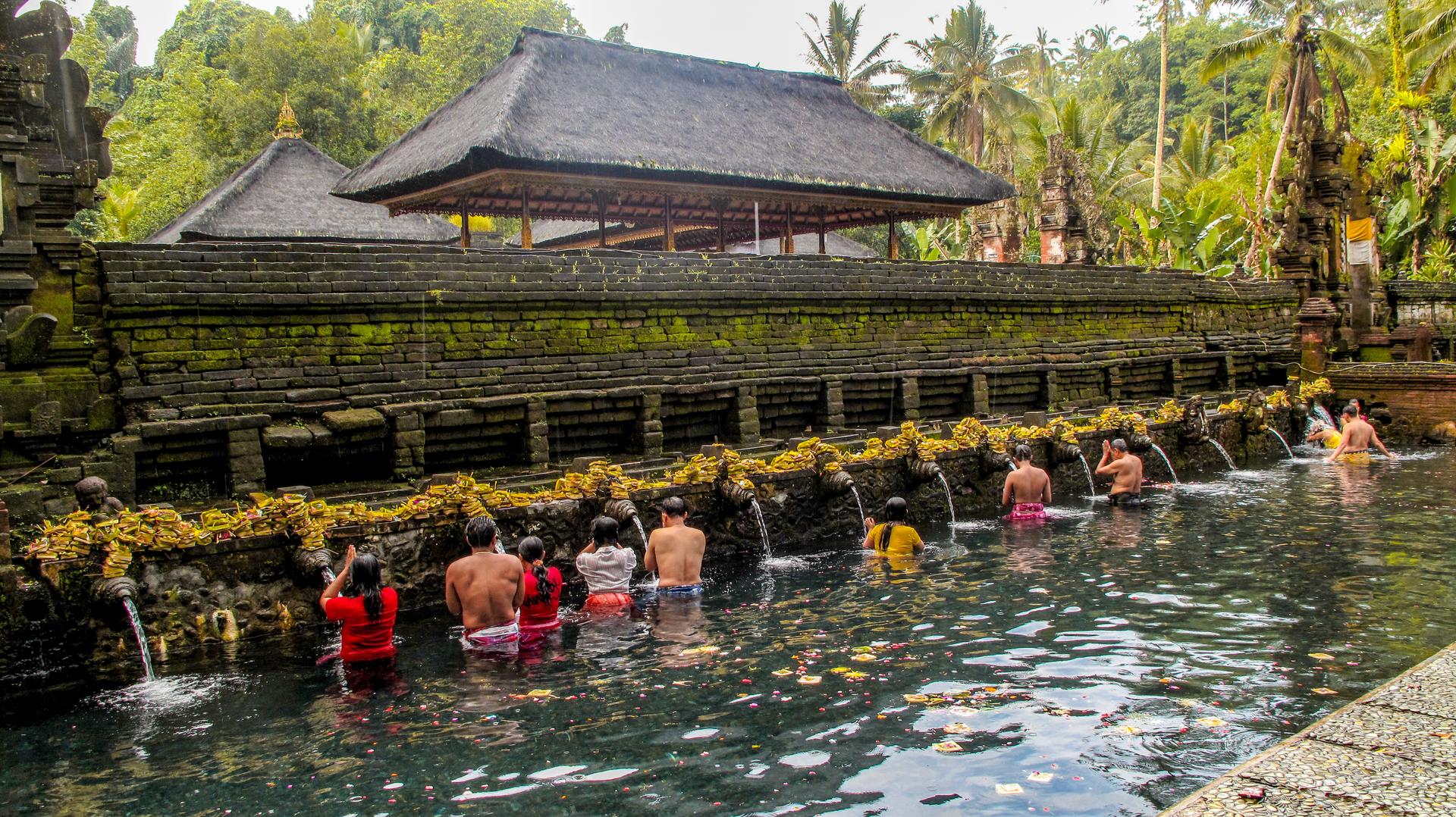
Founded in 926 AD during the Warmadewa dynasty, it has since been a place of purification and prayer. Visitors are welcome to take part in the melukat (spiritual cleansing) ceremony by immersing themselves in the fountains.
The temple complex features courtyards, shrines, and the famous bathing pools lined with carved spouts where people queue for purification. Local guides often assist visitors in understanding the rituals and proper etiquette. Even if you don’t participate in the cleansing, Tirta Empul offers a fascinating look into Balinese spirituality.
Visitor Info:
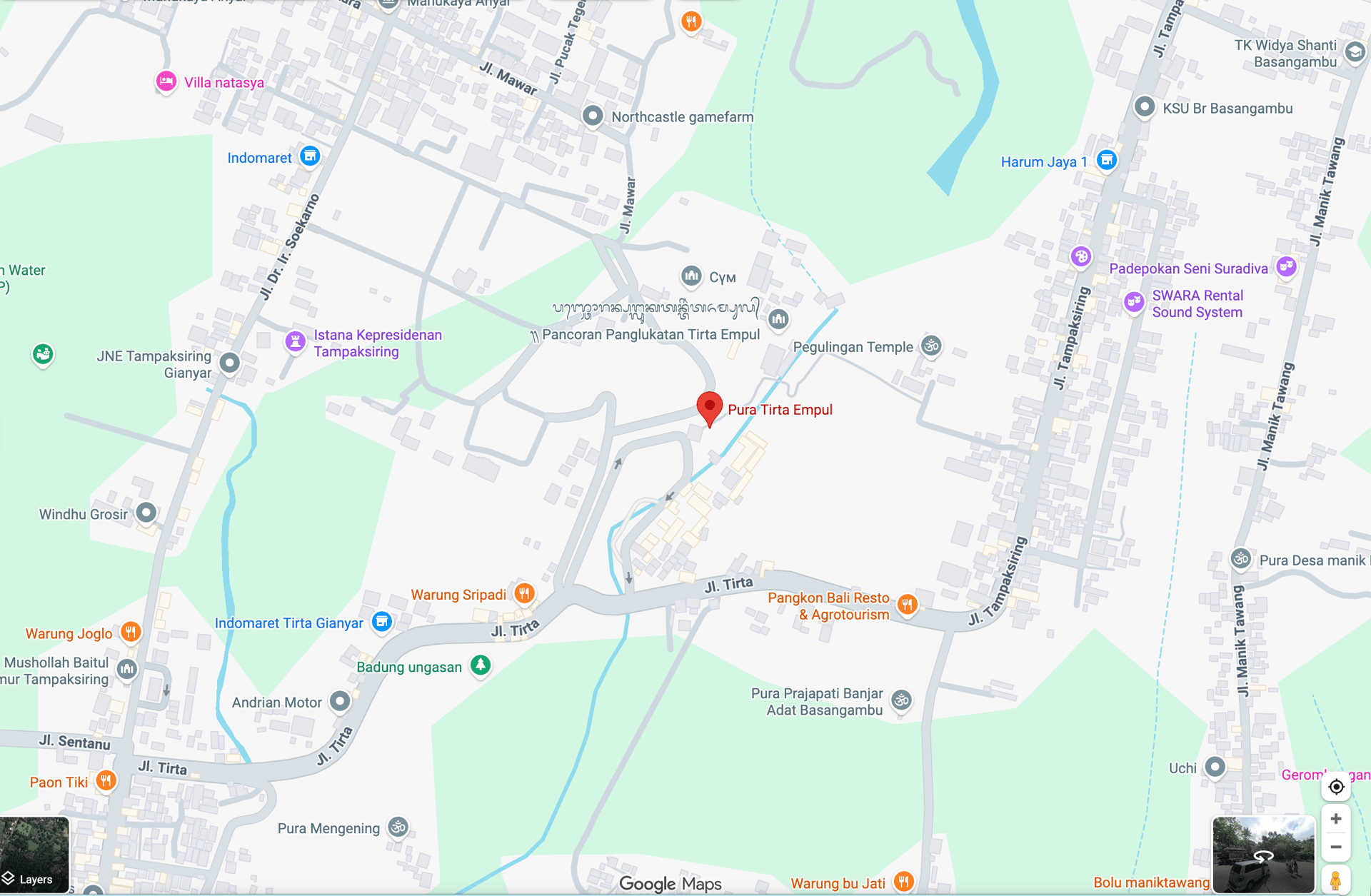
- Address: Jl. Tirta, Manukaya, Tampaksiring, Gianyar Regency, Bali, Indonesia
- Opening Hours: 08:00 AM-06:00 PM daily
- Entrance Fee: ~IDR 50,000 per adult and IDR 25,000 per child (prices may change)
- Dress Code: Sarongs are required when entering the temple. You can rent one at the entrance if needed.
- How to Get There: Around 30 minutes drive from Ubud or 1.5 hours from Denpasar. The easiest way to get there is by hiring a driver or renting a scooter.
Summary
Bali is a destination that offers endless adventures and unforgettable cultural experiences. From exploring ancient temples like Uluwatu, Tanah Lot, and Besakih to hiking Mount Batur, every corner of Bali tells a story. The island perfectly blends relaxation, adventure, and tradition. Making it one of the world’s most captivating travel destinations.
For those seeking serenity, Bali offers lush rice terraces in Tegalalang, tranquil beaches in Nusa Dua, and sacred spots like Tirta Empul. Adventure seekers can go scuba diving into the crystal-clear waters of the Nusa Islands, chase waterfalls in North Bali, or trek through the island’s vibrant jungles. Culture lovers will find magic in Ubud’s art scene, temple ceremonies, and timeless rituals that keep Bali’s spiritual heritage alive.
No matter your travel style, Bali offers something truly special for everyone. Stunning landscapes, soulful experiences, and a deep sense of harmony between people and nature. So, pack your bags and get ready to discover the best things to do in Bali. Book your flight to Bali now!
Frequently Asked Questions (FAQs)
The best time to visit Bali is during the dry season from April to October, when the weather is sunny and ideal for outdoor activities, beach days, and temple visits.
Most travellers spend 5–7 days in Bali to cover major attractions like Uluwatu, Ubud, Mount Batur, the Nusa Islands, and Tanah Lot. Stay longer if you want a slower, more relaxing itinerary.
Yes, Bali is generally safe for solo travellers. Popular tourist areas are well-developed, and locals are friendly. As with any destination, keep an eye on your belongings and follow standard travel precautions.
Many nationalities can enter Indonesia visa-free or obtain a Visa on Arrival (VOA) for stays up to 30 days. Always check the latest entry requirements before travelling, as regulations may change.
Wear modest clothing that covers your shoulders and knees. Sarongs and sashes are usually provided at temples like Uluwatu, Besakih, and Tirta Empul.
Don’t miss sunrise at Mount Batur, the Tegalalang Rice Terraces, sunset at Tanah Lot and Uluwatu, diving around Nusa Penida, the Monkey Forest in Ubud, and the floating temple Ulun Danu Beratan.

Phaksornkan T.
4 December 2025