Best Time to Visit Okinawa: Seasons and Travel Tips
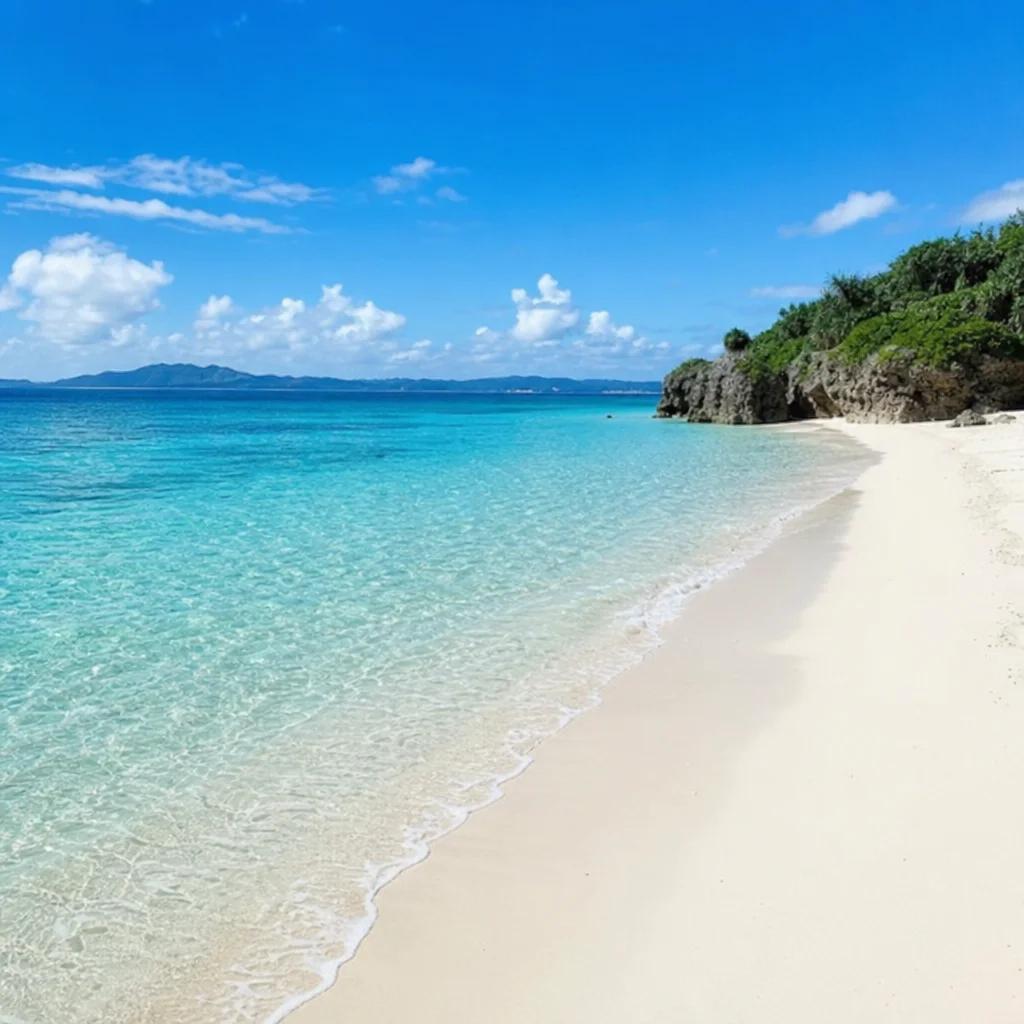
Welcome to Japan's southernmost prefecture, an island chain known worldwide for its shimmering turquoise waters, coral reefs, and unique Ryukyu cultural heritage. If you are looking for the best time to visit Okinawa, this guide shows what each season offers.
Unlike the busy streets of Tokyo or the old temples of Kyoto, Okinawa has a lush subtropical climate. Its weather, bloom times, and visitor peaks differ a lot from mainland Japan. When is the best time to visit Okinawa? It depends on your travel goals. From early cherry blossoms to summer heat and world-class diving, this guide helps you pick the right trip window.
When is The Best Time to Visit Okinawa?
Okinawa's best time for your trip depends on your plans:
- Winter is mild and good for whale watching and early cherry blossoms.
- Spring has the best all-around weather and beach openings, but avoid Golden Week.
- Summer brings top snorkeling, a rainy spell from mid-May to late June, extreme heat, and August–September typhoons.
- Autumn stays pleasant, with warm seas, clear water for dives, and major festivals.
Plan for differences from mainland Japan. Pack layers or a wetsuit for winter water trips. Keep late-summer plans flexible and buy travel insurance. For island hopping, Miyako tends to be sunnier, while hilly Ishigaki gets more short showers.
Okinawa Weather vs Mainland Japan by Month
To pack right and plan ahead, you need to think about Okinawa weather vs mainland japan by month. While mainland Japan has four clear seasons—from freezing, snow-covered winters to hot, cicada-filled summers—Okinawa stays warm and inviting all year.
In January and February, when Tokyo shivers through snow and near-freezing weather, Okinawa enjoys mild highs around 19°C (66°F). By July, both the mainland and the southern islands are hot and humid, but Okinawa gets cool ocean breezes. Autumn also arrives later here. While northern Hokkaido sees bright foliage in September, Okinawa still feels like midsummer and stays beach-friendly into October.
1. Winter (December to February): Whales and Early Blooms
Winter in Okinawa is very different from central and northern Japan. The weather is cool and breezy, which makes it ideal for coastal hiking and historical sightseeing without getting too hot.
Whale Watching
For whale lovers, the Okinawa whale watching season peaks between January and March. Humpback whales migrate thousands of miles from the cold Aleutian Islands to the warm, protected waters of the Kerama Islands to breed. Guided boat tours from Naha offer a high success rate for spotting these huge animals breaching in the waves.
Early Cherry Blossoms
While mainland Japan waits until late March or April for sakura season, Okinawa starts months earlier. Watching the Okinawa cherry blossom forecast and spots is a smart move for winter visitors. The dark-pink Kanhi-zakura blooms usually appear in mid-to-late January and last through February. Top spots include the ancient Nakijin Castle ruins and Mount Yae on the scenic Motobu Peninsula.
Packing and Off-Season Swimming
Deciding what to pack for Okinawa in winter means balancing mild days with cool, breezy nights. Bring light layers, long-sleeve shirts, and a good windbreaker.
You may also wonder about swimming in Okinawa during the off-season. The ocean temperature drops to about 21°C (70°F). It rarely gets cold, but strong winter winds make getting out of the water feel chilly. If you plan to snorkel or scuba dive, a thick 5 mm wetsuit is strongly advised.
2. Spring (March to May): The Sweet Spot
Spring is widely seen as the best time to visit Okinawa. The weather turns warm, and the ocean heats up fast, officially marking the expected start of the Japanese beach season.
Opening of the Beaches
March marks the slow reopening of public beaches across the main and outer islands. By April, high temperatures often reach 24°C (75°F). This mild climate is great for hiking the Yanbaru forest and walking along Naha's busy Kokusai Dori.
Golden Week Cautions
When planning a spring trip, you need to avoid late April and early May if you can. This busy holiday period is Golden Week in Japan and brings a surge in domestic travel. Avoiding Golden Week crowds in Okinawa helps you dodge high hotel rates, booked-out rental cars, and packed beaches. If your dates do fall then, book your lodging and transport several months ahead.
3. Summer (June to August): Sun, Sea, and Storms
Summer is the peak season for beachgoers from Japan and abroad. It brings bright sun and very warm water, but also tropical heat, high humidity, and the risk of severe storms.
The Rainy Season
Before peak summer heat arrives, the islands go through a strong monsoon period. Tracking the Okinawa rainy season start and end dates is key for outdoor plans.
The rainy season, called tsuyu, usually starts in mid-May and ends around the third week of June. Unlike nonstop mainland drizzle, Okinawa's rainy season brings sudden heavy downpours and then bright sun.
Snorkeling and Extreme Heat
Once the rain clears in late June, ocean conditions turn great. July is clearly the best month for snorkeling in Okinawa, with bathtub-warm water and very clear views below the surface.
But be ready for tough weather. If you ask, 'what is the hottest month in Okinawa?', July and August often tie. Temperatures often go above 32°C (90°F), and the humidity can feel crushing. Always wear reef-safe sunscreen and cut back on midday activities.
Navigating Typhoons
Late summer brings typhoon season. Knowing how to plan around Okinawa typhoon season, which peaks from August to September, can save a lot of stress. Keep travel plans flexible, buy full travel insurance, and check Japan's weather agency updates each day. If a typhoon hits, expect grounded flights, canceled ferries, and time indoors.
4. Autumn (September to November): Pleasant and Clear
Autumn is a great time to visit the entire archipelago. The harsh summer heat fades, but the ocean stays warm enough for swimming, snorkeling, and other water sports.
Diving and Visibility
For serious scuba fans, autumn brings great underwater conditions. The visibility for diving in Okinawa by season is best in late autumn and early winter. With fewer plankton blooms clouding the water and calmer seas after typhoons by late October, divers often see more than 30 meters. This makes it a great time to explore the Yonaguni ruins or the Kerama Islands' coral gardens.
Culture and Festivals
Autumn is also deeply tied to local culture. Check the traditional Okinawa festivals and event calendar before you go. October features the Naha Great Tug-of-War, a major historical event with a huge rope and tens of thousands of eager participants. November brings the Shurijo Castle Festival, which shows off Ryukyu kingdom parades and traditional Eisa drum dancing.
Island Hopping: Ishigaki vs Miyako
Okinawa is not just one island; it is a wide, varied archipelago. Many travelers head to the outer Yaeyama or Miyako island groups for a more remote, pristine beach trip.
When comparing Ishigaki vs Miyako island weather, note their small differences despite the short distance between them. Miyako Island is flatter, so it catches fewer rain clouds and gets a bit more sun. Ishigaki, with Mount Omoto, gets more short showers.
Start Planning Your Okinawa Escape!
Okinawa is a destination you can enjoy in every season, from tropical summers and vibrant festivals to mild winters and scenic coastal landscapes. Once you've decided when to visit, it's time to lock in your travel plans and get ready for an unforgettable island getaway.
With AirAsia MOVE, you can book flights and hotels together, making it easy to plan your Okinawa holiday while finding options that suit your budget and travel style.

Indira L
31 July 2026