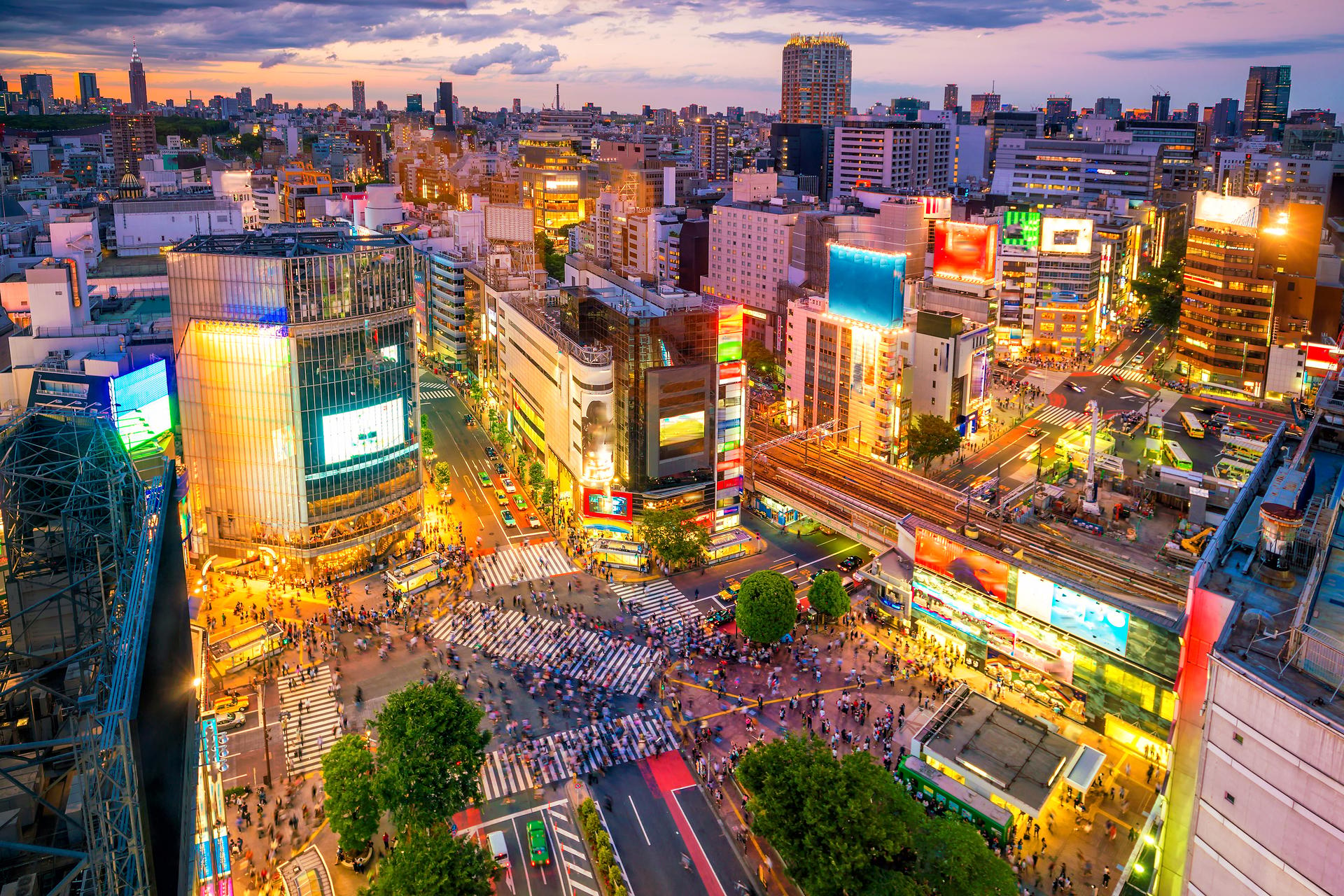
Best Time to Visit Tokyo: Weather, Seasons & Travel Tips
Discover the best time to visit Tokyo with a seasonal guide to weather, cherry blossoms, autumn foliage, festivals, and helpful travel tips.
Tokyo is a city that changes beautifully with the seasons. In spring, delicate cherry blossoms transform parks and riversides into soft pink landscapes. By autumn, tree-lined streets glow in shades of red and gold. Even winter has its charm, when the city sparkles with festive illuminations and the skies are crisp and clear.
Because of these seasonal changes, the best time to visit Tokyo depends on what kind of experience you’re looking for. Some travelers visit specifically for the famous sakura season, while others prefer cooler weather, colorful foliage, or quieter months with lower travel costs.
Understanding what each season offers will help you decide when to plan your trip to Japan’s vibrant capital.
Best Month to Visit Tokyo
If you’re looking for the best overall time to visit Tokyo, most travelers recommend late March to early April and October to November.
Spring is when Tokyo’s cherry blossoms bloom, creating some of the most iconic scenery in Japan. Autumn, on the other hand, brings cool weather and vibrant foliage, making it one of the most comfortable times for sightseeing.
In short:
- Late March – Early April: Best for cherry blossoms
- October – November: Best for comfortable weather and autumn leaves
Both seasons offer beautiful scenery and ideal conditions for exploring the city.
Tokyo Through the Seasons
Tokyo experiences four distinct seasons, and each one offers a slightly different atmosphere.
- Spring: Parks and streets turn pink with cherry blossoms. Hanami picnics and outdoor festivals fill the air with excitement.
- Summer: Hot, humid, and lively, Tokyo hosts colorful matsuri festivals and spectacular fireworks displays.
- Autumn: Cooler weather and striking fall foliage create a perfect environment for outdoor exploration.
- Winter: Crisp air, festive illuminations, and fewer tourists make this season ideal for budget-conscious travelers.
Because Tokyo is such a dynamic city, there is truly no bad time to visit—only different experiences depending on the season. Let’s explore each season in more detail.
Spring in Tokyo (March – May)
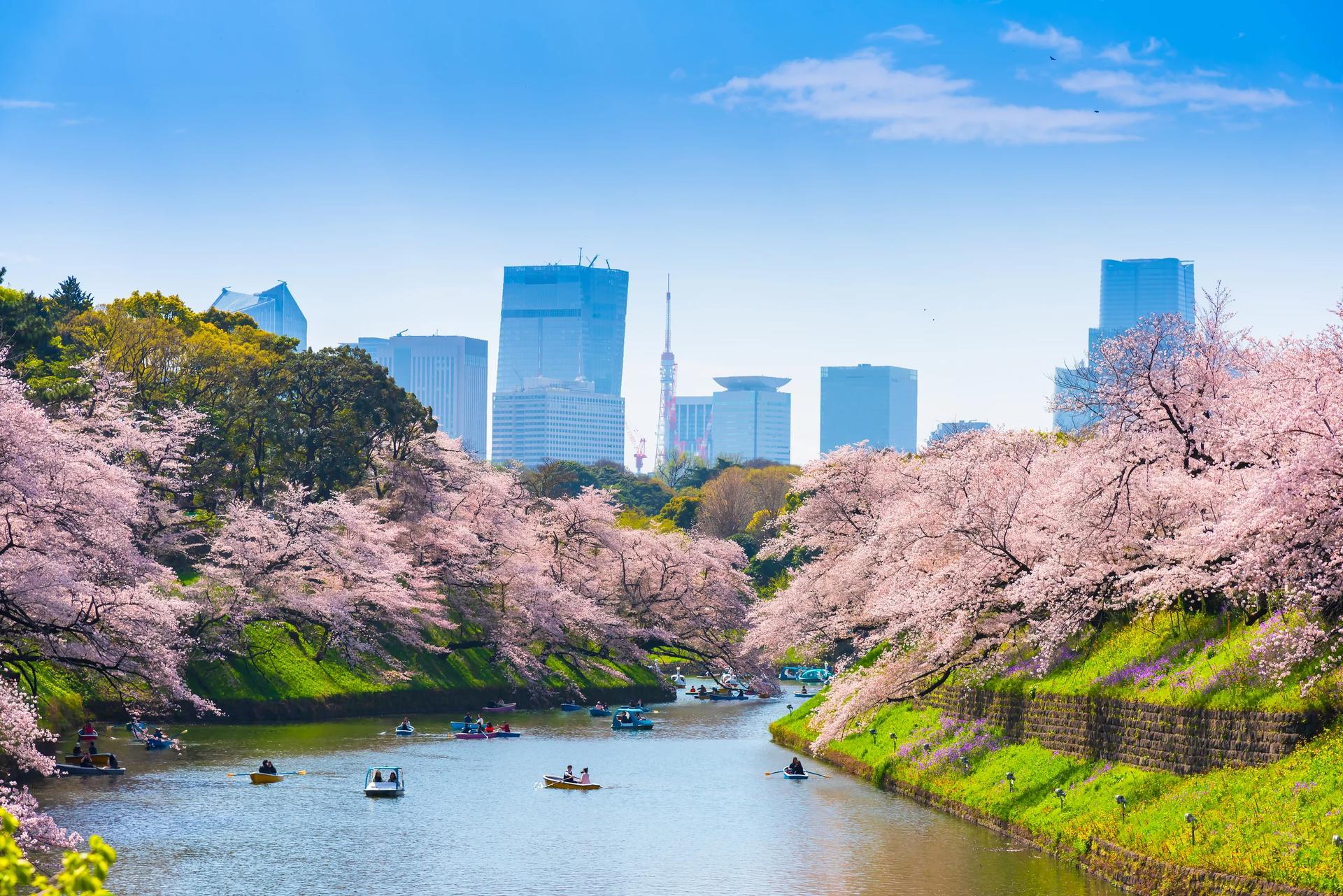
For many travelers, spring is the most magical time to visit Tokyo. As winter fades away, the city begins to bloom with cherry blossoms, known locally as sakura. Parks, riversides, and temple gardens become gathering places where people enjoy picnics beneath the trees in a tradition called hanami, or flower viewing.
The cherry blossoms usually bloom between late March and early April, although the exact timing changes slightly each year depending on the weather. During this short window, Tokyo feels especially vibrant, with seasonal food stalls, outdoor celebrations, and photographers capturing the fleeting beauty of the blossoms.
Spring weather is also very pleasant. Daytime temperatures typically range between 10°C and 20°C, which makes it comfortable for walking around neighborhoods like Shibuya, Asakusa, or Shinjuku.
However, because the cherry blossom season is so famous worldwide, it’s also one of the busiest travel periods. Hotels and flights often fill up quickly, so booking early is highly recommended if you want to experience Tokyo during sakura season.
Here are the best spots to enjoy summer in Tokyo:
- Ueno Park – One of Tokyo’s most iconic cherry blossom viewing spot with over 1,000 cherry trees lining the central pathway.
- Shinjuku Gyoen National Garden – A large, serene garden in Central Tokyo blending traditional Japanese and French styles, perfect for picnics.
- Meguro River – Walk along the riverbanks covered in pink blossoms and enjoy riverside cafés.
- Chidorigafuchi Moat – Rent a rowboat and admire cherry trees reflected in the water for a classic Tokyo experience.
For many travelers, spring is the most magical time to visit Tokyo. As winter fades away, the city begins to bloom with cherry blossoms, known locally as sakura. Parks, riversides, and temple gardens become gathering places where people enjoy picnics beneath the trees in a tradition called hanami, or flower viewing.
The cherry blossoms usually bloom between late March and early April, although the exact timing changes slightly each year depending on the weather. During this short window, Tokyo feels especially vibrant, with seasonal food stalls, outdoor celebrations, and photographers capturing the fleeting beauty of the blossoms.
Spring weather is also very pleasant. Daytime temperatures typically range between 10°C and 20°C, which makes it comfortable for walking around neighborhoods like Shibuya, Asakusa, or Shinjuku.
However, because the cherry blossom season is so famous worldwide, it’s also one of the busiest travel periods. Hotels and flights often fill up quickly, so booking early is highly recommended if you want to experience Tokyo during sakura season.
Here are the best spots to enjoy summer in Tokyo:
- Ueno Park – One of Tokyo’s most iconic cherry blossom viewing spot with over 1,000 cherry trees lining the central pathway.
- Shinjuku Gyoen National Garden – A large, serene garden in Central Tokyo blending traditional Japanese and French styles, perfect for picnics.
- Meguro River – Walk along the riverbanks covered in pink blossoms and enjoy riverside cafés.
- Chidorigafuchi Moat – Rent a rowboat and admire cherry trees reflected in the water for a classic Tokyo experience.
Summer in Tokyo (June – August)
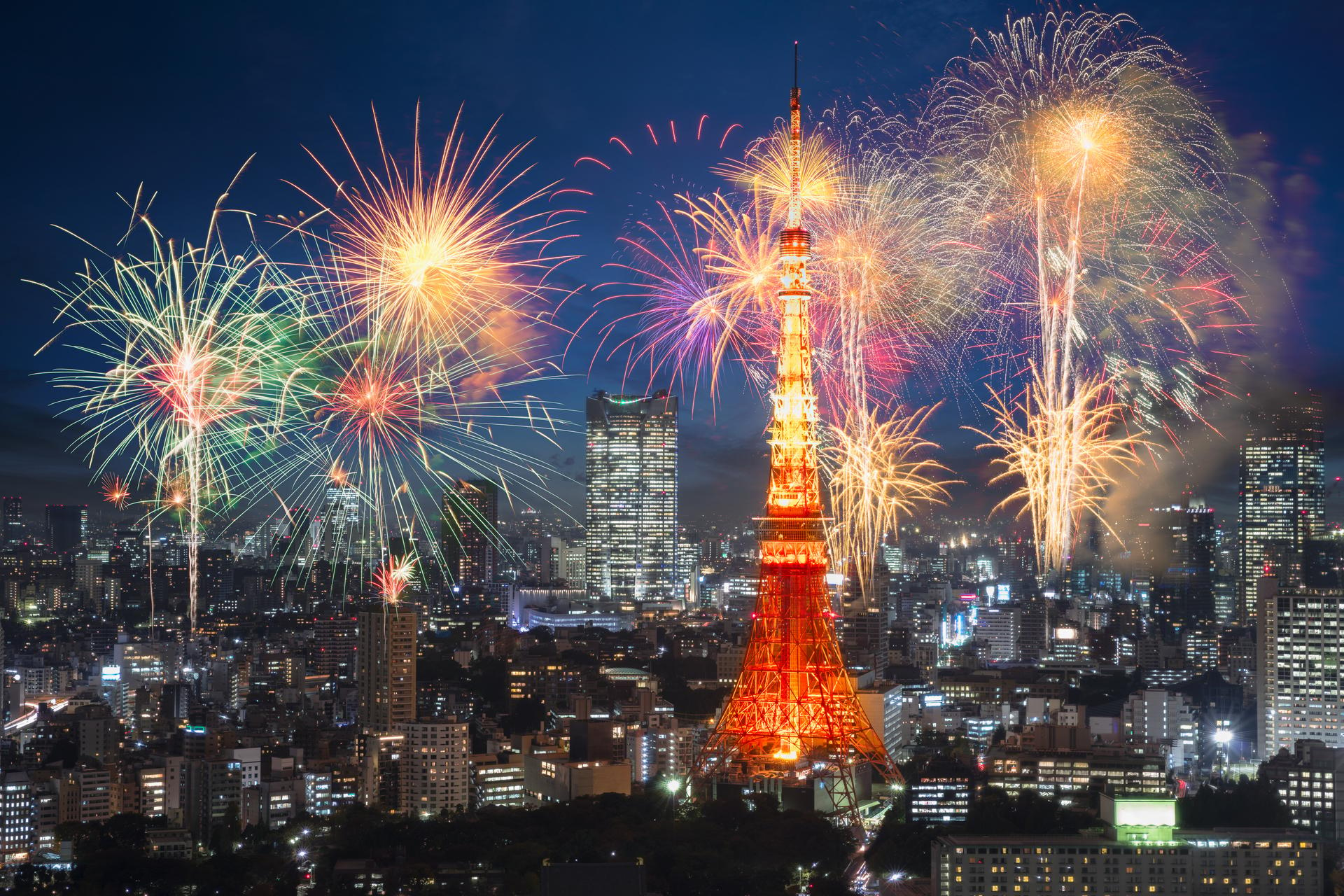
Summer in Tokyo is energetic, colorful, and full of cultural events. While the weather becomes hot and humid, the city also comes alive with traditional festivals, fireworks displays, and lively street celebrations.
Early summer typically begins with the rainy season, which usually lasts from mid-June to mid-July. After the rains pass, July and August bring bright sunshine and higher temperatures, often reaching above 30°C.
Despite the heat, this is one of the best times to experience traditional Japanese festivals known as matsuri. These celebrations often feature street food stalls, music, lantern displays, and fireworks festival lighting up the night sky.
If you plan to visit Tokyo in summer, it’s best to schedule outdoor sightseeing early in the morning or later in the evening, when temperatures are more comfortable. Many travelers also mix indoor attractions—such as museums, shopping districts, and cafés—into their itinerary to escape the midday heat.
Summer is hot, humid, and festival-filled. Recommended places for seasonal experiences:
- Asakusa – Home to the famous Sanja Matsuri in May/June; explore street food, parades, and lively crowds.
- Sumida River – Fireworks displays along the river in July are a must-see summer spectacle.
- Tokyo Disneyland & DisneySea – Summer events, parades, and themed shows make these parks extra magical.
- Odaiba – Perfect for evening walks by the waterfront and indoor attractions to escape midday heat.
Summer in Tokyo is energetic, colorful, and full of cultural events. While the weather becomes hot and humid, the city also comes alive with traditional festivals, fireworks displays, and lively street celebrations.
Early summer typically begins with the rainy season, which usually lasts from mid-June to mid-July. After the rains pass, July and August bring bright sunshine and higher temperatures, often reaching above 30°C.
Despite the heat, this is one of the best times to experience traditional Japanese festivals known as matsuri. These celebrations often feature street food stalls, music, lantern displays, and fireworks festival lighting up the night sky.
If you plan to visit Tokyo in summer, it’s best to schedule outdoor sightseeing early in the morning or later in the evening, when temperatures are more comfortable. Many travelers also mix indoor attractions—such as museums, shopping districts, and cafés—into their itinerary to escape the midday heat.
Summer is hot, humid, and festival-filled. Recommended places for seasonal experiences:
- Asakusa – Home to the famous Sanja Matsuri in May/June; explore street food, parades, and lively crowds.
- Sumida River – Fireworks displays along the river in July are a must-see summer spectacle.
- Tokyo Disneyland & DisneySea – Summer events, parades, and themed shows make these parks extra magical.
- Odaiba – Perfect for evening walks by the waterfront and indoor attractions to escape midday heat.
Autumn in Tokyo (September – November)
Autumn is often considered the second-best season to visit Tokyo, especially for travelers who prefer mild weather and slightly smaller crowds.
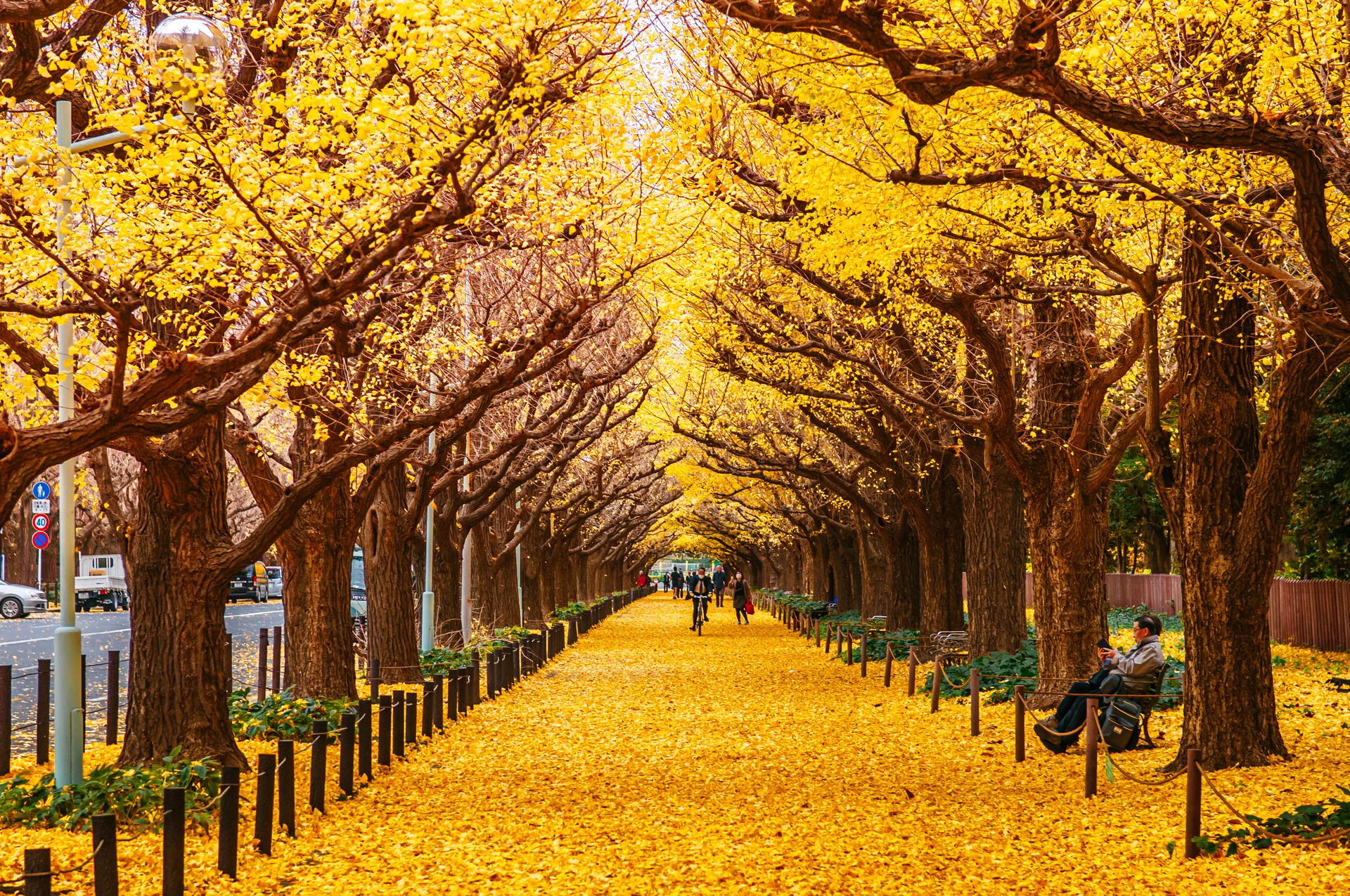
As summer humidity fades, the air becomes cooler and clearer. By November, Tokyo’s parks and gardens begin to transform with brilliant shades of red, orange, and yellow. This seasonal display, known as koyo (autumn foliage), creates stunning scenery across the city.
Tree-lined avenues, historic gardens, and temple grounds become especially picturesque during this time. Many locals also enjoy evening walks and seasonal food festivals celebrating autumn ingredients.
Temperatures during autumn typically range from 15°C to 25°C, making it one of the most comfortable seasons for exploring Tokyo’s neighborhoods on foot.
Autumn is cool, comfortable, and colorful. Best spots for fall foliage:
- Meiji Jingu Gaien – Famous for golden ginkgo tree-lined avenues.
- Rikugien Garden – Traditional Japanese garden with brilliant autumn colors, great for photography.
- Yoyogi Park – Spacious park ideal for walking and enjoying seasonal leaves.
- Koishikawa Korakuen – Classic garden with ponds, bridges, and vibrant red maple trees.
Autumn is often considered the second-best season to visit Tokyo, especially for travelers who prefer mild weather and slightly smaller crowds.
As summer humidity fades, the air becomes cooler and clearer. By November, Tokyo’s parks and gardens begin to transform with brilliant shades of red, orange, and yellow. This seasonal display, known as koyo (autumn foliage), creates stunning scenery across the city.
Tree-lined avenues, historic gardens, and temple grounds become especially picturesque during this time. Many locals also enjoy evening walks and seasonal food festivals celebrating autumn ingredients.
Temperatures during autumn typically range from 15°C to 25°C, making it one of the most comfortable seasons for exploring Tokyo’s neighborhoods on foot.
Autumn is cool, comfortable, and colorful. Best spots for fall foliage:
- Meiji Jingu Gaien – Famous for golden ginkgo tree-lined avenues.
- Rikugien Garden – Traditional Japanese garden with brilliant autumn colors, great for photography.
- Yoyogi Park – Spacious park ideal for walking and enjoying seasonal leaves.
- Koishikawa Korakuen – Classic garden with ponds, bridges, and vibrant red maple trees.
Winter in Tokyo (December – February)
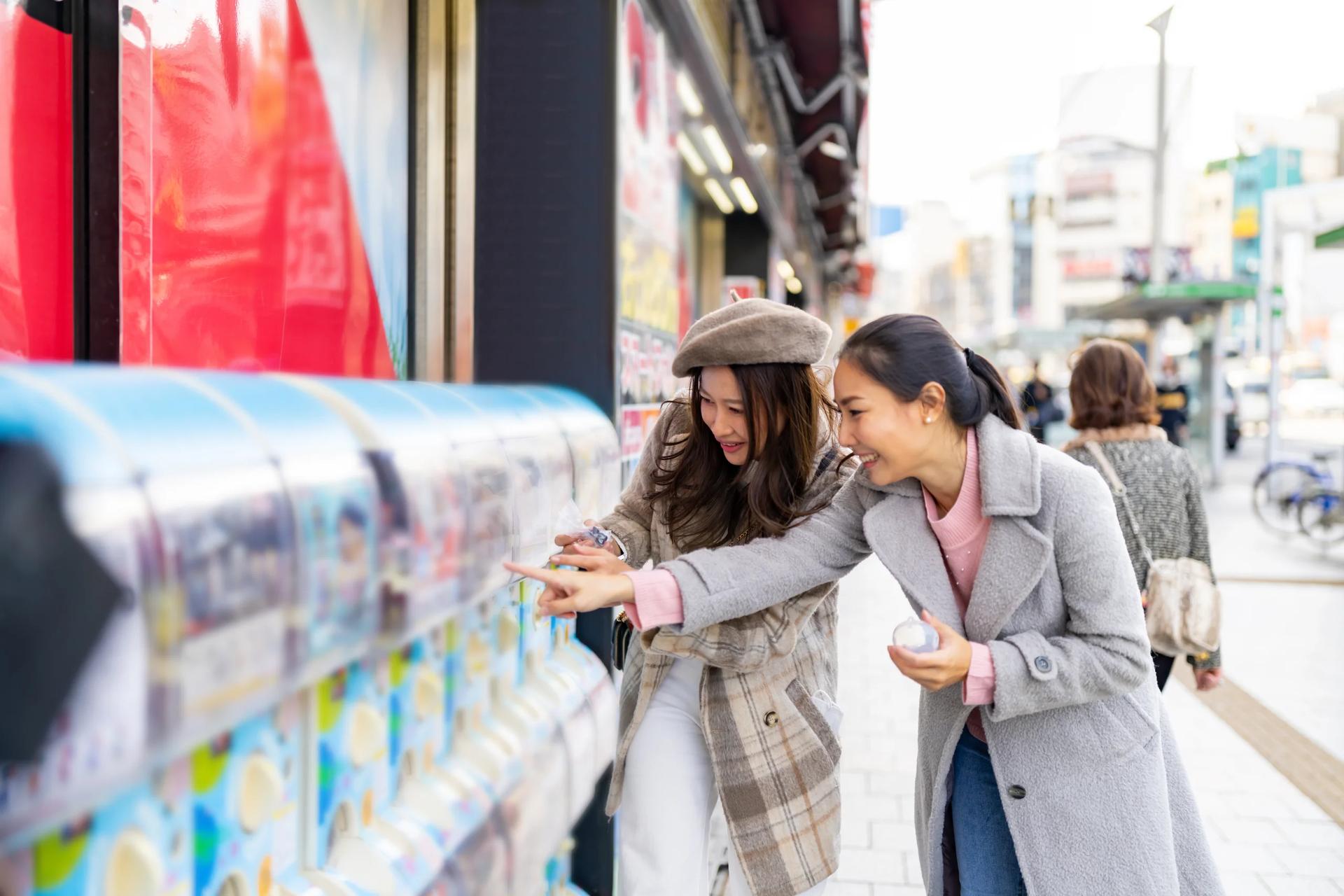
Winter offers a quieter and often underrated way to experience Tokyo. While temperatures are cooler, the city rarely experiences heavy snowfall, and the skies are often bright and clear.
One of the highlights of winter in Tokyo is the spectacular illumination displays that decorate shopping districts, parks, and major streets. Millions of LED lights transform areas like Roppongi and Marunouchi into glowing winter landscapes.
Another advantage of visiting Tokyo during winter is that travel costs tend to be lower compared to peak seasons like spring. Flights and hotel prices are often more affordable in January and February, making it a great option for budget-conscious travelers.
The season also includes Japan’s most important holiday period, when many locals visit temples and shrines to celebrate the New Year with traditional prayers and customs.
Winter is quiet, festive, and budget-friendly. Recommended places to enjoy seasonal charm:
- Roppongi Hills – Famous for extravagant winter illumination displays and holiday lights.
- Tokyo Midtown – Beautiful light displays with art installations and seasonal decorations.
- Marunouchi – Streets adorned with sparkling illuminations, perfect for evening strolls.
- Asakusa & Senso-ji Temple – Experience New Year celebrations (Hatsumode), traditional rituals, and seasonal foods.
Winter offers a quieter and often underrated way to experience Tokyo. While temperatures are cooler, the city rarely experiences heavy snowfall, and the skies are often bright and clear.
One of the highlights of winter in Tokyo is the spectacular illumination displays that decorate shopping districts, parks, and major streets. Millions of LED lights transform areas like Roppongi and Marunouchi into glowing winter landscapes.
Another advantage of visiting Tokyo during winter is that travel costs tend to be lower compared to peak seasons like spring. Flights and hotel prices are often more affordable in January and February, making it a great option for budget-conscious travelers.
The season also includes Japan’s most important holiday period, when many locals visit temples and shrines to celebrate the New Year with traditional prayers and customs.
Winter is quiet, festive, and budget-friendly. Recommended places to enjoy seasonal charm:
- Roppongi Hills – Famous for extravagant winter illumination displays and holiday lights.
- Tokyo Midtown – Beautiful light displays with art installations and seasonal decorations.
- Marunouchi – Streets adorned with sparkling illuminations, perfect for evening strolls.
- Asakusa & Senso-ji Temple – Experience New Year celebrations (Hatsumode), traditional rituals, and seasonal foods.
Travel Tips for Visiting Tokyo
No matter when you visit, a little planning can make your Tokyo trip smoother and more enjoyable.
Try to book your flights and accommodation early if you plan to travel during cherry blossom season, as this is Tokyo’s busiest time of year. Comfortable walking shoes are also essential, since many of the city’s best attractions are explored on foot.
Tokyo’s public transportation system is extremely efficient, so using trains and subways is usually the fastest way to move between neighborhoods. It’s also helpful to check seasonal events and festivals in advance, as they can add unique experiences to your trip.
No matter when you visit, a little planning can make your Tokyo trip smoother and more enjoyable.
Try to book your flights and accommodation early if you plan to travel during cherry blossom season, as this is Tokyo’s busiest time of year. Comfortable walking shoes are also essential, since many of the city’s best attractions are explored on foot.
Tokyo’s public transportation system is extremely efficient, so using trains and subways is usually the fastest way to move between neighborhoods. It’s also helpful to check seasonal events and festivals in advance, as they can add unique experiences to your trip.
Ready to Experience Tokyo, Japan at Its Best? Plan Your Trip Now!
Tokyo is waiting for you—whether you want to stroll beneath cherry blossoms in spring, capture the fiery autumn leaves, or enjoy festive winter illuminations. Don’t miss the perfect season to see the city at its most beautiful.
Start planning your trip today: book your flights, secure your hotel, and mark your calendar for the season that inspires you the most only in AirAsia MOVE Every season has a story, and Tokyo is ready to share it with you.
Tokyo is waiting for you—whether you want to stroll beneath cherry blossoms in spring, capture the fiery autumn leaves, or enjoy festive winter illuminations. Don’t miss the perfect season to see the city at its most beautiful.
Start planning your trip today: book your flights, secure your hotel, and mark your calendar for the season that inspires you the most only in AirAsia MOVE Every season has a story, and Tokyo is ready to share it with you.

Indira L
10 March 2026
FAQ: Best Time to Visit Tokyo
The best months are late March to early April for cherry blossoms and October to November for autumn foliage and comfortable weather.
Cherry blossom season typically occurs from late March to early April, depending on weather conditions each year.
The autumn leaves usually reach their peak from mid-November to early December, painting the city in red, orange, and gold.
The winter months (January to February) are generally the quietest, with fewer tourists and more affordable accommodations.
July and August are the hottest months, often exceeding 30°C, with high humidity. It’s also when Tokyo hosts many lively summer festivals.
Tokyo’s rainy season, called tsuyu, usually occurs from mid-June to mid-July, with frequent showers and high humidity.
The most budget-friendly months are January and February, after the New Year rush, when flights and hotels are cheaper.