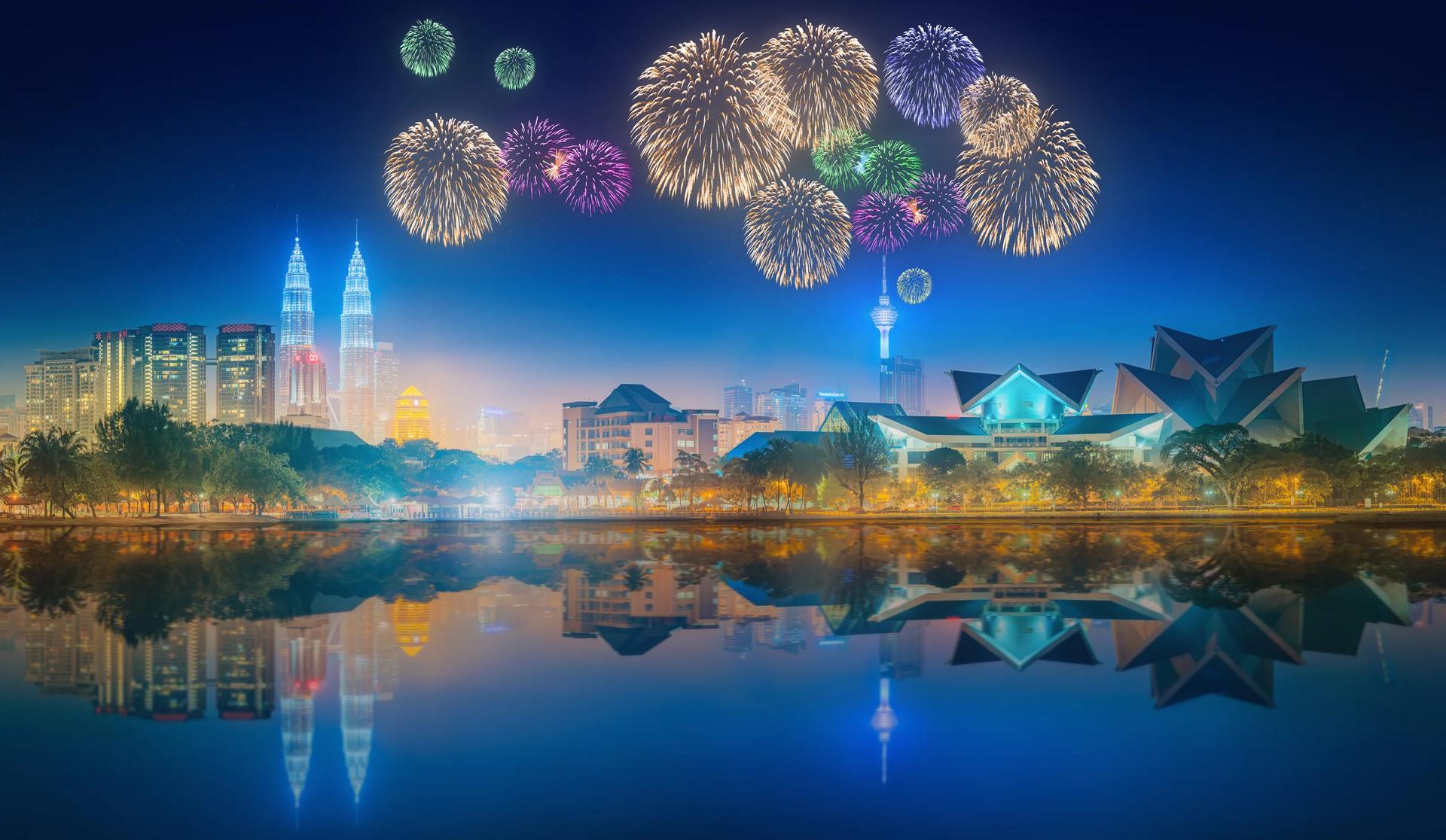
10 Best Festivals in Malaysia You Can’t Miss (2026 Guide)
If you’re planning a trip to Malaysia and not timing it with a festival, you’re doing it wrong (respectfully).
This country does not just celebrate, it celebrates hard. Malaysia has festivals all year round, thanks to its rich mix of Malay, Chinese, Indian, and indigenous cultures. Think busy streets, great food, cultural shows, and the kind of energy you will want to take home.
In this friendly guide, we break down the 10 best festivals in Malaysia. You will learn when to visit and how to plan your trip. We also cover when to book flights and hotels before prices rise.
A Guide to Malaysia's Vibrant Cultural Festivals
Malaysia pulses with celebration throughout the year, and honestly, that's one of the best reasons to visit. Malaysia, a Southeast Asian country, boasts a unique festival calendar due to its rich cultural tapestry.
Malaysia has many cultures mixed together, including Malay, Chinese, Indian, and different native groups. Everyone adds to the country with their special customs.
Picture yourself watching thousands of devotees carry kavadi at Batu Caves. Try mooncakes under paper lanterns. Or dance with Dayak warriors in traditional longhouses.
Every festival in Malaysia offers a glimpse into its people’s spirit. Visitors receive a warm welcome, which makes these moments truly special.
The beauty lies in the diversity. You might arrive during Hari Raya and find yourself invited into a stranger's home for lemang and rendang. A week later, you could be watching lion dancers weave through Georgetown's heritage streets. This isn't manufactured tourism: these are living traditions that locals are proud to share.
Whether you're drawn to spiritual ceremonies, harvest celebrations, or contemporary arts festivals, Malaysia delivers. The key is knowing when and where to be. Let’s explore ten unforgettable festivals you can enjoy here. You’ll also find practical tips to help you plan your trip.
Major Religious and Spiritual Celebrations
Malaysia's religious festivals showcase the country's commitment to multicultural harmony. These celebrations aren't confined to temples or mosques: they spill into streets, shopping centres, and homes across the nation.
Hari Raya Aidilfitri: The Spirit of Forgiveness
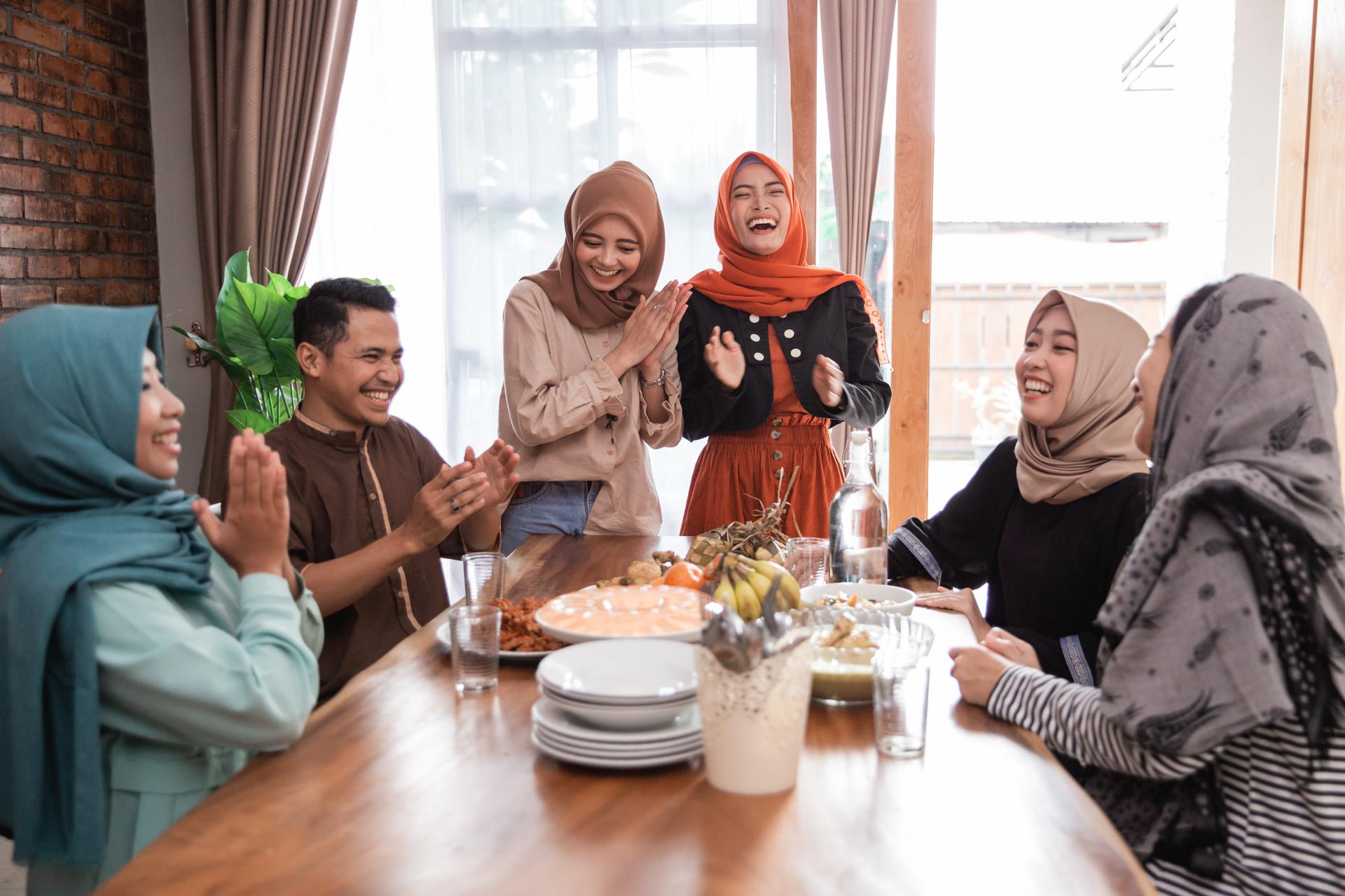
Hari Raya marks the end of Ramadan and represents the most significant celebration for Malaysia's Muslim majority. The festival centres on forgiveness, family reunions, and gratitude.
For a whole month before, you will see the country slowly change. Lights appear on buildings, markets fill with festive treats, and the air buzzes with excitement.
What makes this festival special for visitors? Open houses. Malaysian families traditionally welcome guests of all backgrounds into their homes during Hari Raya.
You'll be offered ketupat (rice cakes), rendang, and an array of colourful kuih. The atmosphere is incredibly welcoming, and visitors don't require a formal invitation; many community open houses gladly greet tourists.
Deepavali Festival in Malaysia: The Triumph of Light
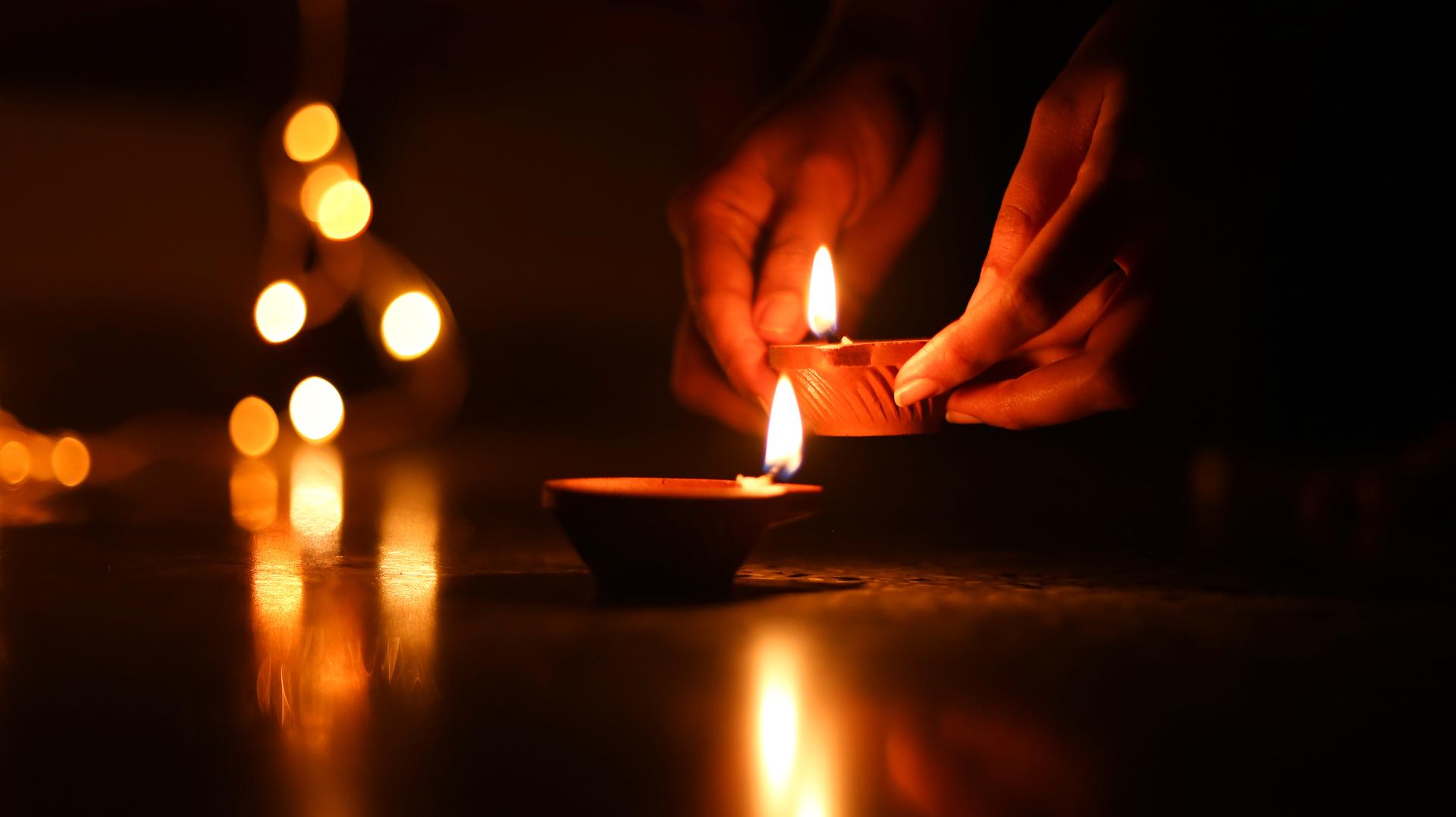
Deepavali is the festival of light. In Malaysia, they transform Little India neighbourhoods into seas of light and colour. Celebrated by the Hindu community, this festival marks the victory of good over evil. It is symbolised by thousands of oil lamps called diyas.
Brickfields in Kuala Lumpur becomes the epicentre of celebrations. Streets are decorated with kolam (intricate rice flour patterns). Shops stay open late, selling traditional sweets.
The air fills with the scent of jasmine and incense. Arrive a few days early to witness the preparation: it's almost as magical as the festival itself.
Thaipusam: A Devotional Spectacle at Batu Caves
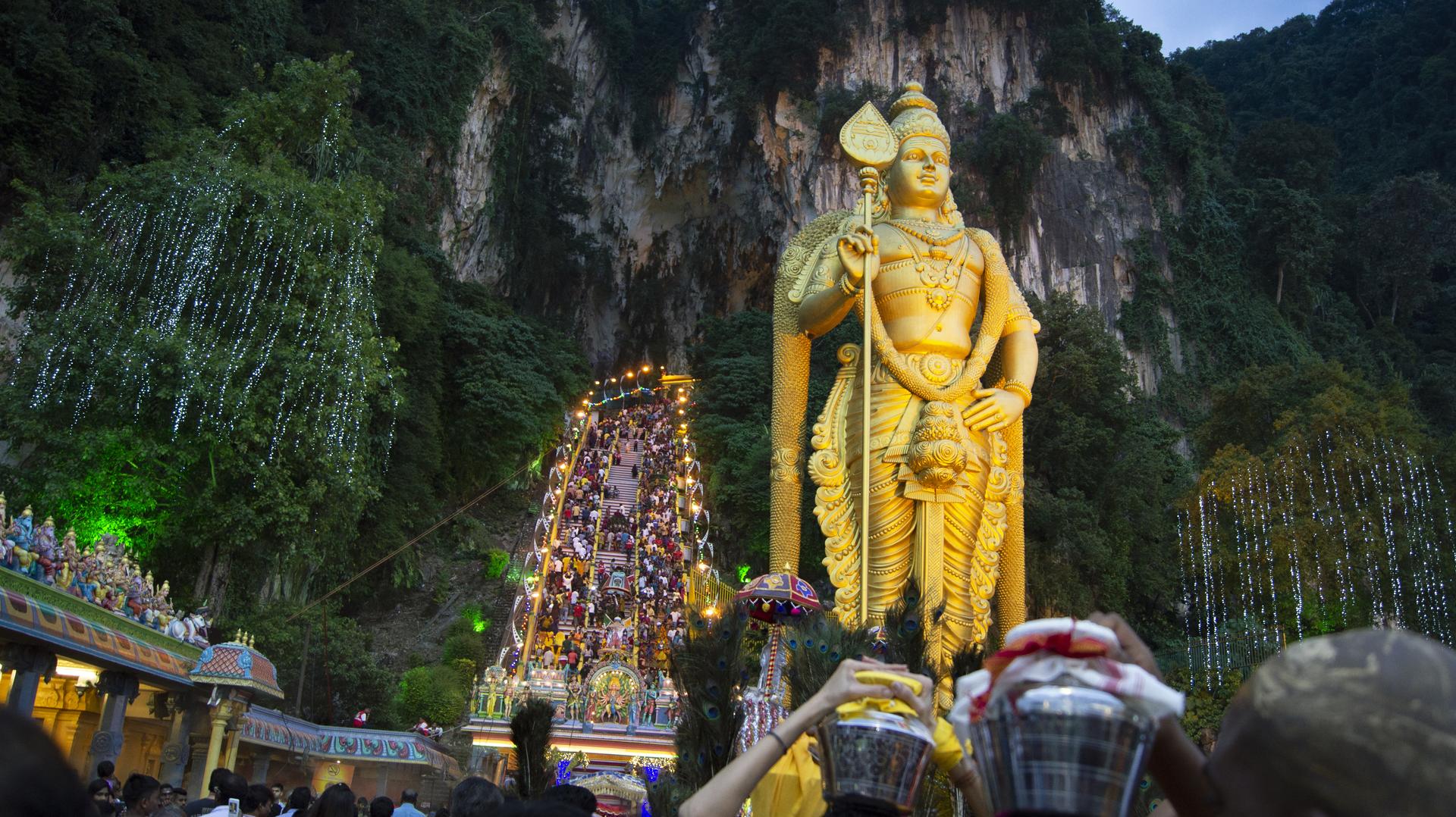
Nothing quite prepares you for Thaipusam. This Hindu festival of penance draws over a million devotees and spectators to Batu Caves, just outside Kuala Lumpur.
Devotees carry elaborate kavadis, decorated frames attached to the body with hooks and skewers. They carry them up 272 steps to the temple cave.
The atmosphere is intense, devotional, and surprisingly welcoming. Families camp along the roadside where the procession passes, and volunteers offer food and drinks to everyone. The sound of drums continues throughout the night. If you are visiting in January or February, this is unmissable.
This festival is best experienced in key cities such as Kuala Lumpur and Penang. Book your flights and hotels early.
Wesak Day: Honouring the Life of Buddha
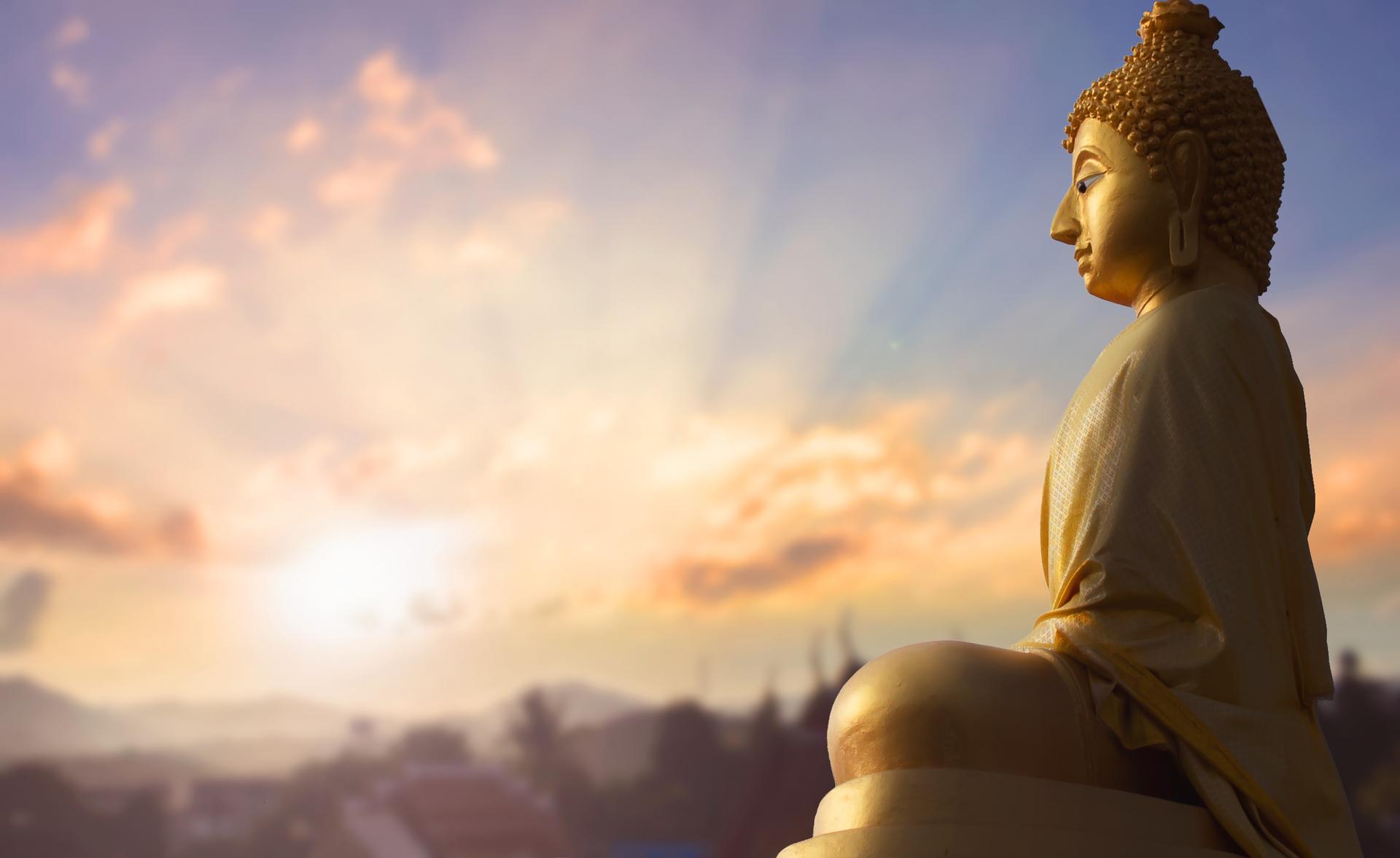
Wesak commemorates Buddha's birth, enlightenment, and passing. Buddhist temples across Malaysia host candlelit processions, and the atmosphere is one of peaceful reflection.
The celebrations at Maha Vihara Temple in Brickfields and Kek Lok Si in Penang are very beautiful. Thousands of lanterns light up the night sky.
Traditional Chinese Festivities and Lunar Customs
The Chinese community makes up about a quarter of Malaysia’s population. It brings vibrant traditions that have grown in unique ways in Malaysia.
Chinese New Year: Welcoming the Lunar Cycle
Chinese New Year transforms Malaysia for a full fifteen days. The sound of firecrackers fills Chinese neighbourhoods. Red decorations are everywhere, and lion dancers visit businesses hoping for good luck.
Georgetown and Melaka offer particularly atmospheric celebrations, with their heritage shophouses providing a stunning backdrop.
Don’t miss the lou sang tradition. Groups gather around tables to toss yee sang, a prosperity salad. They shout auspicious phrases as they toss it. It is chaotic, joyful, and delicious.
Mid-Autumn Festival in Malaysia: Mooncakes and Family

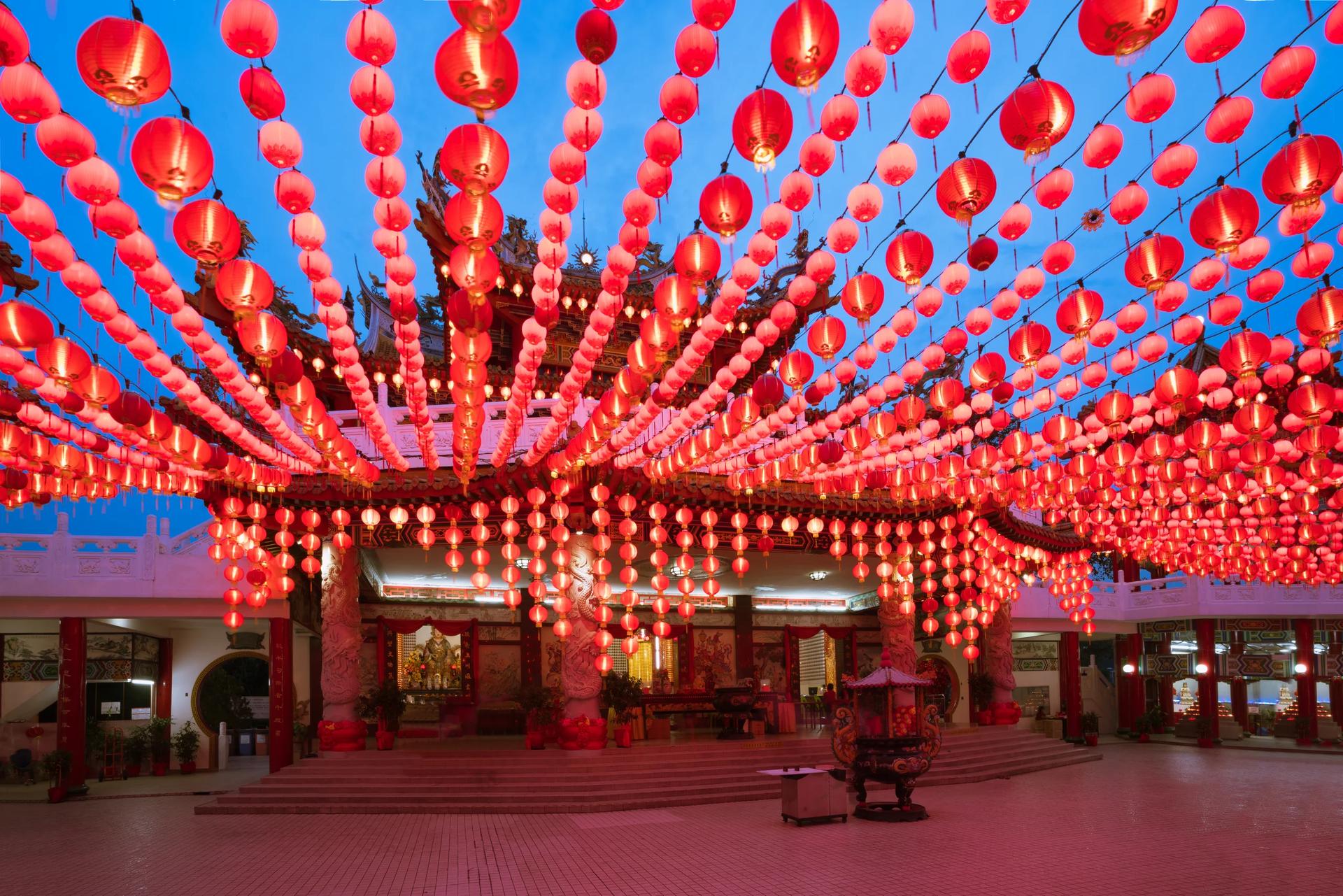
The Mid-Autumn Festival in Malaysia coincides with the harvest moon, typically falling in September or October. Families gather to admire the full moon, share mooncakes, and light paper lanterns. Children parade through neighbourhoods carrying lanterns of every shape imaginable: rabbits, fish, dragons, and increasingly, cartoon characters.
Thean Hou Temple in Kuala Lumpur has an amazing celebration. Thousands of lanterns light up the night sky, making it very bright and beautiful.
Lantern Festival in Malaysia: Illuminating the Night Sky
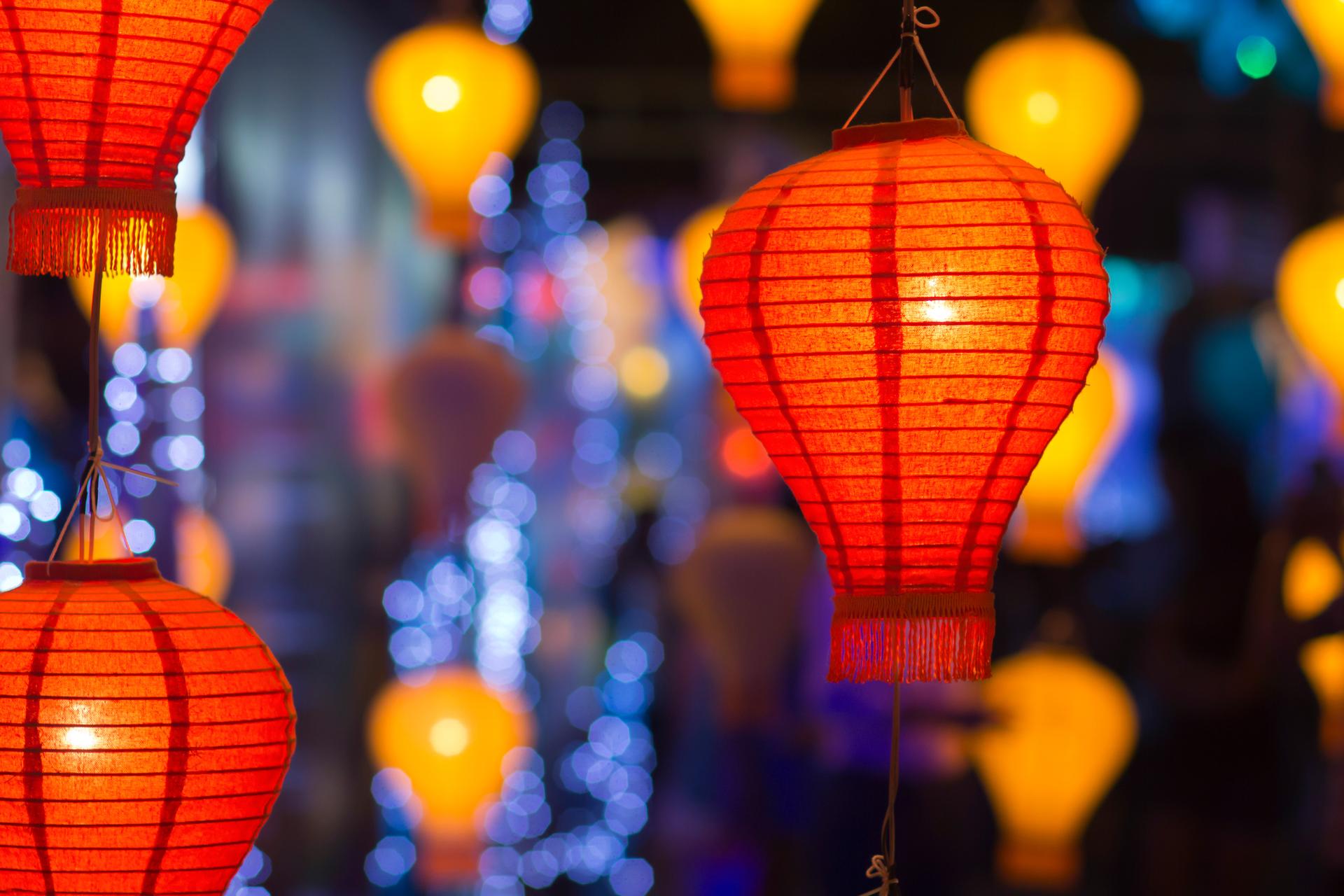
The lantern festival in Malaysia marks the final day of Chinese New Year celebrations. In some places, there is a nice old custom: young people write riddles on lanterns for others to try and answer.
The festival carries romantic connotations too, as it was historically an opportunity for young people to meet potential partners.
Indigenous Harvest Festivals of East Malaysia
The festivals in Sabah and Sarawak are special. They have ancient farming traditions that are older than any other Malaysian celebration.
Pesta Kaamatan: The Kadazan-Dusun Harvest Rite
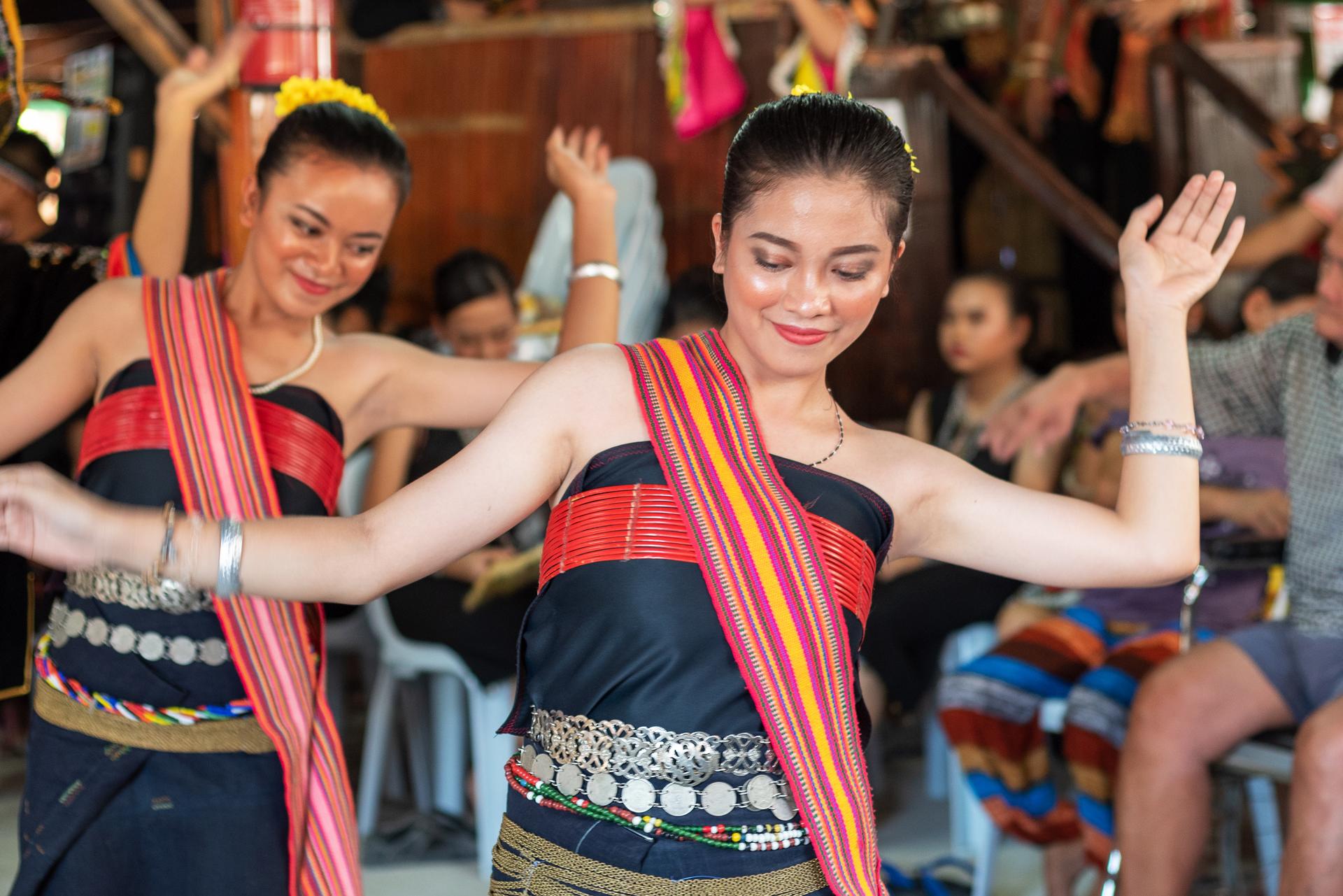
Pesta Kaamatan celebrates the rice harvest and honours Bambaazon, the rice spirit. The festival is held in Sabah every May and culminates in the crowning of the Unduk Ngadau (Harvest Queen). Traditional ceremonies, led by priestesses known as bobohizan, are an important part of the celebration.
At the KDCA celebrations in Penampang, visitors can watch traditional dances, try tapai (a local rice wine), and take part in classic traditional games. It offers an authentic cultural experience beyond typical tourist circuits. Book your Sabah flight ticket to experience one of the best festivals in Malaysia.
Hari Gawai: Celebrating Dayak Heritage in Sarawak
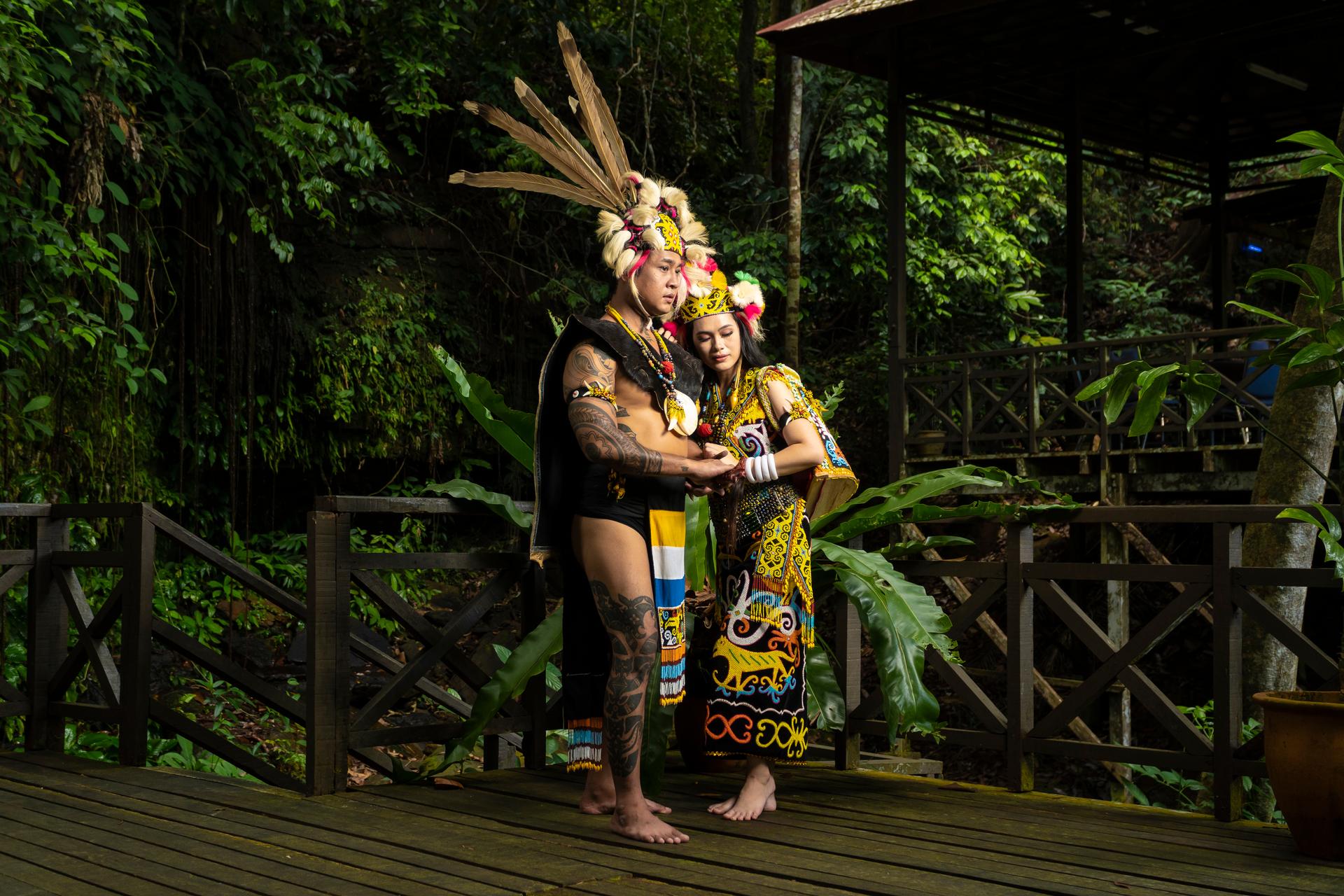
Hari Gawai, celebrated on 1st June, marks the end of the rice harvest for Sarawak's Dayak communities. You can visit Longhouse communities and enjoy their tuak (rice wine) and traditional meals.
This is a great opportunity to listen to their stories and see their dances, which helps keep their old traditions alive. Visiting a longhouse during Gawai is genuinely special. Visitors are invited to the longhouse communities. There, they can enjoy local foods and tuak (rice wine).
Guests will also hear old stories. They will see traditional dances that people have shared for many years.
Modern and Regional Cultural Events
Beyond traditional celebrations, Malaysia hosts contemporary festivals that attract international audiences while showcasing local talent.
Rainforest World Music Festival
Held annually in Sarawak's Cultural Village, this three-day festival brings together musicians from across the globe. The setting is extraordinary: performances take place against a backdrop of traditional longhouses and lush rainforest. Daytime workshops let you learn traditional instruments, while evening concerts blend indigenous sounds with international genres.
Book your flight to Sarawak and get accommodation early: this festival sells out months in advance, and nearby hotels fill quickly.
George Town Festival: An Artistic Showcase
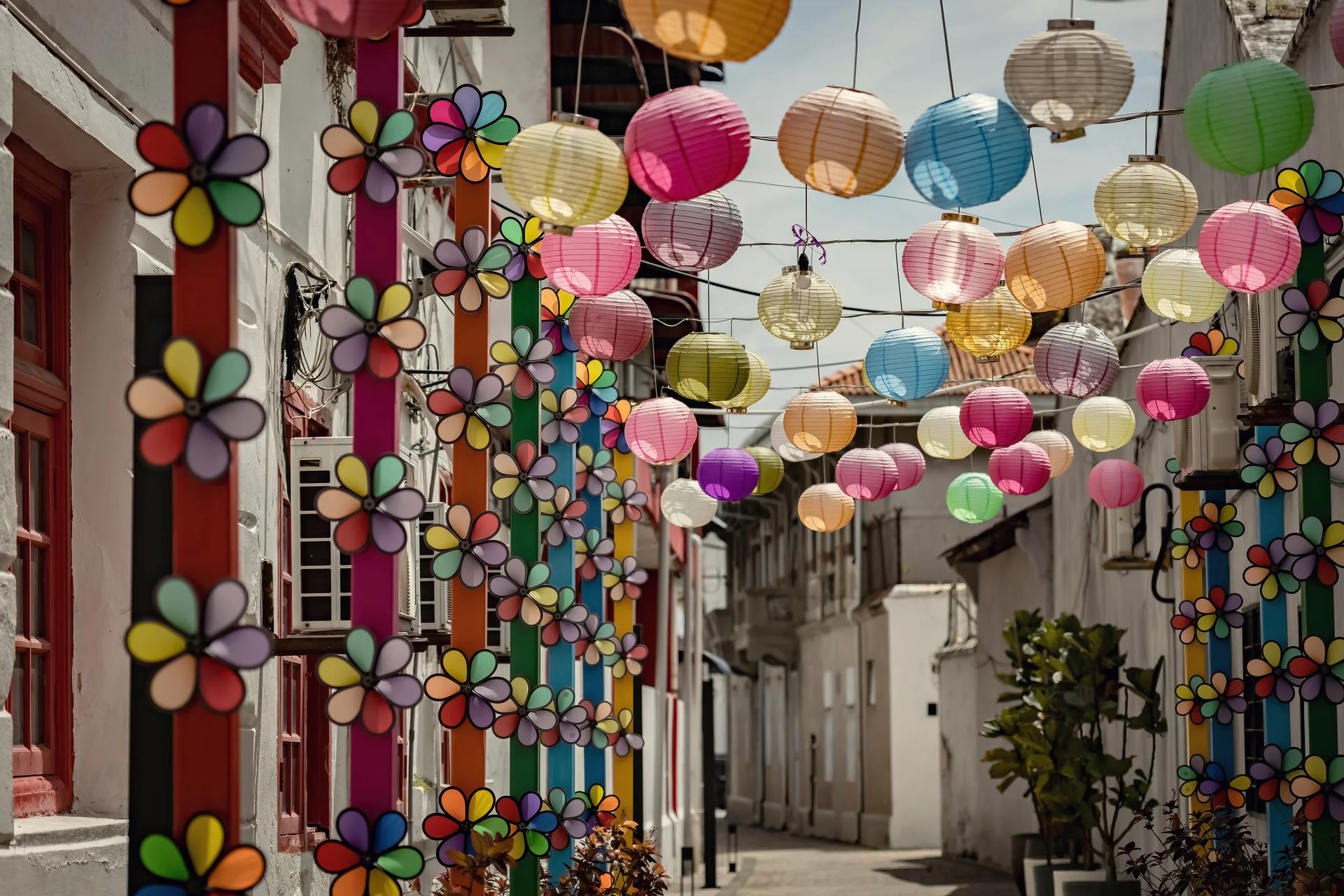
Georgetown's annual arts festival transforms Penang's UNESCO-listed heritage zone into an open-air gallery. Expect street performances, art installations, theatre, and music across the historic city.
The festival typically runs in August, coinciding with pleasant weather and manageable crowds. Explore this local festival by yourself and book a flight to Penang now!
Explore Malaysia’s Best Festivals!
Malaysia is one of Asia’s most colourful and diverse destinations. Its vibrant atmosphere comes from long-standing traditions and a rich mix of cultures. As a result, celebrations take place throughout the year, guided by both religious dates and the lunar calendar.
Across the year, travellers can experience important festivals in Malaysia such as Hari Raya Aidilfitri, Chinese New Year, Deepavali, Thaipusam, as well as harvest festivals like Kaamatan and Gawai Dayak. These events reflect Malaysia’s multicultural identity and make it one of the most exciting destinations for festival tourism.
Seasonal events such as Independence Day (National Day), along with various arts festivals and religious celebrations, add even more variety to the country’s travel calendar.
For travellers, timing matters. Festival periods are peak travel seasons, so it is best to book your flights to Malaysia and hotels in Malaysia early. This helps you secure better prices and availability. Whether you are flying to Kuala Lumpur, Penang, Sabah, or Sarawak, each destination offers a unique festival experience.
Practical Tips for Visiting a Cultural Festival in Malaysia
Planning your trip around a festival in Malaysia takes a bit of preparation, but it is absolutely worth it.
1. Book flights and hotels early
Transport and accommodation fill up quickly during major festivals like Chinese New Year and Hari Raya Aidilfitri. Aim to book at least two months in advance to secure better prices and availability.
2. Set price alerts for better deals
Flight prices can increase quickly during peak seasons. Use travel apps to track prices and book when you see a good deal.
3. Dress respectfully at religious events
When visiting temples or cultural sites, cover your shoulders and knees. Remove your shoes before entering sacred spaces. Respecting local customs goes a long way.
4. Arrive a few days early
Visiting just before the festival lets you enjoy lower prices and fewer crowds. You also get to see preparations, which can be just as interesting as the main event.
5. Travel during shoulder periods
The days before and after festivals often offer better value for flights and hotels, while still giving you a festive atmosphere.
6. Say yes to local invitations
Malaysians are incredibly welcoming, especially during festivals. Accepting offers of food or hospitality can lead to meaningful and memorable experiences.
These genuine connections are what make experiencing a cultural festival in Malaysia so unforgettable. Book your flight to Malaysia now!
Frequently Asked Questions About Festivals in Malaysia

Phaksornkan T.
25 March 2026