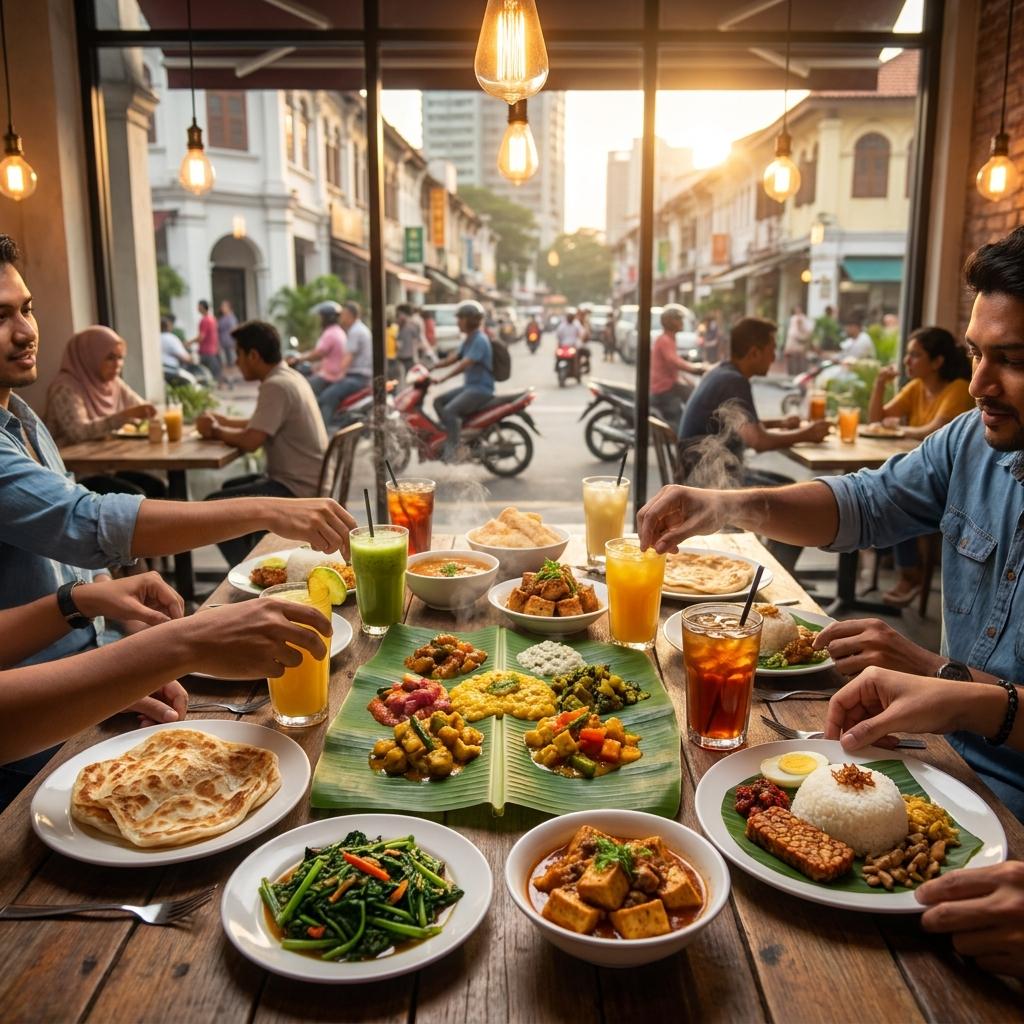
Where to eat vegetarian in Kuala Lumpur
Discover the best vegetarian food in Kuala Lumpur with neighborhood guides, cuisine tips, and practical advice.
The moment you exit the airport, Kuala Lumpur greets you with an electric mix of sights and sounds: incense smoke curling through morning markets, rainbow-hued spices piled high, and locals tucking into lush, aromatic plates. Vegetarian food in Kuala Lumpur is far from an afterthought—it is woven into the city's daily life. From vivid banter at Little India's banana leaf houses to quiet, incense-filled Chinese Buddhist canteens, the city invites you to break away from the assumption that plant-based eating means compromise. Instead, you will find centuries of flavor-forward traditions right in the heart of the city.
Why KL is a quietly brilliant city for vegetarians
Kuala Lumpur stands out as a genuinely brilliant destination for plant-based travelers, thanks to its unique blend of cultures rooted in everyday life. Rather than following fleeting wellness fads, the city's food landscape is shaped by deep, interwoven influences from Hindu, Buddhist, and Jain communities. A long history of Indian, Chinese, and Malay heritage also plays a defining role. For locals, vegetarian food in Kuala Lumpur is nothing new: it is an everyday practice expressed at mosques, temples, and family tables all over the city. Furthermore, authentic meat-free options appear everywhere, from bustling hawker stalls to sleek city cafés. In KL, eating vegetarian is not about compromise or exclusion—it is part of what makes the city's food scene endlessly colorful and inviting.
The neighborhoods where vegetarians eat best
Kuala Lumpur is a city of contrasts, and nowhere is this more apparent than in the distinct character of its neighborhoods. Each area offers its own atmosphere—some lively and bustling, others sleek, creative, or historic. From festive music echoing along brightly painted streets to serene Buddhist side alleys, discovering these districts is as much about soaking in the mood as it is about finding vegetarian food in Kuala Lumpur. Moreover, these neighborhoods offer plant-based choices that are not just abundant but genuinely part of the very rhythm of the community.
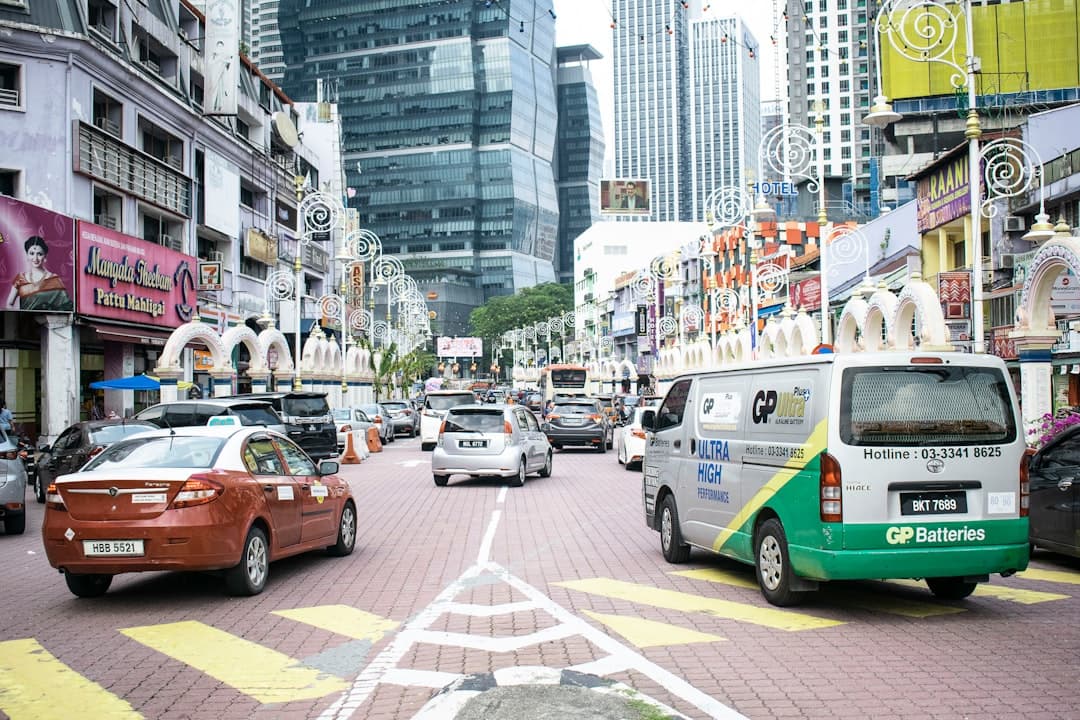
Brickfields Little India street in Kuala Lumpur, a top neighborhood for vegetarian food. Photo by The Simple Travel.
Brickfields (Little India)
Brickfields envelopes you in a sensory rush even before your first meal. There is the steady pulse of Tamil pop, vivid temple architecture, and color-rich shopfronts. The neighborhood is always awake, with the air holding wafts of incense, bright garlands, and ground spices from open storefront kitchens. It is also a hub for strong South Indian identity, where sharing food on banana leaves at busy local institutions forms a daily communal ritual. Additionally, the tradition here is as much in the endless hospitality as it is in any single dish.
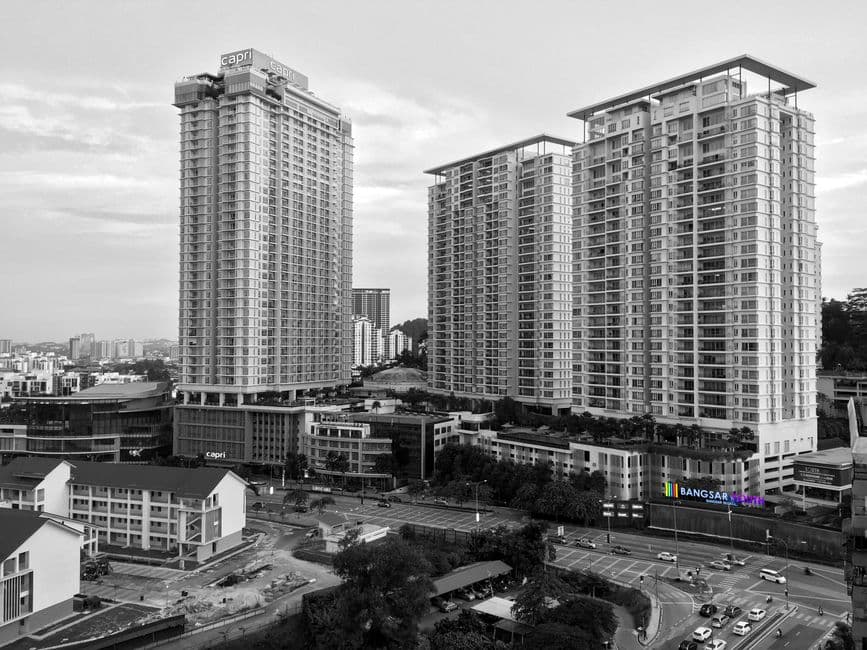
Bangsar neighborhood in Kuala Lumpur, known for modern plant-based vegetarian restaurants. Photo by Karthikeyan Perumal.
Bangsar and Bangsar South
Bangsar is KL's epicenter of modern cool—bright, minimalist interiors give way to thriving plant-based eateries, creative studios, and boutique shops. Expect a younger crowd, energizing music, and thoughtfully designed spaces where people linger for hours. Notably, the air here carries scents of espresso, tropical fruit, and fresh pastry, offering an escape from the city's heat and bustle outside. As a result, it is the ideal spot for those who love contemporary urban vibes and the little luxury of time for brunch.
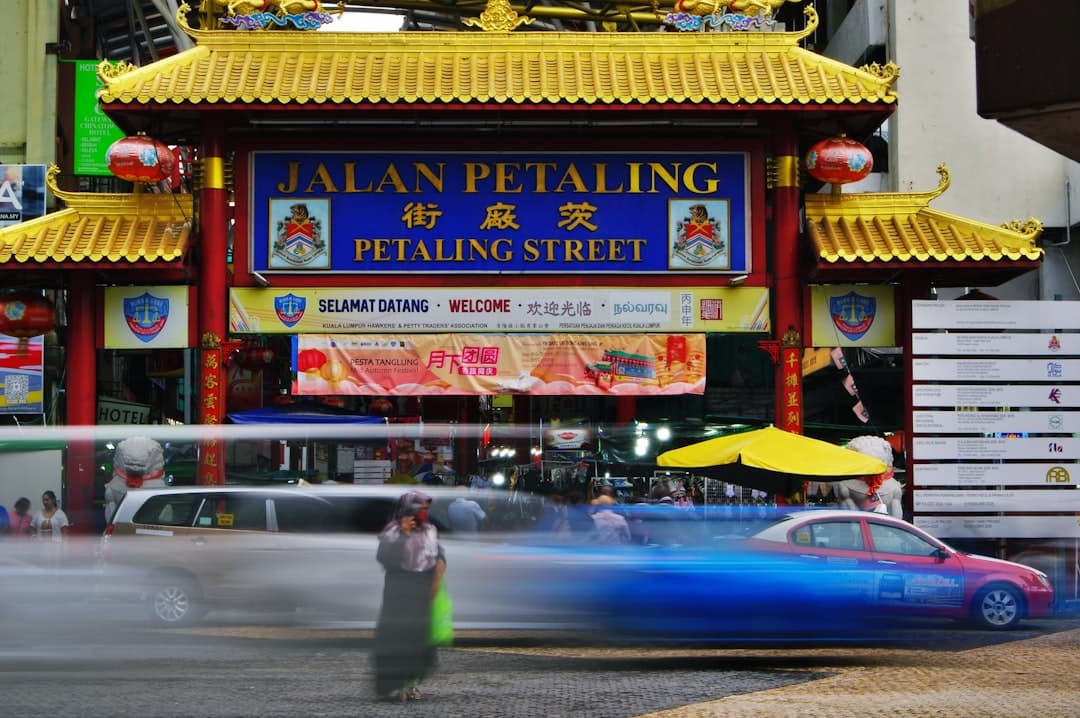
Jalan Petaling street in Kuala Lumpur Chinatown, home to Buddhist vegetarian canteens. Photo by Chris DUNN.
Petaling Street and Chinatown
Chinatown draws you in with its layers of history, bustling pavement stalls, and smoky red lanterns swaying above the crowd. Louder outdoor markets spill seamlessly into narrow lanes lined with Buddhist temples and tucked-away canteens. Behind unmarked doors or simple neon signs, you find community-run spots for vegetarian food in Kuala Lumpur that feel timeless—unhurried, affordable, and warmly communal. Consequently, this neighborhood hums with the rituals of daily life rather than the flash of tourist crowds.

Bukit Bintang at night in Kuala Lumpur, a convenient area to find vegetarian food. Photo by aidil maula.
Bukit Bintang
Bukit Bintang is KL's commercial heart—towers of glass and miles of shopping, alive with neon lights and endless sidewalk energy. Malls offer a cool retreat from the tropical heat, doubling as social hubs where travelers browse and gather. Convenience and comfort define this area, and you will always find plant-based options just an escalator ride away. Quick, reliable, and international, this district blends fast-paced city life with straightforward accessibility for anyone seeking vegetarian food in Kuala Lumpur.
The cuisines worth building your trip around
Vegetarian food in Kuala Lumpur is built on the bedrock of ancient culinary traditions, each with distinct cooking philosophies and historical context. Rather than simply offering meatless versions of popular dishes, the city's most compelling cuisines were shaped by migration, religious practice, and resourcefulness. The major culinary lineages—South Indian, Chinese Buddhist, and Malay/Nyonya—have each developed their own philosophy around spice, ingredient use, and preparation. Consequently, you encounter entirely different approaches to plant-based cooking by walking just a block or two. This diversity is what sets KL apart, making every meal a deep dive into both history and technique.
Indian vegetarian: banana leaf rice, thali, dosa, and chaat
Indian vegetarian cuisine in KL is defined by ancient ritual and regional complexity. South Indian banana leaf traditions stem from ceremonial temple offerings and emphasize hospitality through endless refills and vibrant vegetable accompaniments. Dosas and thalis, with their carefully balanced components, express centuries of refinement and adaptation to local produce. Moreover, Jain and pure vegetarian practices persist strongly here, meaning the city's Indian kitchens are skilled at customizing without onion, garlic, or root vegetables. As a result, the communal, hands-on experience is not just about flavor—it is about sustaining cultural belonging.
Chinese Buddhist vegetarian and mock meat
Chinese Buddhist vegetarian food—'zhai' cuisine—grew up alongside monastic life, defined by strict avoidance of animal products and pungent alliums. The culinary artistry developed here uses wheat gluten, soy, and mushrooms to simulate meat and create layered, umami-rich flavors. Dishes like mock char siu and vegetarian bak kut teh demonstrate not just substitution but genuine innovation. Furthermore, these meals reflect centuries-old temple cooking and a devotion to balance and harmony. Notably, they celebrate restraint and the transformation of humble ingredients into something wholly satisfying.
Malay and Nyonya vegetarian adaptations
Vegetarian adaptations in Malay and Nyonya traditions speak to both creativity and cultural flexibility. While classic Malay cooking features seafood and fermented shrimp, resourceful cooks have developed vibrant plant-based versions of iconic dishes for both religious and practical reasons. The use of coconut, home-ground spice pastes, and locally grown greens allows for deeply-layered sambals, rendangs, and rice dishes—without sacrificing textural complexity. Moreover, these adaptations often rely on fresh market produce and highlight the ingenuity of home cooks. As a result, meatless Nasi Lemak or tempeh-filled stews retain the full-bodied flavors of their origins.
Vegetarian restaurants in Kuala Lumpur (2026)
Kuala Lumpur has a thriving vegetarian food scene, ranging from traditional Indian banana leaf meals to modern plant-based cafés and Chinese vegetarian restaurants. Whether you're a vegetarian, vegan, or simply looking for meat-free options, these restaurants are among the best places to eat in the city.
| Restaurant | Area | Cuisine | Price | Best For |
|---|---|---|---|---|
| The Ganga Cafe | Bangsar | North Indian Vegetarian | $$ | Authentic Indian curries, naan, and thali |
| Simple Life Healthy Vegetarian Restaurant | Mid Valley & multiple locations | Asian Vegetarian | $$ | Healthy Malaysian and Asian favourites |
| Nature's Vegetarian Restaurant | Bukit Bintang | Chinese Vegetarian | $ | Budget-friendly mock meat and noodle dishes |
| RGB Coffee at The Bean Hive | Jalan Damai | Vegetarian Café | $$ | Brunch, coffee, and vegan-friendly meals |
| Annalakshmi | Brickfields | South Indian Vegetarian | $$ | Traditional vegetarian buffet and Indian cuisine |
| Sala | Bukit Bintang | Vegan Mexican | $$ | Burritos, tacos, and plant-based bowls |
| The Hungry Tapir | Chinatown | Vegan Fusion | $$ | Creative Asian-Western vegan dishes |
| Minf Houze Vegan Cafe | Bukit Jalil | Vegan Café | $$ | Plant-based comfort food and desserts |
| Loving Hut | Multiple locations | Vegan | $ | Affordable Asian vegan dishes |
| Veggielicious | Happy Garden | Chinese Vegetarian | $ | Local vegetarian favourites at budget prices |
Practical tips for eating vegetarian in KL
Learn the key phrases
Say 'sayur sahaja' (vegetables only) or 'tanpa daging' (without meat).
When ordering at hawker stalls, be clear if you also want to exclude eggs or seafood. Watch out for belacan (shrimp paste), ikan bilis (anchovies), and oyster sauce — all of which can sneak into vegetable dishes without warning.
Look for dedicated vegetarian spots
Look for green signage or Buddhist association logos in Chinatown.
Use the HappyCow app to find reliable spots in any neighborhood. Shopping malls almost always host at least one guaranteed vegetarian restaurant, making them the best bet if you want air-conditioning and reliable labeling.
Use safe fallbacks
Hotel breakfast buffets and curated food courts like Lot 10 Hutong always offer safe choices.
Modern mall food courts such as Lot 10 Hutong and Publika have clearer menu labeling and entirely plant-based stalls. If in doubt, these are your most reliable options for a worry-free meal.
FAQs about vegetarian dining in Kuala Lumpur
At an air-conditioned mid-range café you will typically pay between RM25 and RM45 for vibrant smoothie bowls and creative plant-based plates. Upscale plant-based restaurants are generally RM50 or more, but still very affordable by international standards.
To play it safe, always hunt for dedicated vegetarian stalls with bright green signage. For a less stressful experience, modern mall food courts like Lot 10 Hutong and Publika have clearer menu labeling and entirely plant-based stalls.

Chayanit P.
4 September 2025