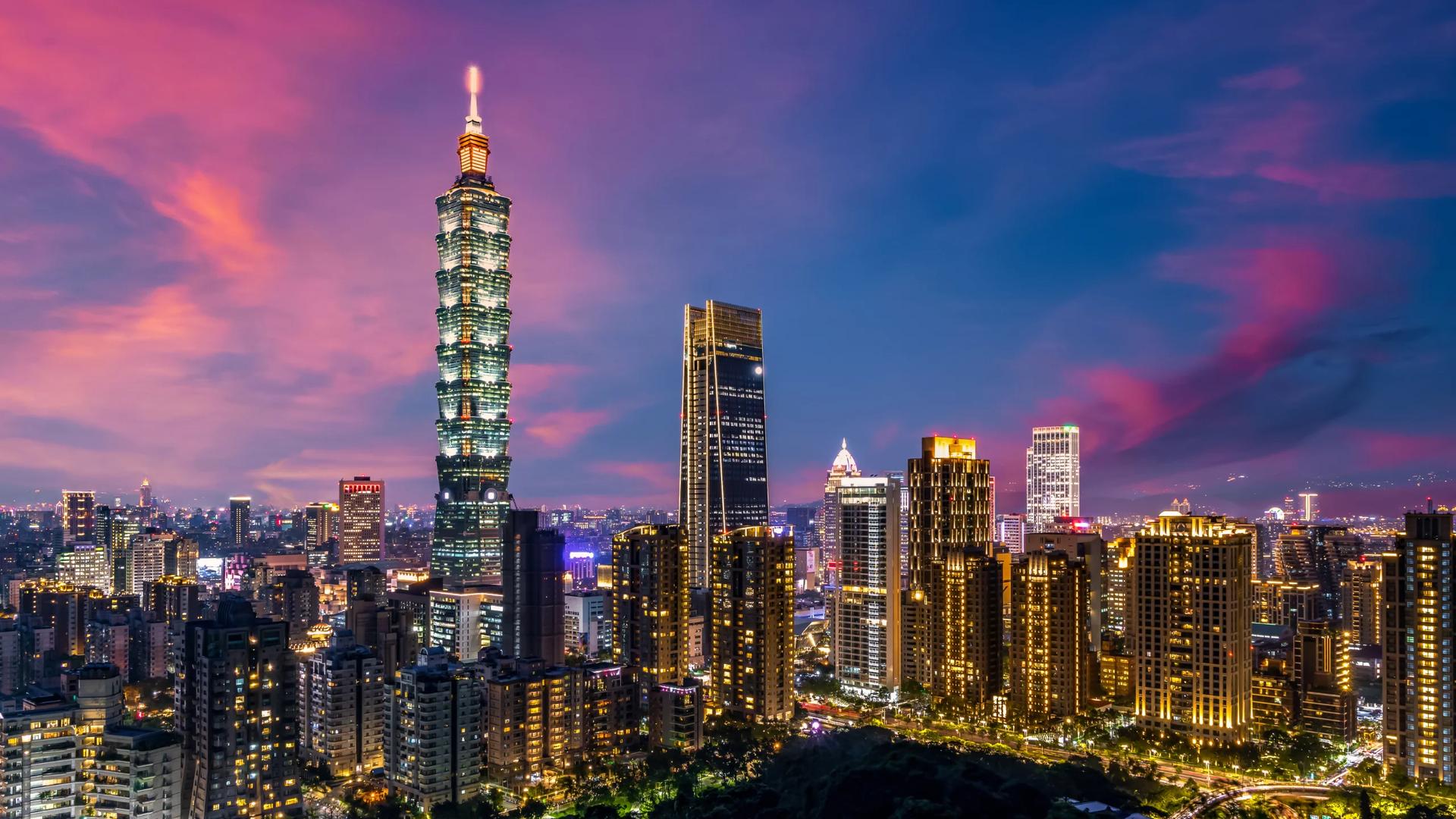
Taipei 5-Day Itinerary: Where to Go, What to See and Eat
A Taipei 5-day itinerary gives you enough time to experience the city's famous temples, night markets, museums, hot springs, mountain views, and food scene without rushing from one attraction to the next. This itinerary balances major sights with local neighbourhoods, memorable meals, and free time, so you can explore Taipei at a comfortable pace.
Whether this is your first visit or you are returning for a deeper look at the city, use this Taipei travel itinerary as a flexible framework. You can follow the route day by day, swap activities around rainy weather, or spend more time on the experiences that interest you most.
Is 5 Days Enough for Taipei?
Yes, five days is enough for a well-rounded Taipei trip. It gives you time to see the city's major attractions, explore historic neighbourhoods, try its famous food and night markets, and add experiences such as Beitou hot springs or Maokong without rushing through every day.
For a first visit, five days works well because Taipei's attractions can be grouped by neighbourhood and connected easily by MRT. Rather than trying to fill every hour, this itinerary focuses on one or two main areas each day, leaving time for local restaurants, cafés, shopping, and spontaneous discoveries.
A balanced five-day trip could include:
- Day 1: Historic Taipei, Longshan Temple and Ximending
- Day 2: Museums and northern Taipei
- Day 3: Taipei 101 and Xinyi
- Day 4: Beitou hot springs and riverside Taipei
- Day 5: Maokong, tea culture and Dadaocheng
If you have less than five days, you can combine some of these areas and focus on Taipei's highlights. If you have more time, consider adding a day trip to places such as Jiufen, Shifen, or Yangmingshan.
Before You Start: Transport, Timing and Pacing
Taipei is easy to explore independently, especially with its efficient MRT network, but a little planning can make your 5-day Taipei itinerary much smoother. Get an EasyCard early, keep some cash for smaller food stalls and markets, and leave enough space between major attractions for meals, breaks, and unexpected discoveries.
Here are a few things to keep in mind before you start:
- Check opening days and hours. Museums, temples, and cultural attractions may have weekly closing days or seasonal changes. Check official listings before heading out, particularly when an attraction is the main reason for visiting an area.
- Mix indoor and outdoor activities. Taipei's weather can change quickly, so avoid filling an entire day with outdoor plans. Pair museums, shopping, or cafés with parks, temples, markets, or neighbourhood walks.
- Plan one main night market each evening. Taipei has several famous night markets, but trying to visit multiple ones in a single night can make the experience feel rushed. Choose one and give yourself time to explore, eat, and browse.
- Time viewpoints around the light. Taipei 101, Elephant Mountain, and Maokong are particularly rewarding around sunset, but these popular spots can become crowded. Arrive early if you want a better viewing position, or visit outside the peak sunset period.
- Give day trips enough time. Beitou, Tamsui, Jiufen, and Maokong are easy additions to a Taipei trip, but avoid squeezing several into the same day. Choose based on the experience you want rather than trying to tick off as many places as possible.
- Group attractions by area. Taipei is compact, but crossing the city repeatedly wastes time. The itinerary below groups nearby attractions together so you can spend more time exploring and less time commuting.
Day 1: Old Taipei, temples, Ximending, and a night market
Start your Taipei 5-day itinerary in Wanhua, one of the city's oldest districts. It is an easy introduction to Taipei's mix of temples, traditional markets, heritage streets, local food, and modern city life.
Morning: Lungshan Temple and Wanhua
Begin at Lungshan Temple, one of Taipei's best-known places of worship. The temple brings together Buddhist, Taoist, and Confucian traditions, with ornate halls, roof decorations, stone guardians, and intricate details throughout.
Morning is a good time to visit if you prefer a quieter atmosphere. Take your time to look around, but remember that this is an active place of worship rather than simply a tourist attraction. Keep your voice low, dress respectfully, and avoid getting in the way if a ceremony is taking place.
After visiting the temple, wander through the surrounding streets of Wanhua. Look for traditional food stalls, herbal shops, old storefronts, and small local businesses that give the neighbourhood its character.
Afternoon: Ximending
After lunch, head to Ximending, Taipei's lively pedestrian shopping and entertainment district. The atmosphere is a sharp contrast to Wanhua, with street performers, bubble tea shops, cosmetics stores, sneakers, cafés, claw machines, and plenty of people-watching.
There is no need to follow a strict route here. Browse the shops, stop for a drink, and explore the side streets at your own pace. Ximending is particularly useful on the first day because you can easily shorten or extend your visit depending on your energy level.
Lunch: Try a classic Taipei comfort food
Keep lunch casual rather than spending too much time at a sit-down restaurant. This is a good opportunity to try local staples such as braised pork rice, beef noodle soup, gua bao, or a simple Taiwanese bento.
Evening: Night market dinner
End your first day with a Taipei night market. If you want to stay close to your route, explore Huaxi Street Night Market or Guangzhou Street Night Market in Wanhua. For a more classic night-market experience, take the MRT to Raohe Street Night Market.
Rather than trying to visit several markets in one evening, choose one and treat it as your dinner destination. Graze on a few dishes, share portions if you're travelling with others, and leave
Day 2: National Palace Museum, Shilin, and northern Taipei
Day 2 takes you beyond Taipei's busy shopping districts and into its art, history, and museum scene. The National Palace Museum is the main attraction, followed by an easier afternoon around Shilin and a night-market dinner.
Morning: National Palace Museum
Give the National Palace Museum your freshest hours. Its collection spans Chinese art and historical objects, including ceramics, calligraphy, paintings, and imperial treasures associated with China's former imperial collections.
Allow around 2–3 hours for a focused visit. You do not need to see every gallery; choose the collections that interest you most and take breaks between exhibitions.
Because museums can have weekly closing days or changing exhibition schedules, check the official visitor information before visiting and plan this day accordingly.
Afternoon: Explore at an easier pace
This is intentionally a lighter part of the itinerary. After several hours in a museum, give yourself time to rest before the evening.
You can browse Shilin, return to your hotel for a break, or add another nearby attraction depending on your interests and energy.
Lunch: Shilin
After the museum, head toward Shilin for lunch. Keep the afternoon flexible rather than adding too many major attractions.
If you want more culture, consider visiting the Shung Ye Museum of Formosan Aborigines, which is located near the National Palace Museum. Otherwise, use this time for a relaxed meal, café stop, or some neighbourhood exploring.
Evening: Shilin Night Market
Return to Shilin in the evening for one of Taipei's most famous night-market experiences. Rather than treating it as a conventional dinner, make your way through the market and sample several small dishes.
For a larger, more varied night market, Shilin is the better choice. If you prefer something smaller and more food-focused, consider Ningxia Night Market instead.
Day 3: Chiang Kai-shek Memorial Hall, Yongkang Street, and Taipei 101
Day 3 brings together three very different sides of Taipei: modern history at Chiang Kai-shek Memorial Hall, food and neighbourhood culture around Yongkang Street, and the skyline of Taipei 101 and Xinyi.
Morning: Chiang Kai-shek Memorial Hall
Start at Chiang Kai-shek Memorial Hall, one of Taipei's most recognisable landmarks. The white memorial building, blue roof, expansive Liberty Square, and surrounding gardens make this one of the city's most impressive architectural spaces.
Do not rush straight to the memorial building. Walk across Liberty Square and take in the National Theater and National Concert Hall framing the plaza.
The site is also connected to Taiwan's complex modern political history, so it is worth seeing it as more than just a photogenic landmark.
Afternoon: Taipei 101 and Xinyi
Head east toward Taipei 101 and Xinyi in the afternoon.
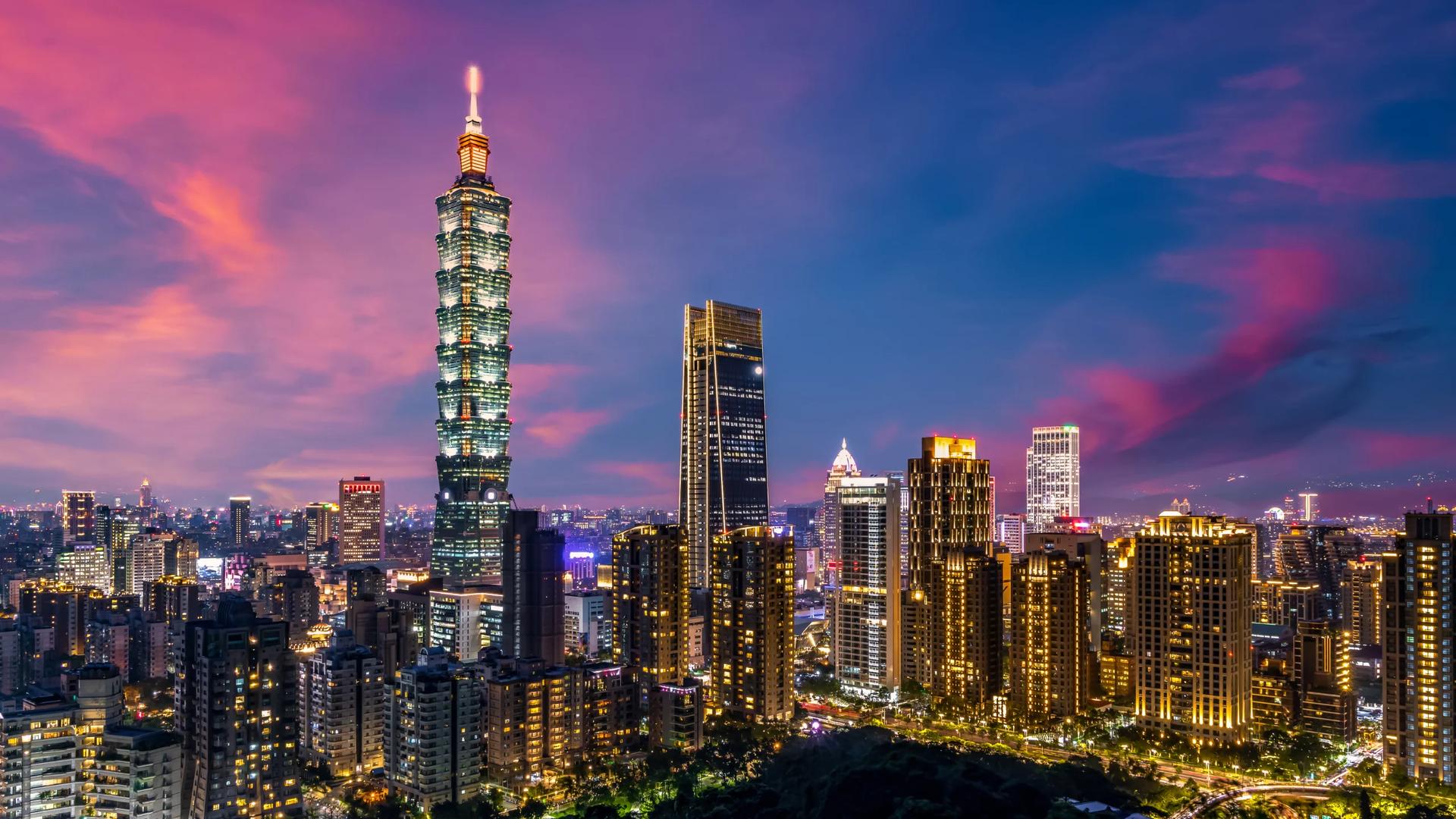
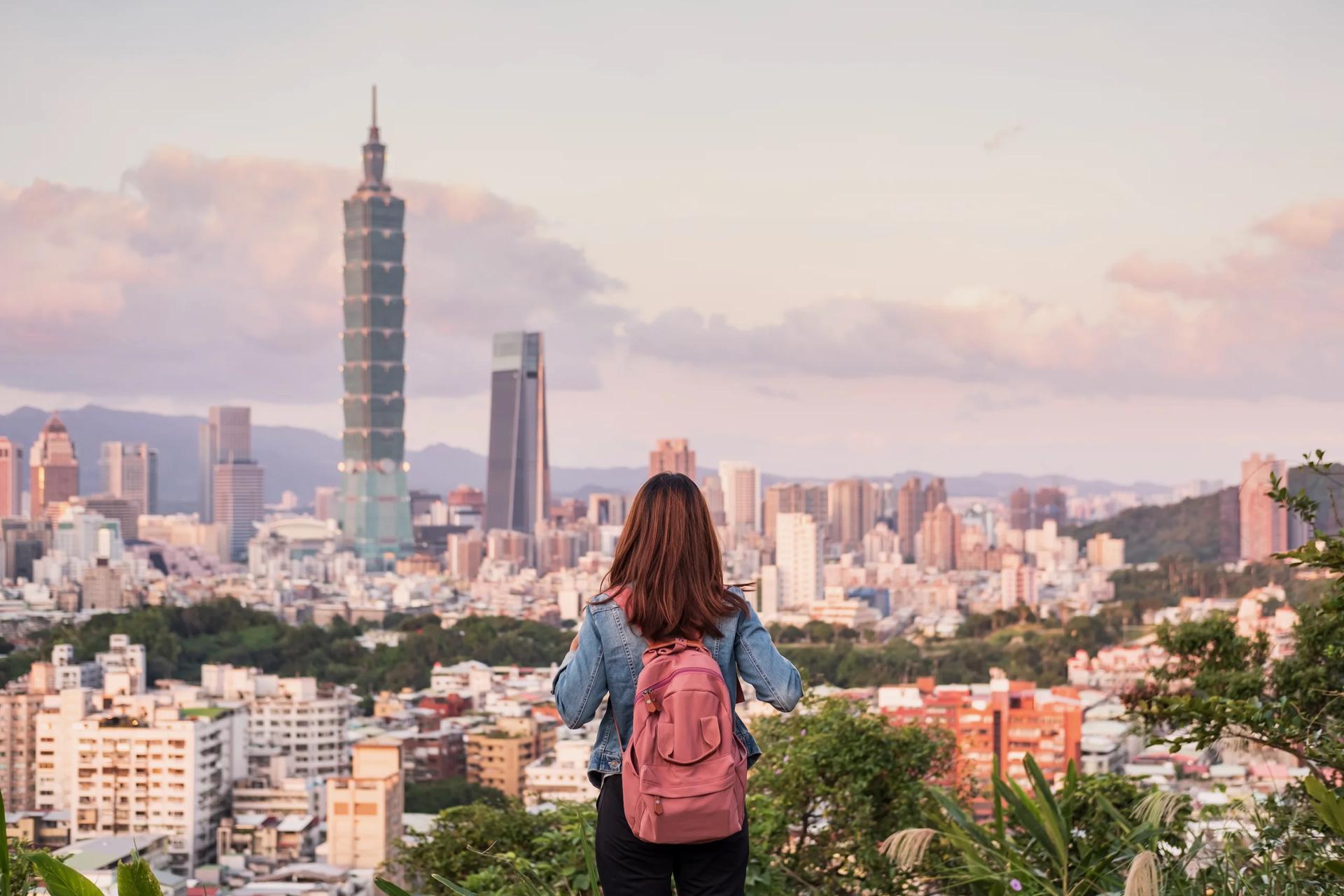
For the classic skyline experience, visit the Taipei 101 Observatory. If you would rather get a free outdoor view of the city, hike Elephant Mountain instead. The trail involves a steep climb, but the viewpoint gives you one of Taipei's most recognisable views of the skyline and Taipei 101.
For the best light, consider timing either option around late afternoon or sunset. Just keep in mind that popular viewpoints can be busy during peak sunset hours.
Lunch: Yongkang Street
From the memorial hall, continue to Yongkang Street for lunch. The neighbourhood is known for Taiwanese food, tea, cafés, dessert shops, and independent stores, making it a natural place to slow down after a busy morning.
This is a good area to try local favourites while leaving time to browse the surrounding lanes. Dongmen Station also makes Yongkang Street convenient to reach and continue from by MRT.
Evening: Explore Xinyi
Finish the day in Xinyi with dinner, shopping, cafés, or drinks. The district's modern plazas and illuminated skyline provide a completely different atmosphere from the historic areas you explored earlier in the trip.
This makes Day 3 one of the most varied routes in the itinerary: history → food → skyline → modern Taipei.
Day 4: Beitou hot springs and a slower northern escape
After three busy urban days, slow the pace with a day in Beitou, Taipei's famous hot spring district. The area is easy to reach by MRT via Xinbeitou Station and combines hot spring culture, Japanese-era heritage, parks, and geothermal scenery.
Morning: Beitou's hot spring heritage
Start at the Beitou Hot Spring Museum, housed in a former public bath dating from the Japanese colonial period. Its Tudor-style architecture, brick-and-wood façade, and black-tile roof offer a glimpse into Beitou's history as a hot spring destination.
From there, walk through Beitou Park toward the Beitou Public Library and Thermal Valley. The latter is one of the sources of Beitou's hot spring water, with sulfuric steam rising from extremely hot water. Stay within designated viewing areas and do not attempt to enter the water.
Optional late afternoon: Tamsui
If you still have energy, continue north to Tamsui for a riverside evening. The historic waterfront area is ideal for a relaxed walk, snacks, old streets, and sunset views.
Try local favourites such as fish balls, fish crisps, iron eggs, agei, or sour plum drinks as you explore. Tamsui is best treated as an optional extension rather than a second full itinerary, especially if you want Day 4 to remain restorative.
If you would rather have a slower trip, stay in Beitou and enjoy the hot springs at your own pace. A good 5-day Taipei itinerary should include at least one day that feels less like sightseeing and more like a break.
Lunch and afternoon: Soak and slow down
The main experience today is the hot spring itself. Choose a public bath if you want a more local and affordable experience, or book a private hot spring room if you prefer privacy.
Before entering any bath, shower thoroughly and check the facility's rules. Bathing etiquette and swimwear requirements vary, so follow the instructions at your chosen hot spring.
After your soak, keep the rest of the afternoon flexible. Have lunch nearby, enjoy a café, or take another walk through Beitou rather than immediately moving on to another major attraction.
Day 5: Maokong tea, Dadaocheng heritage, and a final Taipei dinner
Finish your five days in Taipei by trading the city's busy streets for Maokong's tea-covered hills, then returning to the historic centre for Dadaocheng and a final Taiwanese meal. It is a slower, more atmospheric ending to the trip.
Morning: Maokong Gondola and tea country
Start at Taipei Zoo Station and take the Maokong Gondola toward the hills. The ride takes you above the southern edge of Taipei and offers a different perspective of the city.
Once you arrive in Maokong, do not rush straight back down. The area is known for its tea plantations and hillside tea houses, particularly varieties such as Muzha Tieguanyin and Wenshan Pouchong.
Spend the late morning at a tea house overlooking the hills. Order a pot of local tea, try a tea-infused dish if available, and enjoy the change of pace. Maokong works best when you treat it as an experience rather than simply a viewpoint to photograph.
Because the gondola can be affected by weather and maintenance, check its operating status before setting out.
Afternoon: Dadaocheng and Dihua Street
Return to central Taipei and head to Dadaocheng, one of the city's most atmospheric historic districts.
Walk along Dihua Street, where traditional dried-goods shops and tea merchants sit alongside restored heritage buildings, fabric stores, design boutiques, cafés, and temples. It is an especially good area for browsing rather than rushing between attractions.
After several days of major landmarks, Dadaocheng provides a more intimate look at Taipei's older commercial streets and contemporary creative scene.
Lunch: A hillside tea house
Make lunch part of the Maokong experience. Many visitors come for the tea, but the hillside restaurants and tea houses also make this a memorable place for a relaxed meal.
Allow enough time here before returning to the city. There is no need to pack another major attraction into the morning.
Evening: Your final Taipei dinner
For a casual finish, head to Ningxia Night Market, one of Taipei's most food-focused night markets. Its compact size makes it particularly convenient for a final evening when you may also want time to pack or return to your hotel.
Alternatively, make your final night a proper Taiwanese dinner at a restaurant and save the night market for dessert.
Either way, keep the final evening simple. After five days of temples, museums, markets, mountains, and neighbourhoods, your last night should be about enjoying Taipei rather than squeezing in one more attraction.
How to Adjust Your Taipei Itinerary for Different Travel Styles
There is no single best way to spend five days in Taipei. The main itinerary works well for first-time visitors, but you can easily adjust a few stops depending on whether you care most about food, family-friendly experiences, photography, or seeing Taipei's highlights.
1. For first-time visitors
Keep the itinerary as planned. It covers a balanced mix of Lungshan Temple, Ximending, the National Palace Museum, Chiang Kai-shek Memorial Hall, Yongkang Street, Taipei 101, Beitou, Maokong, Dadaocheng, and Taipei's night markets.
This gives you a good introduction to Taipei's history, food culture, modern skyline, hot springs, tea traditions, and everyday neighbourhoods without relying entirely on tourist attractions.
2. For food-focused travelers
Make Yongkang Street, Ningxia Night Market, Raohe Street Night Market, and Dadaocheng your food priorities. Spend less time rushing between attractions and more time eating your way through each neighbourhood.
You can also replace part of the museum time with a food tour, traditional breakfast stop, or self-guided snack crawl. Keep Maokong in the itinerary for its tea culture and hillside tea houses, which add a different dimension to Taipei's food scene.
3. For families
Build in more breaks and shorten the evenings. Taipei Zoo and the Maokong Gondola, Taipei 101, Beitou's parks, and the spacious grounds around Chiang Kai-shek Memorial Hall can be easier with children than a long museum or night-market session.
Choose accommodation near an MRT station and avoid scheduling too many attractions in one day. If your children are young, treat the night markets as optional rather than something you need to visit every evening.
4. For photographers
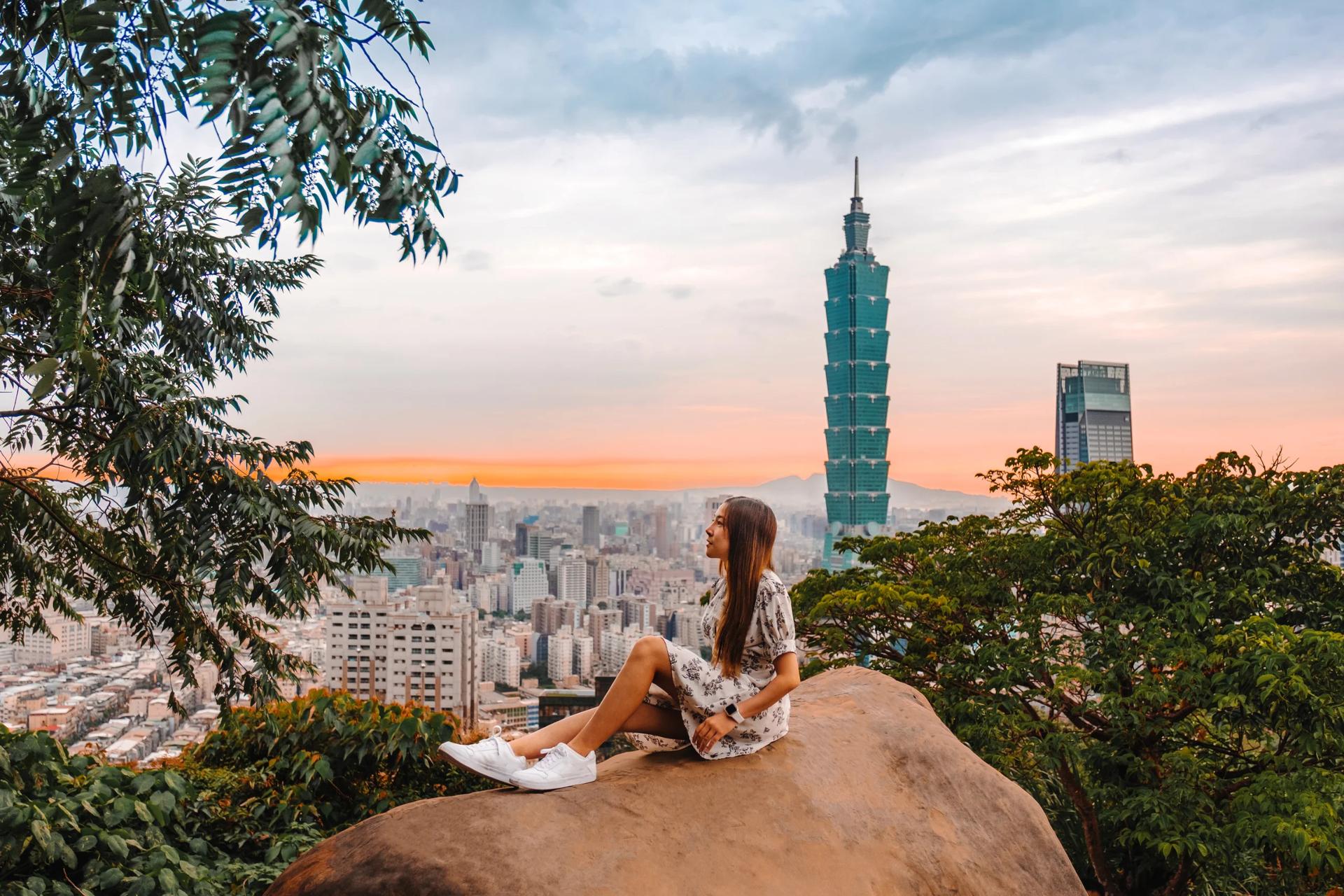
Prioritize early mornings, golden hour, and blue hour rather than trying to see more attractions. Visit temples and historic streets early, photograph Taipei 101 and the skyline around late afternoon, and consider Tamsui for riverside light around sunset.
Rain can also work in your favour if you enjoy reflections, neon signs, umbrellas, and atmospheric street photography. Keep your schedule flexible, carry a lightweight waterproof layer, and avoid filling every day with fixed indoor bookings.
5. For a slower trip
If you prefer cafés, neighbourhood walks, and unhurried meals over checking off attractions, remove one or two major stops. Beitou, Maokong, Dadaocheng, and Yongkang Street are particularly well suited to a slower pace.
The easiest way to make this 5-day Taipei itinerary more relaxed is to keep one major attraction per day and treat everything else as optional. Five days gives you enough time to slow down without feeling that you are missing the city entirely.
How Much Does a 5-Day Trip to Taipei Cost?
A 5-day trip to Taipei can work for a range of budgets. For most first-time visitors, a mid-range budget of around NT$15,000–25,000 per person, excluding international flights, is a useful starting point. Your biggest expenses will usually be accommodation, food, and day trips, while Taipei's MRT and public transport make it relatively easy to keep daily travel costs under control.
Taipei 5-Day Budget at a Glance
| Travel style | Approx. 5-day budget* | What it usually includes |
|---|---|---|
| Budget | NT$8,000–14,000 | Hostel or simple hotel, local meals, MRT and buses, mostly free or low-cost attractions |
| Mid-range | NT$15,000–25,000 | Comfortable hotel, mix of local and sit-down meals, public transport, and one or two paid experiences |
| Comfort | NT$30,000–45,000+ | Higher-end hotel, more restaurant dining, taxis, private experiences, and day trips |
*Estimated per person for five days, excluding international flights. Accommodation prices can vary significantly by season, location, and hotel category.
Where Your Money Goes
- Accommodation is usually your largest expense. Staying around Ximending, Taipei Main Station, Zhongshan, or Da'an gives you convenient access to public transport and makes it easier to return to your hotel between sightseeing stops. You can save by staying farther from the center, but the extra travel time may not be worthwhile for a five-day trip.
- Food can be very affordable. Taipei is one of the easiest cities in Asia to eat well on a moderate budget. Night markets, noodle shops, dumpling restaurants, breakfast shops, and local eateries can keep daily spending low, while hot pot, Taiwanese tasting menus, cafés, and higher-end restaurants give you plenty of opportunities to spend more.
- Transportation is another area where Taipei is easy to budget. The MRT and buses cover most tourist areas, while taxis and ride-hailing are useful when you are traveling late, carrying luggage, or visiting places that are less convenient by public transport.
- Day trips can increase your budget. If your itinerary includes Jiufen, Shifen, Yehliu, or another excursion outside central Taipei, factor in transport or tour costs separately. The good news is that many of Taipei's major attractions, temples, parks, neighborhoods, and markets can be explored without expensive admission fees.
What to Eat During Your 5 Days in Taipei
Food is one of the best reasons to slow down in Taipei. While night markets are an essential part of the experience, some of the city's most memorable meals happen at breakfast shops, noodle counters, dumpling restaurants, bakeries, tea houses, and small neighbourhood eateries.
Rather than planning every meal around a specific restaurant, build your Taipei 5-day itinerary around a few food categories and try something different each day.
Taiwanese foods to try
- Breakfast: Start with dan bing, warm soy milk, fan tuan (rice rolls), scallion pancakes, or steamed buns.
- Everyday meals: Try beef noodle soup, lu rou fan (braised pork rice), wonton soup, dumplings, or a Taiwanese bento.
- Night-market snacks: Look for pepper buns, oyster omelets, fried chicken, stinky tofu, grilled foods, sausages, and sweet potato balls.
- Desserts and drinks: Make room for bubble tea, pineapple cakes, herbal jelly, shaved ice, taro desserts, and fresh fruit drinks.
- Tea: Visit a tea house in Maokong, browse tea shops around Yongkang Street, or explore Dadaocheng's long-standing tea culture.
How to plan your food each day
A simple approach is to keep breakfast quick, lunch substantial, and dinner flexible. Grab a traditional breakfast near your hotel, make lunch your main sit-down meal, and leave evenings open for night markets or neighbourhood restaurants.
Your itinerary already takes you through several areas that are particularly good for food. Try Wanhua and Ximending on Day 1, Shilin or Ningxia on Day 2, Yongkang Street on Day 3, Beitou on Day 4, and Maokong or Dadaocheng on Day 5.
Most importantly, leave some room for spontaneous stops. Taipei's food culture is at its best when you can duck into a busy local shop, order something unfamiliar, and discover a new favourite.
If you have dietary restrictions, check ingredients carefully and ask about sauces, broths, and cooking methods. Carrying a translated dietary note can also make ordering easier.
Where Should You Stay for This 5-Day Taipei Itinerary?
For five days in Taipei, choose a neighborhood that keeps you close to an MRT station rather than focusing only on how central the hotel looks on a map. Taipei's public transport makes it easy to move between neighborhoods, but staying near a convenient station can save significant time across a five-day trip.
| Area | Best for | Main advantage | Trade-off |
|---|---|---|---|
| Ximending | First-time visitors, shopping and nightlife | Lively streets, food, shopping and excellent MRT access | Busy and touristy |
| Zhongshan | Couples, foodies and cafés | Central, stylish and easy to explore on foot | Generally pricier than budget areas |
| Taipei Main Station | Day trips and transport convenience | MRT, airport, railway and HSR connections | Busy and less atmospheric |
| Da'an | Foodies and slower stays | Leafy streets, cafés, restaurants and Da'an Forest Park | Less convenient for railway day trips |
| Xinyi | Luxury and Taipei 101 | Modern hotels, shopping and skyline views | More expensive and less historic |
So, Which Area Is Best for Five Days in Taipei?
For most first-time visitors, Ximending or Zhongshan are the easiest all-round choices. Pick Ximending for convenience, food, shopping, and nightlife; choose Zhongshan for a calmer, more stylish base.
If you are planning several day trips, Taipei Main Station is the practical choice. If food and neighborhood atmosphere matter more than being closest to every major sight, Da'an is worth considering.
Whatever area you choose, prioritize a hotel within a short walk of an MRT station. For a five-day Taipei itinerary, good transport access is often more valuable than being slightly closer to one particular attraction.
Taipei 5-Day Itinerary: The Route to Save
Want the simplest version of this Taipei itinerary? Save this five-day route and adjust it only when weather, attraction closures, or your energy level calls for a change.
- Day 1: Lungshan Temple → Wanhua → Ximending → Raohe Street or a Wanhua-area night market
- Day 2: National Palace Museum → Shilin → Shilin or Ningxia Night Market
- Day 3: Chiang Kai-shek Memorial Hall → Yongkang Street → Taipei 101 → Xinyi → optional Elephant Mountain
- Day 4: Beitou Hot Spring Museum → Beitou Park → Thermal Valley → hot spring bath → optional Tamsui sunset
- Day 5: Maokong Gondola → tea house lunch → Dadaocheng and Dihua Street → final Taiwanese dinner or Ningxia Night Market
Why This Route Works
Each day has a clear theme and keeps most stops within a practical geographic area. That means less time crossing Taipei and more time exploring, eating, resting, and enjoying each neighbourhood.
The five days also give you a good balance of experiences: historic temples, museums, local food, night markets, modern landmarks, hot springs, mountain scenery, tea culture, and heritage streets.
You do not need to follow the route minute by minute. Swap activities when the weather changes, skip a stop when you are tired, or spend longer in a neighbourhood you enjoy. The best five-day Taipei trip should give you enough structure to explore confidently while leaving room for the unexpected.
Ready to Plan Your 5 Days in Taipei?
From historic temples and bustling night markets to Taipei 101, Beitou's hot springs, Maokong's tea houses, and Dadaocheng's heritage streets, five days is enough to experience many of Taipei's highlights without rushing through every stop.
Use this Taipei 5 day itinerary as your starting point, then adjust the route around your interests, the weather, and your travel pace. Whether you're visiting Taipei for the first time or returning to explore beyond the usual sights, a little planning will help you spend less time commuting and more time enjoying the city.
Ready to start planning your Taipei trip? Check your flights and accommodation, save this itinerary, and build your five days around the experiences you most want to remember.

Indira L.
2 September 2026