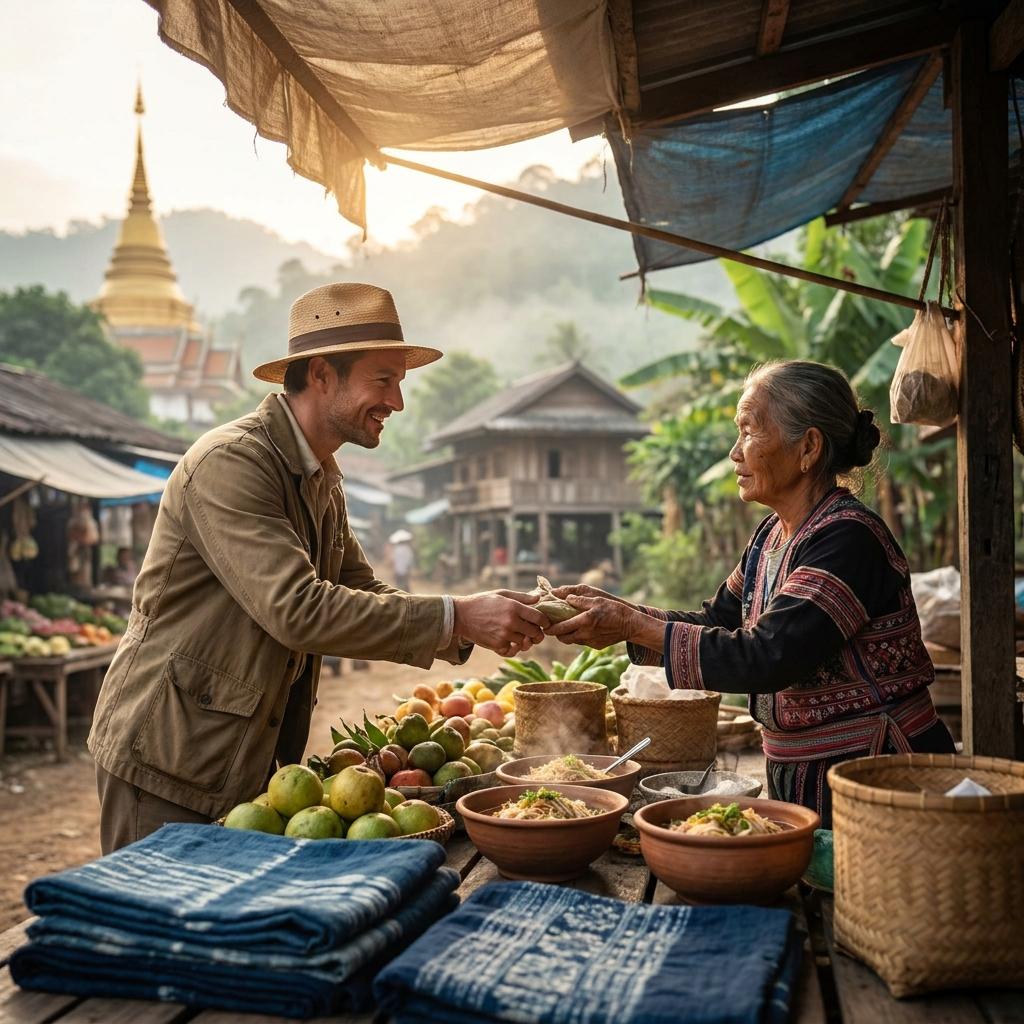
Best Things to Do in Chiang Rai: Explore Like a Local
Looking for the best things to do in Chiang Rai? Explore temples, art spaces, markets, and scenic escapes for a relaxed northern Thailand trip.

If you're wondering about the best things to do in Chiang Rai, this guide is your starting point. Chiang Rai sits at the far north of Thailand where misty mountains rim the horizon and time often feels as though it moves a little slower. It's a city and province long favoured by locals and creative travellers for its soothing pace, visionary temples, art-forward spaces and unspoiled scenery. Beyond its famous monuments, the heart of Chiang Rai is best found in lively night markets, sunrise strolls along the river, and stories shared over street food. Whether you're coming for a whistle-stop day or three unhurried nights in search of something truly local, this guide will set you on the path to the most rewarding experiences this northern Thai destination has to offer.
Why Chiang Rai belongs on your Thailand list
Chiang Rai offers a refreshing counterpoint to Thailand's popular hotspots—a destination for culture lovers, creative explorers and anyone who relishes a gentler travel pace.
Set where mountains roll into forests and rivers, Chiang Rai has carved out its own definition of Thai travel. Unlike the buzzier Chiang Mai or the beaches to the south, it entices visitors with a laid-back rhythm. This, in turn, makes it perfect for those seeking authentic encounters and space for reflection.
The region blends Lanna heritage and cutting-edge creativity, evident in both community events and avant-garde temples. Moreover, markets brim with local art and produce. The small city centre feels intimate yet alive, while the surrounding countryside offers space for adventure. As a result, the city's understated appeal invites you to slow down and see a northern Thai side that so many travellers miss.
Things to do in Chiang Rai at a glance
Get a quick overview of Chiang Rai's iconic sights and activities to help shape your journey.
| Attraction | Area | Experience type | Suggested duration | Approximate cost |
|---|---|---|---|---|
| Wat Rong Khun (White Temple) | Province | Temple, art | 1–1.5 hours | ฿200 (foreign visitors) |
| Wat Rong Suea Ten (Blue Temple) | City centre | Temple | 30–45 minutes | Free |
| Baan Dam Museum (Black House) | Province | Art, museum | 1–1.5 hours | ฿80 |
| Wat Huay Pla Kang | Province | Temple | 45–60 minutes | Free (grounds), ฿40 (lift) |
| Chiang Rai Night Bazaar | City centre | Market | 1–2 hours | Free (pay for food/shopping) |
| Mae Fah Luang Art and Cultural Park | City centre | Cultural, art | 1.5–2 hours | Check official site |
| Doi Tung | Province | Nature, cultural | 3–5 hours | ฿220 (combined ticket) |
| Golden Triangle | Province | Cultural, nature | 2–4 hours | Check official site |
Best things to do in Chiang Rai
These standout sights and markets reveal Chiang Rai's artistic spirit, architectural wonders and vibrant street life.
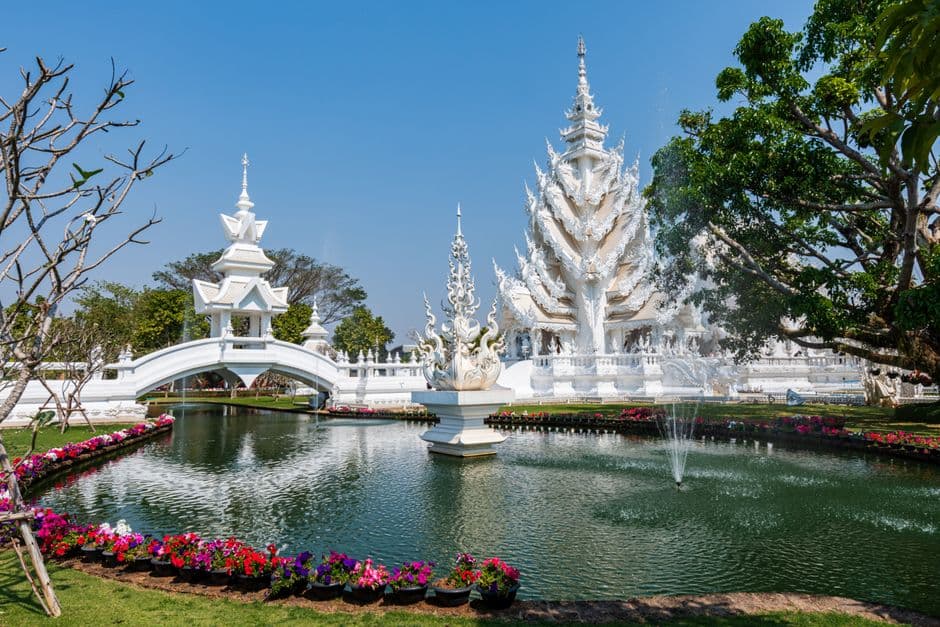
Wat Rong Khun in Chiang Rai, by Kirandeep Singh Walia
Wat Rong Khun (White Temple)
Located about 13 km south of the city centre, Wat Rong Khun mesmerizes with its otherworldly silhouette of pure white, sparkling glass, and ornate details. Commissioned by artist Chalermchai Kositpipat, this temple defies tradition with futuristic forms and hidden pop culture references. Furthermore, arriving near opening time lets you enjoy the mystical ambiance before crowds gather. The symbolic bridge and mirror pools offer unmissable photo opportunities.
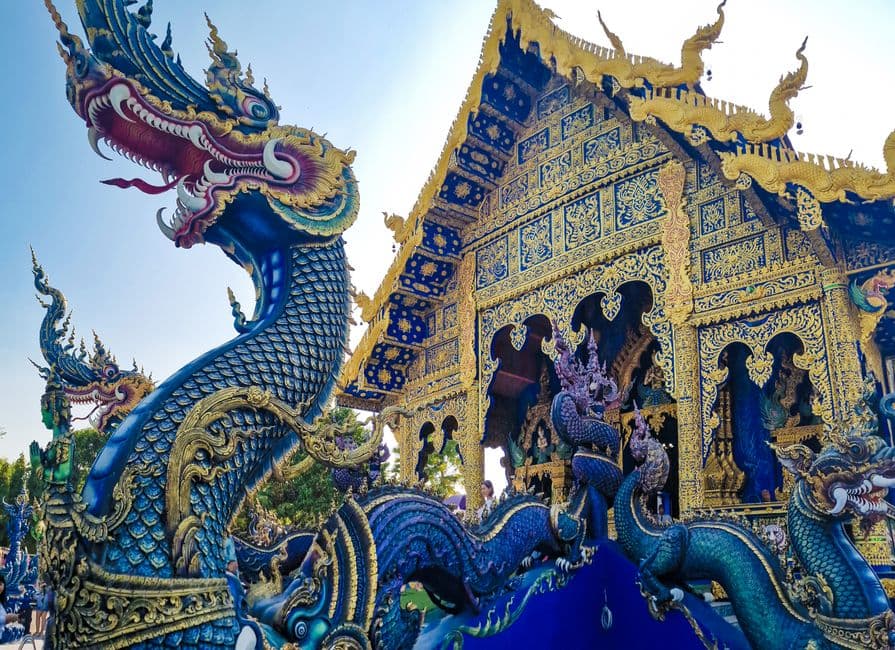
Intricate dragon sculpture and gilded temple facade, Daciana Cristina Visan
Wat Rong Suea Ten (Blue Temple)
A short ride north of the city centre, the Blue Temple glows with deep indigo and gilded artistry inside and out. Its serene white Buddha stands in calm contrast to dazzling dragon guardians and swirling murals. Beyond the spectacle, the riverside setting adds a relaxing touch. It's therefore perfect for a mid-morning visit and a quiet moment with a local coffee nearby. Respectful attire is essential.
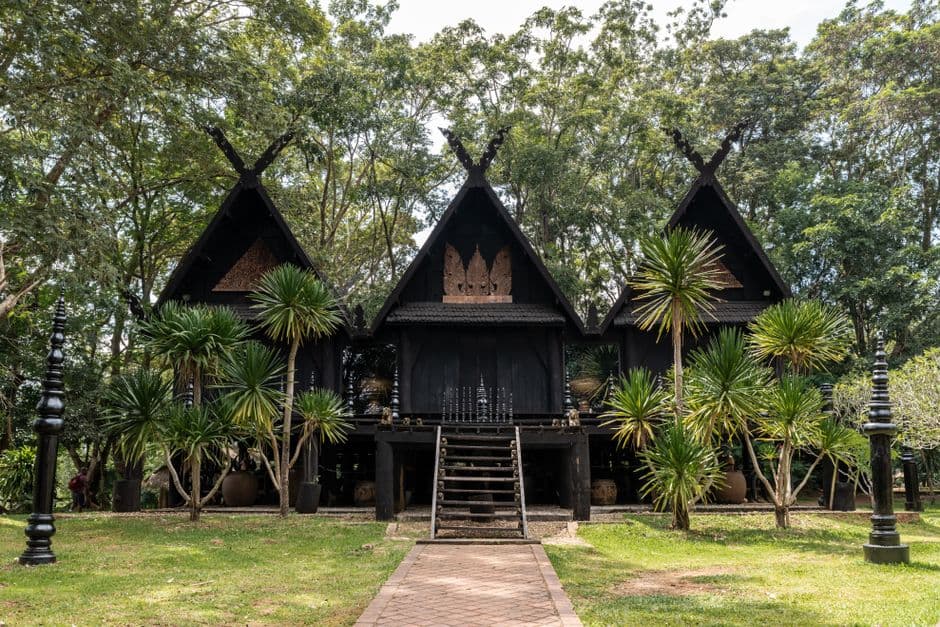
Traditional Thai structure in Chiang Rai, Kirandeep Singh Walia
Baan Dam Museum (Black House)
Ten kilometres north in Nang Lae, Baan Dam Museum is simultaneously dark, avant-garde and uniquely Thai. A series of black timber buildings designed by artist Thawan Duchanee display antique and contemporary works with surreal flair—think animal bones and bold sculptures. The tranquil grounds and offbeat art make this one of the city's most intriguing spaces. Additionally, it pairs beautifully with a Blue Temple visit on the same day.
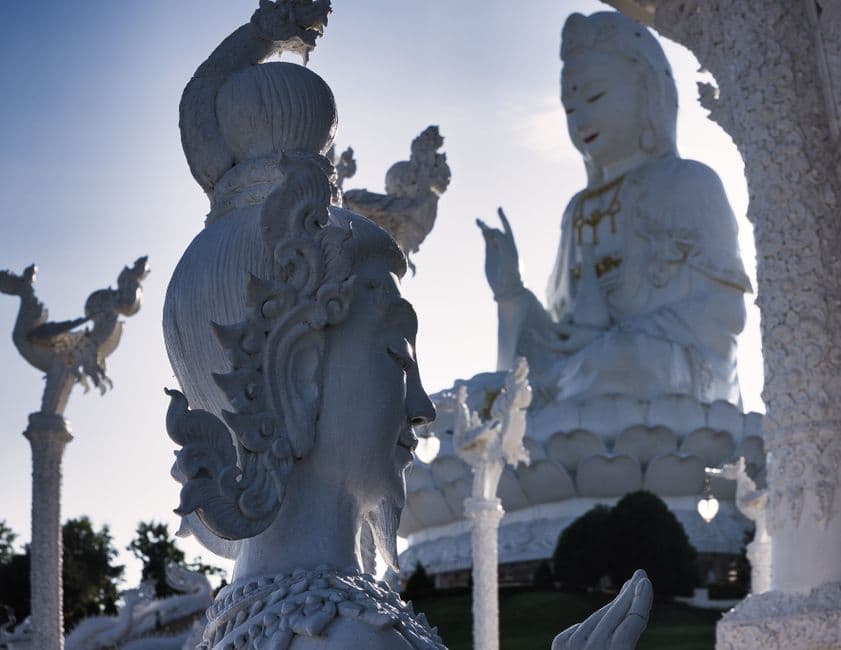
White Buddha statues at Wat Huay Pla Kang, Fernando B M
Wat Huay Pla Kang
On the northwestern hills outside the city, Wat Huay Pla Kang rises with its massive Guan Yin statue—visible from afar. The compound's nine-storey pagoda, calmly ascending lifts and panoramic views create a memorable experience. It's considerably quieter than the famed White Temple. Furthermore, it rewards the extra journey with impressive vistas well beyond the city's bustle.
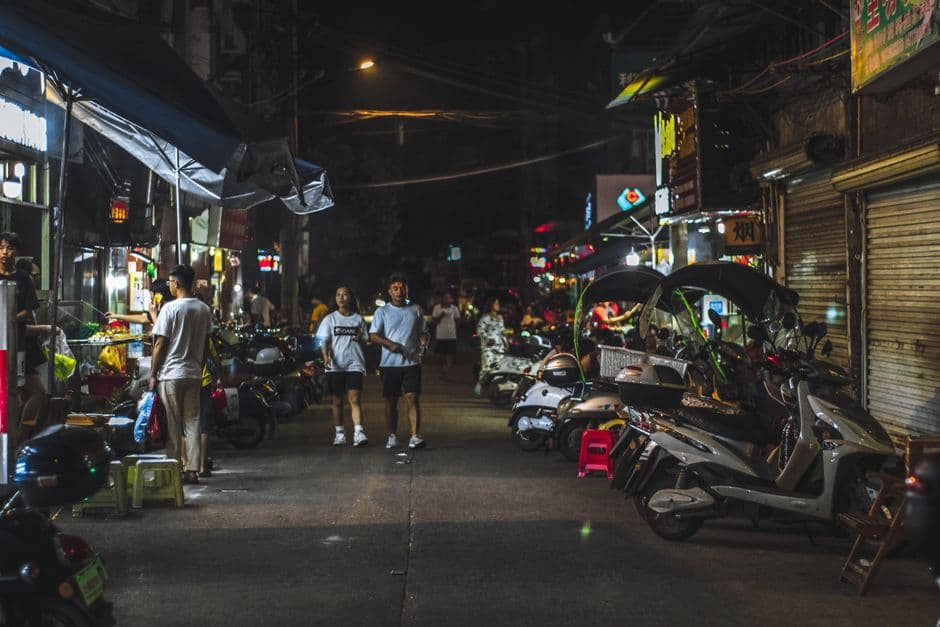
Bustling night market scene with illuminated shops, Rookey Pain
Chiang Rai Night Bazaar and Saturday Walking Street
Right in the city centre, the Night Bazaar comes alive every evening with aromatic food courts, artisan stalls and casual performances. When Saturday arrives, the city transforms again with Walking Street along Thanalai Road. Locals and visitors alike sample delicacies, browse crafts, and soak up the intoxicating festival energy after dark. As a result, evenings here are rarely dull.
Things to do in Chiang Rai by experience
Discover Chiang Rai through unique themes—art, culture, food, nature, family-friendly and budget experiences tailored to your travel style.
This northern Thai city invites travellers to shape their visit around personal passions rather than ticking off a standard list. Art enthusiasts will find innovative design and bold creativity throughout the province. Meanwhile, quiet history and cultural immersion appeal to those who crave connection. Food adventurers can immerse themselves in the flavours of the region at night markets and local eateries. Nature lovers are rewarded with lush tea fields and dramatic mountain landscapes. Additionally, families and budget travellers will discover accessible, authentic, and memorable activities. Choose a category—or several—and let this northern destination deliver a bespoke experience unlike any other in Thailand.
Culture and history
The city is deeply steeped in Lanna traditions, best experienced through its spiritual sites and small but insightful museums. Begin your exploration at Wat Phra Kaew, where local legend and art intertwine. Next, dive further into history at the Oub Kham Museum, renowned for artefacts that illuminate cultural legacies connecting Thailand, Laos, and beyond. Neighbourhood walks reveal living traditions in temple rituals and street festivals. These offer visitors a rare glimpse of northern Thai identity. Therefore, remember simple temple etiquette to show respect as you explore this rich cultural tapestry.
Art and architecture
From the ultra-modern brilliance of the White Temple to the moody, boundary-pushing Baan Dam Museum and tradition-steeped Mae Fah Luang Art and Cultural Park, the city provides a showcase for celebrated and subversive visions of Thai identity. Additionally, the Blue Temple's stunning palette and sprawling pavilions of art and sculpture dotted around the province make this an inspirational stop for design-lovers and curious photographers alike.
Food and markets
The culinary scene here is anchored in lively night markets and weekend Walking Streets, where street food reigns supreme. Local delicacies like khao soi, spicy sausages, and sweet coconut desserts are never far from reach. Whether you spend your evening grazing among the crowds or sampling family favourites at a local stall, these markets reflect both heritage and communal energy. Furthermore, the Clock Tower light show or a stroll along hidden café lanes rounds out the experience, making evening food adventures a must.
Nature and outdoors
Just outside town, the landscapes shift to gentle rivers, rolling farms and mist-cloaked hills. Doi Tung is a perennial favourite for a day trip—a world of cool gardens, mountain air, and views stretching into Myanmar. Singha Park offers family-friendly cycling and a patchwork of tea fields. Meanwhile, riverside paths near the Mae Kok deliver quiet retreat within city limits. Active travellers might also plan hikes, scenic drives or relaxed rural wanders in the wider province, always checking weather and transport options beforehand.
Family-friendly
With attractions concentrated centrally and rural activities never too far, the city is easy to navigate with children in tow. Singha Park, the nightly Clock Tower show and hands-on museums like the Hilltribe Museum keep little ones engaged. Colourful temples invite curiosity. Central market areas also allow for easy return trips to your accommodation. Take advantage of slow mornings, flexible afternoons and plenty of street food snacks to keep the whole family fuelled and entertained throughout.
Free or low-cost
Some of the best experiences here are free or highly affordable. The Blue Temple offers astonishing artistry without an entrance fee. Additionally, the nightly Clock Tower light show gives visitors a free performance of light and music. The Saturday and Sunday Walking Streets spark with food, market stalls and friendly crowds—ideal for soaking up local life. Budget-friendly riverfront walks and central city routes let you enjoy a gentle rhythm without overspending, making this an excellent choice for value-conscious travellers.
Best neighbourhoods and areas to explore
Each Chiang Rai district offers its own pace and personality, from bustling streets to quiet riversides and hidden rural gems.
The compact centre and riverfront make it simple to choose a district that matches your style—whether it's urban buzz, tranquil views, or local immersion. The city core, riverside stretches, and northern temple zones all offer something different. Beyond the centre, moreover, the wider province contains day-trip opportunities to mountain and border areas, ideal for adding depth to your itinerary. Here's how to get a feel for each area's character before deciding where to spend your days and nights.
Clock Tower and Night Bazaar area
Anchored by the luminous golden Clock Tower and the ever-humming Night Bazaar, this walkable district makes an ideal home base for first-timers. Streets around Thai Viwat, Jetyod, and Sanpanard buzz with restaurants, guesthouses and street vendors. As a result, it offers both convenience and a genuine taste of northern Thai city energy.
Kok Riverfront
For those seeking downtime, the Kok Riverfront stretches north of the centre, dotted with leafy guesthouses, relaxed cafés and gentle walking paths. This less-dense area provides a convenient launch point for visiting the Blue Temple and other riverside sights. It is especially suited to early risers and those wishing to trade city energy for easygoing mornings by the water.
Northern temple corridor
The northern outskirts link the avant-garde Blue Temple, the bold Baan Dam Museum, and the panoramic Wat Huay Pla Kang. This informal corridor is best explored by tuk-tuk, car, or arranged tour. Each stop offers a different lens on northern Thai art and spirituality. Consequently, it's an efficient grouping for those prioritizing temple and art sightseeing, distinct from the city centre's urban rhythm.
Provincial day-trip zones
For a taste of the province beyond the city, the mountain retreats of Doi Tung, the tea plantations and hilltop charm of Mae Salong, and the storied riverbanks of the Golden Triangle beckon. These areas provide a very different perspective—cool air, sweeping views, and a sense of shared borderland history. Their distance requires planning, a car or guided tour. It is therefore best to dedicate an entire day to each, separate from your city explorations.
Suggested Chiang Rai itineraries
Plan your Chiang Rai getaway with these flexible itineraries, whether you're stopping over for one night or exploring for three days. Short stays cover the city's iconic temples and cultural highlights, while longer trips leave room for scenic countryside escapes and local experiences.
Choose an itinerary that suits your schedule and travel style:
- 1 day: Explore Chiang Rai's famous temples, art attractions and lively night markets.
- 2 days: Discover cultural museums, peaceful gardens, tea plantations and local markets.
- 3 days: Venture beyond the city to explore mountain gardens, royal attractions or the Golden Triangle.
Adjust your plans around market opening days, seasonal highlights and travel times to make the most of your visit.
One day in Chiang Rai
Ideal for travellers on a quick stopover, this itinerary covers Chiang Rai's most recognisable attractions and cultural highlights.
- Morning: Visit the White Temple (Wat Rong Khun). Arrive early to admire its striking white architecture, intricate details and symbolic artwork before the crowds build up.
- Late morning: Explore Baan Dam Museum. Discover its distinctive collection of dark wooden buildings, contemporary art and traditional Lanna influences.
- Afternoon: Stop by the Blue Temple (Wat Rong Suea Ten). Admire its vivid blue interiors, golden details and colourful Buddhist artwork.
- Evening: Watch the Chiang Rai Clock Tower show. Return to the city centre to catch the illuminated clock tower performance.
- Night: Explore Chiang Rai Night Bazaar. Sample northern Thai specialities, browse local handicrafts and enjoy live music.
Getting around: Travel between attractions by private car, tuk-tuk or organised tour for a smoother day.
Two days in Chiang Rai
With an extra day, explore beyond the main temples and discover Chiang Rai's cultural heritage, green spaces and countryside attractions.
Day 1: Explore Chiang Rai's Highlights
- Visit the White Temple to admire its distinctive architecture and intricate artwork.
- Explore Baan Dam Museum for its unusual collection of traditional and contemporary art.
- Stop at the Blue Temple to appreciate its vibrant colours and ornate decorations.
- Head to the Chiang Rai Clock Tower for its evening light show.
- Spend the night at Chiang Rai Night Bazaar, sampling local food and shopping for souvenirs.
Day 2: Discover Culture and Countryside
- Morning: Visit Mae Fah Luang Art and Cultural Park. Wander through peaceful gardens, traditional Lanna architecture and cultural exhibitions.
- Late morning: Explore Oub Kham Museum. Learn about the history, traditions and royal heritage of the former Lanna Kingdom.
- Afternoon: Head to Singha Park. Enjoy scenic tea plantations, cycling routes and open green spaces.
- Evening: Visit Chiang Rai Walking Street. If you're visiting on a weekend, browse local food stalls, handicrafts and street performances before calling it a day.
Three days in Chiang Rai
A three-day trip gives you more time to experience Chiang Rai beyond its city attractions. After exploring the temples, museums and cultural spaces, dedicate your final day to one of the region's scenic excursions.
Day 1: Temples and City Highlights
- Visit the White Temple in the morning.
- Explore Baan Dam Museum and its striking art collection.
- Admire the colourful architecture of the Blue Temple.
- Catch the evening show at the Chiang Rai Clock Tower.
- Sample northern Thai dishes at Chiang Rai Night Bazaar.
Day 2: Culture, Gardens and Tea Plantations
- Explore the gardens and traditional architecture at Mae Fah Luang Art and Cultural Park.
- Discover northern Thailand's history at Oub Kham Museum.
- Spend the afternoon at Singha Park, enjoying tea plantation views and outdoor activities.
- If your visit falls on a weekend, browse the stalls at Chiang Rai Walking Street.
Day 3: Choose Your Countryside Escape
Depending on your interests, choose one of these two excursions:
Option 1: Doi Tung
- Visit the beautiful Mae Fah Luang Garden.
- Explore royal heritage sites and learn about the area's development.
- Enjoy mountain scenery, cool weather and peaceful surroundings.
Option 2: Golden Triangle
- Visit the famous viewpoint where Thailand, Laos and Myanmar meet.
- Discover the region's fascinating borderland history.
- Take in panoramic views of the Mekong River and surrounding landscapes.
Both destinations are roughly an hour or more from Chiang Rai city, depending on your starting point and route. Allow enough time for travel and sightseeing rather than squeezing too many stops into one day.
Practical tips for visiting Chiang Rai
Make the most of your Chiang Rai trip with these practical tips on weather, temple etiquette, transportation and local customs.
- Dress respectfully at temples: Keep your shoulders and knees covered when visiting religious sites. Remove your shoes before entering temples and certain indoor spaces.
- Visit during the best weather: November to February offers cooler, drier days, making it ideal for sightseeing and outdoor activities.
- Prepare for seasonal weather: April can bring hot, humid afternoons, while the rainy season typically runs from late May to October. Pack light clothing, sunscreen and a compact umbrella.
- Check air quality during burning season: February to April can bring haze and poor air quality. Monitor AQI updates through weather apps, particularly if you have respiratory sensitivities.
- Carry small Thai baht notes: Keep cash handy for local markets, street food stalls and tuk-tuk rides, as card payments may not be widely accepted outside larger establishments.
- Check opening hours in advance: Confirm attraction opening times, entrance fees and entry requirements before visiting. Market schedules and light shows may change during festivals or public holidays.
- Allow extra time at popular attractions: Markets and sightseeing spots can get busy, especially during weekends and peak travel seasons. Keep your schedule flexible for a more relaxed experience.
- Respect local customs: Be mindful of temple etiquette, dress appropriately and approach local interactions with patience and courtesy.
A little preparation goes a long way. Keep your itinerary flexible and embrace Chiang Rai's laid-back atmosphere for a more enjoyable northern Thailand getaway.
Where to stay in Chiang Rai
Choose your ideal hotels in Chiang Rai, whether you prefer the convenience of the city centre, peaceful riverside surroundings or easy access to regional transport.
Here are the best areas to consider based on your travel style:
| Area | Best For | What to Expect |
|---|---|---|
| Clock Tower and City Centre | First-time visitors and sightseeing | Stay close to the Chiang Rai Clock Tower, local cafés, attractions and shopping streets. Most central sights are within walking distance. |
| Night Bazaar | Food lovers and market enthusiasts | Enjoy easy access to street food, local handicrafts, evening entertainment and the city's lively night market scene. |
| Kok River | Couples and travellers seeking a quieter stay | Find boutique hotels, riverside resorts and rustic lodges surrounded by leafy gardens, away from the busy city centre. |
| Bus Terminal 1 | Regional travellers and budget-conscious visitors | Enjoy convenient transport connections, with easy access to local buses and services for exploring surrounding areas. |
Accommodation options in Chiang Rai include:
- Budget-friendly hostels for backpackers and solo travellers.
- Mid-range hotels near the city centre for convenient sightseeing.
- Boutique stays along the Kok River for a quieter atmosphere.
- Riverside resorts for couples and travellers seeking extra comfort.
Choose an area that matches your itinerary, preferred atmosphere and transport needs.
How to get around Chiang Rai
Getting around Chiang Rai is relatively straightforward, with several transport options for exploring the city centre and surrounding countryside.
| Transport | Best For | What to Know |
|---|---|---|
| Walking | Exploring the city centre | Ideal for visiting the Clock Tower, Night Bazaar, old town cafés and nearby attractions. |
| Tuk-tuks | Short-distance journeys | Convenient for travelling around town, especially during hot afternoons. Agree on the fare before starting your journey. |
| Songthaews | Budget-friendly local travel | These shared pickup trucks operate along main routes but may take longer due to frequent stops and waiting for passengers. |
| Grab and Bolt | Convenient point-to-point travel | Useful for booking rides around the city, although availability may be limited in rural areas. |
| Scooter rental | Independent exploration | Suitable for confident riders visiting attractions outside the city. Make sure you have the correct driving licence and wear a helmet. |
| Car rental | Countryside excursions | Offers greater flexibility for visiting outlying temples, Doi Tung and the Golden Triangle. |
| Organised tours or private drivers | Stress-free sightseeing | A convenient option for exploring multiple attractions outside the city without worrying about navigation or transport arrangements. |
Getting around tips:
- Walk whenever possible to explore the compact city centre.
- Carry cash for tuk-tuks and local transport.
- Check ride availability before heading to remote attractions.
- Arrange return transport in advance when visiting rural areas.
- Consider renting a car or booking a private driver for longer countryside trips.
How to get to Chiang Rai
Chiang Rai is accessible by air and overland transport, giving travellers several options depending on their departure point, budget and schedule.
By Air
- Chiang Rai International Airport (CEI): The main airport serving the city, with domestic flights and selected international connections.
- Via Bangkok: Connect through Don Mueang International Airport (DMK) or Suvarnabhumi Airport (BKK) for domestic flights to Chiang Rai.
- Via Chiang Mai: Travellers can also fly into Chiang Mai before continuing to Chiang Rai by bus or private car.
By Bus
- From Chiang Mai: GreenBus operates daily services between Chiang Mai and Chiang Rai, with journeys taking approximately 3–4 hours. Enjoy scenic mountain views along the way.
- From Bangkok: Overnight buses connect Bangkok's Mo Chit Bus Terminal with Chiang Rai. The journey typically takes more than 11 hours.
- From other northern Thai destinations: Regional bus services provide additional connections, depending on your departure city.
By Car or Private Transfer
- From Chiang Mai: Driving takes approximately 3–4 hours, depending on traffic and road conditions.
- From Bangkok: Expect a much longer journey, making an overnight bus or domestic flight a more practical option for most travellers.
- Private transfers: Hire a local driver for a more comfortable journey, particularly if travelling with family or carrying luggage.
Travel tips:
- Book flights and bus tickets early, especially during Thai public holidays and peak travel seasons.
- Compare flight and overland travel times before choosing your route.
- Allow extra time for airport transfers and road journeys.
- If travelling from Chiang Mai, consider the scenic bus journey for a convenient and comfortable way to reach Chiang Rai.
Planning your transport ahead of time makes getting to Chiang Rai easier, leaving you with more time to enjoy its temples, markets and countryside attractions.
Summary: is Chiang Rai worth it?
Chiang Rai's unique mix of creative energy, community spirit and breathtaking landscapes makes it an irresistible northern Thai escape.
This northern Thai destination stands out for adventurous spirits, art lovers, and seekers of slow travel. Its imaginative temples, vibrant street markets, and laid-back lifestyle offer experiences you won't find elsewhere in Thailand. Whether you crave culture-rich days, peaceful riverside moments, or day trips to tea-scented hills and borderlands, the city invites you to connect with the heart of northern Thailand—meaningful, memorable, and always a little surprising. If you're planning a trip to chiang rai, you'll find the experience deeply rewarding. For more northern Thailand inspiration, explore our guide to things to do in Chiang Mai.
FAQs about things to do in Chiang Rai
Answers to essential questions for first-timers and savvy travellers planning a smooth Chiang Rai journey.