Is Krabi Worth Visiting in Summer? Here's the Honest Answer
Discover the best things to do in Krabi during summer, from island hopping and beaches to hot springs, with practical tips for a great trip.
Arriving in Krabi during the green season means stepping into a lusher, quieter world. The best things to do in Krabi during summer reveal themselves slowly—through rain-washed landscapes, misty cliffs, and stretches of empty sand.
Together, these combine to offer a refreshingly off-peak adventure. The weather sets a slower pace, yet for those seeking rich colour and solitude, summer brings an entirely different charm. Here's what to expect, how to plan, and how to experience Krabi's finest moments when the monsoon calls the shots.
Krabi in summer: a quick, honest verdict
Krabi's off-peak months—June to August—reward flexible travellers with vivid scenery, smaller crowds, and better hotel value. Overall, it's a season for lush explorations and room to roam. It suits those seeking tranquillity or adventure with an open-ended itinerary.
While sunshine isn't constant, you'll trade a few sandcastles for a rain shower or two. Still, it's ideal for bargain-seekers and nature lovers. Furthermore, for at-a-glance details on temperature and rainfall, check the next section for a month-by-month weather breakdown.
Summer in Krabi at a glance
Krabi's off-peak months—June to August—reward flexible travellers with vivid scenery, smaller crowds, and better hotel value. Overall, it's a season for lush explorations and room to roam. It suits those seeking tranquillity or adventure with an open-ended itinerary.
While sunshine isn't constant, you'll trade a few sandcastles for a rain shower or two. Still, it's ideal for bargain-seekers and nature lovers. Furthermore, for at-a-glance details on temperature and rainfall, check the next section for a month-by-month weather breakdown.
Best things to do in Krabi in summer
If you're planning a summer visit to Krabi, one of the best beaches in Thailand, start by letting your senses lead the way. Listen to the sound of soft rainfall on jungle canopies, breathe in the scent of wet earth, and take in the vivid green of limestone cliffs.
Mist unfurls over the hills at dawn, while the air comes alive with birdsong and cicada calls. Early morning sunbeams shimmer across empty beaches, while afternoons might bring the gentle drumming of monsoon rain on tin roofs.
Whether you're soaking in a hot spring or savouring southern Thai street food at sunset, summer in Krabi is about embracing spontaneity and moving with nature's rhythm. Find a little magic in the moments between storms.
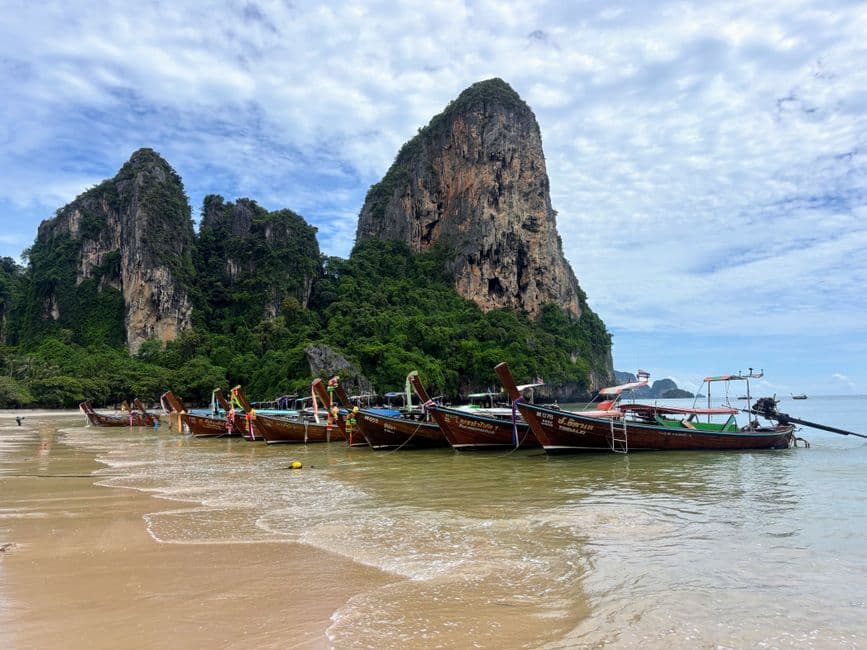
Longtail boats on Railay Beach, Krabi — Ines Diaz Cervantes
Railay Beach
Arrive early at Railay Beach to experience its dreamlike seascapes. Soft mists swirl between sheer cliffs, and the sand glistens after rainfall. Take in the cool morning air while you swim at Phra Nang Beach. Wander under dripping foliage and watch clouds create ever-changing patterns across turquoise water. In the green season, the quiet amplifies the magical scenery. Moreover, the cliffside vistas feel even more dramatic. Bring cash for boats, check the weather, and savour a sunset drink in golden after-rain light. Always keep an eye on the changing sky—should a squall approach, detour into a cave or shaded bar for refuge.
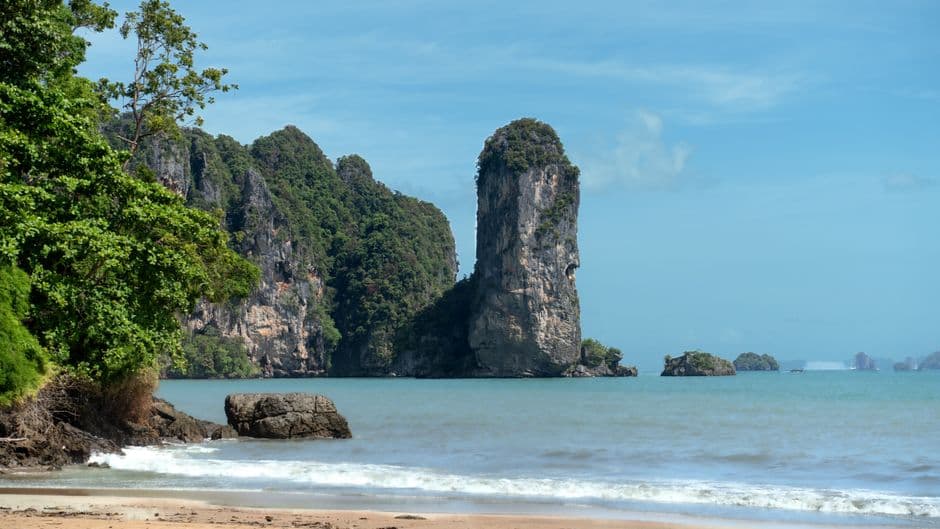
Musaddek Sayek, Ao Nang Beach limestone cliffs and blue sea
Ao Nang
Wake up to fresh salt air and the gentle roll of Andaman waves at Ao Nang's vibrant beachfront. Early risers relish the softest light for strolls. Meanwhile, afternoon showers transform the streets into lively rivers of colour—perfect for pausing under canopies to watch locals go by. Indulge in street food and massages as rain taps gently overhead. With covered walkways and buzzing night markets, Ao Nang blends beach and urban adventure whatever the weather. Additionally, the comforting promise of somewhere bright and dry is never far away.
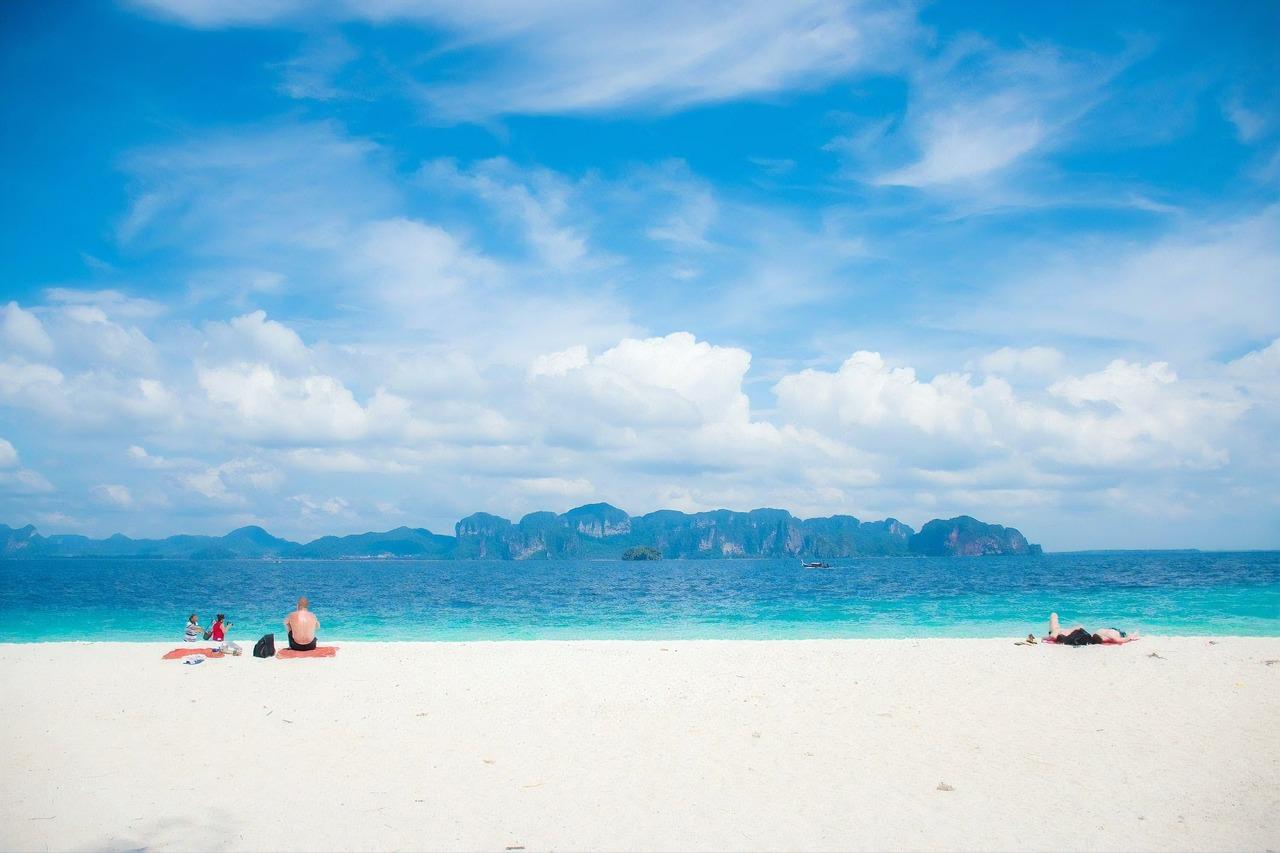
Poda Island, Krabi, Thailand, by danupolgis
Krabi island hopping
Embrace the thrill of sailing toward islands as blue sky battles dramatic stormclouds and the air crackles with anticipation. The run to Hong Island or the Four Islands is exhilarating on a fresh morning. Vistas glow after rainfall, and between showers, sand feels even finer. The water takes on an emerald clarity. Always book with reputable operators and have backup plans. Moreover, some days the best adventure is swapping an island hop for a tranquil paddle through mangrove canyons, as the rain's patter on the water creates a meditative soundtrack.
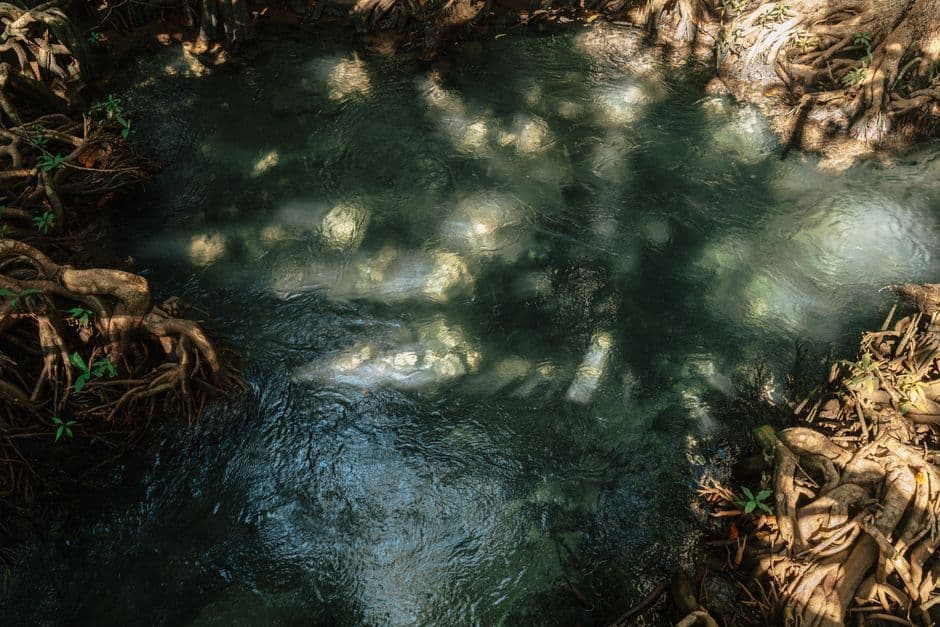
Siarhei Nester, serene spring water in Krabi mangroves
Emerald Pool and Krabi hot springs
Step off the beaten path to the Emerald Pool, where rainforest steam curls above turquoise water and raindrops sparkle on giant leaves. These mineral-rich springs in the heart of the jungle offer warmth and relaxation even as the rain falls. Take in the earthy scents of the forest. Then, let the gentle gurgle of hot springs wash stress away. Arrive early for peace, bring forest-friendly shoes, and don't forget a moment in the restorative heat, surrounded by the symphony of birdsong and rainfall.

Nextvoyage, bustling cityscape in Thailand with streets, buildings, and a river
Krabi Town Night Market
After sunset, wander into a tapestry of fragrance and light at the Krabi Town Night Market. The warm air is alive with sizzling woks, tangy citrus, and bursts of laughter under glowing lanterns. When rain taps gently on umbrellas overhead, tuck into a bowl of spicy noodles or grill-fresh seafood. The market's colours shine even brighter against damp pavements. Furthermore, the convivial buzz offers shelter—and a feast for the senses—on the wettest of evenings.
Best summer activities by experience
To make the most of this destination's summer variety, shape your days by mood or energy level—from thrill-seeker mornings to easygoing afternoons. Grouping activities by experience lets you adapt as the weather shifts. In addition, it keeps every itinerary fresh.
Beach days
Leisurely: Swim and stroll at Ao Nang, Nopparat Thara, or Phra Nang early for calming solitude. Then, shift to a café when clouds gather. Sunshine invites swims, while post-rain brings cooling breezes and pastel sunsets—ideal for relaxed afternoon beachcombing.
Active adventures
Thrill-seeking: Start the day with sport-climbing on Railay's legendary cliffs. Alternatively, hike up Khao Ngon Nak for panoramic rainforest views. Early hours are best for safety and cool weather. For water-based adrenaline, kayak the winding mangroves of Ao Thalane—just listen for guides' advice on tides and rain.
Nature and wellness
Restorative: If the weather turns, head inland to the Emerald Pool, hot springs, or Than Bok Khorani National Park for healing forest walks and peaceful swims. Moreover, afternoon rain showers provide the perfect excuse to retreat to a local spa or indulge in a traditional Thai massage—a calming interlude for mind and body.
Food and culture
Immersive: Dive into southern Thai culture with a hands-on cooking class. Additionally, wander the eclectic night market for snacks and crafts, or ascend the steps to Wat Tham Suea (Tiger Cave Temple) for a meditative escape and mountain views. Rainy days are best spent under market awnings or discovering local legends. Always dress respectfully and keep valuables dry.
A flexible 3-day Krabi summer itinerary
Krabi's summer invites you to move with the weather, weaving spontaneous discoveries into your days. Anchoring in Ao Nang gives you the best mix of access and flexibility.
- Day 1: Begin your adventure just after sunrise. Take a fresh swim or sip coffee along Ao Nang Beach while locals prep boats on glassy water. As the morning unfolds, catch a longtail to Railay Beach—breathtaking cliffs and hidden caves await. If the sea's too wild, however, let rain inspire a leisurely food crawl in Ao Nang or indulge in a massage as showers pass.
- Day 2: Wake early to board a boat for Hong Island or the Four Islands cruise—still waters and radiant light reward morning explorers. If weather threatens, trade the islands for mangrove kayaking at Ao Thalane or dive into southern flavours at a Thai cooking class. On stormy days, savour extra rest and plan your food discoveries.
- Day 3: Venture inland for waterfalls, jungle pools, and cultural highlights. Arrange a driver to link the Emerald Pool and hot springs with a climb up Wat Tham Suea for panoramic views. Complete the day by wandering the Night Market in Krabi Town, tasting regional specialities as the evening air cools. When rain dampens trails or the night market closes, pivot to a café or extend your wellness breaks. Throughout the journey, double-check schedules each morning and keep options open so a rain-soaked forecast never means a lost day.
Thoughtful preparation and open-minded travel will reveal green season surprises at every turn.
Summer travel tips for Krabi
- Book flights and hotels with flexible cancellation and rebooking policies.
- Check the daily weather forecast, sea warnings, and pier notices before making plans.
- Travel only with licensed operators and verify refund terms for boat tours.
- Pack reef-safe sunscreen, a lightweight rain jacket, a dry bag, and a waterproof phone pouch.
- Get comprehensive travel insurance that covers weather disruptions and medical care.
- Leave plenty of time between boat tours and onward flights to avoid tight connections.
- Always check for marine park and island closures before booking any excursion.
- Respect red flags and official warnings, and be ready to switch plans when needed.
- Smart preparation helps ensure a safe, enjoyable experience, even if the weather changes suddenly.
Also, check out our guide on How Much to Bring to Krabi for tips on enjoying a more affordable trip!
What to pack for Krabi's green season
- Breathable, quick-drying clothes: Pack lightweight outfits that dry quickly in humid weather.
- Swimwear: Bring a couple of swimsuits for beach and pool days.
- Rain protection: Carry a compact rain jacket or folding umbrella for sudden monsoon showers.
- Dry bag and waterproof pouch: Protect electronics and spare clothes during boat trips.
- Reef-safe sunscreen and insect repellent: Stay protected from the sun and insects.
- Electrolytes and medication: Pack electrolyte packets and any personal medication you need.
- Temple-friendly layers: Bring lightweight clothing that covers your shoulders and knees when visiting temples.
- Light sweater: Keep one handy for cooler evenings or air-conditioned cafés.
- Weatherproof daypack: Choose a compact bag that can handle unexpected rain.
- Laundry essentials: Pack light, rotate outfits, and make use of local laundry services to keep your luggage manageable.
Where to stay in Krabi in summer
Summer in Krabi offers a sense of intimacy and discovery, so choose your base by the kind of moments you seek. When looking for hotels in Krabi, consider which area best matches your travel style and plans.
In Ao Nang, early morning waves and bright evenings at beachfront cafés make every day feel vibrant and effortless. Families love the convenience, while every rain shower is another reason to share a treat under covered markets. Staying at one of the many hotels in Krabi around Ao Nang also puts beaches, restaurants, shops, and tour operators within easy reach.
Railay Beach delivers stillness and inspiration, with its awe-inspiring cliffs shrouded in mist after storms. Here, you'll savour sunsets that feel private and the sensation of being tucked away from the world, even if the journey is a little more adventurous. Hotels in Krabi near Railay Beach are ideal for travellers seeking a more peaceful and scenic escape.
Krabi Town offers a taste of local life and hidden culinary gems, where night markets flicker after rain and streets pulse with Thai hospitality. If genuine community, street eats, and great value make a trip memorable, this is where you'll want to drop your bags. Staying in Krabi hotels in town also makes it easy to explore local markets and dining spots.
Wherever you land, the green season's slower pace means more space for personal connections, with nature, the local rhythm, and yourself.
How to get to Krabi
A flight to Krabi is one of the most convenient ways to reach the destination, with flights to Krabi International Airport (KBV) from major Southeast Asian cities offering fast access. Plan ahead, as flight schedules can change between seasons. Once you arrive, opt for a taxi or shared minivan to reach Ao Nang, with travel time and fares varying by service.
Flying via Phuket is also possible, but overland connections can add several hours to your journey. Similarly, ferries from nearby islands are subject to sea conditions, especially during the rainier months. Always confirm your ground or sea transfer in advance and check weather updates for possible delays during the green season.
The bottom line on summer in Krabi
Krabi's green season is a rewarding challenge—one that turns every traveller into a weather-wise explorer and every letdown into a new opportunity. Lower prices and lush scenery set the stage. However, patience, flexibility, and curiosity complete the experience.
Swap crowds for vibrant colour, embrace the adventure of sudden rain and emerging sunshine, and let this southern Thai gem remind you of travel's true joys: unpredictability, beauty, and the stories you bring home. Lean into the monsoon and you'll see a side of southern Thailand most have never imagined.
Krabi summer FAQs

Phaksornkan T.
7 October 2026