Best Time to Visit Da Nang: Weather, Seasons & Travel Tips
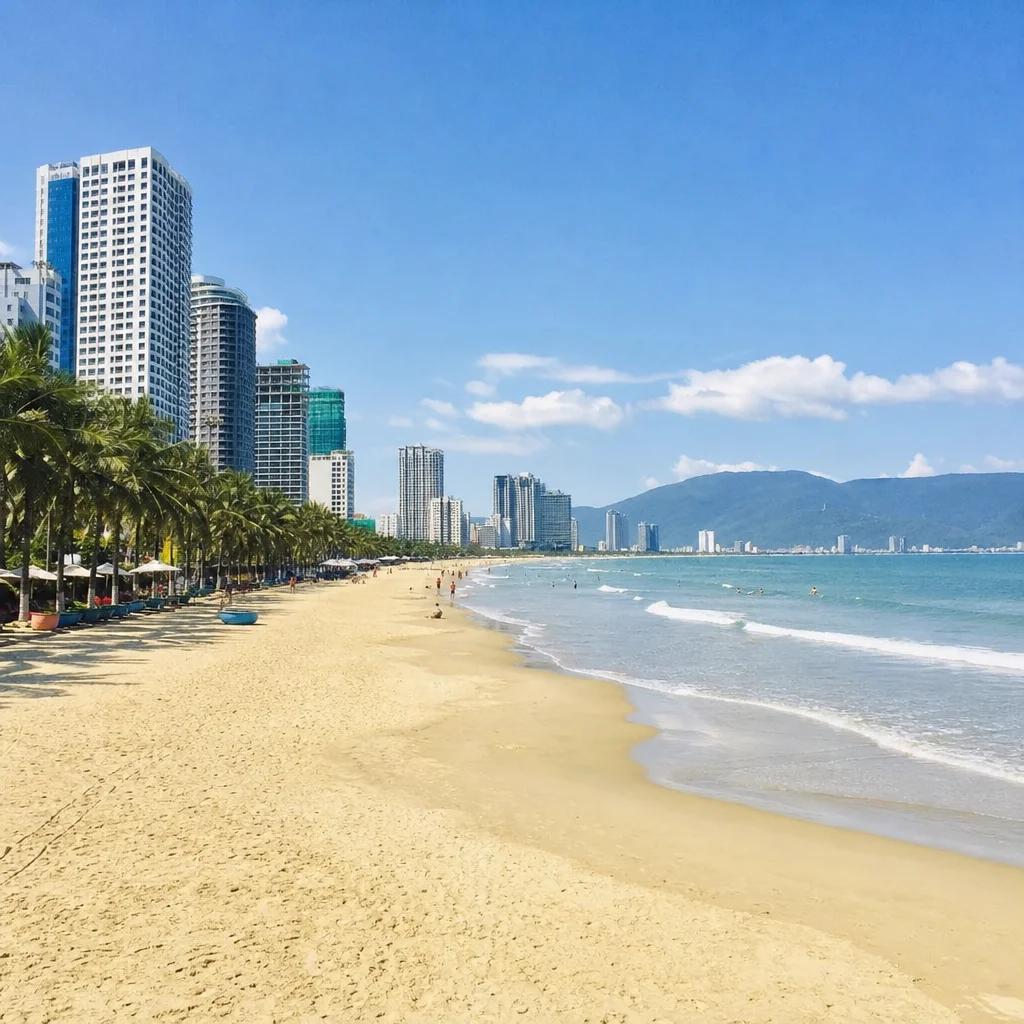
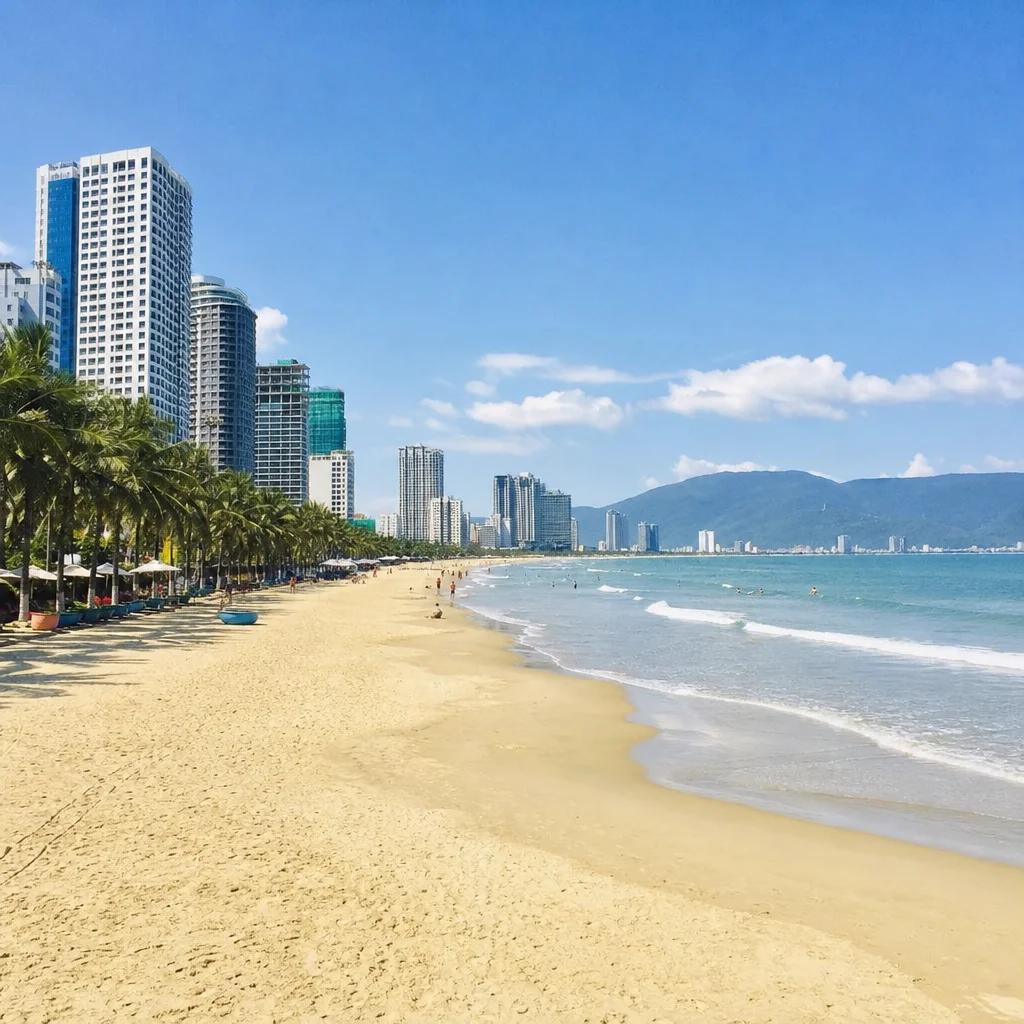
Da Nang is at its best when sunny skies, warm beaches, and coastal adventures come together.
Da Nang is a year-round destination, but the experience can change significantly depending on when you visit. For most travelers, the best time to visit Da Nang is from February to May, when warm, relatively dry weather is ideal for relaxing on My Khe Beach, exploring the Marble Mountains, taking day trips to Hoi An, and enjoying Da Nang’s vibrant food and café scene. If you’re planning a trip to Da Nang, Vietnam, understanding the weather by season and month can help you choose the best time for your travel style.
Set along Vietnam’s central coast, Da Nang blends beautiful beaches, dramatic mountain scenery, modern city life, and easy access to some of Central Vietnam’s most iconic attractions. From watching the Dragon Bridge light up at night to exploring the Marble Mountains and nearby Hoi An, there is plenty to experience beyond the beach. Whether you’re visiting for sunny coastal days, the annual Da Nang International Fireworks Festival, or a quieter city escape, this guide covers Da Nang weather by month and season, along with practical travel tips to help you plan your trip.
When is the best time to visit Da Nang?
The best time to visit Da Nang is generally February through May because the city is warm without being at peak summer intensity, rainfall is typically lower than in the monsoon months, and conditions are better suited to both beach time and outdoor sightseeing. This window works well if you want to visit My Khe Beach, the Marble Mountains, Son Tra Peninsula, Ba Na Hills, Hoi An, and local food spots without planning every day around heavy rain.
That said, “best” depends on your trip. If your priority is swimming and sunshine, you may prefer April to July. If your priority is lower prices and quieter streets, the edge months around the rainy season can still work, provided you keep plans flexible. If you are asking “when is the best time to visit Da Nang for a first trip?”, choose March or April for the most balanced experience.
Use this quick guide to decide:
- Best overall weather: February to May
- Best beach months: March to July, especially if you like hot, sunny days
- Best value months: Late February, March, May, and parts of September if you can accept some weather risk
- Hottest months: June to August
- Rainiest and storm-risk period: September to November, with October often requiring the most caution in Central Vietnam (vietnamtourism.com)
- Best for fewer crowds: Rainy-season months and shoulder periods outside major holidays
Da Nang Through the Seasons
Da Nang sits in Central Vietnam and has a tropical monsoon climate. Official Vietnamese tourism information describes two main seasons: a dry season from January to July and a rainy season from August to December, with high and relatively stable temperatures through the year.
The Dry Season (January - July): the most reliable travel conditions
The dry season is the easiest time to plan a classic Da Nang itinerary. From roughly January to July, travelers can expect more usable outdoor hours, better beach conditions, and fewer weather-related interruptions. January can still feel cooler or cloudier than later months, while February to May is usually the most comfortable stretch.
By June and July, the weather is still often dry, but the heat becomes a bigger factor. Sightseeing is best early in the morning or late afternoon, especially at exposed places like the Marble Mountains, Dragon Bridge, and beach promenades. If you are traveling with children or older family members, build in midday breaks.
Hot summer (June - August): good for beaches but intense for sightseeing
June to August can be rewarding if your ideal trip is beach-focused. The sea is warm, resort pools are inviting, and long daylight hours make it easy to enjoy coastal activities. However, Central Vietnam can become very hot in summer, with regional guidance noting high temperatures in June to August.
The practical approach is simple: do active sightseeing early, rest during the hottest part of the day, and return outside in the evening. Da Nang is lively after sunset, so you can still enjoy seafood restaurants, riverside walks, night markets, and rooftop views without forcing a packed daytime schedule.
The Rainy Season (September - December): quieter but needs flexibility
The rainy season, generally August to December, is better for travelers who do not mind changing plans. Rain can vary from short showers to longer downpours, and the Central Vietnam monsoon period can bring heavy rain, rougher seas, and occasional typhoons, especially from September to November.
This does not mean Da Nang is impossible to visit in the rainy season. It means you should avoid overly rigid itineraries, check forecasts regularly, and consider travel insurance that covers weather disruption. Indoor cafés, spas, cooking classes, museums, and food tours become especially useful backup options.
| Season | Months | Average Temperature | Highlights |
|---|---|---|---|
| Dry Season | January - August | 20°C to 35°C (68°F to 95°F) | Sunny skies, calm seas, ideal for beaches, Da Nang International Fireworks Festival. |
| Rainy Season | September - December | 19°C to 30°C (66°F to 86°F) | Cooler temperatures, frequent heavy rain, potential for storms, fewer crowds. |
A Month-by-Month Guide to Visiting Da Nang
Da Nang weather varies enough by month that a quick annual overview can save you from choosing the wrong dates for your plans.
- January: Cooler and calmer than later in the year, with a mix of dry periods and some lingering dampness. Good for city exploring, cafés, and day trips, though beach days may be less predictable.
- February: One of the best months for comfortable travel. Weather is generally milder, rain risk is lower than in the monsoon months, and it is a strong choice for first-time visitors.
- March: A top month for Da Nang. Expect warmer days, better beach potential, and pleasant conditions for Marble Mountains, Son Tra Peninsula, and Hoi An side trips.
- April: Hotter but still very appealing. Vietnam tourism guidance describes April as hot and dry in Central Vietnam, including Da Nang.
- May: A good month for beach travelers who do not mind heat. It can be sunny and energetic, but plan sightseeing carefully to avoid the strongest midday sun.
- June: Hot summer conditions take over. This is a good time for resorts, swimming, and relaxed coastal stays, but less ideal for packed walking itineraries.
- July: Often one of the hottest-feeling months. Visit if you want beach time and can handle heat; choose accommodation with good cooling and easy transport.
- August: A transition month. You may still get beach weather, but rain becomes more relevant, so keep a flexible day-by-day plan.
- September: Rain and storm risk increase in Central Vietnam. It can be quieter and better value, but it is not the safest choice for weather-sensitive trips.
- October: Often the least convenient month for a first visit because heavy rain and flood risk can affect Central Vietnam and nearby Hoi An. Monitor forecasts closely if traveling now.
- November: Conditions may begin improving later in the month, but rain can still affect plans. Choose November if you value fewer crowds and are comfortable adapting.
- December: A mixed month with cooler conditions and improving travel appeal. It can be pleasant for sightseeing, though it may not be as reliably sunny as spring.
Practical Travel Tips for Planning Around Da Nang Weather
1. Build your itinerary around the time of day
In hot months, morning is your best friend. Visit outdoor attractions early, schedule beach or pool time later, and save restaurants, cafés, bridges, and markets for the evening. This keeps the trip enjoyable rather than exhausting.
For a balanced day, try this rhythm:
- Morning: Marble Mountains, Son Tra Peninsula, or a Hoi An transfer
- Midday: Lunch, hotel rest, spa, café, or indoor activity
- Late afternoon: Beach walk, swimming, or sunset viewpoint
- Evening: Seafood dinner, Han River, Dragon Bridge area, or night market
2. Pack for sun and sudden rain
Even in a favorable season, tropical weather can change quickly. Pack breathable clothing, sunscreen, sunglasses, a hat, sandals that can handle wet streets, and a compact rain jacket or umbrella. If you plan to ride scooters or take boat trips, waterproof bags for phones and documents are useful.
3. Choose location based on your season
For dry-season beach trips, staying near My Khe or the beachfront makes sense because you can easily use good weather when it appears. In hotter months, prioritize hotels with shade, pools, and easy taxi access. In wetter months, consider staying closer to restaurants, cafés, and indoor conveniences so rainy evenings still feel enjoyable.
4. Keep day trips flexible
Da Nang is a great base for Hoi An, Ba Na Hills, Hue, and the Hai Van Pass, but weather affects each differently. In the rainy season, avoid locking every activity into non-refundable bookings. In hotter months, choose private transfers or earlier departures to make long sightseeing days more comfortable.
Ready to Experience Da Nang at Its Best? Plan Your Trip Now!
rom its golden beaches and verdant mountains to its incredible food and warm, welcoming people, Da Nang is a city that promises an unforgettable adventure. Whether you choose the sun-soaked days of the dry season or the cooler, quieter months, you’re bound to be captivated by its charm.
Now that you know the best time to visit, you can start planning the trip of a lifetime.

Indira L
26 August 2026