
Best Time to Visit Phu Quoc: Weather, Seasons & Travel Tips
Imagine waking up to golden beaches, turquoise waters, and tropical breezes—Phu Quoc is calling.
Phu Quoc, Vietnam’s largest island and known as Vietnam's "Pearl Island", is a tropical paradise that seems made for slow mornings, barefoot walks on white sandy beaches, and sunsets that light the sky in molten gold. Its charm isn’t just the coastline—the island offers fishing villages, lush national parks, and vibrant night markets where local flavors burst in every bite.
Planning when to visit is crucial: Phu Quoc’s weather can shift dramatically with the seasons. A visit during the wrong time might mean dodging torrential rains instead of lounging under the sun. Conversely, traveling in the right season unlocks the island at its most serene and beautiful, allowing you to enjoy both the beaches and inland adventures.
Whether you’re chasing picture-perfect sunsets, swimming in clear lagoons, or exploring pepper farms and waterfalls, knowing the best time to go will make your trip seamless, memorable, and Instagram-worthy.
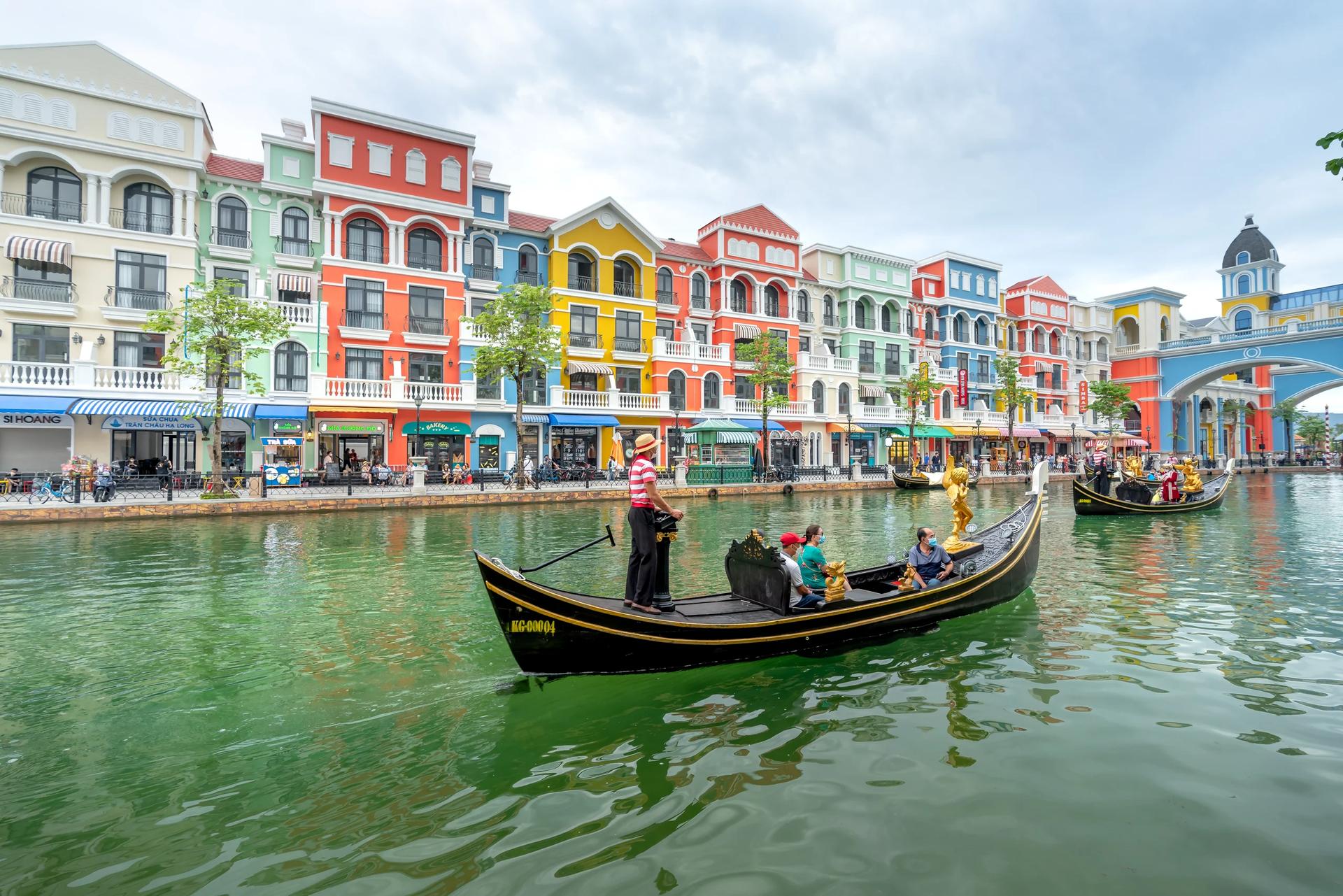
When is The Best Time to Visit Phu Quoc?
If you’re looking for the best time to visit Phu Quoc, most travelers recommend November to March, during the island’s dry season.
This is when Phu Quoc enjoys sunny days, calm seas, and lower humidity, creating ideal conditions for beach hopping, island tours, and outdoor exploration. The clear turquoise waters around the southern islands make it one of the best times for snorkeling and diving, while the pleasant evenings are perfect for strolling through night markets and enjoying fresh seafood by the coast.
The shoulder months, particularly April and late October, can also be a good option if you prefer fewer crowds and slightly lower prices, though you may encounter occasional heat or brief rain showers.
In short:
- November – March: Best for sunny weather, calm seas, and beach activities
- April & Late October: Best for fewer crowds and better deals with mixed weather
- Both periods offer great opportunities to enjoy Phu Quoc’s beaches, island hopping, local culture, and outdoor experiences comfortably throughout the day.
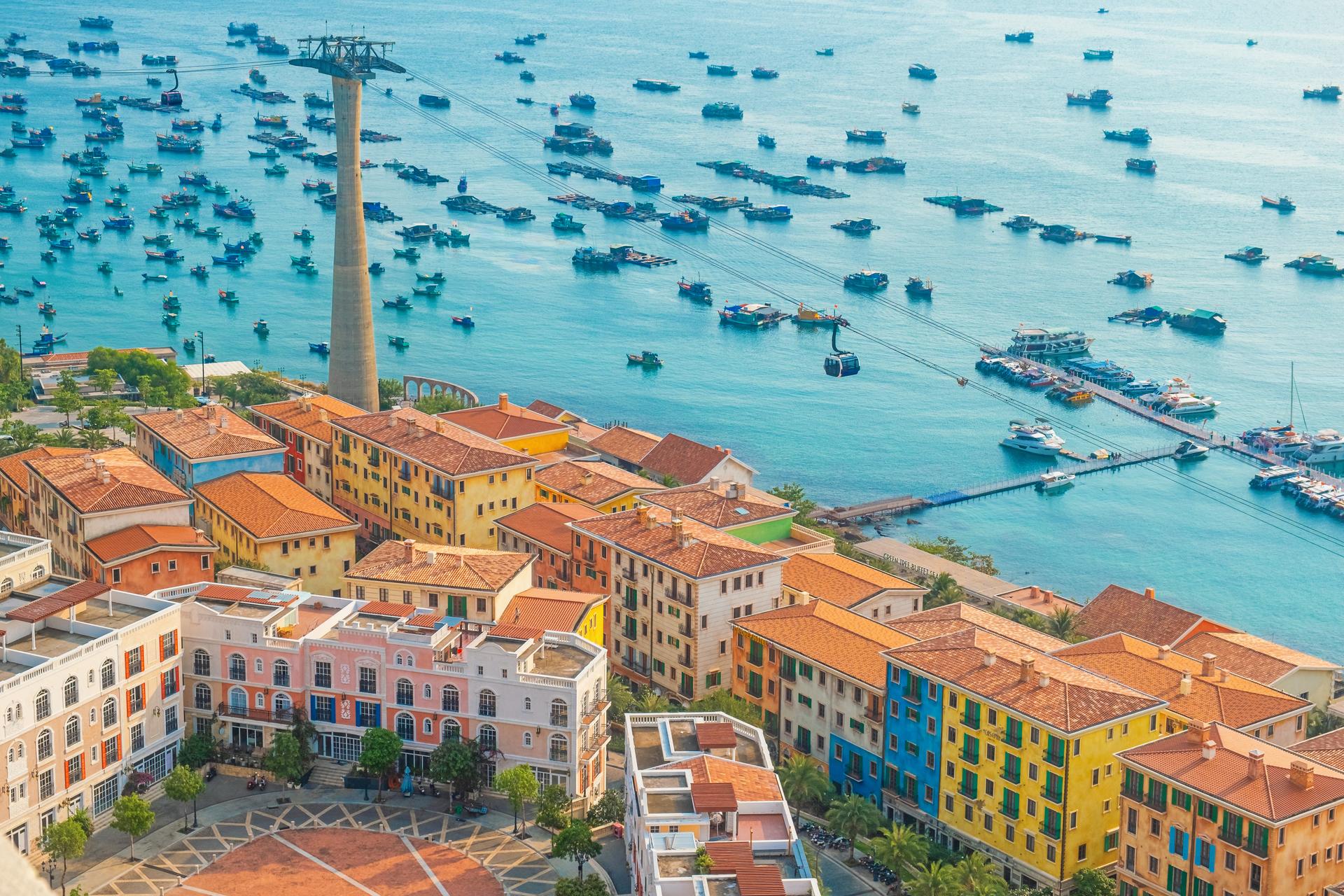
Phu Quoc Travel Seasons Overview
Phu Quoc’s tropical climate is dominated by two main seasons: dry and wet, with shoulder months bridging the extremes. Understanding these will help you decide when to plan your escape.
Dry Season (November – March)
The dry season is widely considered the best time to visit Phu Quoc. The skies are mostly clear, the sun shines generously, and the seas are calm—perfect conditions for beach activities, island-hopping, and water sports . Temperatures are pleasantly warm, averaging 25–30°C, making it ideal for both daytime adventures and evening strolls along the coast. This is also the peak tourist season, so beaches and popular attractions can get crowded, but the energy and vibrancy are part of the charm.
Why travelers love the dry season:
- Sunny days ideal for snorkeling, diving, and swimming
- Calm seas perfect for boat tours and sunset cruises
- Vibrant night markets and local festivals in full swing
- Cooler breezes make beach walks comfortable and scenic
Wet Season (May – October)
The wet season brings frequent tropical rains and higher humidity, but it’s not all bad news. Showers tend to be short but intense, often leaving the rest of the day clear.
The island becomes a lush green paradise, waterfalls flow in full force, and tourist crowds are much smaller, offering a more tranquil experience. While some tours and ferry rides may be affected by storms, those seeking solitude and natural beauty will find this season rewarding.
Wet season perks and challenges:
- Lush landscapes, waterfalls, and vibrant wildlife
- Quieter beaches and lower accommodation prices
- Occasional storms may disrupt ferry schedules
- Best suited for flexible travelers who don’t mind rain
Shoulder Months (April & Late October)
Shoulder months sit between the extremes, offering a mix of sunny days and sporadic rain. Weather can be unpredictable, but this period provides moderate crowd levels and more budget-friendly prices compared to the dry season.
Early travelers and photographers often prefer shoulder months for softer light, fewer tourists, and calm mornings on the beach.
Shoulder month insights:
- Mix of sunny and rainy days
- Moderate crowds, ideal for budget-conscious travelers
- Good for nature exploration and outdoor photography
- Prepare for occasional showers

Top Things to Do in Phu Quoc by Season
Phu Quoc is more than just pristine beaches—it’s a playground of tropical adventures, cultural experiences, and hidden gems. Your itinerary can change dramatically depending on the season, so here’s a detailed guide to help you make the most of your trip.
Dry Season (November – March)
During the dry season, the island comes alive under clear blue skies and golden sunlight. The calm waters invite you to explore the underwater world, while the warm, breezy days are perfect for beach-hopping and outdoor activities.
- Beach Bliss: Long Beach and Sao Beach offer powdery sand, gentle waves, and plenty of spots to relax or swim. Sunsets here are unforgettable, painting the horizon in shades of orange and pink.
- Snorkeling & Diving: The calm seas around the An Thoi Archipelago reveal vibrant coral reefs and tropical fish. Whether you’re a beginner or experienced diver, the underwater scenery is mesmerizing.
- Island Hopping Tours: Take a boat tour to explore May Rut Island, Gam Ghi Island, and Mong Tay Island (Fingernail Island), enjoying secluded beaches, snorkeling spots, and panoramic viewpoints.
- Night Markets & Local Cuisine: Dinh Cau Night Market and Phu Quoc Night Market come alive with the smell of grilled seafood, local snacks, and fresh tropical fruits. It’s the perfect place to immerse yourself in the island’s flavors.
- Sunset Cruises & Boat Tours: Hop on a boat to explore hidden coves and watch the sun dip below the horizon, reflecting on the turquoise waters.
Wet Season (May – October)
The wet season may bring rain, but it transforms Phu Quoc into a lush, tropical paradise. Waterfalls gush, forests glow in deep green, and the island feels calm and secluded—ideal for travelers seeking tranquility.
- Waterfall Adventures: Tranh Waterfall and Da Ban Stream are at their most spectacular. After a refreshing hike, you can swim in natural pools surrounded by thick jungle.
- Quiet Beaches: With fewer tourists, beaches like Ong Lang and Ganh Dau feel private and untouched. Perfect for reflective walks or meditative beach mornings.
- Nature & Wildlife: Explore Phu Quoc National Park, spotting tropical birds, monkeys, and exotic plants while enjoying peaceful forest trails.
- Fishing Villages: Visit An Thoi or Ham Ninh for an authentic glimpse of local life. Watch fishermen return with their daily catch and enjoy fresh seafood at tiny seaside eateries.
- Island Hopping (Optional): If the weather allows, short trips to Hon Thom can still be enjoyable for a quieter experience away from the crowds.
Shoulder Months (April & Late October)
The shoulder months strike a balance between the dry and wet seasons. Weather is mixed but manageable, and crowds are lighter, giving you more flexibility in planning.
- Photography & Sunrise: Early mornings are ideal for photographers chasing soft, golden light across beaches and harbors.
- Local Exploration: With fewer tourists, you can roam villages, visit pepper farms, or explore small temples without the crowds.
- Outdoor Activities: Kayaking, motorbike tours, or hiking can be enjoyed when the sun is out, while occasional showers provide a refreshing break from the heat.
- Relaxation & Wellness: Many resorts offer spa treatments, yoga sessions, or beachfront lounging without the peak-season bustle.

Travel Tips for Visiting Phu Quoc
Visiting Phu Quoc is a dream, but a little planning can turn a great trip into an unforgettable one. From packing essentials to navigating the island and experiencing local culture, these tips will help you make the most of your journey.
Walking along sandy beaches at sunrise, you’ll notice how the island comes alive slowly, from fishermen heading out to sea to local vendors setting up their stalls. Experiencing Phu Quoc like a local makes the adventure richer—you’ll find hidden gems that most travelers miss, whether it’s a quiet waterfall or a secret fishing village.
Practical Tips & Insights:
- Plan Around the Seasons: Visit between November and March for sunny days and calm seas. If you’re flexible, shoulder months like April and late October offer fewer crowds and moderate prices, while the wet season is best for those seeking lush nature and tranquility.
- Pack Smart: Lightweight, breathable clothing is essential for the tropical heat. Include swimwear, sun protection, a hat, and sunglasses. If traveling during the wet season, a light rain jacket or poncho is a must. Comfortable shoes are essential for exploring beaches, waterfalls, and national park trails.
- Local Transport: Renting a motorbike is one of the easiest ways to explore hidden beaches, pepper farms, and small villages. Taxis and ride-hailing apps are available for shorter trips or airport transfers.
- Stay Hydrated & Sun-Safe: Tropical sun can be intense, especially on beaches and during hikes. Carry water, apply sunscreen regularly, and seek shade during peak midday hours.
- Book Accommodation Early: During peak season (Dec–Feb), resorts and beachfront hotels fill quickly. Booking in advance ensures the best locations and rates.
- Immerse in Local Flavors: Night markets are the heartbeat of Phu Quoc’s culinary scene. Try grilled seafood, pepper crab, fresh tropical fruits, and the world-famous fish sauce—an island specialty.
- Flexible Itineraries: Weather can be unpredictable, especially during shoulder or wet months. Keep a mix of indoor and outdoor activities to adapt to sudden showers without missing experiences.
- Capture Memories: Early mornings and late afternoons offer the best natural light for photography. From golden beaches to forest trails, Phu Quoc’s beauty is everywhere—you’ll want to document it all.
By following these tips, you’ll move beyond just being a tourist—you’ll experience Phu Quoc like someone who knows its rhythm, enjoying both the bustling markets and tranquil corners of this tropical paradise.

Plan Your Unforgettable Phu Quoc Trip Today!
Phu Quoc is more than just a tropical island—it’s a place where golden beaches, turquoise waters, and lush forests come together to create unforgettable memories. Visiting during the dry season from November to March ensures sunny skies, calm seas, and the perfect backdrop for snorkeling, island-hopping, and exploring local markets.
Don’t wait for the crowds or the unpredictable rainy season—plan your Phu Quoc getaway now. Book your flights, secure your beachfront stay, and dive into the island’s vibrant culture and natural beauty with AirAsia MOVE. Whether you’re chasing adventure, tranquility, or culinary delights, Phu Quoc promises a trip you’ll remember forever.
Your next adventure is calling—make Phu Quoc your tropical escape today.

Indira L
17 April 2026