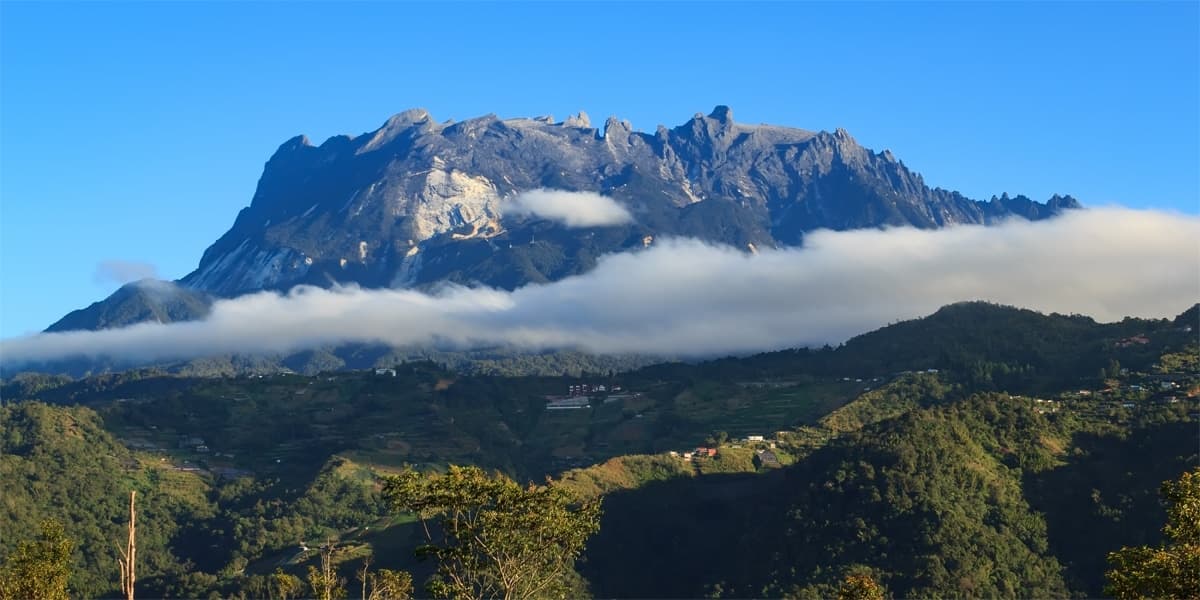
5 Facts About Mount Kinabalu, Borneo’s Highest Peak
Nestled in the highlands of Ranau in Malaysia’s Sabah state, Mount Kinabalu is one of the most popular attractions in Borneo.
Nestled in the highlands of Ranau in Malaysia’s Sabah state, Mount Kinabalu is one of the most popular attractions in Borneo.
Many visit the Land Below the Wind to make the arduous, 8.5-kilometre trek to the summit, Low’s Peak, over two days to catch the sunrise.
The majestic mountain is the most recognisable symbol of the East Malaysian state and is a central element in Sabah’s flag and coat of arms.
It is the world’s third-highest island peak
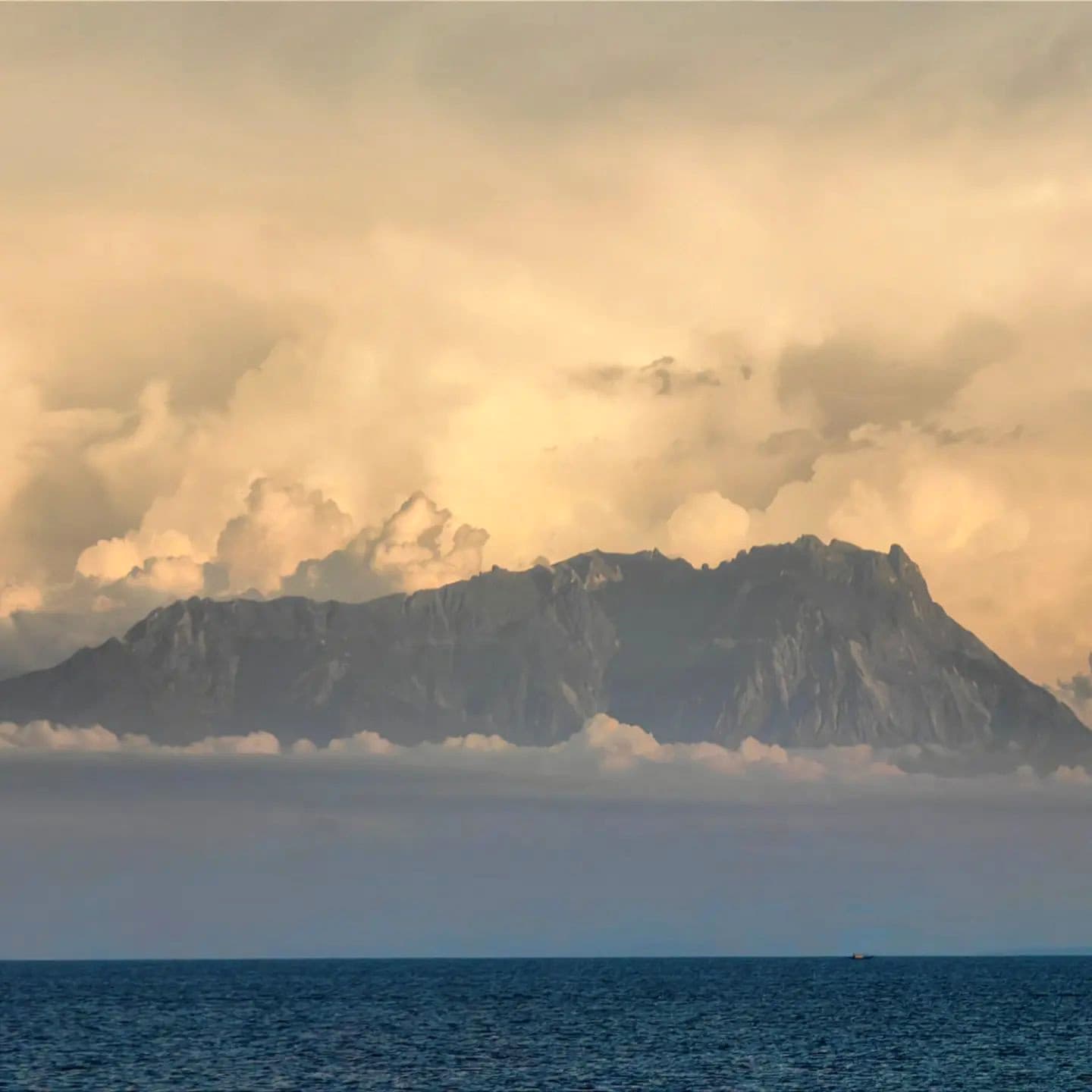
Image: Instagram @swoutyyjae
With an elevation of 4,095 metres, Mount Kinabalu is the tallest mountain in Malaysia and Borneo and the world’s third-highest peak of an island, after New Guinea’s Puncak Jaya and Mauna Kea in Hawaii.
While it is not the tallest mountain in Southeast Asia (it’s actually 29th), it is the highest peak between the Himalayas and New Guinea.
It is more than 15 million years old
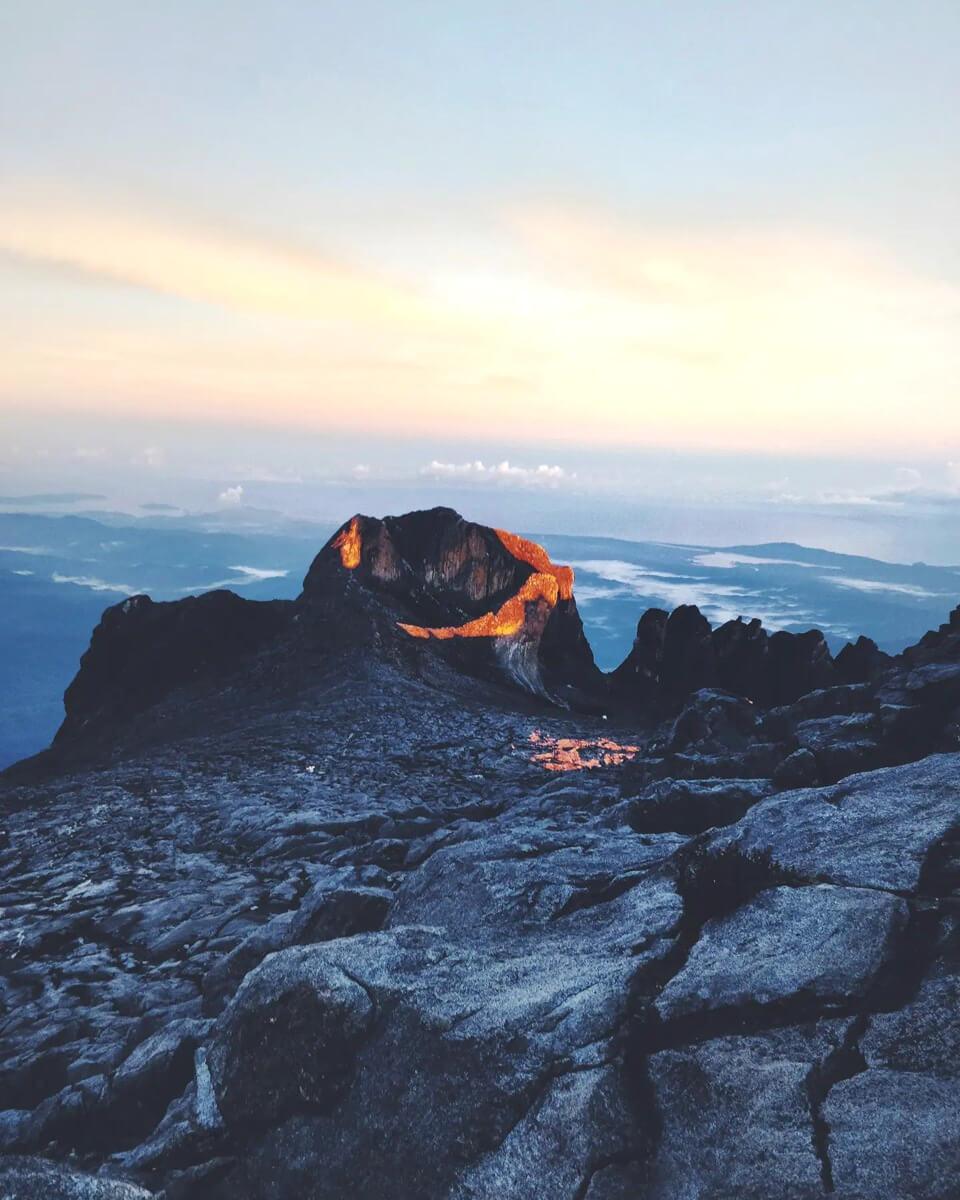
Image: Instagram @slkam
With an elevation of 4,095 metres, Mount Kinabalu is the tallest mountain in Malaysia and Borneo and the world’s third-highest peak of an island, after New Guinea’s Puncak Jaya and Mauna Kea in Hawaii.
While it is not the tallest mountain in Southeast Asia (it’s actually 29th), it is the highest peak between the Himalayas and New Guinea.
It is part of a world heritage site
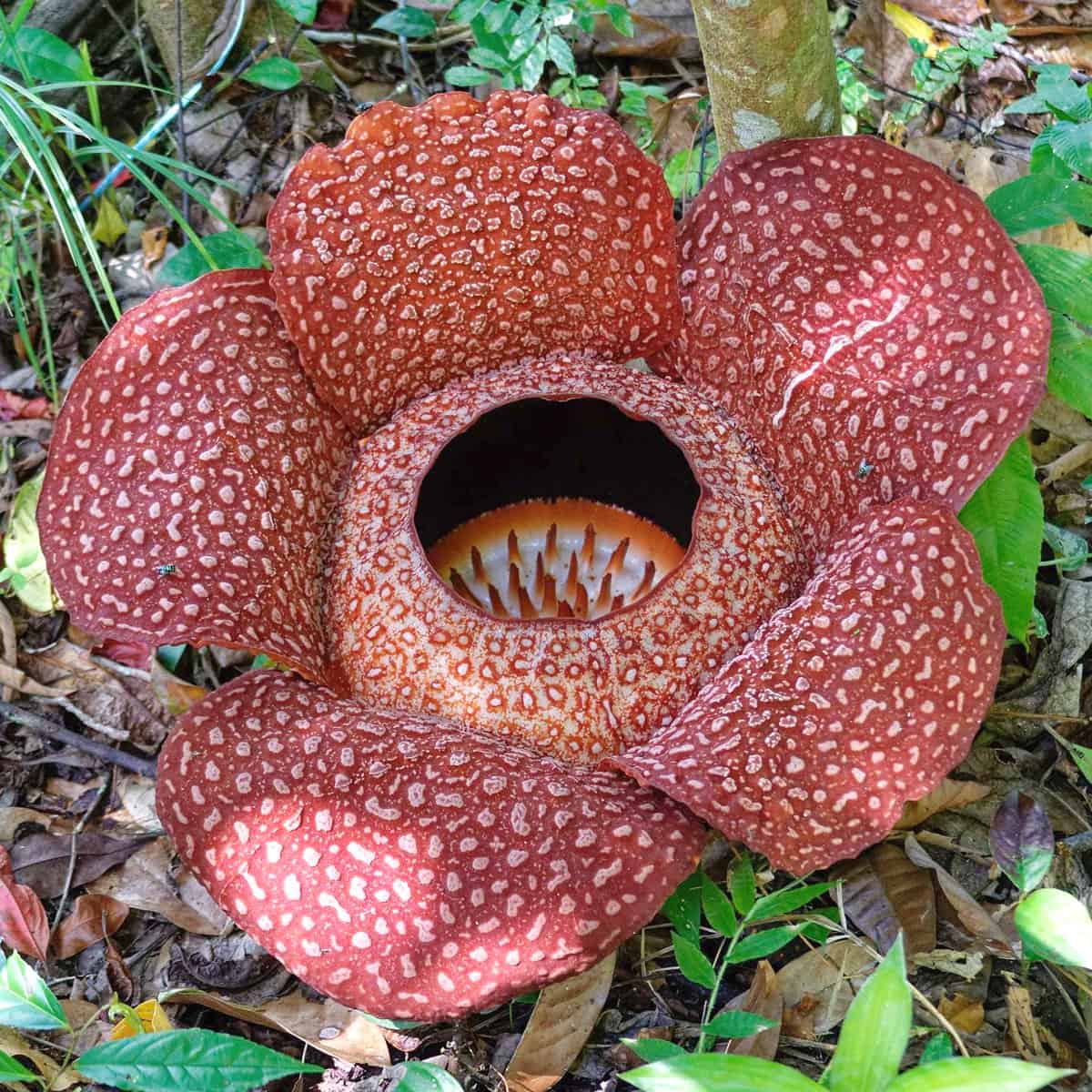
Image: Instagram @trotnatu_
Mount Kinabalu and its surroundings make up Kinabalu Park, one of the world’s most important biological sites with over 5,000 species of flora and fauna, including the gigantic Rafflesia plant and orangutans.
Exceptionally rich in flora from the Himalayas, China, Australia, Malaysia as well as pan-tropical flora, the park was inscribed as a UNESCO World Heritage site in 2000 and is a Centre of Plant Diversity for Southeast Asia.
It appears on the 100 ringgit note
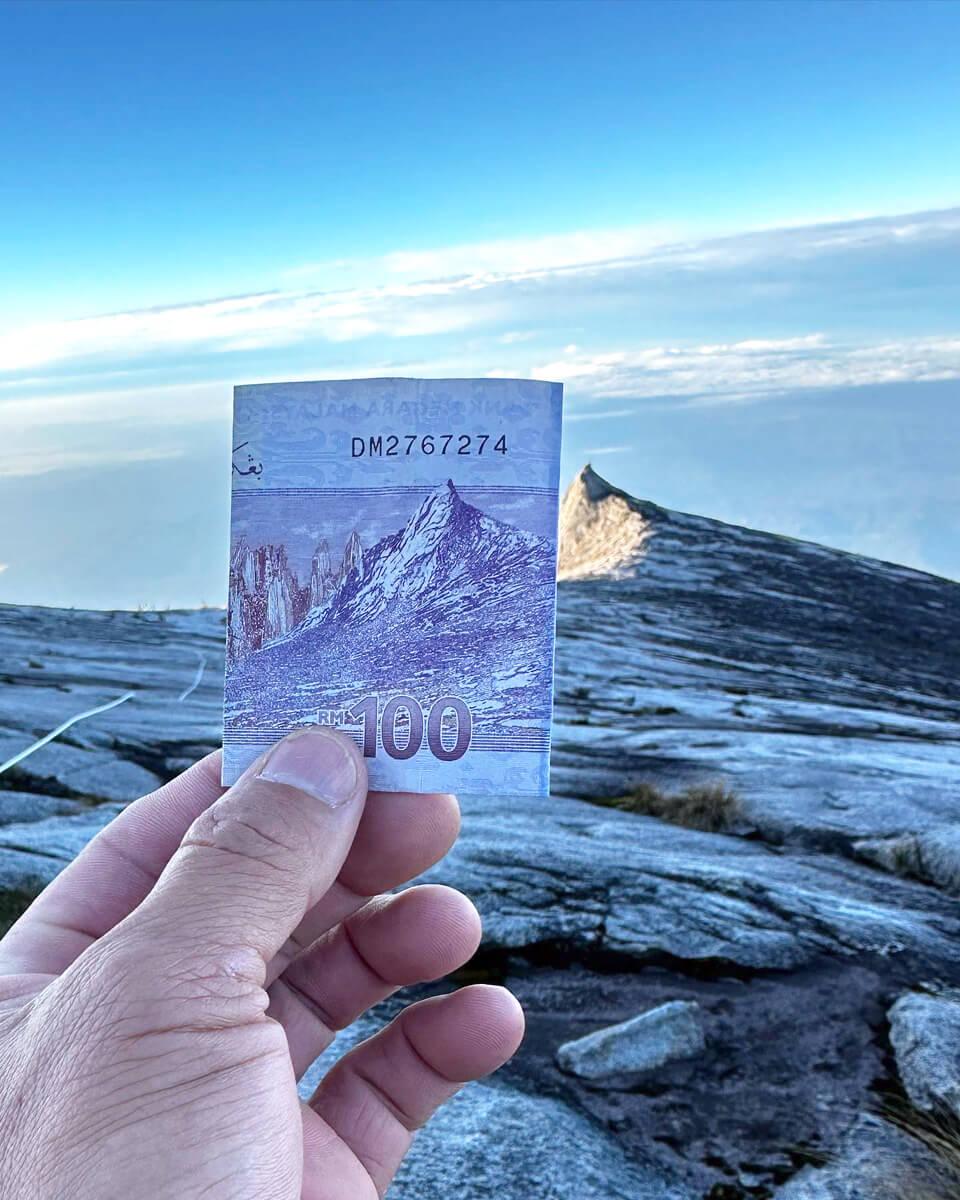
Image: Instagram @melli_____
Low’s Peak features prominently on the 100 Malaysian ringgit banknote, together with the limestone pinnacle rock formations of Gunung Api Valley in Sarawak’s Mulu National Park.
The two UNESCO World Heritage sites appear on the reverse side of the banknote, introduced in 2012 as part of the fourth series of currency notes.
Mouth Kinabalu is also depicted on the 1 ringgit banknote from the third series, issued between 2000 and 2012.
It is sacred to the Kadazandusun
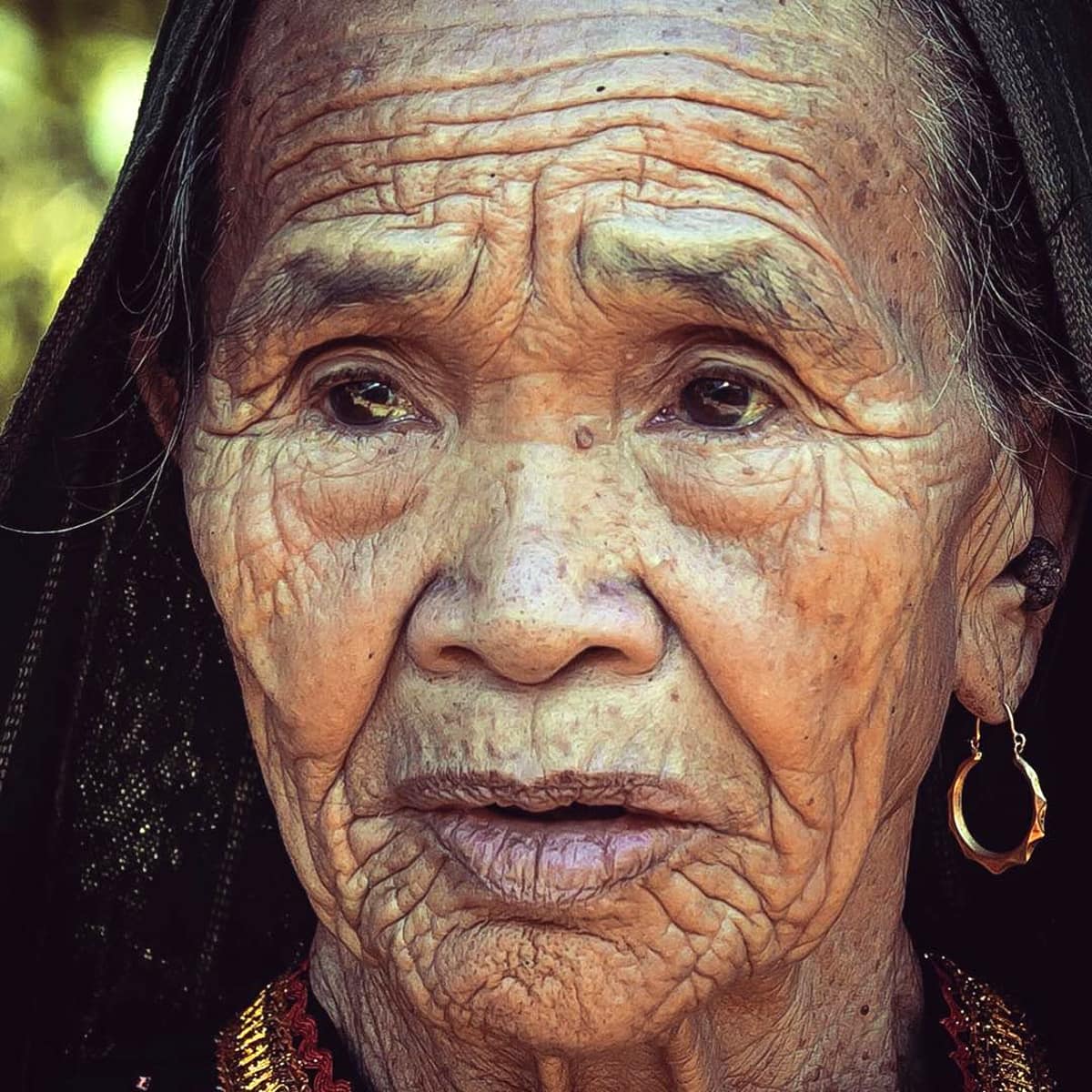
Image: Instagram @fidelisfrancis
Mount Kinabalu was traditionally regarded by the indigenous Kadazandusun as a resting ground for spirits. Its name is believed to be derived from Aki Nabalu or “revered abode of the dead” in Dusun.
In olden times, the deceased were buried facing the mountain so their spirit could easily reach it, with the aid of elaborate rituals conducted by the bobohizan, a native high priestess. There, their souls would remain until they passed into the afterlife known as Libabou.