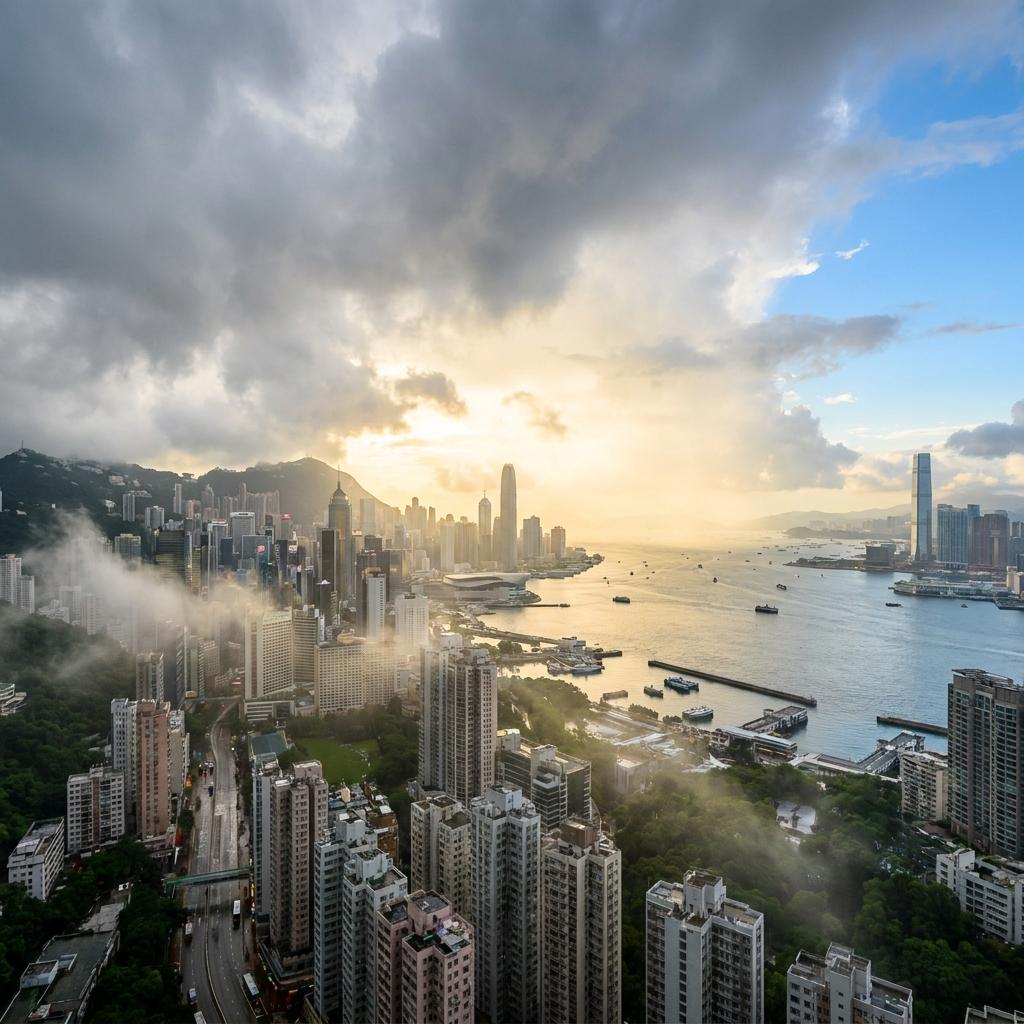
Hong Kong Weather by Month: When to Visit

Hong Kong weather by month ranges from cool, relatively dry winters to hot, humid summers with heavy rainfall and a risk of tropical cyclones. October and November are generally among the best months to visit Hong Kong for comfortable sightseeing, hiking and harbour views. Winter is also a good option for exploring the city in cooler weather, while summer suits travellers prepared for heat, rain and possible weather disruptions.
This guide covers average temperatures, rainfall, seasonal highlights and what to pack, so you can choose the best time to visit Hong Kong for your travel plans.
Hong Kong Weather at a Glance
Hong Kong has a humid subtropical climate with warm to hot summers, mild winters and a wetter period from late spring to early autumn. According to the Hong Kong Observatory's 1991–2020 climate normals, the annual mean temperature is 23.5°C, while average annual rainfall is approximately 2,431 mm.
Around 80% of Hong Kong's annual rainfall occurs between May and September. June and August are usually the wettest months, while January and December are among the driest.
| Month | Average Daily High | Average Daily Low | Average Rainfall | Typical Conditions |
|---|---|---|---|---|
| January | 18.7°C | 14.6°C | 33.2 mm | Cool and relatively dry |
| February | 19.4°C | 15.3°C | 38.9 mm | Mild, with increasing humidity |
| March | 21.9°C | 17.6°C | 75.3 mm | Mild, cloudy and increasingly humid |
| April | 25.6°C | 21.1°C | 153.0 mm | Warm, humid and showery |
| May | 28.8°C | 24.5°C | 290.6 mm | Hot, humid and increasingly wet |
| June | 30.7°C | 26.5°C | 491.5 mm | Hot, humid and very wet |
| July | 31.6°C | 26.9°C | 385.8 mm | Hot, humid and storm-prone |
| August | 31.3°C | 26.7°C | 453.2 mm | Hot, wet and prone to tropical cyclones |
| September | 30.5°C | 26.1°C | 321.4 mm | Hot, humid and still rainy |
| October | 28.1°C | 23.9°C | 120.3 mm | Warm, with less rain |
| November | 24.5°C | 20.3°C | 39.3 mm | Mild and relatively dry |
| December | 20.4°C | 16.2°C | 28.8 mm | Cool and usually dry |
Source: Hong Kong Observatory, 1991–2020 climate normals. Temperatures are average daily maximum and minimum values recorded at the Observatory, not guaranteed temperatures for individual travel dates.
What Is the Weather Like in Hong Kong?
Hong Kong's weather changes noticeably throughout the year. Winter, from December to February, is generally cool and relatively dry. Spring, from March to April, brings warmer temperatures and rising humidity, with mist and showers becoming more common.
Summer, from May to September, is hot and humid, with heavy rainfall, thunderstorms and a greater risk of tropical cyclones. Autumn, particularly October and November, is generally more comfortable for outdoor activities as temperatures and rainfall decrease.
For most first-time visitors, October and November offer a good balance of warm days and lower rainfall. December to February is another option if you prefer cooler conditions.
Hong Kong Weather Month by Month
January: Cool Weather for City Walks
January is generally Hong Kong's coolest month, with an average daily high of 18.7°C and a low of 14.6°C. Rainfall averages around 33 mm, making it one of the driest months of the year.
The cooler conditions are comfortable for walking through Central, exploring historic neighbourhoods and hiking on a clear day. However, cold fronts can bring colder, windy conditions, so temperatures may occasionally fall well below the monthly average.
What to pack: A light to medium jacket, long trousers, comfortable walking shoes and a few layers for cooler evenings.
December: Cool Days and Festive City Lights
December is generally cool and dry, with average daily highs of 20.4°C and lows of 16.2°C. Average rainfall is around 29 mm, the lowest monthly total in the 1991–2020 normals.
The comfortable weather is suitable for city walks, harbourfront sightseeing and exploring outdoor markets. Seasonal decorations and festive events add to the atmosphere, although schedules and displays vary each year.
Visitor demand may increase around Christmas and New Year, so compare accommodation options and check event dates before finalising your plans.
What to pack: A light jacket, long trousers, comfortable walking shoes and extra layers if you are sensitive to cooler weather.
November: Mild and Relatively Dry
November has average daily highs of 24.5°C and lows of 20.3°C. Rainfall averages around 39 mm, making it one of the driest months of the year.
The milder weather is well suited to hiking, walking through Central and Sheung Wan, exploring markets and enjoying views across Victoria Harbour. Outdoor plans are often easier to manage than during the wetter summer months, although conditions can still change.
November is a particularly good option for first-time visitors who want to spend much of their trip outdoors.
What to pack: Light layers, a thin jacket for cooler evenings and comfortable shoes for walking.
October: One of the Best Months to Visit Hong Kong
October is generally more comfortable for sightseeing as rainfall falls to around 120 mm. Average daily highs reach 28.1°C, while lows are around 23.9°C.
The warmer days are suitable for hiking, harbour cruises and exploring neighbourhoods on foot. Humidity and rainfall tend to decrease compared with summer, although occasional showers and tropical cyclone-related disruption remain possible.
October is a strong choice for travellers who want warm weather without the peak summer rainfall. Popular outdoor areas may be busy, particularly around public holidays and major events.
What to pack: Lightweight clothes, comfortable walking shoes, sun protection and a light layer for evenings.
September: Warm Weather and Continued Rainfall
September remains hot and humid, with average daily highs of 30.5°C and lows of 26.1°C. Average rainfall is around 321 mm, so wet weather and tropical cyclone risks remain relevant.
The Mid-Autumn Festival can bring lantern displays and seasonal events, but the date changes each year. Check local event listings before planning your visit around a celebration.
Outdoor sightseeing is possible during suitable weather, particularly when conditions are less humid. Keep plans flexible and check weather warnings before hiking or taking boat trips.
What to pack: Lightweight summer clothing, sunscreen, a compact rain jacket and comfortable walking shoes.
August: Hot, Humid and Very Wet
August has average daily highs of 31.3°C and lows of 26.7°C. Rainfall averages around 453 mm, making it one of Hong Kong's wettest months.
Tropical cyclones are a particular consideration during summer, and severe weather can disrupt transport, attractions and flights. This does not mean every day will be rainy, but it is worth keeping alternative plans available.
Schedule outdoor activities around the forecast and avoid exposed trails during thunderstorms or official severe weather warnings. Indoor attractions, shopping centres and museums can help balance a summer itinerary.
What to pack: Quick-drying clothes, sunscreen, a waterproof bag for electronics, an umbrella and comfortable footwear suitable for wet conditions.
July: Hot and Humid with Typhoon Risk
July is typically the hottest month by average daily maximum temperature, at 31.6°C. Average daily minimum temperature is 26.9°C, and rainfall averages around 386 mm.
The combination of heat, humidity and heavy showers can make outdoor sightseeing tiring. Tropical cyclones may also affect travel, although conditions vary from year to year and dry spells can occur.
Visit beaches such as Repulse Bay when conditions are suitable, or plan indoor stops in shopping districts such as Causeway Bay. Check official weather warnings before outdoor excursions.
What to pack: Light, breathable clothes, sunscreen, a hat, a refillable water bottle and rain protection.
June: Hong Kong's Wettest Month
June is hot and humid, with average daily highs of 30.7°C and lows of 26.5°C. Average rainfall reaches approximately 492 mm, the highest monthly total in the Observatory's 1991–2020 normals.
Heavy showers, thunderstorms and occasional tropical cyclone-related weather can affect outdoor activities. If you plan to visit outlying islands or take a boat trip, check the forecast and official warnings before departure.
Keep your itinerary flexible and choose indoor activities during periods of heavy rain. High humidity can also make long walks uncomfortable during the hottest part of the day.
What to pack: Breathable clothing, sun protection, a waterproof bag, quick-drying footwear and a lightweight rain jacket.
May: Hotter Days and the Start of the Wet Season
May has average daily highs of 28.8°C and lows of 24.5°C. Rainfall rises sharply to around 291 mm, making outdoor plans more vulnerable to showers and thunderstorms.
It is still possible to enjoy country parks, beaches and neighbourhood walks between wet spells, but high humidity can make exercise feel more tiring. Indoor attractions provide useful alternatives during heavy rain.
The Cheung Chau Bun Festival is a seasonal highlight that often takes place in May, although the date varies according to the lunar calendar.
What to pack: Lightweight, quick-drying clothes, sunscreen, a hat, an umbrella and a compact waterproof layer.
April: Warm, Humid and Increasingly Wet
April brings average daily highs of 25.6°C and lows of 21.1°C. Rainfall averages around 153 mm, and humidity is typically high. Showers and thunderstorms become more frequent as the wetter season approaches.
Plan a mix of outdoor sightseeing and indoor activities. You can explore neighbourhoods such as Sheung Wan and Central, but leave room to adjust your plans if rain affects walking routes or viewpoints.
Events such as the Hong Kong Sevens and Art Basel Hong Kong may take place around this period, depending on the annual schedule. Check official event dates before booking accommodation.
What to pack: Breathable clothes, a light rain jacket, an umbrella and comfortable shoes that can handle wet pavements.
March: Mild Weather with Increasing Humidity
March has average daily highs of 21.9°C and lows of 17.6°C. Rainfall rises to around 75 mm, and cloud, mist or fog can sometimes reduce visibility at elevated viewpoints such as Victoria Peak.
The temperatures are suitable for exploring the city on foot, taking the Peak Tram or visiting art galleries and covered markets. Allow extra time for outdoor viewpoints, as clear panoramas are not guaranteed.
What to pack: Lightweight layers, breathable clothing, comfortable walking shoes and a compact umbrella.
February: Mild Days and Lunar New Year Celebrations
February remains relatively cool, with average daily highs of 19.4°C and lows of 15.3°C. Rainfall averages around 39 mm, although cloudy, damp days can occur as humidity increases towards spring.
The month can be a good time for sightseeing and visiting museums, markets and waterfront districts. Lunar New Year sometimes falls in February, but its dates change each year. Festive events can be a highlight, while some businesses may adjust their opening hours and travel demand may increase.
What to pack: A light jacket, long-sleeved tops, comfortable shoes and a compact umbrella.
Best Time to Visit Hong Kong
The best time to visit Hong Kong depends on your preferred temperatures and activities. October and November are generally the strongest choices for comfortable outdoor sightseeing, while December to February suits travellers who prefer cooler weather and relatively little rain.
| Travel Preference | Best Months | Why Visit Then? |
|---|---|---|
| Comfortable sightseeing | October–November | Warm to mild temperatures and lower rainfall than summer |
| Hiking and outdoor activities | October–December, March | Generally more comfortable temperatures, although conditions vary |
| Cooler weather | December–February | Lower temperatures and relatively little rain |
| Beaches and swimming | June–September | Warm weather, but high humidity, heavy rain and tropical cyclone risks |
| Fewer weather-related concerns | November–February | Generally drier conditions, though cold fronts and occasional rain remain possible |
Weather is only one factor when choosing travel dates. Public holidays, major events and school breaks can affect crowd levels and prices, so compare dates before booking.
Hong Kong by Season: What to Expect
Winter: December to February
Winter is generally cool and relatively dry. It is a good time for city walks, sightseeing and exploring outdoor areas without the intense heat of summer. Cold fronts can occasionally bring colder and windier conditions, so bring layers.
Spring: March to April
Spring brings warmer temperatures and rising humidity. Cloud, mist and showers can affect visibility and outdoor plans. It is a good season for exploring neighbourhoods, museums and markets, provided you carry rain protection.
Summer: May to September
Summer is hot, humid and wet, with frequent heavy showers and a greater risk of tropical cyclones. Outdoor activities are still possible, but plan around the forecast and keep indoor alternatives available. Follow official warnings during severe weather.
Autumn: October to November
Autumn is generally warm to mild, with lower rainfall and more comfortable conditions for hiking, harbour cruises and outdoor dining. October is warmer, while November is usually cooler and drier. Both months are popular choices for sightseeing.
What to Pack for Hong Kong
Your packing list should reflect the season and the activities you plan to do.
| Season or Conditions | What to Pack |
|---|---|
| Hot and humid summer | Breathable clothing, sunscreen, a hat and a refillable water bottle |
| Wet weather | Compact umbrella, lightweight rain jacket and water-resistant bag |
| Cool winter days | Light jacket, long trousers and comfortable closed shoes |
| Spring and autumn | Lightweight layers, comfortable walking shoes and a compact umbrella |
| Hiking and outdoor activities | Suitable walking shoes, sun protection and enough water |
For trips between May and November, check the Hong Kong Observatory's forecast and warning system before heading outdoors. During severe weather, follow official advice and check transport or attraction updates before travelling.
Plan Your Hong Kong Trip Around the Weather
Once you have chosen your travel dates, compare flights and accommodation based on your preferred neighbourhood, budget and itinerary. If you are visiting during the wetter months, allow flexibility for outdoor activities and check your accommodation's cancellation terms before booking.
Explore hotels in Hong Kong with AirAsia MOVE to compare stays for your trip.

Indira L
20 October 2026