Best Winter Destinations in Europe: Where to Go in December, January & February
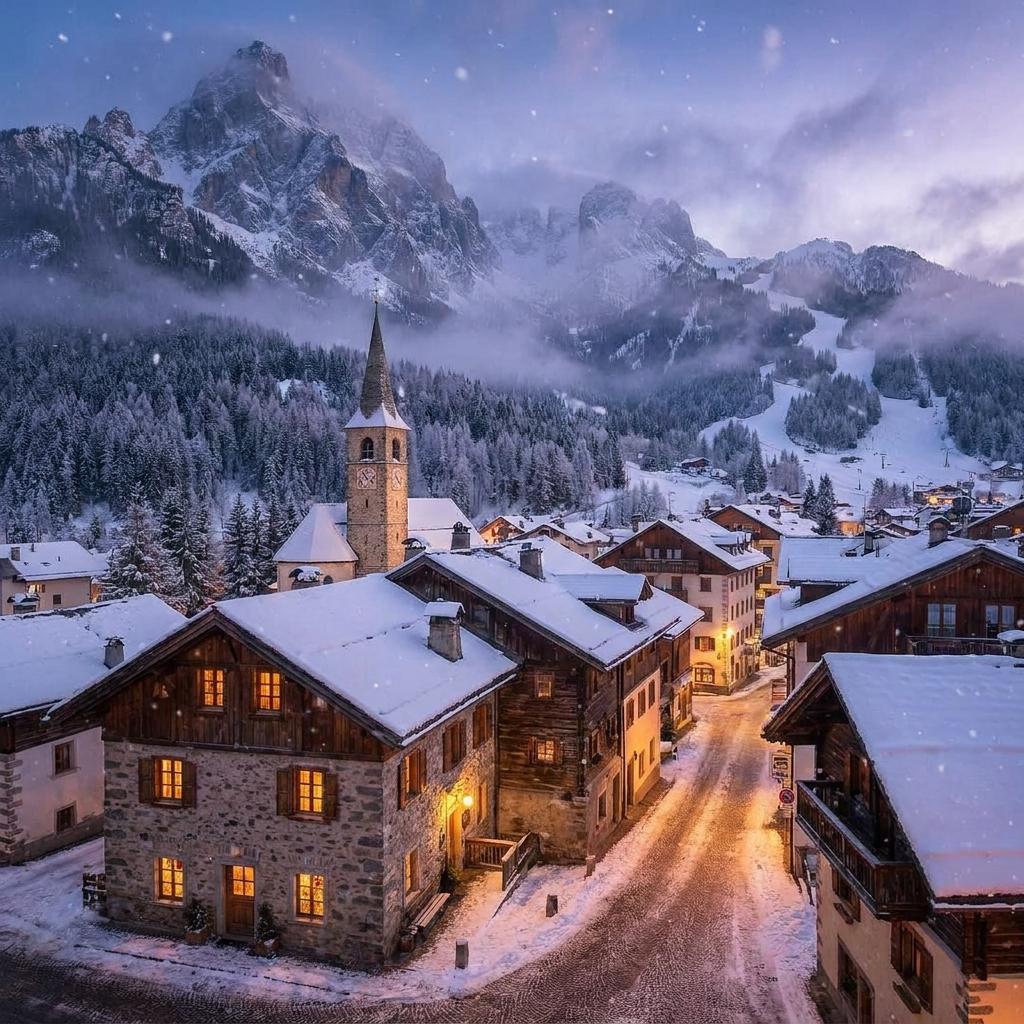
Europe in winter can look completely different depending on where you go. Think snow-covered villages in the Alps, festive Christmas markets in Central Europe, or mild, sunny days along the Mediterranean. From December to February, each destination offers a different kind of winter escape.
So, where should you actually go? This guide rounds up the best winter destinations in Europe based on the experience you want—from snowy adventures and festive city breaks to warmer coastal escapes and budget-friendly trips.
Best Places to Visit in Europe During Winter
Winter in Europe isn't one-size-fits-all. You could ski beneath the Alps in Switzerland and Austria, chase the Northern Lights in Finnish Lapland, wander through Christmas markets in Central Europe, or swap snow for mild Mediterranean days.
To make the choice easier, this shortlist covers nine winter destinations in Europe, grouped by the experience they do best. Use the table below to narrow down your options before diving into each destination in more detail.
Winter Europe at a glance: 9 destinations compared
| Destination | Best For | Winter Character | Best Month to Visit | Approx. Winter Temp. | Relative Cost |
|---|---|---|---|---|---|
| Zermatt, Switzerland | Skiing & mountain views | Snowy & alpine | January | Around -7°C | $$$ |
| Rovaniemi, Finland | Santa & Northern Lights | Snowy & Arctic | February | Around -10°C | $$ |
| Innsbruck, Austria | Skiing & alpine scenery | Snowy & alpine | January | Around 0°C | $$ |
| Vienna, Austria | Christmas markets | Festive & chilly | December | Around 1°C | $$ |
| Strasbourg, France | Christmas markets | Festive & chilly | December | Around 2°C | $$ |
| Prague, Czech Republic | Historic city & markets | Festive & cold | December | Around 0°C | $$ |
| Seville, Spain | Winter sunshine | Mild & sunny | January | Around 12°C | $$ |
| Valletta, Malta | Winter sunshine | Mild & bright | January | Around 13°C | $$ |
| Lisbon, Portugal | City breaks & mild weather | Mild & bright | January | Around 11°C | $$ |
Quick take: For reliable snow and skiing, look to the Alps. For a classic festive atmosphere, Vienna, Strasbourg, and Prague are strong choices. If you'd rather skip the freezing temperatures, Seville, Valletta, and Lisbon offer a milder European winter.
Temperatures are approximate and can vary by year, location, and time of day. Cost ratings are relative rather than fixed and can change depending on accommodation, transport, and travel dates.
Snowy Classics for Skiers and Rinter romantics
Explore Europe's best destinations for mountain adventures and enchanting snow-laden ambiance.
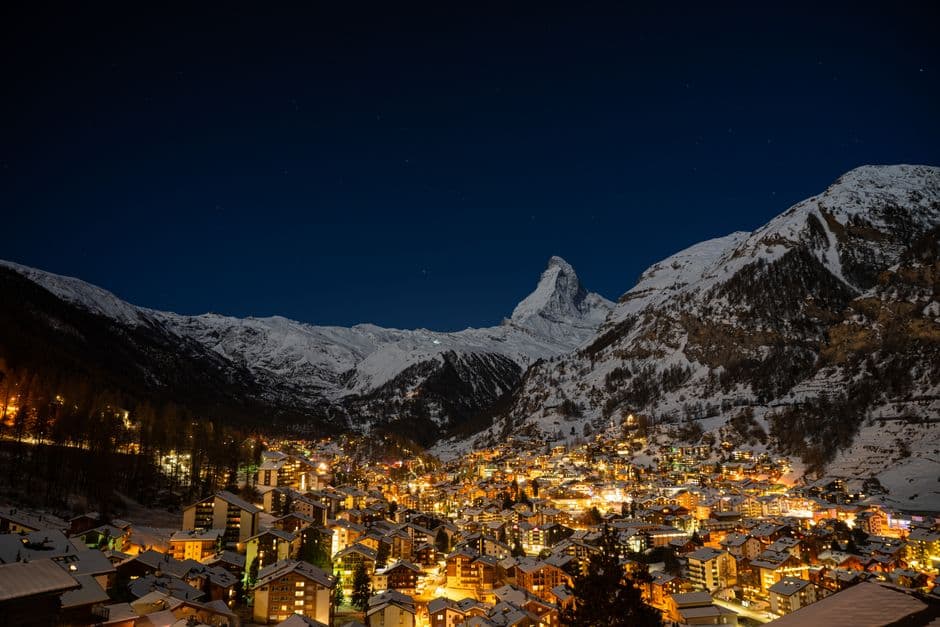
Zermatt nightscape with illuminated Matterhorn, Christian Buergi
1. Zermatt, Switzerland
Zermatt sits beneath the Matterhorn, surrounded by dramatic Alpine scenery and a large ski area. The village itself is car-free, with most local journeys made on foot or by electric transport, giving the centre a quieter feel even during the busy winter season.
Spend your days skiing across the Matterhorn Ski Paradise or taking in the mountain views from the surrounding peaks. Back in the village, explore its compact streets, settle into a mountain restaurant, or simply enjoy the Matterhorn views as the sun goes down.
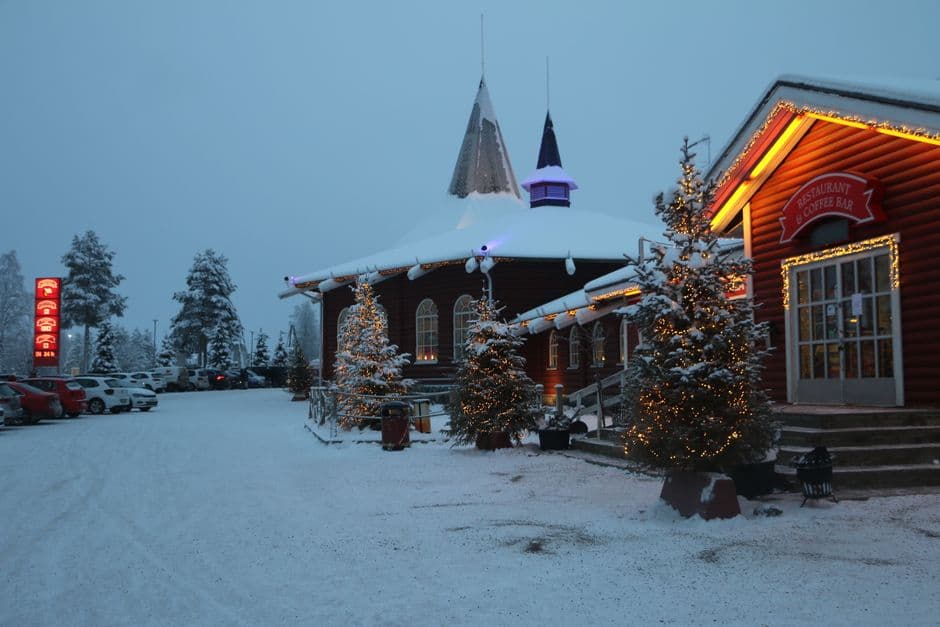
Santa Claus Village, Rovaniemi, Finland — doctor on travel
2. Rovaniemi, Finland
Zermatt sits beneath the Matterhorn, surrounded by dramatic Alpine scenery and a large ski area. The village itself is car-free, with most local journeys made on foot or by electric transport, giving the centre a quieter feel even during the busy winter season.
Spend your days skiing across the Matterhorn Ski Paradise or taking in the mountain views from the surrounding peaks. Back in the village, explore its compact streets, settle into a mountain restaurant, or simply enjoy the Matterhorn views as the sun goes down.
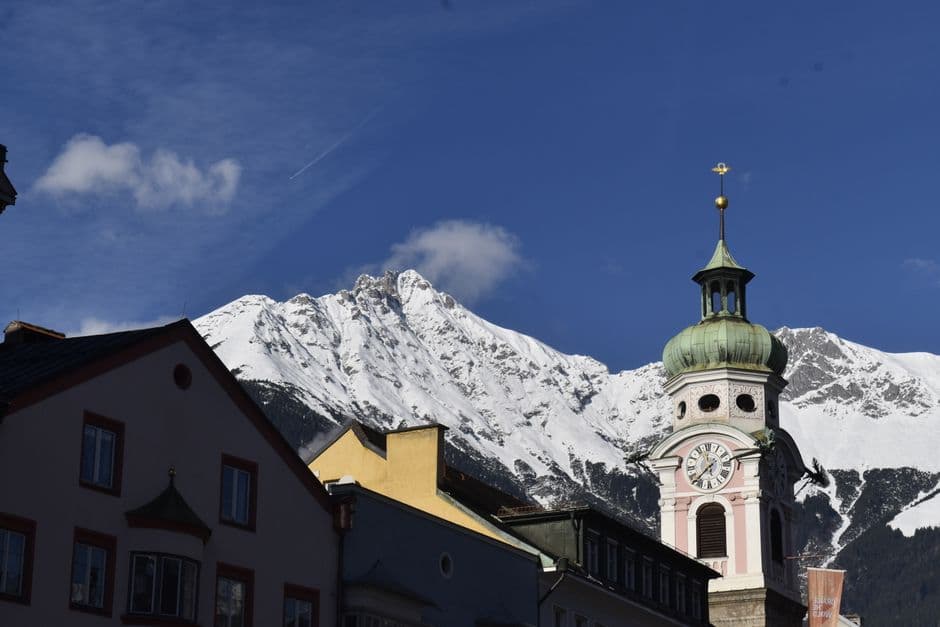
Barbara Rubele, Innsbruck architecture against snowy Alps in Tirolo, Austria
3. Innsbruck, Austria
Innsbruck brings together a historic city centre and the mountains of Tyrol, making it easy to combine sightseeing with a winter mountain escape. The Old Town sits beneath the Nordkette range, where the landscape rises to around 2,300 metres above sea level.
Take the Nordkette lifts from the city centre towards Seegrube and Hafelekar for panoramic mountain views, or head to the slopes for winter sports when conditions allow. Back in town, explore the historic Old Town, admire the Golden Roof, and stop at a café to warm up after a day outside.
The Best European Cities for Christmas Markets and Festive Atmosphere
Immerse yourself in the heart of Europe's most magical festive scenes and old-world holiday traditions.
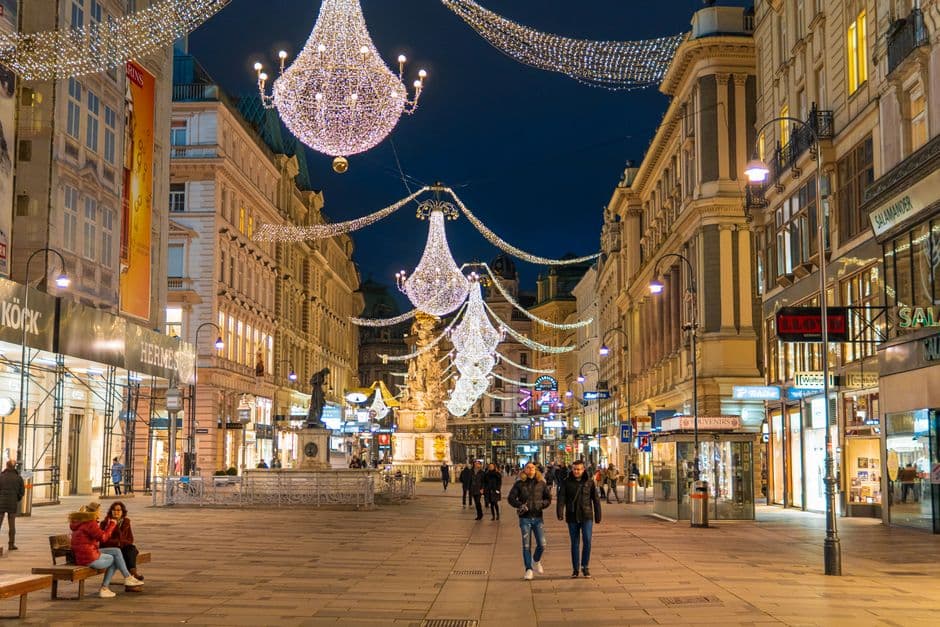
Graben Street in Vienna at night, festive Christmas lights — Anton Uniqueton
1. Vienna, Austria
Vienna is one of Europe's classic Christmas market destinations, with festive stalls and seasonal lights appearing across the city in December. The markets range from the grand setting of Rathausplatz to smaller neighbourhood markets, giving you plenty of ways to experience Vienna's winter atmosphere.
Start at Rathausplatz, where the main Christmas market sits in front of Vienna's City Hall, then explore other markets around the city. Between market stops, warm up with Austrian treats and hot drinks, or visit Vienna's museums and palaces when you want a break from the cold.
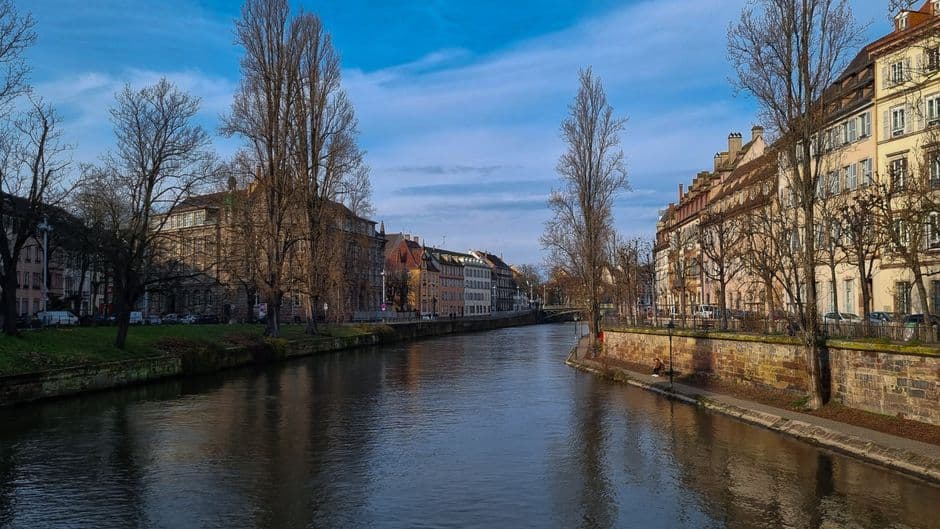
Strasbourg canal in winter, celo
2. Strasbourg, France
Strasbourg has one of Europe's longest-running Christmas market traditions, with its historic Christkindelsmärik dating back to 1570. The city embraces the festive season with decorated streets, illuminated buildings, market stalls, and a large Christmas tree at Place Kléber.
Explore the markets around the historic centre before wandering through the canals and half-timbered streets of Petite France. Look out for Alsatian specialities and traditional vin chaud, then take an evening walk to see Strasbourg's Christmas lights after dark.
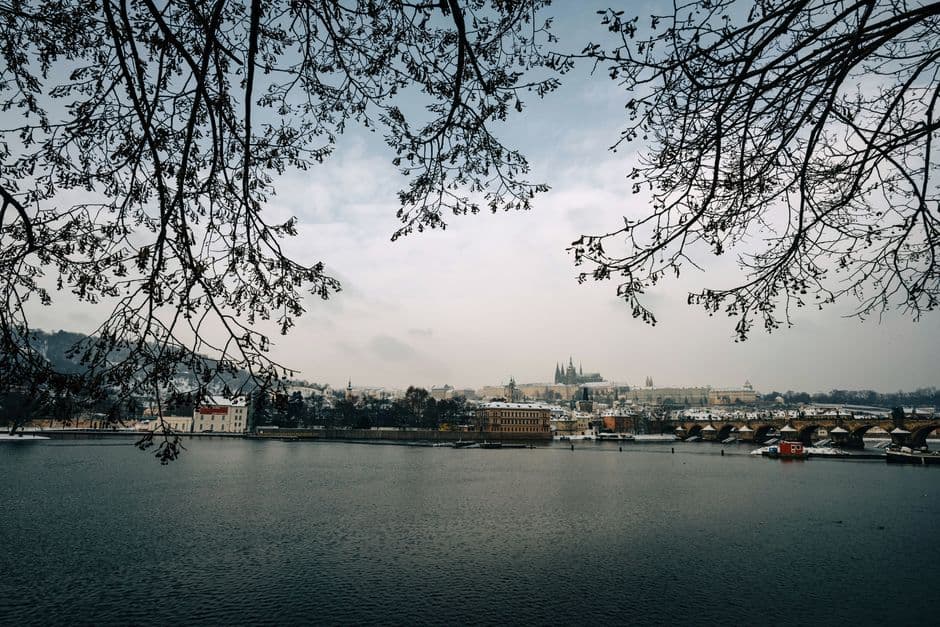
Prague Castle and Charles Bridge in winter, Helena Jankovičová Kováčová
3. Prague, Czech Republic
Prague combines its medieval architecture with a lively Christmas atmosphere, making December an especially atmospheric time to visit. The city's main Christmas markets are centred around historic locations including Old Town Square and Wenceslas Square, with stalls selling seasonal food, drinks, crafts, and gifts.
Start at Old Town Square before walking towards Wenceslas Square and exploring the surrounding historic streets. Try traditional Czech Christmas treats and warm up with a cup of mulled wine while taking in the historic architecture around the markets.
Winter Sun Escapes: Mild European Cities for December to February
Swap snow for rays—these cities offer warmth, vivid color, and a slice of Mediterranean life in the heart of winter.
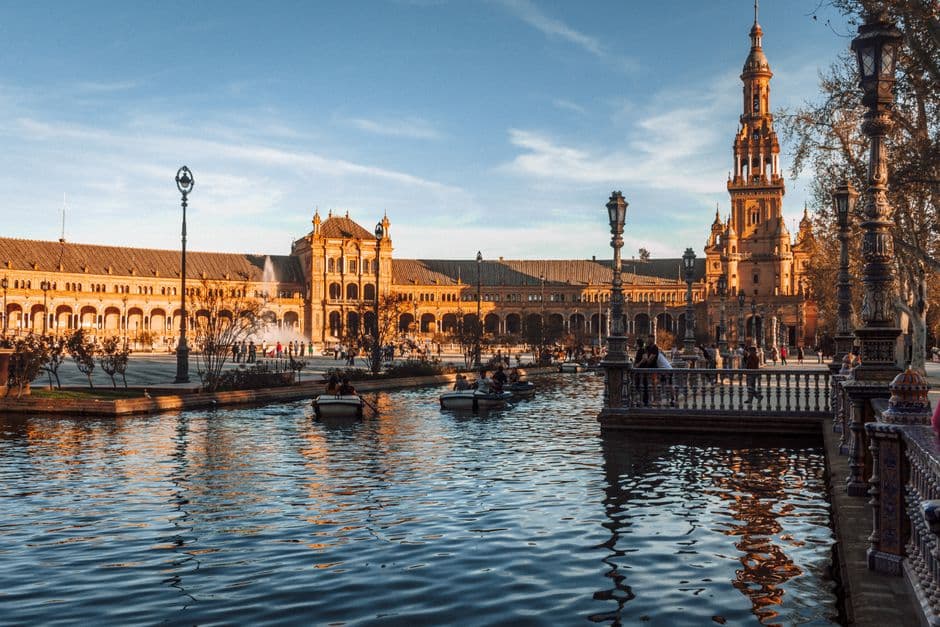
Plaza de España in Seville at sunset, DANIEL YAMPOLSCHI
1. Seville, Spain
Seville offers a much milder winter than northern Europe, making it a good choice for exploring outdoors without heavy winter layers. Its historic centre, grand plazas, orange trees, and lively tapas scene give the city plenty of character even outside the peak summer season.
Spend the day wandering around Plaza de España, exploring the gardens of the Real Alcázar, or stopping for tapas in the historic centre. Winter is also a comfortable time for long walks through the city, although temperatures can still drop in the evenings.
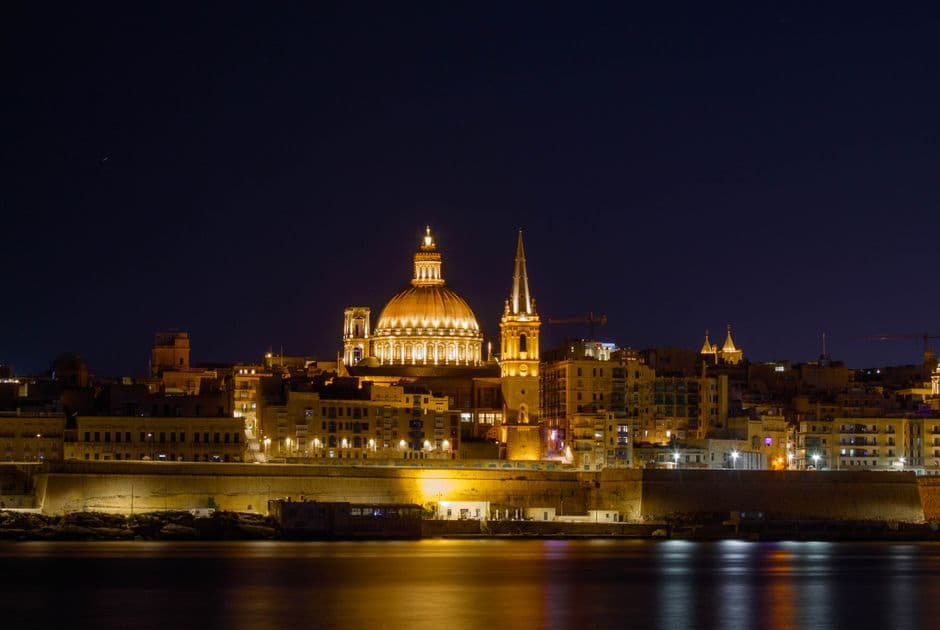
Valletta skyline at night, Angelos Lamprakopoulos
2. Valletta, Malta
Valletta is a compact Mediterranean capital with historic streets, harbour views, and plenty of attractions that can be explored on foot. Its winter climate is considerably milder than much of continental Europe, making it an option for travellers who want a European city break without freezing temperatures.
Walk along the city walls, visit the Upper Barrakka Gardens for views across the Grand Harbour, and explore Valletta's churches and historic buildings. January can be pleasant for sightseeing, but it is still winter, so expect cooler temperatures and the possibility of rain rather than beach weather every day.
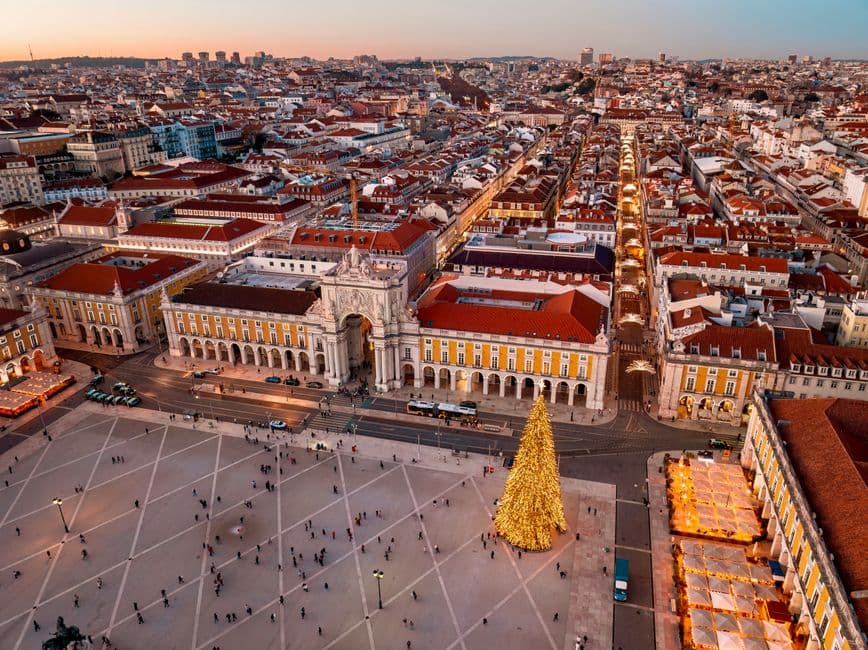
Lisbon skyline with festive Praça do Comércio tree, Matej Simko
3. Lisbon, Portugal
Lisbon's mild winter makes it a popular choice for travellers who want to explore Europe without the colder conditions found farther north. The Portuguese capital combines historic neighbourhoods, tiled façades, viewpoints, and a strong café culture, with plenty to see both outdoors and indoors.
Spend the day riding Lisbon's iconic trams, exploring Alfama, or taking in the views from one of the city's miradouros. Leave time for classic Portuguese pastries such as pastéis de nata, and keep a light rain jacket handy—winter is one of Lisbon's wetter periods.
Which Month to Go: December, January, or February?
The best month for a winter trip to Europe depends on the experience you want and how much cold you are comfortable with. December is ideal for Christmas markets and festive atmosphere, January brings the heart of the winter season, while February combines snow sports and winter events with slightly longer days. Weather varies widely across the continent, so a snowy trip to Switzerland or Finland can feel completely different from a milder escape to Spain or Portugal.
December
Weather: December marks the start of winter across Europe, with cold and often snowy conditions in northern and central countries. Switzerland, Austria, and Finland are good choices for snowy landscapes and winter activities, while Spain, Portugal, and Malta generally have milder conditions. In Finnish Lapland, December is firmly part of the winter season, with temperatures often below freezing.
December is the month to visit Europe for Christmas markets, festive decorations, and seasonal events. Countries such as Austria, France, and the Czech Republic are known for their Christmas market traditions, while Switzerland and Finland offer a more snow-focused experience. If festive markets are your priority, travelling in the first half of December can give you plenty of seasonal atmosphere before the Christmas travel rush.
January
Weather: January is typically the coldest part of winter across much of northern and central Europe. Expect freezing temperatures and snow in countries such as Finland, Switzerland, and Austria, while southern countries including Spain, Portugal, and Malta are generally milder. Rain is still possible in the south, so pack for changeable weather rather than guaranteed sunshine.
January brings a quieter side of European winter. Christmas markets have mostly finished, but ski resorts remain in full winter mode and snowy landscapes are still a major draw. If you'd rather avoid the cold, southern Europe can offer a more comfortable sightseeing experience, with countries such as Spain, Portugal, and Malta offering milder winter temperatures.
February
Weather: February remains cold across northern and central Europe, with snowy conditions still common in countries such as Finland, Switzerland, and Austria. Further south, temperatures gradually become milder and daylight increases, although winter rain and chilly days are still possible in Portugal, Spain, and Malta.
February is a good month for winter sports, snowy scenery, and Carnival celebrations. Italy is particularly known for its Carnival traditions, while Alpine countries remain popular for skiing. If you'd prefer to escape the deepest cold, southern European countries such as Portugal and Spain offer a milder alternative, although February is still part of their winter season.
Quick weather guide: Choose December for Christmas markets and festive travel, January for a classic deep-winter experience, and February for skiing, Carnival, and gradually longer days. For milder winter weather, look towards southern Europe, particularly Spain, Portugal, and Malta.
Ready to plan your European winter escape?
From snowy mountains in Switzerland to festive markets in Austria and milder winter days in Portugal, Europe has a destination for every kind of winter trip. Once you've picked your country, lock in the essentials and start building your itinerary.
Find your flight and hotel on AirAsia MOVE and plan your winter getaway in one place. Compare flight options, choose a stay that fits your trip, and get ready to experience Europe your way.

Indira L
28 September 2026