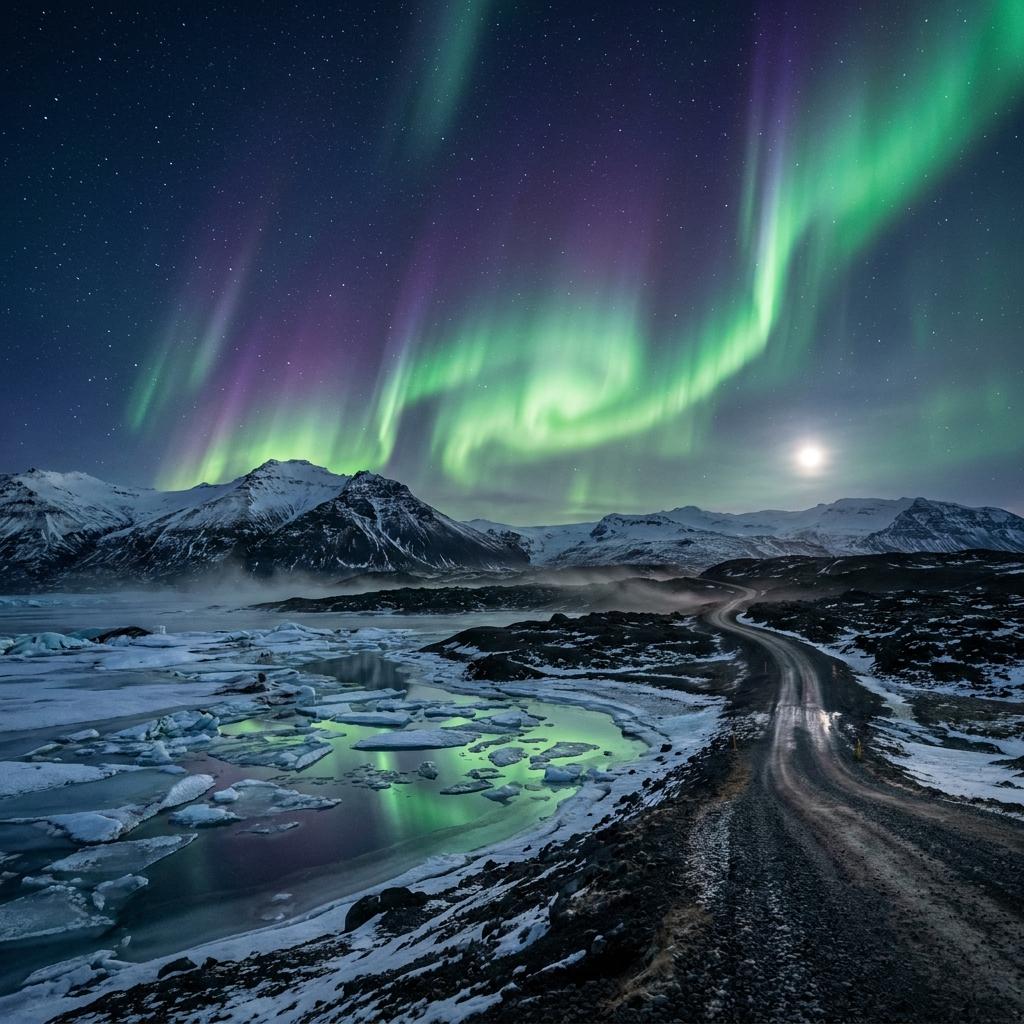
Best Time to Visit Iceland: When To See Northern Lights
Iceland's Northern Lights season brings the chance to see green ribbons of light move across a dark sky, sometimes framed by glaciers, mountains and volcanic landscapes. But knowing when to visit Iceland for the best Northern Lights takes more than choosing a winter date.
You need dark skies, favourable cloud conditions and enough flexibility to wait for the right moment. The season generally runs from late August or September to early April, with each part of the season offering a different balance of darkness, weather and daytime sightseeing.
This guide covers the best time to visit Iceland, best time to see the Northern Lights in Iceland, the differences between autumn and winter travel, how to check the aurora forecast and what to plan before heading out after dark.
When Is the Best Time to See the Northern Lights in Iceland?
The best time to see the Northern Lights in Iceland is generally from September to March, with viewing opportunities extending into late August and early April when the nights are dark enough.
For many travellers, September to October and February to March offer a good balance of aurora viewing and daytime exploration. November to January brings longer nights, but winter weather can make driving and sightseeing more challenging.
There is no single best month for everyone. Your ideal travel dates depend on whether you prioritise long hours of darkness, winter scenery or more time to explore Iceland during daylight.
Three conditions matter most:
- Darkness: The sky needs to be dark enough for the aurora to be visible. Iceland's bright summer nights make the Northern Lights difficult to see.
- Clear skies: Thick cloud can hide the aurora, even when activity is strong. Look for clear or partly clear skies in the area where you plan to watch.
- Aurora activity: Solar activity affects how the Northern Lights appear. A strong display can be spectacular, but you do not always need a high forecast reading to see them.
The Icelandic Met Office publishes an aurora forecast showing cloud cover and expected auroral activity. Check both before deciding where to spend the evening.
Iceland Northern Lights Season: Month-by-Month Guide
The Northern Lights can appear throughout the aurora season, but the experience changes as Iceland moves from autumn into winter and spring.
| Month | What to expect | Best for |
|---|---|---|
| Late August | Darkness begins to return, although nights are still relatively short. | Travellers who want to combine early-season aurora watching with summer-like daylight. |
| September | Longer nights return, while many daytime attractions remain accessible. | A balance of sightseeing and aurora hunting. |
| October | Darker evenings and autumn landscapes create good conditions for a varied itinerary. | First-time visitors who want both outdoor exploration and Northern Lights opportunities. |
| November | Longer nights, colder weather and a greater chance of winter driving conditions. | Travellers prepared for changing weather and shorter sightseeing days. |
| December | Very long nights and a festive winter atmosphere, but limited daylight and potentially difficult travel conditions. | Winter scenery, seasonal city activities and extended opportunities to watch the sky. |
| January | Long nights continue, with winter weather potentially affecting road access and excursions. | Travellers who prioritise darkness and are comfortable adapting their plans. |
| February | Nights remain long enough for aurora watching, while daylight gradually increases. | A winter trip that includes daytime activities and evening aurora searches. |
| March | Longer days return, but the nights remain dark enough for Northern Lights viewing. | Travellers seeking a mix of winter scenery, outdoor activities and aurora watching. |
| Early April | Aurora viewing remains possible, although the nights become shorter as spring approaches. | Travellers who want spring sightseeing with a chance of seeing the lights. |
These are seasonal guidelines, not predictions of how many clear nights you will get. Conditions can differ considerably between regions and from one week to the next.
Planning tip: Allow several nights for aurora watching rather than relying on a single evening. A longer stay gives you more opportunities to find clear skies and favourable activity, although sightings can never be guaranteed.
Autumn, Midwinter or Early Spring: Which Should You Choose?
Iceland offers a different kind of Northern Lights trip in each part of the season. The right choice depends on how much darkness you want and how much daytime exploration matters to you.
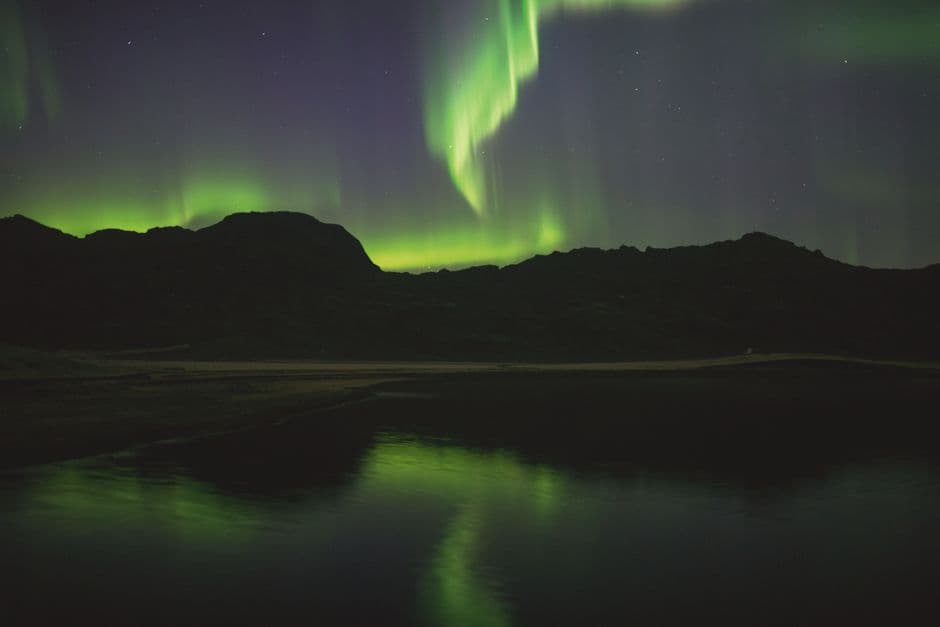
Northern lights over Icelandic lake and mountains – best time to see the northern lights in iceland during autumn, Piotr Kowalonek
Autumn: September to October
Autumn is a good starting point for travellers who want to experience Iceland beyond its winter landscapes. Nights become longer, while daylight still leaves time to visit waterfalls, explore coastal scenery and enjoy outdoor excursions.
Temperatures gradually cool, and rain and wind can affect plans. Snow and ice are also possible, particularly at higher elevations and later in the season. Conditions vary, so check local forecasts before planning longer drives.
Choose autumn if: You want to balance Northern Lights watching with sightseeing and prefer to travel before the darkest part of winter.
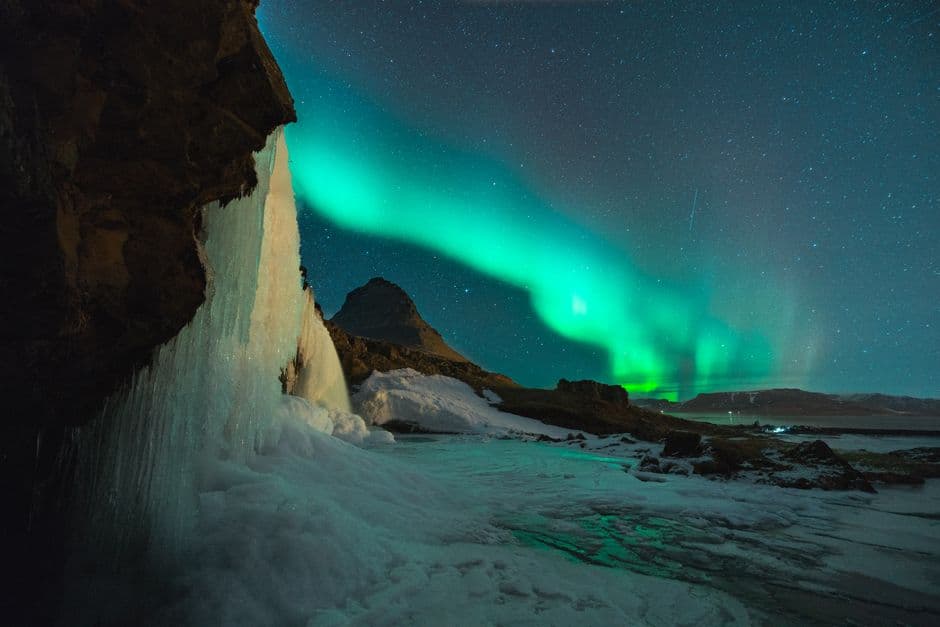
Northern lights over Kirkjufell mountain and frozen waterfall – northern lights iceland best time to see in midwinter, Simon Migaj
Midwinter: November to January
Midwinter brings some of Iceland's longest nights, giving you a wider window to look for the aurora. Snow-covered landscapes and festive activities can add to the experience, especially around December.
The trade-off is limited daylight. Around the December solstice, Reykjavík has only about four hours of daylight, and winter storms can disrupt driving, tours and outdoor activities.
Plan daytime excursions carefully and leave room to change your itinerary if conditions deteriorate. If you are unfamiliar with winter driving, a guided tour can be a more practical option than trying to chase clear skies yourself.
Choose midwinter if: Long nights, winter scenery and seasonal experiences matter more to you than having long sightseeing days.
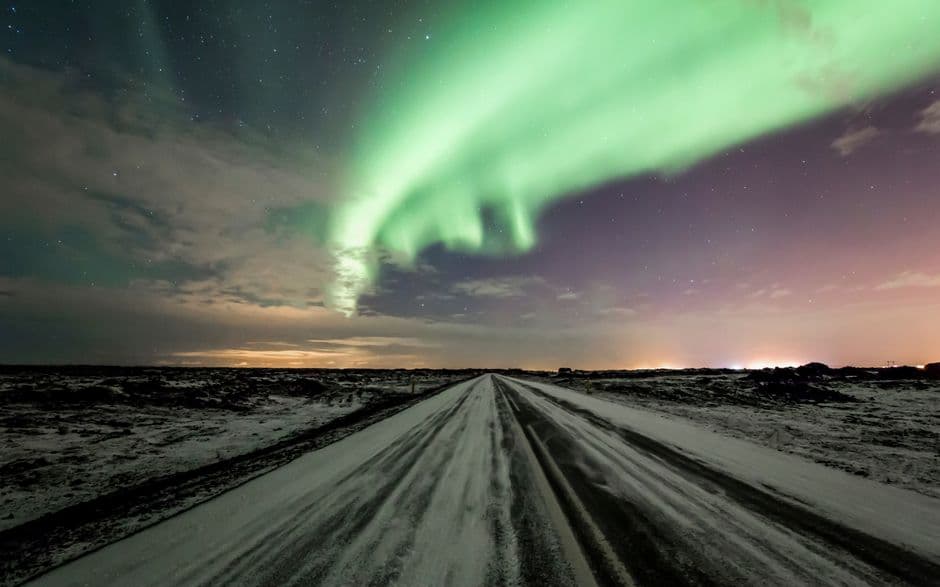
Northern lights over a snowy road – best time to travel to iceland northern lights in early spring, Gylfi Gylfason
Late winter and early spring: February to March
February and March offer a useful balance between darkness and increasing daylight. You can still plan evening aurora searches while making more time for daytime excursions as spring approaches.
Winter conditions can persist, however. Snow, ice, strong winds and road closures remain possible, so do not assume that later winter automatically means easier travel.
March is also close to the spring equinox, a period often highlighted by aurora guides. However, the equinox is not a guarantee of stronger displays on any particular night. Cloud cover, darkness and solar activity still determine what you can see.
Choose February or March if: You want a winter trip with opportunities for both aurora watching and daytime exploration.
What Time of Night Can You See the Northern Lights in Iceland?
The Northern Lights can appear at different times during the hours of darkness. Around 10 PM to 1 AM is a useful period to keep free for viewing, but it is not a strict window. Displays may occur earlier or later, depending on conditions.
Rather than staying outside all night without a plan, check the forecast in the evening and look for a combination of dark skies, manageable weather and promising aurora activity.
Keep these three factors in mind:
- Wait for darkness. The sky must be dark enough for the aurora to stand out. In late summer and early spring, the available viewing window is shorter.
- Look for breaks in the clouds. Clear skies are essential. Check the forecast for the surrounding area, not just the weather directly outside your accommodation.
- Stay flexible. Aurora activity changes, and a forecast cannot guarantee a display. If conditions are poor, reassess your plans rather than driving long distances without checking the latest road and weather information.
You may see the Northern Lights from Reykjavík on a suitable night, but artificial light can make faint displays harder to spot. Moving away from brightly lit areas may improve the view when it is safe and practical to do so.
How to Read the Northern Lights Forecast in Iceland
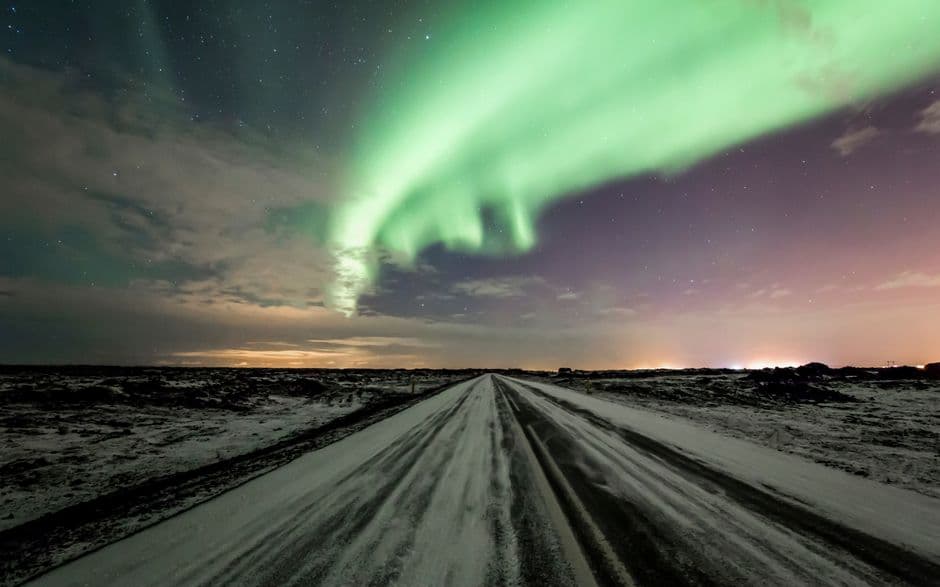
Northern lights forecast iceland – aurora over snowy road, best time see northern lights in iceland, Gylfi Gylfason
Checking the aurora forecast is one of the most useful steps you can take before heading out. Iceland's official forecast combines information about cloud cover and expected auroral activity to help you assess viewing conditions.
Start with the Icelandic Met Office's Northern Lights forecast.
Here's how to use it:
- Check cloud cover first. The map uses white areas to indicate clearer skies and green areas to indicate cloud cover. Look for a suitable viewing area rather than focusing only on the aurora activity number.
- Review the aurora activity forecast. The forecast uses a scale from 0 to 9. Higher values indicate stronger expected activity, but a low reading does not automatically mean you will see nothing.
- Check the timing. Conditions change, so review the forecast again closer to your planned viewing time.
- Consider local weather and road conditions. A clear patch is only useful if you can reach it safely. Check wind warnings, road closures and travel advice before leaving.
The Kp index is often mentioned in Northern Lights apps, but it should not be your only guide. A single number cannot tell you exactly how bright the display will be at your location.
For a better chance of seeing the aurora, focus on the combination of darkness, cloud cover, local conditions and current auroral activity.
Where to See the Northern Lights in Iceland
You do not need to visit one specific landmark to see the Northern Lights. They can appear in different parts of Iceland when conditions are right. The most useful location is often somewhere dark, with a clear view of the sky and safe access.
Here are a few areas to consider when planning your trip.
1. Grótta Lighthouse, near Reykjavík
Grótta Lighthouse on the Seltjarnarnes Peninsula is an option for travellers staying in Reykjavík who want to look for the aurora without committing to a long drive.
The surrounding area can be darker than the city centre, but light pollution and cloud cover can still affect visibility. Check local access conditions before visiting.
3. Snæfellsnes Peninsula
The Snæfellsnes Peninsula is known for its coastal scenery, mountains and varied landscapes. Staying in the area can give you opportunities to explore during the day and look for the aurora at night.
Distances, weather and road conditions require careful planning, particularly during winter. Choose viewing locations that are safe to reach and where you can stop without obstructing traffic.
A useful rule: Choose your viewing area based on that evening's cloud forecast and safe access, not just its reputation as a Northern Lights destination.
2. Þingvellir National Park
Þingvellir offers dramatic landscapes and a setting away from central Reykjavík's city lights. It can be a rewarding place to look for the Northern Lights when skies are clear.
Plan your visit around current conditions and available facilities. Do not assume that the park will have clear skies simply because Reykjavík is cloudy.
How to Plan a Northern Lights Trip to Iceland
A successful aurora trip needs flexibility as much as careful planning. The goal is to give yourself several opportunities to see the lights while still enjoying Iceland if the sky stays cloudy.
1. Stay for several nights
If your schedule allows, plan multiple nights in Iceland for aurora watching. A longer stay gives you more chances to encounter favourable conditions, although no number of nights can guarantee a sighting.
2. Keep your evenings flexible
Avoid filling every evening with fixed activities. Leave room to join an aurora tour, visit a dark-sky location or change your plans when the forecast improves.
3. Decide whether to drive or join a tour
A rental car can give you flexibility, but winter driving in Iceland requires care and preparation. Snow, ice, wind and sudden weather changes can make some journeys difficult.
A guided Northern Lights tour may be a better fit if you are unfamiliar with local conditions. Before booking, check the operator's cancellation and rebooking policy in case the tour does not run or the lights do not appear.
4. Dress for standing outdoors
Waiting for the aurora often means spending time outside without moving much. Wear warm layers, a wind-resistant outer layer, suitable footwear, gloves and a hat. Bring a hot drink if you have room in your bag.
5. Prepare your camera
A tripod can help you take sharper photographs in low light. If you plan to use a smartphone, familiarise yourself with its night or long-exposure settings before heading outside. Keep spare batteries or a power bank warm, as cold conditions can reduce battery performance.
6. Check official safety updates
Before driving, check SafeTravel Iceland and current road information. Never stop in the road or in an unsafe roadside location to take photographs, and do not continue a journey just to reach a clearer sky.
Plan Your Iceland Northern Lights Trip
The best time to visit Iceland for the Northern Lights depends on the kind of trip you want. September and October offer a balance of darker evenings and daytime exploration, while February and March combine long nights with gradually increasing daylight. November to January appeals to travellers who want a deeper winter experience and are prepared for more challenging conditions.
Whichever dates you choose, allow several nights for aurora watching, check the cloud and aurora forecasts, and keep your plans flexible. The Northern Lights are a natural phenomenon, not a scheduled attraction, and that uncertainty is part of the experience.
Once you have chosen your travel dates, compare flights and accommodation through AirAsia MOVE and leave enough room in your itinerary to follow favourable conditions after dark.

Indira L
12 October 2026
Frequently Asked Questions About the Northern Lights in Iceland
No month guarantees a sighting, and the best dates depend on local weather and aurora conditions.