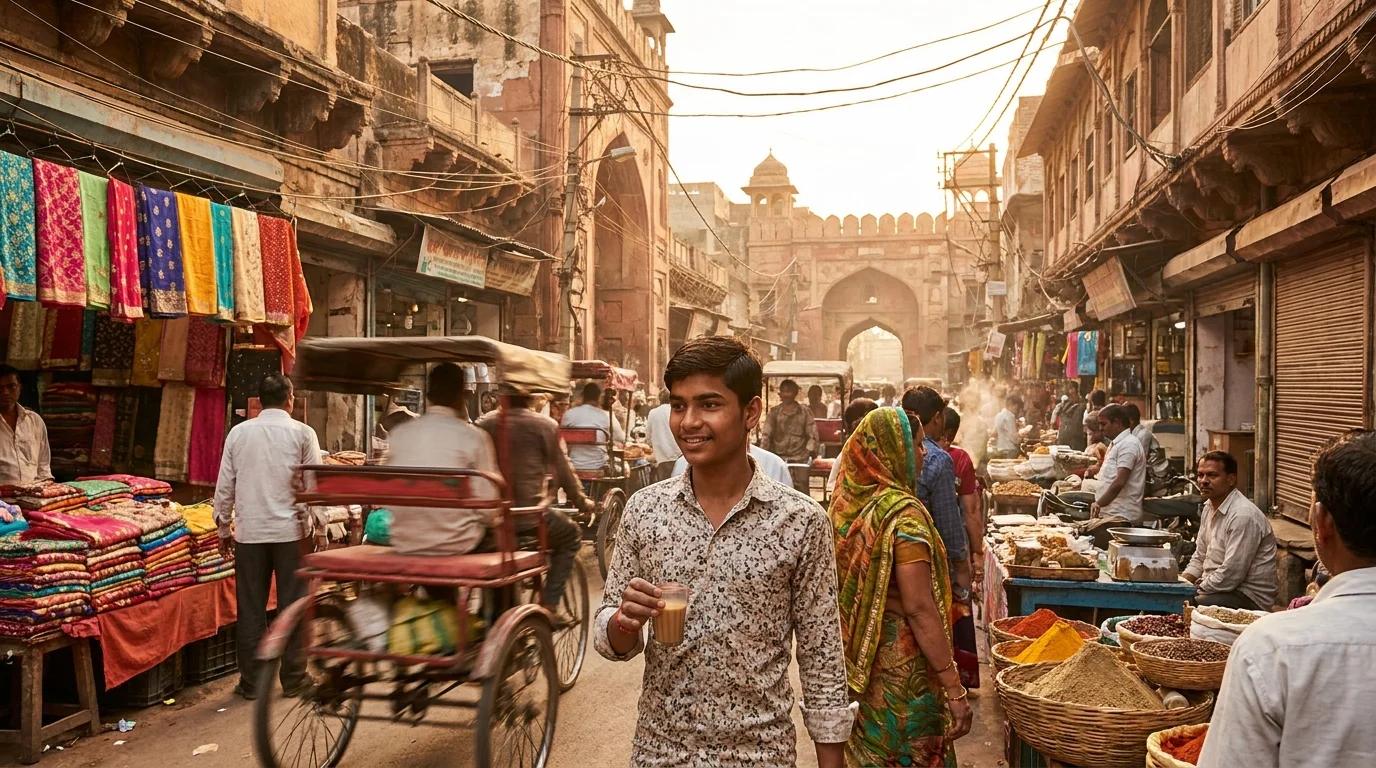
Best Time to Visit Delhi Weather, Seasons & Travel Tips
Delhi rewards travelers who plan around the weather. The city is packed with Mughal monuments, leafy avenues, markets, museums, food walks, temples, gardens, and day-trip possibilities—but its climate can swing from crisp winter mornings to intense summer heat and humid monsoon afternoons.
In practical terms, the Best Time to Visit Delhi is usually October to March, when conditions are most comfortable for sightseeing, walking tours, heritage visits, and outdoor dining. Delhi Tourism also identifies October to March as the period when the weather is at its best for visitors.
That said, the “best” month depends on what you want from the trip. A first-time visitor may prefer November, February, or early March for pleasant sightseeing. Budget-focused travelers may consider monsoon or shoulder-season dates. Heat-tolerant visitors who plan mostly indoor activities can still visit in summer, but they should schedule carefully and stay hydrated.
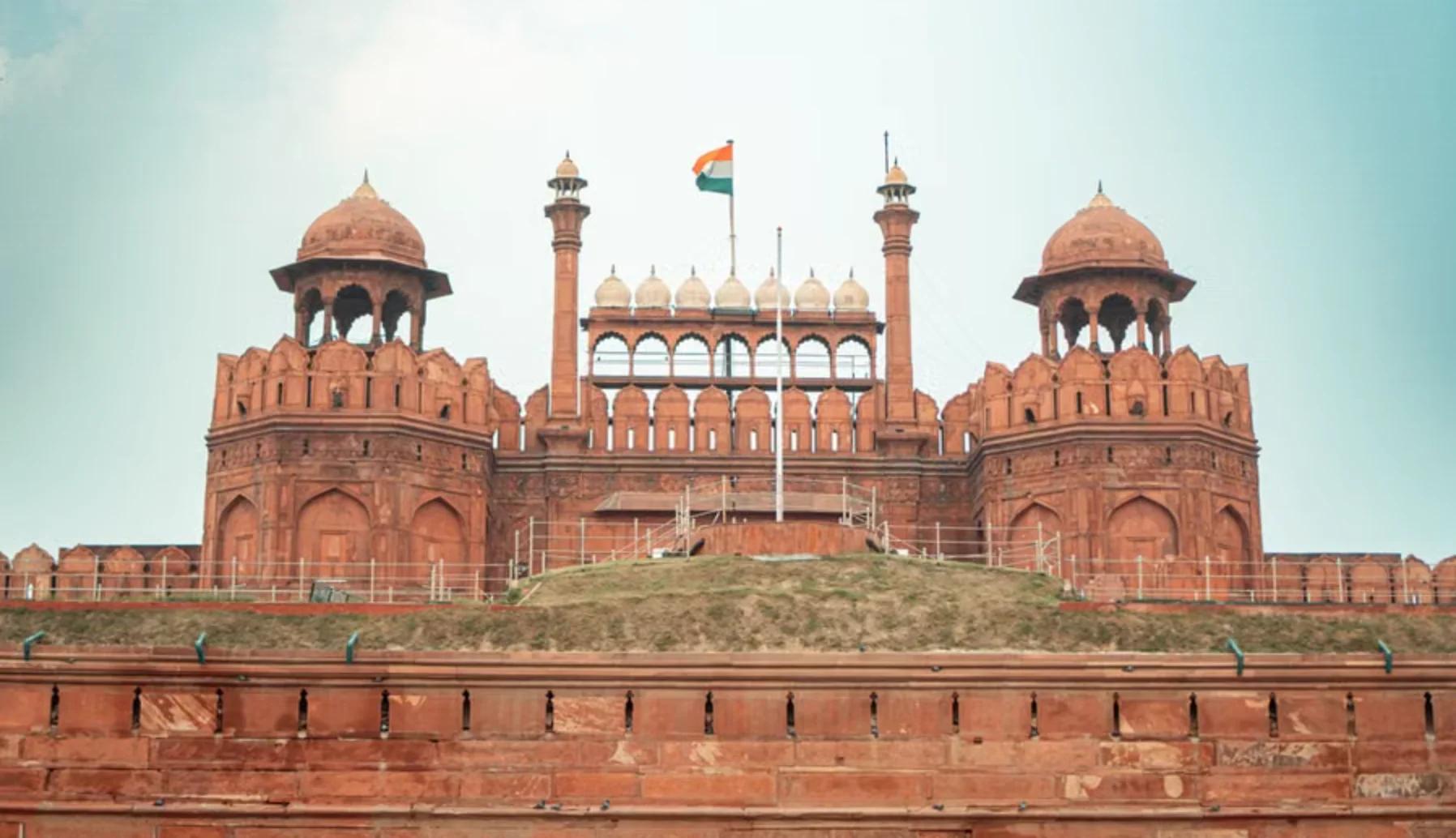
When is The Best Time to Visit Delhi?
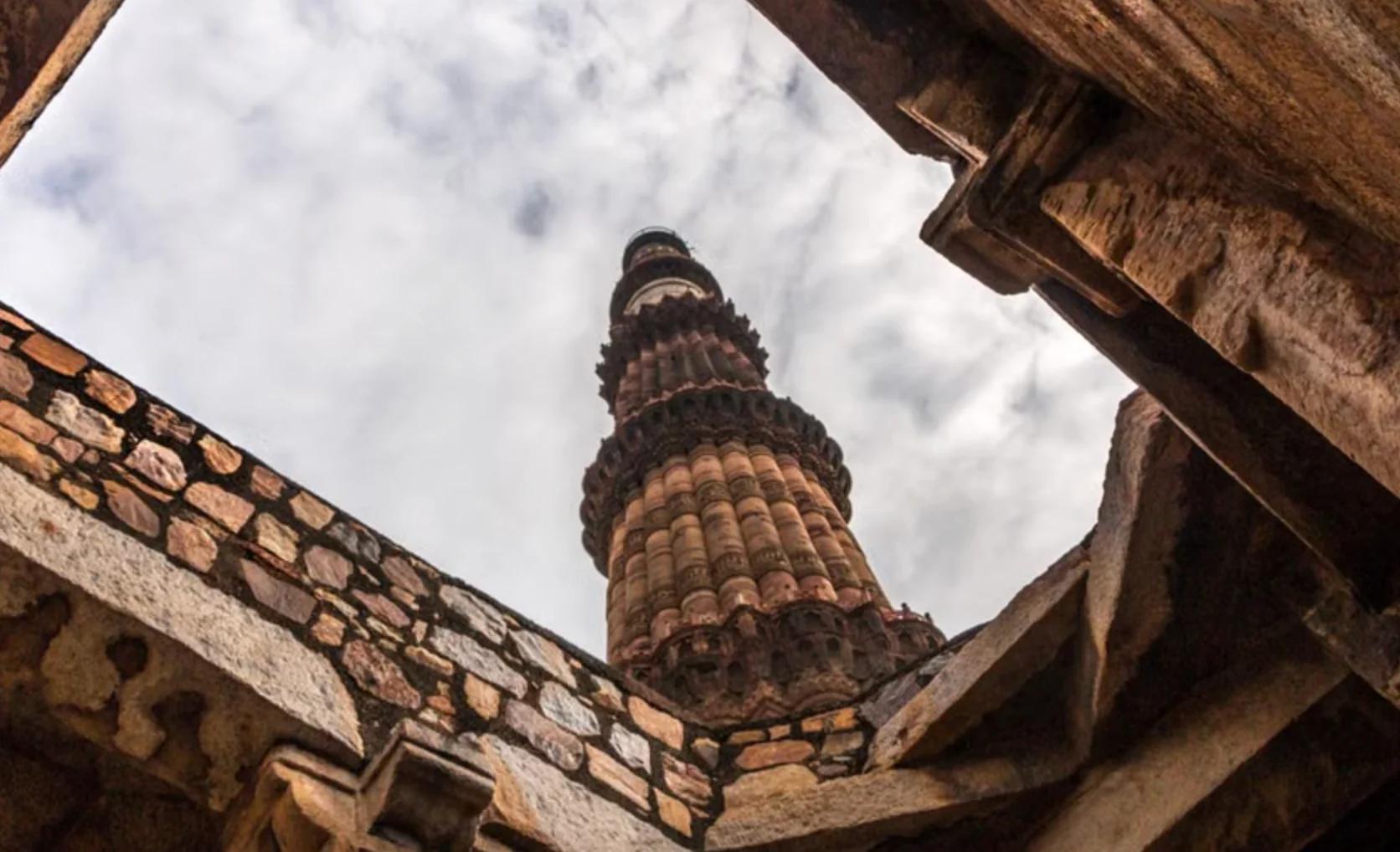
For most visitors, the best time to visit Delhi is from late October through March. During this window, daytime sightseeing is easier, evenings are more comfortable, and popular outdoor attractions such as India Gate, Humayun’s Tomb, Qutub Minar, Lodhi Garden, Red Fort, and Old Delhi’s bazaars are more enjoyable.
If you want the simplest recommendation, choose:
- November to February for cool weather and classic sightseeing.
- October and March for shoulder-season warmth with generally manageable conditions.
- December and January if you enjoy winter clothing, hot street food, and atmospheric mornings.
- Late February to early March for one of the most balanced combinations of temperature, light, and outdoor comfort.
One important caveat: Delhi can experience poor air quality, especially during post-monsoon and winter months. The Delhi environment department notes that air pollution is a serious concern and that meteorological factors such as wind speed, humidity, and temperature contribute to winter pollution episodes across North India. If you are sensitive to air pollution, check the official AQI before and during your trip; India’s Central Pollution Control Board provides national AQI information and city-level air-quality data.
Understanding Delhi’s seasons
Delhi has an extreme climate, which means the travel experience changes significantly across the year. Delhi Tourism describes summer temperatures as ranging roughly from 25°C to 45°C and winter temperatures from about 22°C down to 5°C, with the monsoon typically bringing wet, hot, and humid conditions from July to mid-September. The World Weather Information Service, with data supplied by the India Meteorological Department, also presents Delhi climate normals showing strong seasonal variation in temperature and rainfall.
Below is a traveler-friendly breakdown of what to expect.
1. October to March: peak sightseeing season
This is the best period for heritage walks, long outdoor itineraries, photography, food tours, shopping, and day trips. The weather is generally more forgiving than the rest of the year, so you can cover more ground without needing long midday breaks.
Why this season works well:
- Cooler mornings and evenings make walking more pleasant.
- Outdoor monuments feel more accessible.
- Street food experiences are more comfortable.
- Gardens, markets, and open-air cultural areas are easier to enjoy.
- It is a good time to combine Delhi with Agra, Jaipur, Rishikesh, Amritsar, or other North India destinations.
What to keep in mind:
- December and January can feel surprisingly cold, especially early in the morning and late at night.
- Fog may affect visibility and transport schedules at times.
- Air quality can be a concern, particularly around late autumn and winter.
- Popular attractions and hotels may be busier because this is the most comfortable travel season.
For first-time visitors, February is often an excellent choice. It usually avoids the most intense cold of January and the heat that builds later in spring, while still offering good sightseeing conditions.
2. April to June: hot season
April, May, and June are typically the most challenging months for leisure travel in Delhi. Temperatures can become very high, and sightseeing under direct sun can be tiring. This does not mean you must avoid Delhi completely, but you should plan differently.
If you visit during this period, focus on:
- Museums, galleries, and indoor attractions during the afternoon.
- Early-morning visits to major monuments.
- Air-conditioned transport and hotels.
- Hydration, sunscreen, sunglasses, and breathable clothing.
- Shorter outdoor walks rather than full-day open-air itineraries.
A summer Delhi itinerary might include the National Museum, craft museums, cafés, markets with indoor sections, modern art galleries, historic sites at sunrise, and relaxed evenings once the heat softens. Families with children, older travelers, and anyone sensitive to heat may prefer to avoid this season unless there is a specific reason to travel.
3. July to mid-September: monsoon season
The monsoon brings relief from peak summer heat, but it also brings humidity, rain showers, waterlogging in some areas, and slower traffic. Delhi Tourism characterizes this period as wet, hot, and humid. For some travelers, the monsoon has a softer, greener charm: gardens look refreshed, cloudy skies can improve photography, and crowds may be thinner than in peak winter.
Monsoon travel can work if you are flexible. Build extra time into your schedule, carry a compact umbrella or rain jacket, and avoid packing every day with back-to-back outdoor stops. Choose footwear that can handle wet streets, and keep electronics protected.
This season may appeal to repeat visitors, slow travelers, or those seeking better hotel availability, but it is not usually the top choice for a first Delhi trip.
Month-by-month Delhi Travel Guidance
- January: Cool to cold, especially in the morning and evening. Good for sightseeing if you dress warmly, but fog and air quality may affect plans.
- February: One of the best months overall. Comfortable weather, good outdoor conditions, and a pleasant balance between winter chill and spring warmth.
- March: A strong choice, especially early in the month. Days become warmer, but sightseeing is still manageable.
- April: Heat builds. Visit monuments early and keep afternoons relaxed or indoors.
- May: Very hot. Best for travelers with essential trips, business visits, or mostly indoor plans.
- June: Still hot, with humidity increasing as the monsoon approaches. Outdoor sightseeing can be draining.
- July: Monsoon conditions begin to shape the city. Expect rain, humidity, and occasional delays.
- August: Green and humid, with intermittent rain. Good for slower itineraries, less ideal for packed sightseeing.
- September: Transitional. Humidity may remain, but conditions gradually improve toward the end of the month.
- October: A popular shoulder month. Weather becomes more comfortable, though air quality should be monitored.
- November: Excellent for sightseeing in terms of temperature, but air pollution can be an issue. Check AQI and plan accordingly.
- December: Cool, atmospheric, and popular with travelers. Pack layers and allow flexibility for fog or low visibility.
What to Pack for Delhi
- October to March: Light layers, comfortable walking shoes, sunglasses, and a jacket or sweater for cooler evenings.
- December to January: Add a warmer jacket or thicker layer for colder mornings and evenings.
- April to June: Pack breathable clothing, sunscreen, sunglasses, and a reusable water bottle.
- July to September: Bring quick-dry clothing, an umbrella or rain jacket, and shoes suitable for wet conditions.
- For air quality: Consider carrying a well-fitting protective mask and check official AQI updates before spending long periods outdoors.
- For sensitive travelers: Extra air-quality precautions may be useful for travelers with asthma or respiratory conditions, as well as families travelling with young children or elderly companions.
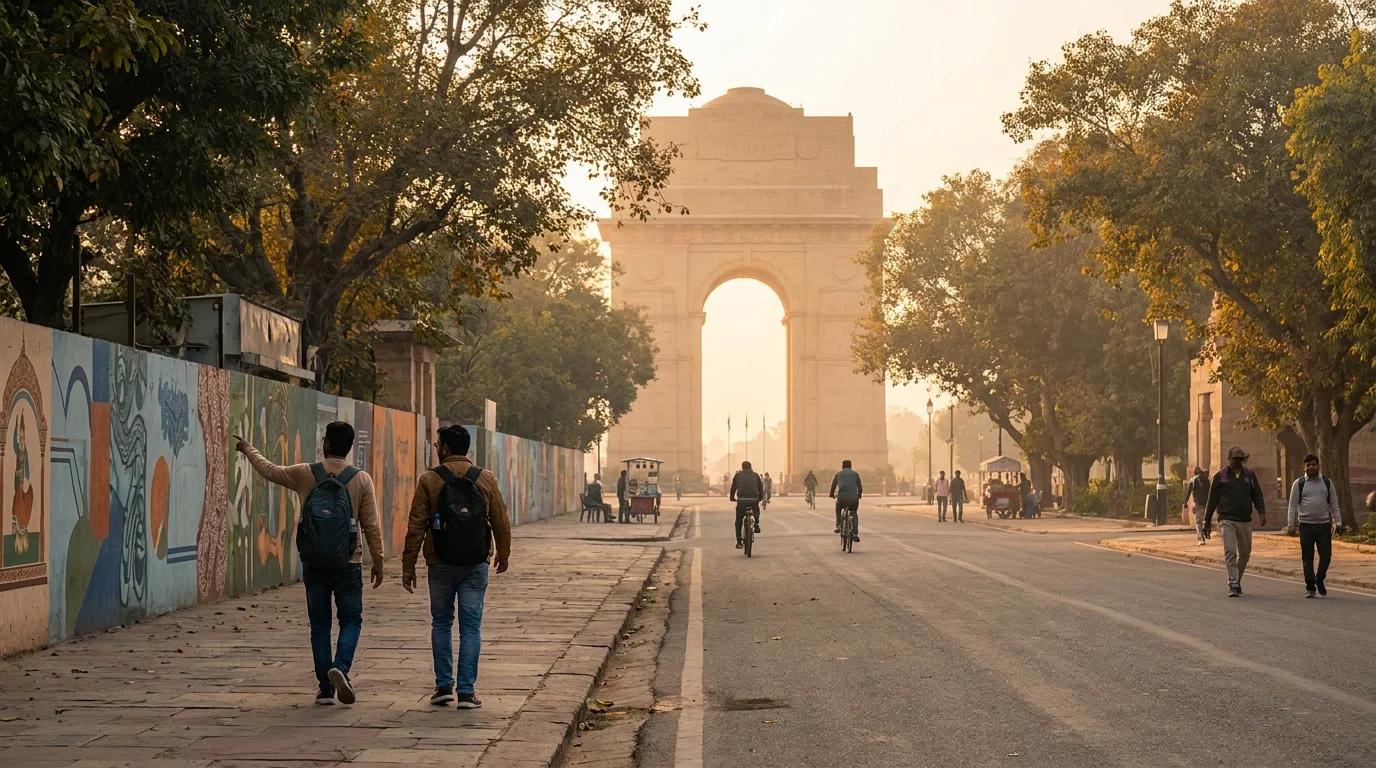
Ready to explore Delhi?
Plan your trip between October and March for cooler weather, comfortable sightseeing, and easier days discovering historic landmarks, vibrant markets, cultural attractions, and local flavours. Book your flight and hotel with AirAsia MOVE and start planning your Delhi getaway today.
Frequently Asked Questions (FAQs)

Indira L.
14 August 2026