Best Budget Travel in Bali: What It Really Costs in RM and How to Save (2026)
Plan your budget travel in Bali with confidence. Discover what a Bali trip really costs in RM, with practical tips for affordable adventures in 2026.
Planning to search for flights to Bali and escape to the Island of the Gods? Travelling to Bali on a budget is entirely doable, without emptying your wallet before you even pack. The best part? Some of Bali’s most memorable experiences, from ocean views and vibrant markets to sunrise hikes, can cost little or nothing at all.
Think of this guide as your blueprint for swapping financial stress for unforgettable island adventures. With real Ringgit cost breakdowns and practical planning tips, you can experience Bali on your terms: delicious, affordable and unforgettable.
Can you actually do Bali cheap in 2026?
Smart strategies and real-life hacks to help you save big in Bali.
Absolutely. Budget travel in Bali is very doable in 2026 if you use a few tried-and-tested strategies that work well for Malaysian travellers. Choose guesthouses or hostels in less touristy areas, use local ride-hailing apps for short trips, and group your sightseeing within one or two key areas to keep transport costs down.
Solo backpackers can keep daily spending below RM150 by sharing airport transfers, staying in budget accommodation and eating at local warungs. Meanwhile, travellers spending five days in Ubud can save by eating like a local and prioritising free experiences, from temple visits and scenic walks to exploring markets and neighbourhoods on foot.
The key is intention, not restriction. Travelling to Bali on a budget is about deciding where to splurge and where to save. With smart choices, you can keep daily costs below RM200 while still enjoying comfortable stays, good food and memorable island experiences.
Ready to explore Bali? Book your flight to Bali and start planning your island escape.
How much does a Bali trip cost from Malaysia?
Get a clear, side-by-side comparison of Bali travel costs—so you can budget with confidence.
Curious about how much to bring to Bali? The table below breaks down typical costs in both Ringgit and Indonesian Rupiah, with options for backpackers, mid-range travellers and those seeking a little more comfort. Planning a 5-day stay? Scroll down for sample total budgets and see how your spending could add up, whether you’re travelling solo or as a couple.
| Category | Backpacker (RM/IDR) | Mid-range (RM/IDR) | Comfort (RM/IDR) |
|---|---|---|---|
| Accommodation | RM28–58 / IDR 122k–250k | RM149–298 / IDR 650k–1.3m | RM690+ / IDR 3m+ |
| Food | RM12–37 / IDR 51k–160k | RM57–115 / IDR 250k–500k | RM184+ / IDR 800k+ |
| Transport | RM7–34 / IDR 30k–150k | RM34–92 / IDR 150k–400k | RM115+ / IDR 500k+ |
| Activities | RM7–46 / IDR 30k–200k | RM92–230 / IDR 400k–1m | RM230+ / IDR 1m+ |
| Miscellaneous | RM23–46 / IDR 100k–200k | RM34–69 / IDR 150k–300k | RM69+ / IDR 300k+ |
| Total per day | RM77–221 / IDR 333k–960k | RM366–804 / IDR 1.59m–3.46m | RM1,288+ / IDR 5.6m+ |
Exchange rate used: 1 MYR = 4,364–4,379 IDR (late September 2026). IDR-RM rates fluctuate.
Breakdowns:
- Solo daily budget: Backpacker solo travelers typically spend RM77–221 (IDR 333k–960k) per day; mid-range is RM366–804 (IDR 1.59m–3.46m) per day; comfort is RM1,288+ (IDR 5.6m+) per day.
- Couple daily budget: Sharing rooms and transport means a couple often pays ~1.5× solo cost per person for accommodation and transport. Each pays full costs for food and activities. Realistic daily budget = (solo food + activities + misc) × 2 + shared room/transport.
- 3-day total: Backpacker: RM231–663 (IDR 999k–2.88m); Mid-range: RM1,098–2,412 (IDR 4.77m–10.39m); Comfort: RM3,864+ (IDR 16.8m+).
- 5-day total: Backpacker: RM385–1,105 (IDR 1.67m–4.80m); Mid-range: RM1,830–4,020 (IDR 7.96m–17.3m); Comfort: RM6,440+ (IDR 28.0m+).
Flights are excluded from all above costs.
Can I visit Bali with RM1,000? Yes — for 3 (possibly 4) days, a solo backpacker traveling lean (hostels, cheap eats, shared/local transport, limited paid activities) can fit within RM1,000, excluding flights. Longer stays or more comfort require a bigger budget.
Where to base yourself: Ubud, Kuta, Sanur, Canggu or Seminyak?
Compare the island's top areas in a snapshot to match your travel style and budget.
Where you stay in Bali isn't just about the view—it's about how much cash you'll burn on rooms, food, and getting around. Picking your home base is your biggest budget move. Ubud places you near culture and nature. Kuta stretches your ringgit furthest by the beach. Sanur is great for a quieter pace. Canggu draws in the creative and remote workers. Seminyak, however, offers urban style at a premium. Start by thinking about what matters most to you—then discover the unique vibe and perks of each area below.
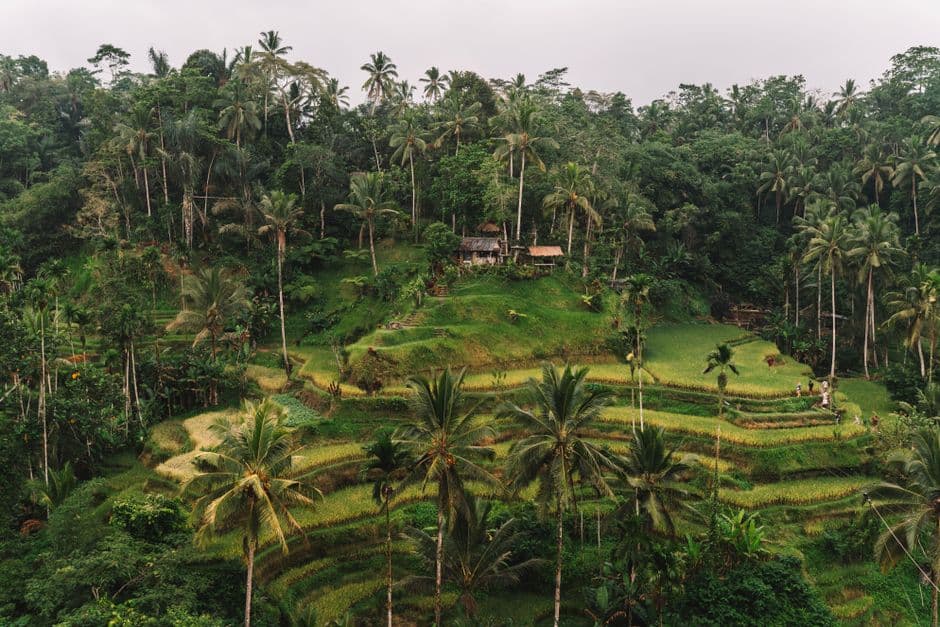
Ubud rice terraces, Mahmut Yılmaz
Ubud
Ubud is Bali's boho soul: green, serene, and bursting with markets, temples, and yoga studios. Budget rooms typically range around RM70–150 per night, and finding a value homestay within walking distance of highlights like the Monkey Forest and Ubud Palace is easy. Its compact centre helps shave your daily costs—exploring on foot is genuinely doable for many major sights.
The main caveat for penny-pinchers? Ubud is inland, so daily beach trips mean taxi and Grab fares to the coast will swallow your transport budget fast. For culture-lovers happy to swap sand for shrines and rice fields, though, it's near unbeatable.
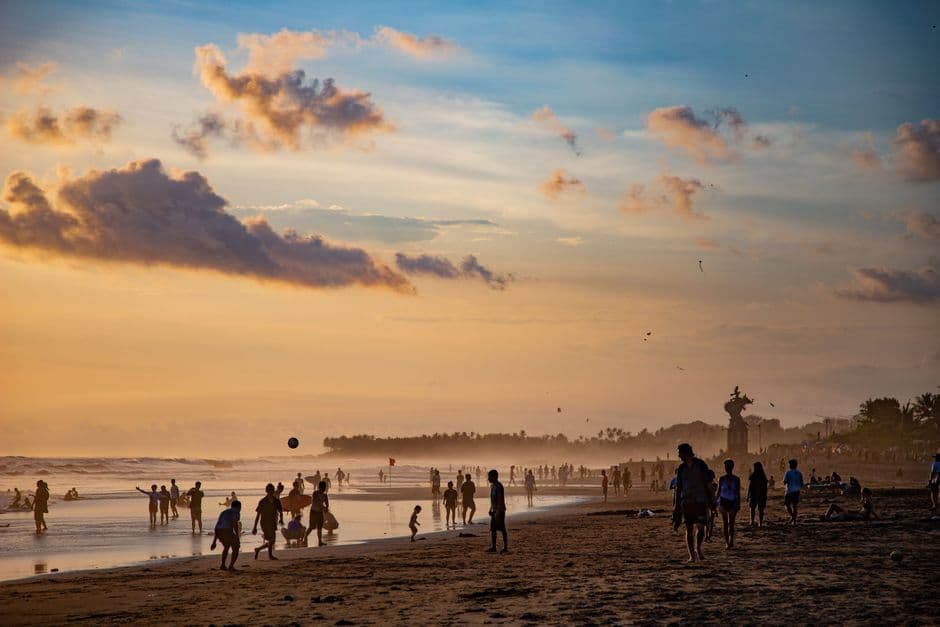
Canggu Beach sunset, Peggy Anke
Canggu
Canggu has shot from laid-back surf village to digital-nomad darling, bringing a wave of hip cafés, co-working spots, and nightlife along with it. Budget digs hover around RM90–200 per night, but it's easy to spend much more—especially if you get swept up in the café, brunch, and beach club scene.
Staying here is ideal for longer trips where surfing, socialising, and remote work are your key goals. Watch out: prices at restaurants and trendy hangouts can quietly torch your daily budget. Canggu rewards you with fun, surfy energy—but only if you keep an eye on your spending. Best for slow travellers who want the Bali lifestyle without going ultra-budget.
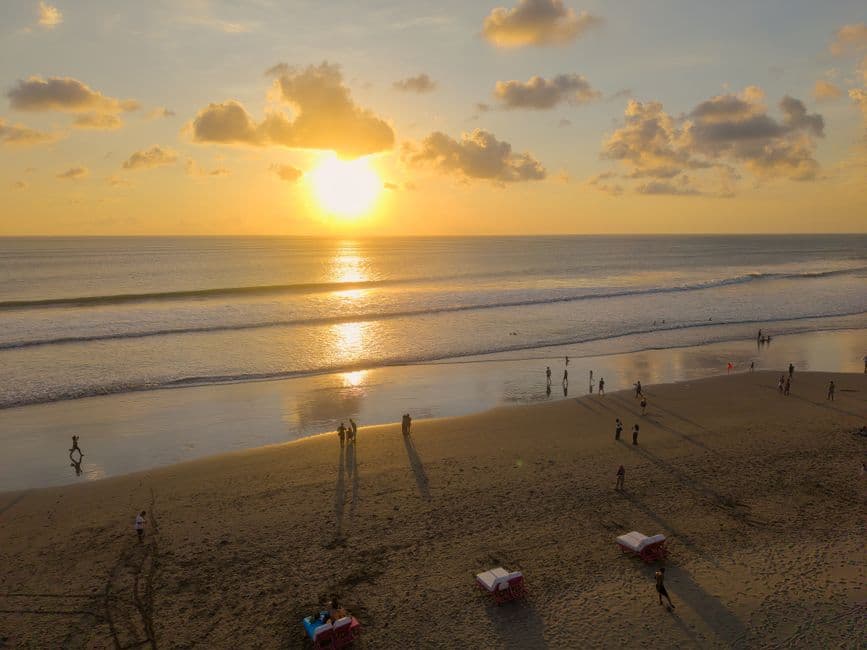
Tom Fisk, sunset on Seminyak Beach in Bali
Seminyak
Seminyak is where the glossy travel magazine Bali kicks in—think boutique hotels, next-level sunsets, and Instagrammable restaurants. Rooms with a view easily run RM150–300+ per night. The high street here is all about global eats, beach bars, and polished nightlife, so costs mount quickly.
Still, if you want a taste of Bali's luxe side without blowing your whole budget, one splurge night in Seminyak is a classic move—just don't make it your full-time base if you're in savings mode. Best for sunset drinks, splashing out, and a short upgrade from your rice-field routine.
Free and cheap things to do in Bali
Turn your budget trip into an unforgettable experience with Bali's best affordable adventures.
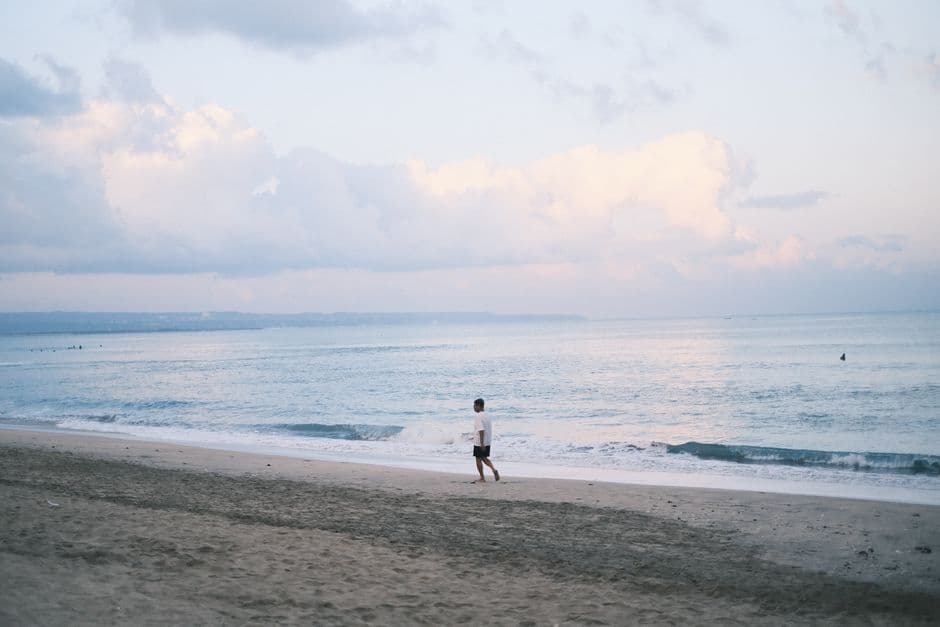
Bali beach at sunset, Muhammad Endry
Bali's beaches
Enjoy free access to Kuta, Sanur, and Bingin beaches, where the only real cost is a small parking fee (usually around IDR 5,000). Feel the sunrise sand under your toes, watch surfers at play, and soak up Bali's laid-back rhythm—no ticket required.

Tourists on a scenic pathway in Ubud, Bali, Lumeon Labs
Central Ubud walks
Stroll the Campuhan Ridge Walk and visit Ubud Palace for free, then meander through bustling central markets—a classic zero-cost morning in Bali's cultural heart. Let street music and colourful handicrafts delight your senses in every direction.

Ulun Danu Beratan Temple on a calm lake, Jeffry Surianto
Temple visits
Explore Tanah Lot and Uluwatu temples for IDR 75,000–100,000 entry (sarong usually included), and remember to follow respectful donation and etiquette practices while visiting. Immersive sunsets and centuries-old rituals create priceless memories without breaking the bank.
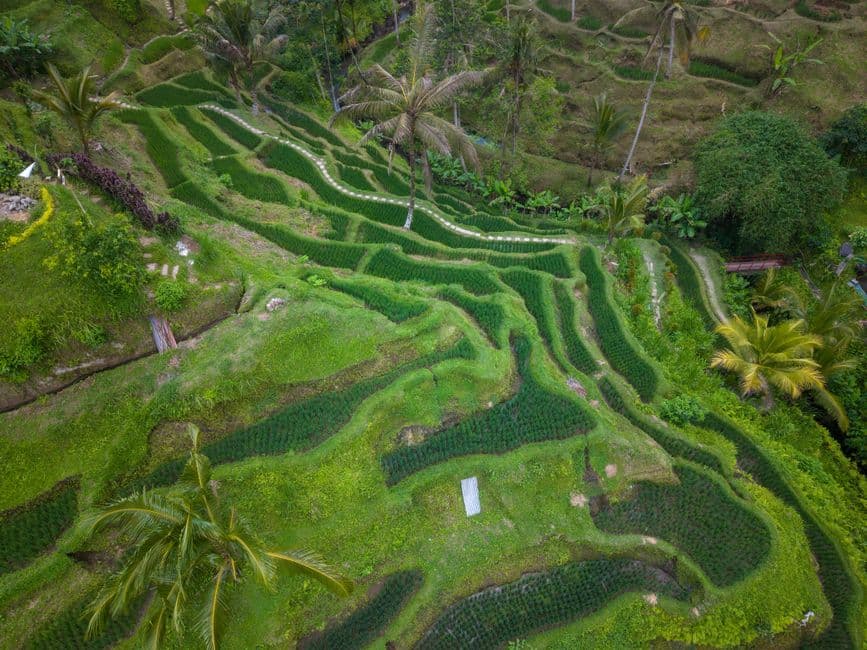
Aerial terraced rice fields in Bali, Indonesia — Tom Fisk
Rice terrace viewpoints
Tegallalang's iconic terraces have a low entry fee (IDR 25,000), while free viewpoint stops along the main road offer budget-friendly scenic photo ops—just skip the swings if you're pinching pennies. Watch farmers at work and bring home your own snapshot of classic Bali.
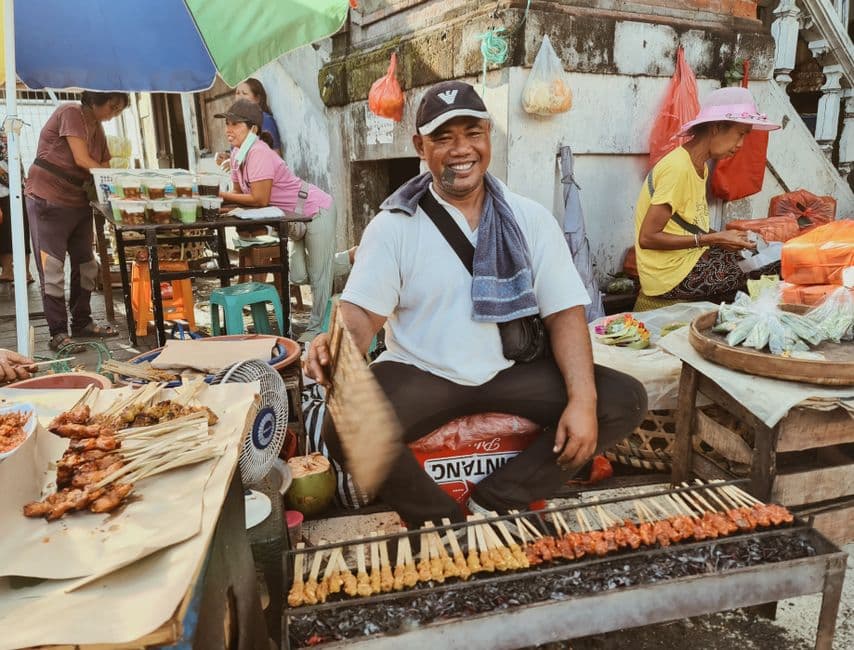
Bali street food market at night, G Y
Sunsets and local markets
Watch sunset for free at Jimbaran or Seminyak, and browse Ubud Art Market or Sukawati Market for souvenirs—bargain politely for about 40–50% off the starting price. The energy at dusk and the thrill of your first big bargain make every moment richer.
Also, explore our guide on Top 10 Things to Do in Bali in 2026 | Best Attractions & Tips for your best Bali getaway!
Eating and getting around on budget travel in Bali
Unlock real savings by combining the smartest food and transport habits in Bali.
Eating and getting around cheap
Keeping your Bali trip budget-friendly is all about blending local eats with affordable rides. The smartest travellers skip tourist-marked menus in favour of humble warungs, where a hearty plate of nasi campur or mie goreng costs a fraction of flashy cafes.
To get around, use ride-hailing apps for predictable pricing within main hubs. Additionally, split private driver costs for longer day trips—ideal if you're sharing with friends. For the truly adventurous, scooters are cheap and give you the most freedom, but only rent if you have the right license and experience.
Short journeys on foot or by bike in areas like Ubud and Kuta save even more. Therefore, daily savings grow with every decision to eat, travel, and explore the local way.
Warungs & local food
Warungs are the backbone of budget travel in Bali. These humble local eateries dish out classic Indonesian meals for as little as RM6–15 per plate. Staple favourites like nasi campur (mixed rice with assorted sides) typically cost around IDR 25,000, while nasi goreng (fried rice) and mie goreng (fried noodles) are usually in the IDR 20,000 range.
Eating at a warung fills you up for less than a frappuccino—and your ringgit supports local families. For reliably honest prices (no tourist markups), seek out places like Warung Mak Beng—famous for fish soup—or Warung Wardani, known for its hearty nasi campur. Prices may creep up in very touristy spots, but neighbourhood warungs remain the best cheap eats around.
Markets & self-catering
For super-budget days, Bali's local markets make snacking a breeze. Drop by Pasar Badung in Denpasar for fresh tropical fruit—perfect for breakfast or a mid-afternoon fix without resorting to pricey smoothie bowls.
If you want to dodge constant bottled water costs, look for refill stations available in many convenience stores and cafés. These fill up your bottle for a few coins, keeping both your wallet and Bali's beaches happy. Don't feel pressured by hotel breakfast surcharges; it's far cheaper—and tastier—to grab morning bites at a nearby warung or market stall instead.
Scooter rental
Scooters are the go-to option for adventurous, experienced riders, with daily rentals typically ranging from RM15–25 (about 70,000–120,000 IDR). Here's the all-important catch: you'll need a valid international driving permit (motorcycle class), your Malaysian motorcycle license, and a helmet at all times.
Police checkpoints are common. Riding unlicensed can quickly turn cheap wheels into costly headaches—think surprise fines or even hospital bills if things go wrong. Only consider renting if you're truly confident and legal; otherwise, other transport modes make for a much safer and still-affordable alternative.
Ride-hailing (Grab/Gojek)
Ride-hailing apps like Grab and Gojek are the easiest way to get around on a budget. Expect to pay RM5–15 for most journeys within hotspots like Kuta, Seminyak, and Ubud—far less hassle than haggling with taxi drivers.
Be aware: some tourist areas restrict pickups near local taxi stands, so you might need to walk a little to a main road for your ride. For most visitors, however, ride-hailing nails the sweet spot of cost, convenience, and predictable pricing—ideal for everyday movement without the risks of self-driving.
Shared transfers & private drivers
Landing at Ngurah Rai Airport? Shared transfers are the reliable, wallet-friendly way into town, running about RM25–40 per person. For scenic temple loops or group day trips, a private driver costs RM200–280 a day—perfect if you're splitting between three or four people.
Bali's public bemos (minibuses) do exist but are slow, infrequent, and rarely used by tourists—so don't count on them. When planning your sightseeing route, therefore, mixing the occasional group driver with strategic ride-hails or market strolls keeps both your experience and your budget firmly on track.
Check out our 10 Must-Try Bali Foods: Best Local Dishes to Eat for a delicious guide to the local dishes worth adding to your Bali itinerary, from flavour-packed favourites to affordable eats at local warungs.
When to go and how to stretch every ringgit
Best time to visit Bali? Make the most of your money by timing your trip right—and getting creative on the ground.
Imagine waking to clear skies in April or September, bargaining with a gentle smile in Ubud's art market, then stretching out on an uncrowded beach at dusk—shoulder months deliver that for less. Outside peak times, room rates can drop by up to 40%. Warungs are easy to find, and driver or guide prices are open to negotiation.
If your trip falls in the rainy season, trade a few showers for lush landscapes and even further discounts. The real secret to successful budget travel in Bali? Mix splurge and save. Pair one big day tour with homemade market snacks, explore a cluster of temples on foot, and settle in one neighbourhood for a few nights.
Picture yourself eating spicy nasi campur at a warung as rain clears—knowing you're seeing the best of Bali while sticking to your ringgit goals. Flexible dates, street-smart choices, and a willingness to wander slightly off the beaten path go further than any strict penny-pinching. For more destination inspiration, explore our Bali travel guide before you book.
A 5-day Bali itinerary that won't wreck your budget
See how a budget-friendly itinerary comes together—day by day, goal by goal.
| Area/Base | Key Activities | Transport | Estimated Spend (RM) | |
|---|---|---|---|---|
| Day 1 | Ubud | Monkey Forest, Ubud Palace, warung dinner | Grab from airport | ~RM120 |
| Day 2 | Ubud | Tegallalang rice terraces, Tirta Empul temple | Private driver half-day | ~RM160 |
| Day 3 | Kuta/Sanur (South Bali) | Uluwatu temple, Kecak dance at sunset | Shared transfer + Grab | ~RM180 |
| Day 4 | Bingin or Sanur | Beach day (optional Nusa Penida day tour) | Walk + Grab | ~RM90 (or ~RM230 with tour) |
| Day 5 | Ubud/South → Airport | Sukawati Market, airport departure | Grab | ~RM70 |
- Pro tip: Focus each day on one main hub and combine activities nearby to cut down on travel. Don't switch hotels more than twice—transfers often cancel out savings. Use this as a flexible template and swap in your preferred free sights or budget-friendly adventures.
Ready to plan your Bali trip?
All the crucial pointers for confident, Ringgit-saving travel planning.
Here's how to keep your budget travel in Bali stress-free and wallet-friendly. First, set your daily budget in ringgit—don't wing it. Locking in your per-day spend (with a little buffer for the odd sunset mocktail or market spectacle) is the surest way to avoid bill shock.
Second, pick just one main base. Choose Ubud for culture, Kuta for wallet-friendly beaches, Sanur for low-key calm, or Canggu for surf and nomad vibes—then build your daily plans from there. Keeping most of your trip around a single home base means less cash on cabs or Grab rides and more on cheeky temple tours or delicious street eats.
Don't forget your homework: always double-check the latest Indonesia entry rules before booking. Malaysian passport holders have typically enjoyed easy entry, but rules (and Bali's IDR 150,000 tourist levy) can shift—so hit up official sites like imigrasi.go.id right before your flight.
If you're really stretching every sen, book your Kuala Lumpur–Bali flights at least 1–2 months ahead. Travel during Bali's shoulder seasons—think April, May, September, or early October—for better deals and fewer crowds. Accommodation costs dip, and your options widen.
Safe travels and selamat jalan! Your Bali budget dreams start right here.


Malaysian traveller tips + quick answers
Your rapid-fire Bali cheat sheet—fast facts and key updates for 2026.

Phaksornkan T.
24 September 2026