Yogyakarta Travel Guide: Everything You Need to Know Before Visiting
Yogyakarta, or Jogja as locals call it, is the cultural heart of Java and one of Indonesia’s top travel destinations. Blending centuries-old traditions with a vibrant creative spirit, it’s the perfect place to experience the soul of Javanese culture.
When planning your trip, you’ll quickly realise there’s no shortage of things to do in Yogyakarta. From wandering lively streets and colourful markets to exploring art communities, royal palaces, and ancient temples, Jogja has it all. Its unique mix of vibrant energy and laid-back charm makes Yogyakarta one of the most welcoming and unforgettable cities in Indonesia.
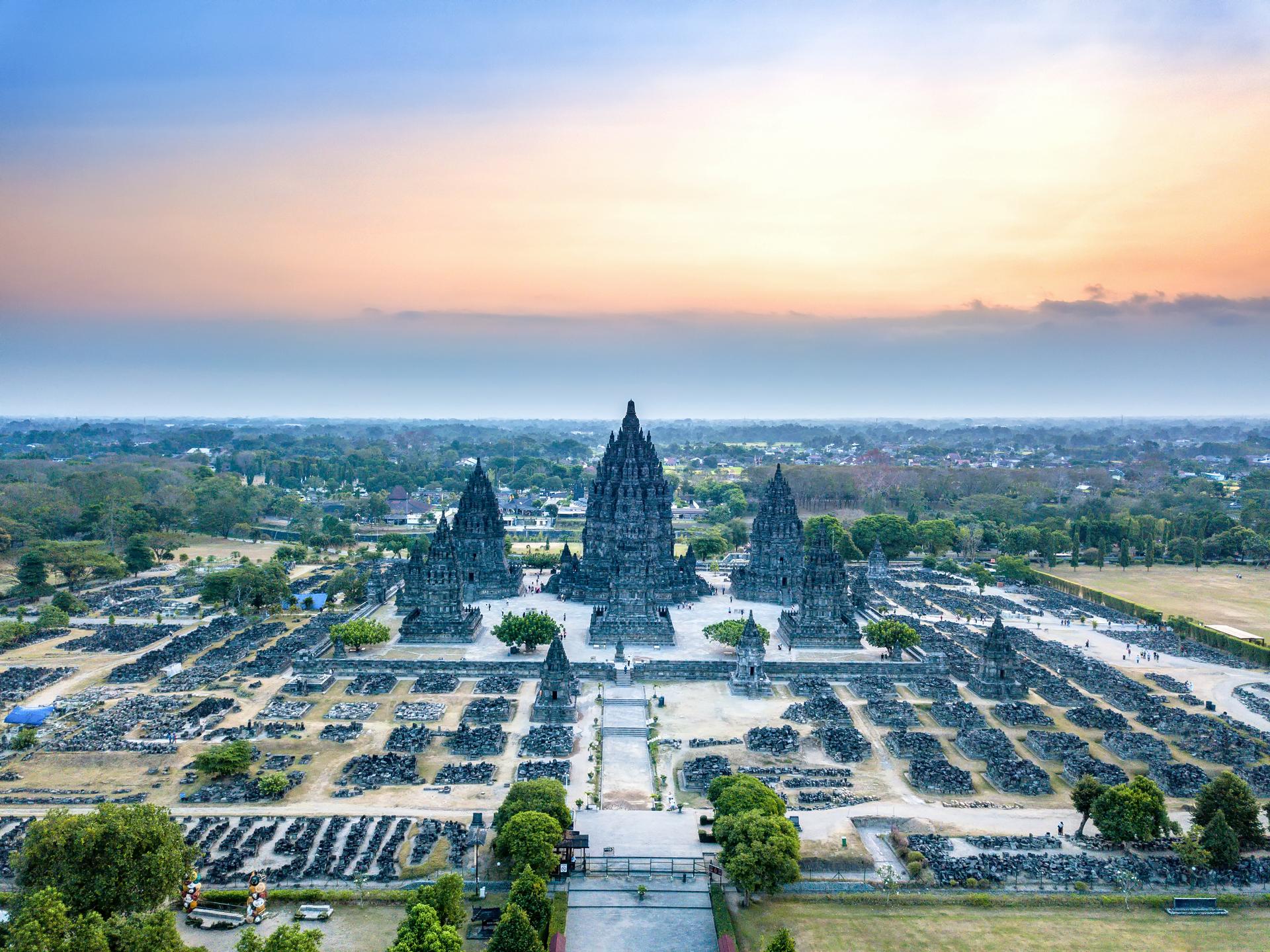
As one of the last remaining royal cities in the country, Yogyakarta stays deeply connected to its cultural roots. You can explore world-famous sites like Borobudur and Prambanan Temples, visit the Sultan’s Palace (Kraton Yogyakarta), or discover hidden gems through batik workshops and local street art.
There are countless things to do in Yogyakarta that capture the true essence of Java and make it an unforgettable experience for every traveller.
Why Visit Yogyakarta?
Yogyakarta is one of Indonesia’s top travel destinations. A city where ancient traditions meet a modern, creative spirit. Unlike other cities in Java, Yogyakarta is still ruled by a Sultan, making it one of the last remaining royal cities in the country. This blend of history, culture, and vibrant daily life is what makes Jogja truly stand out.
Cultural & Historical Attractions:
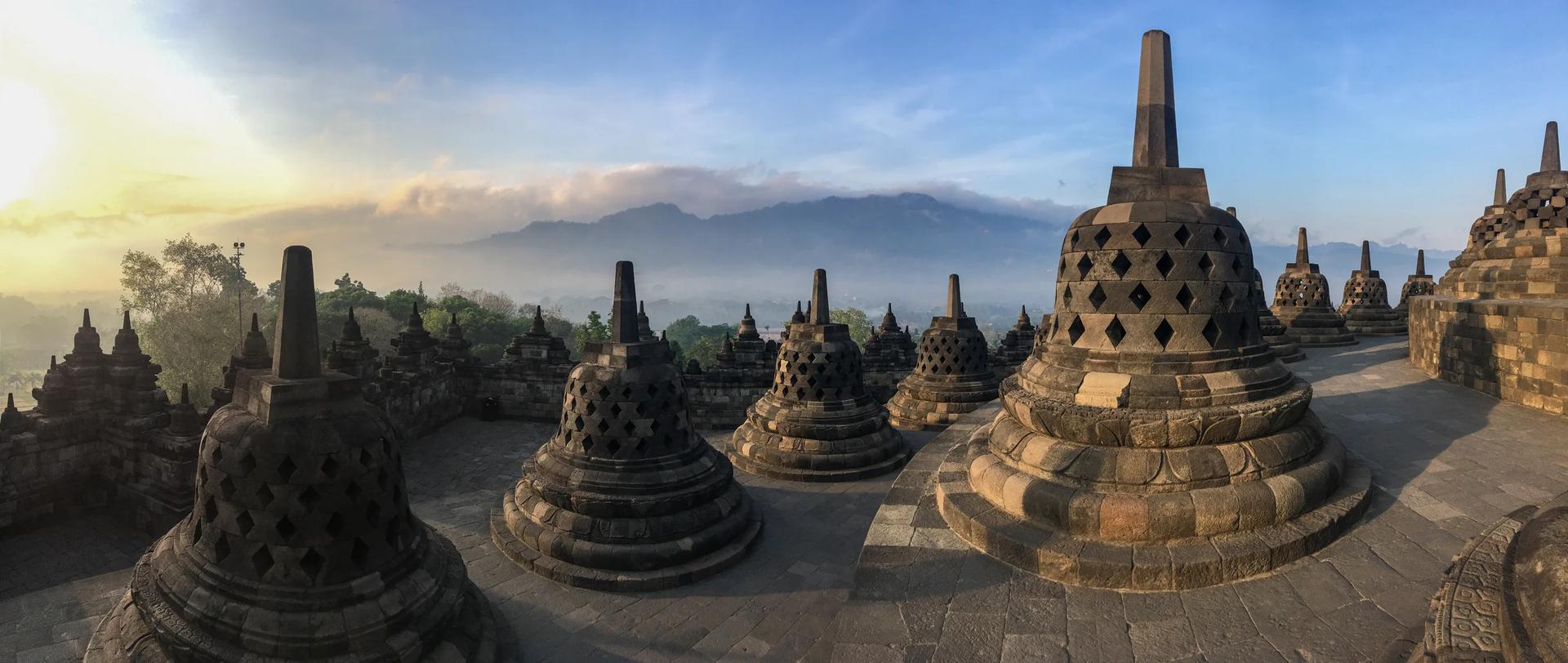
Jogja is home to some of Indonesia’s most important landmarks, including the Borobudur Temple, the largest Buddhist temple in the world, and Prambanan Temple, a UNESCO World Heritage Site and the country’s grandest Hindu temple complex.
Within the city, the Kraton Yogyakarta (Sultan’s Palace) and Taman Sari Water Castle offer a glimpse into centuries-old royal traditions.
Nature & Adventure:
Beyond its cultural heart, Yogyakarta also offers stunning natural landscapes. You can hike Mount Merapi, explore mystical caves like Jomblang, or relax on the scenic beaches of Gunungkidul, known for their white sands and crystal-clear waters.
Shopping, Art & Nightlife:
Yogyakarta is famous for its bustling Malioboro Street, where you’ll find traditional batik, handicrafts, and street performances. The city’s thriving art scene features galleries, murals, and live music, while its nightlife ranges from cosy cafés to lively student hangouts thanks to its large university community.
Fun Fact:
Did you know? Yogyakarta has been a centre of Javanese culture for centuries and remains a hub for batik art, gamelan music, and wayang kulit (shadow puppetry). Often said that “Jogja is the soul of Java”, capturing the island’s traditions in one vibrant destination.
Whether you’re seeking history, culture, adventure, or simply a taste of authentic Javanese hospitality, Yogyakarta offers experiences you won’t find anywhere else.
Best Time to Visit Yogyakarta
When planning your trip to Yogyakarta, timing can make all the difference in your travel experience. The city has a tropical climate with two main seasons, dry and wet, each offering unique advantages for visitors.
Dry Season:
The best time to visit Yogyakarta is during the dry season, from May to September. During these months, the weather is generally sunny with low humidity and little rain, making it ideal for outdoor activities like exploring Borobudur, Prambanan, or hiking Mount Merapi.
The clear skies also provide perfect conditions for photography and sightseeing. This is considered the peak travel season, so attractions may be busier, but it’s worth it for the pleasant weather.
Wet Season:
The wet season in Yogyakarta runs from October to April, with January and February seeing the heaviest rainfall.
The advantage of visiting during this season is fewer crowds and lush, green landscapes, particularly in areas like Gunungkidul beaches and Jomblang Cave. Budget-conscious travellers will also find lower hotel and flight prices.
Festival Season:
Yogyakarta is also a city of traditions and festivals. Some highlights include:
- Sekaten Festival (November): Celebrates the Prophet Muhammad’s birthday with traditional music, markets, and cultural performances.
- Ramayana Ballet at Prambanan (May – October): A mesmerising performance combining dance, drama, and Javanese music. Often staged outdoors with the temple as a backdrop.
- Independence Day Celebrations (August 17): colourful parades and community festivities across the city.
Travel Tip: June to August is the ideal window, combining great weather, lively festivals, and a vibrant atmosphere.
How to Get to Yogyakarta
Yogyakarta is one of Indonesia’s most accessible and popular travel destinations. Whether you’re coming from within Indonesia or from abroad, there are several convenient ways to reach this cultural hub.
By Air:
The fastest and easiest way to get to Yogyakarta is by plane. The city is served by Yogyakarta International Airport (YIA), located in Kulon Progo, about 45 km (1–1.5 hours) from the city centre.
- Domestic Flights: Indonesian airlines offer frequent connections from Jakarta, Bali, Surabaya, and other cities.
- International Flights: YIA also has direct international connections from Singapore and Kuala Lumpur. Sometimes connecting flights from other Asian cities.
From the airport, travellers can take a shuttle bus, train, taxi, or private car hire to reach central Yogyakarta.
By Train:
Travelling by train is a popular option for those coming from other parts of Java. The city has two main stations: Tugu Station (Stasiun Yogyakarta) near Malioboro Street and Lempuyangan Station.
- From Jakarta: The journey takes about 7–8 hours on executive trains.
- From Surabaya: Around 4–5 hours.
- From Bandung: Approximately 8 hours, offering scenic views of rice fields and mountains.
Train travel is comfortable, reliable, and gives you a chance to see Java’s landscapes along the way.
By Bus:
For budget travellers, intercity buses connect Yogyakarta with major cities across Java. The main bus terminal is Giwoangan Bus Station, located around 4 km south of the city centre. Long-distance buses from Jakarta, Surabaya, and Bandung operate daily, though journeys are much longer compared to trains or flights.
By Car:
Adventurous travellers can also opt for a road trip by car or private driver. The roads connecting Jogja to other Javanese cities are well-developed, and driving allows you to stop by small towns, beaches, or cultural sites along the way. From Jakarta, the trip takes around 8–10 hours, while from Surabaya, it’s about 6–7 hours.
Travel Tip: The most convenient way for international visitors is to fly into Yogyakarta International Airport, while domestic travellers often prefer the scenic train ride from Jakarta or Bandung.
Getting Around Yogyakarta
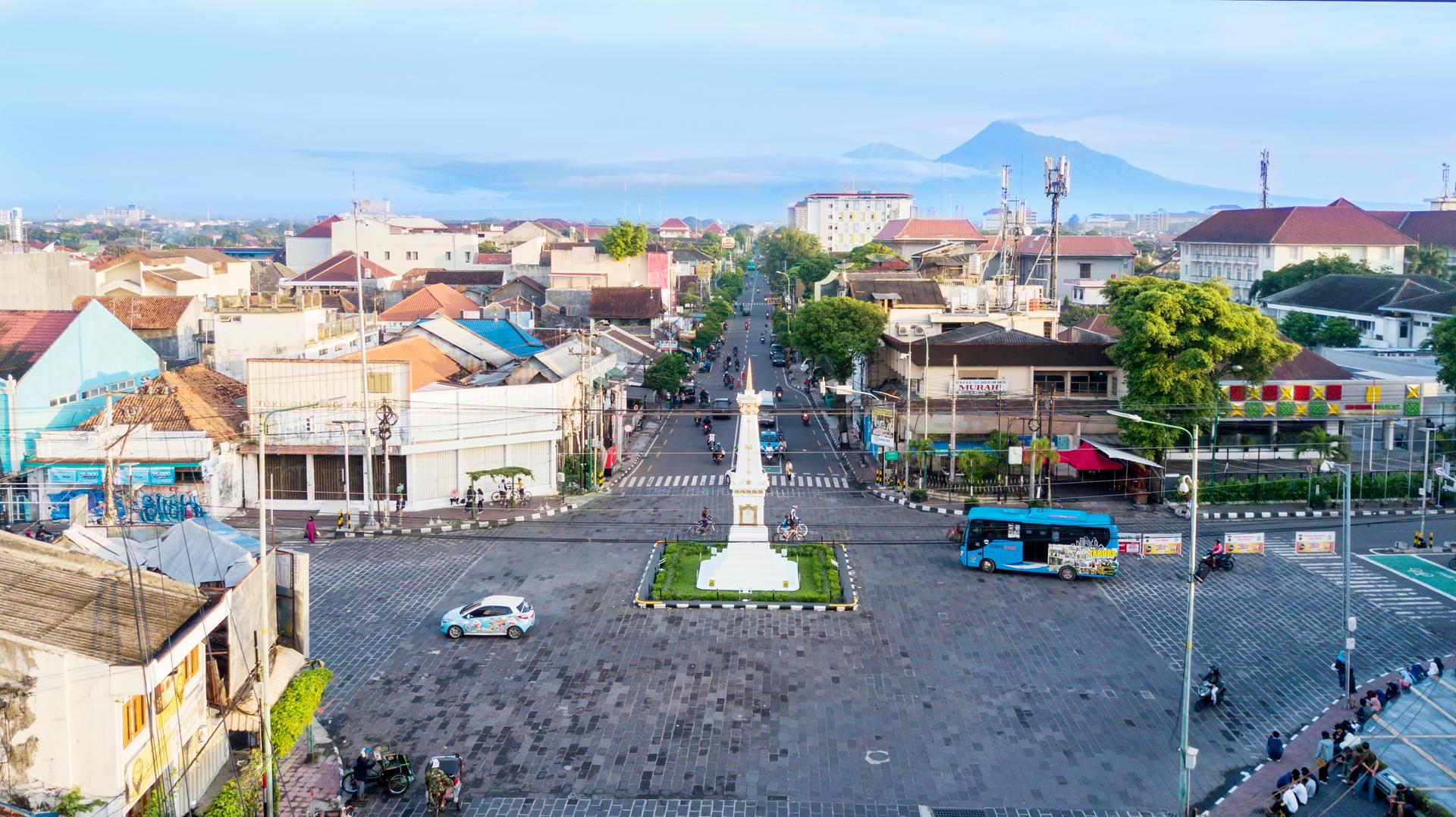
Exploring Yogyakarta is part of the adventure, and the city offers a variety of transport options to suit different travel styles and budgets. From modern ride-hailing apps to traditional transport experiences, getting around Jogja is relatively easy and affordable.
Car Rental:
For travellers who prefer flexibility, car rentals are widely available in Yogyakarta. You can choose between self-drive rentals or car hire with a driver. Hiring a driver is recommended for those unfamiliar with Indonesian traffic rules and local driving habits.
- Pros: Freedom to explore beyond the city, especially to places like Borobudur, Prambanan, or Mount Merapi.
- Tips: Traffic in the city can be hectic, and parking is often limited. If you decide to drive, keep in mind that Indonesians drive on the left-hand side of the road.
Public Transport:
- TransJogja Buses: An affordable option connecting major points like the airport, Malioboro Street, and Prambanan Temple. Buses are air-conditioned, safe, and easy to use.
- Trains: Within the city, trains aren’t the main transport option. However, Yogyakarta is a hub for intercity travel across Java. Local stations like Tugu and Lempuyangan connect to Jakarta, Surabaya, and Bandung
Taxis & Ride-Hailing Apps:
Taxis are available throughout the city, but most travellers prefer using ride-hailing apps like Grab or Gojek. These are convenient, reliable, and affordable, making them ideal for city trips or short rides. Motorcycle taxis (“ojek”) are also an option via these apps. Perfect for solo travellers who want to avoid traffic jams.
Walking or Cycling:
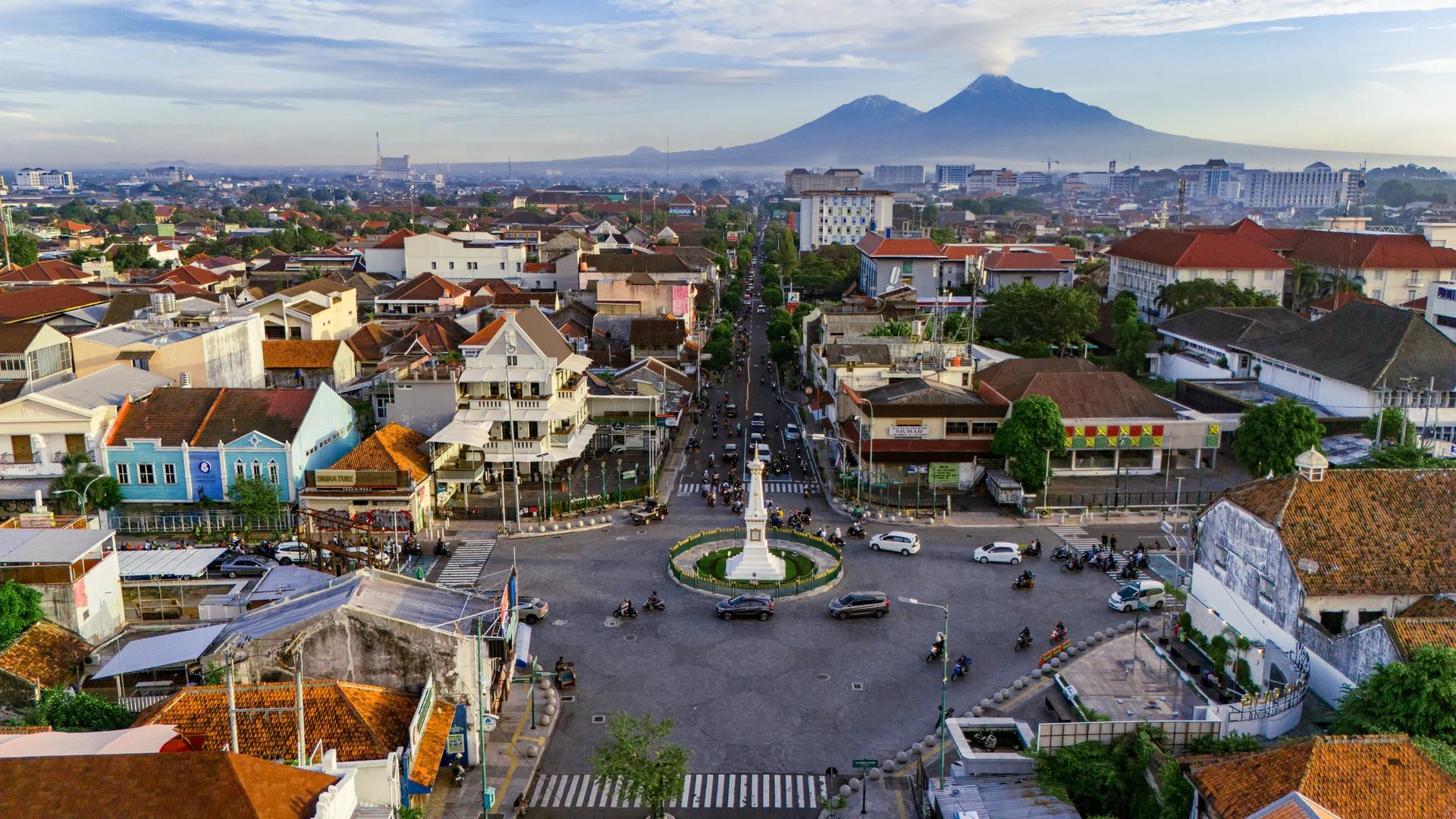
Central Yogyakarta, especially around Malioboro Street, Kraton, and Taman Sari, is pedestrian-friendly. Walking lets you soak in the vibrant street life, local shops, and food stalls.
- Cycling is also popular, with rental bikes available in the city and surrounding villages. An eco-friendly way to explore rice fields and traditional neighbourhoods at a slower pace.
Travel Tip: For a smooth experience, use Grab or hire a car with a driver for day trips.
Visa & Entry Requirements for Yogyakarta

Before packing your bags for Yogyakarta, it’s important to understand Indonesia’s visa and entry requirements. Whether you’re planning a short cultural trip or an extended stay, the process is straightforward for most travellers.
Who Needs a Visa and Who Doesn’t? Indonesia allows visa-free entry for ASEAN nationals (including travellers from Malaysia, Singapore, Thailand, Vietnam, and the Philippines) for short visits.
Citizens of countries such as the United States, United Kingdom, Australia, Canada, Japan, and most of Europe can enter Indonesia under the Visa on Arrival (VoA) program.
However, travellers from certain countries not included in these categories may need to apply for an e-Visa or tourist visa in advance through an Indonesian embassy or consulate. Always check the latest official immigration website for updated country lists.
Length of Stay Allowed:
- Visa-Free Entry (ASEAN nationals): Up to 30 days, non-extendable.
- Visa on Arrival (VoA): Valid for 30 days and can be extended once for an additional 30 days (total of 60 days).
- Tourist Visa (Single Entry): Usually allows 60 days and may offer longer options depending on application type.
Overstaying can result in daily fines, so make sure to keep track of your visa validity.
Entry Requirements:
- Passport Validity: Your passport must be valid for at least 6 months from the date of entry.
- Onward/Return Ticket: Immigration officers may ask to see proof of onward or return travel, so have your flight booking handy.
- Visa on Arrival Process: Available at Yogyakarta International Airport (YIA) and most major entry points. Payment is usually around IDR 500,000 (approx. USD 35), payable by cash or card.
- e-Visa Options: Indonesia offers an electronic Visa on Arrival (e-VoA), which allows travellers to apply online before departure for smoother entry.
Travel Tip: If you plan to explore beyond Yogyakarta and stay in Indonesia for more than 30 days, consider applying for an extendable VoA or a tourist visa in advance to avoid last-minute stress. Money & Budget
Money and Budgeting Tips

Managing your money wisely in Yogyakarta can make your trip smooth, affordable, and stress-free. From understanding the local currency to knowing how much to budget per day, here’s everything you need to know.
Currency Basics:
The official currency in Yogyakarta (and all Indonesia) is the Indonesian Rupiah (IDR). Notes come in values from IDR 1,000 to 100,000, with coins available for smaller amounts.
Always carry small bills for local markets, street food vendors, and public transport.
Payment Methods:
- ATMs: Widely available in Yogyakarta. Most accept Visa and Mastercard, but always check for withdrawal limits and fees.
- Credit/Debit Cards: Accepted at mid-range to luxury hotels, modern restaurants, and shopping malls. Smaller shops, warungs (local eateries), and traditional markets usually require cash.
- Mobile Payments: Popular FinTech apps like GoPay, OVO, and Dana are common among locals. However, international travellers may find them less convenient without an Indonesian bank account.
Budget Guide per Day: Your daily budget in Yogyakarta depends on your travel style:
- Backpacker (IDR 250,000-400,000 / USD 15-25): Stay in hostels or budget guesthouses, eat at street food stalls (around IDR 15,000–30,000 per meal), and use public transport or shared rides.
- Mid-Range Traveller (IDR 700,000-1,200,000 / USD 45-80): Stay in 3-star hotels, enjoy a mix of local and international dining, and use taxis or Grab for convenience. Entry fees to attractions and short tours are easily manageable.
- Luxury Traveller (IDR 2,000,000+ / USD 130+): Stay in Yogyakarta on 5-star hotels or boutique resorts, dine at fine restaurants, and book private tours or drivers for exploring temples, cultural sites, and nearby natural wonders.
Insider Tips for Exchanging Money:
- Best Rates: Exchange money at authorised money changers in Malioboro Street or other central areas of Yogyakarta for competitive rates.
- Avoid: Airport counters and unlicensed exchangers. They often give lower rates or may charge hidden fees.
- Pro Tip: Bring crisp, undamaged foreign currency notes (USD, EUR, SGD) as money changers may refuse torn or old bills.
Travel Tip: Carry a mix of cash and cards. ATMs are reliable, but cash is king in traditional markets and rural areas around Yogyakarta.
Essential Travel Tips for Yogyakarta
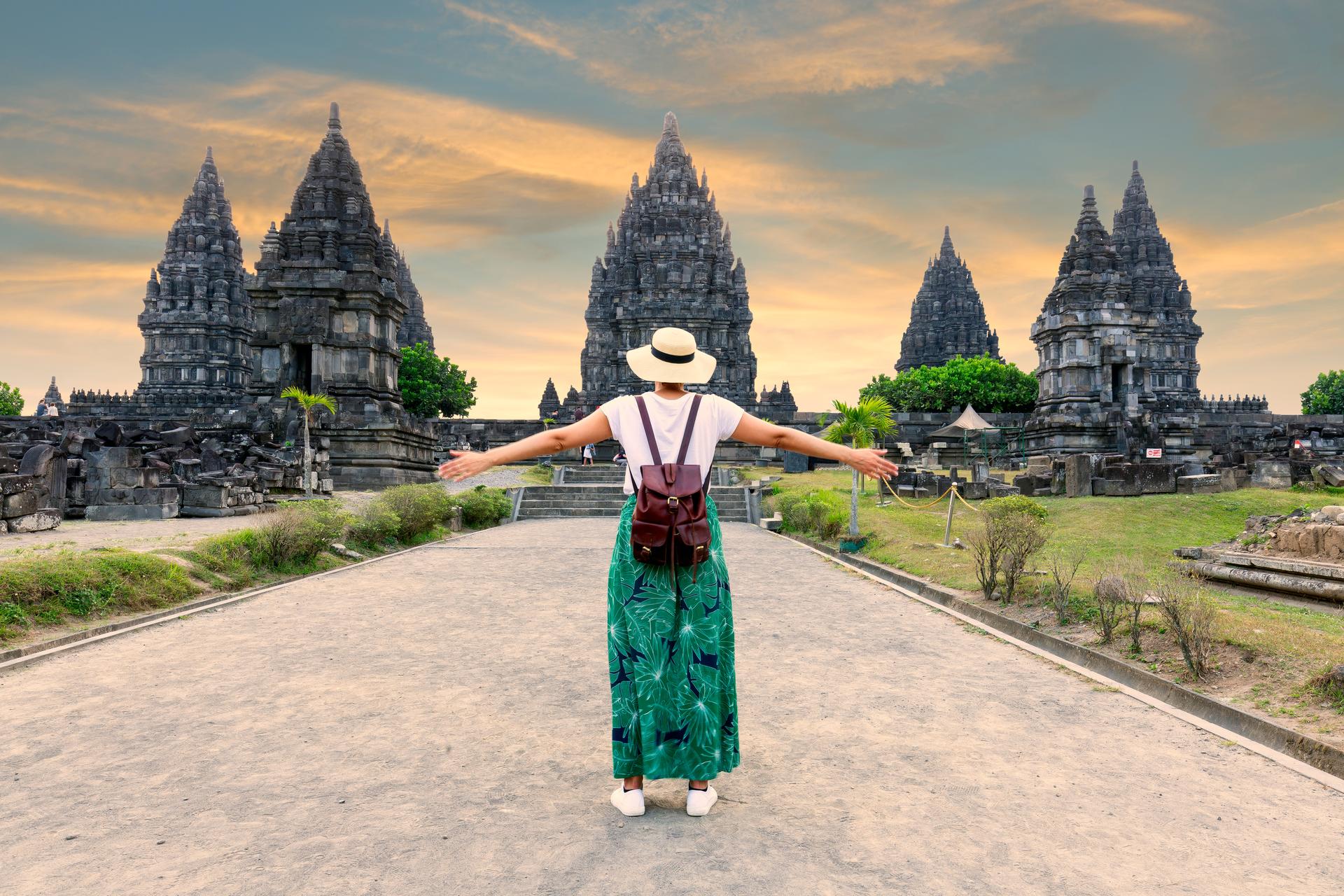
Planning your trip to Yogyakarta? To make your visit smooth, safe, and enjoyable, it’s important to know a few essential travel tips. From cultural etiquette to practical packing advice, here’s everything you should keep in mind before you go.
Local Laws & Customs:
- Dress Code at Temples: Wear modest clothing that covers shoulders and knees when visiting acred sites like Borobudur or Prambanan. Sarongs are often provided at entrances.
- Respect Traditions: Always remove shoes before entering mosques, temples, or private homes.
- Alcohol: While alcohol is available in tourist areas, it’s less common outside the city centre. Drinking in public spaces is discouraged.
- Photography: Always ask permission before photographing locals, especially in rural areas or during traditional ceremonies.
Health & Safety Tips:
- Mosquito Protection: Yogyakarta is tropical, so pack mosquito repellent to guard against bites. Dengue fever can occur during the rainy season.
- Tap Water: Do not drink tap water. Stick to bottled or filtered water, widely available at shops and hotels.
- Vaccinations: Recommended vaccines for travellers include Hepatitis A, Typhoid, and Tetanus. Consult your doctor before travelling.
- General Safety: Yogyakarta is considered safe, but always keep an eye on belongings in crowded areas like Malioboro Street.
Local Etiquette:
- Greetings: A smile and a slight nod are common. In more formal settings, shake hands lightly (often with both hands).
- Tipping: Not mandatory, but appreciated.
- Cultural Do’s & Don’ts:
- Don’t point with your finger, use your whole hand instead.
- Avoid touching someone’s head, as it’s considered sacred.
- Public displays of affection are frowned upon, especially in traditional areas.
Packing Tips:
- Weather: Yogyakarta is hot and humid year-round, with average temperatures around 25-30°C. Lightweight, breathable clothing is best.
- Rain Gear: If travelling during the wet season (November-March), pack a raincoat or umbrella.
- Footwear: Comfortable walking shoes are a must for exploring temples, markets, and natural sites.
- Electrical Outlets: Indonesia uses Type C and Type F plugs (European style), 220V supply. Bring a universal adapter.
- Must-Bring Items: Sunscreen, reusable water bottle, hat, and a light scarf or shawl for temple visits.
Travel Tip: Respect and patience go a long way in Yogyakarta. The locals are warm and welcoming, and showing appreciation for their culture will make your trip even more rewarding.
Summary
Yogyakarta is more than just a destination. It is an experience that captures the true essence of Java. From Borobudur and Prambanan Temples to Kraton Yogyakarta and Malioboro Street, the city blends history, culture, and creativity. Whether you are exploring sacred landmarks, chasing adventure on Mount Merapi, or discovering local art and street food, every moment in Jogja feels authentic and alive.
Beyond its stunning attractions, what truly makes Yogyakarta unforgettable is its heart, the warmth of its people, the rhythm of its traditions, and the harmony between the old and the new. It is a place where you can slow down, connect deeply, and rediscover wonder in the everyday.
If you are dreaming of a trip rich in culture, beauty, and adventure, Yogyakarta deserves a top spot on your list. Start planning your journey today and book your flight to Yogyakarta. You will quickly see why they say “Jogja is the soul of Java.”
Frequently Asked Questions About Visiting Yogyakarta
Must-visit attractions include Borobudur Temple, Prambanan Temple, Kraton Yogyakarta, Taman Sari Water Castle, Mount Merapi, Jomblang Cave, and Gunungkidul beaches.
The dry season from May to September is ideal for sightseeing. June to August offers good weather and lively festivals, while the wet season (October to April) has fewer crowds and lush landscapes.
You can fly into Yogyakarta International Airport (YIA), take a scenic train ride from Jakarta or Surabaya, travel by intercity bus, or drive by car/private hire.
Daily budgets: Backpackers: IDR 250,000–400,000 (USD 15–25), Mid-range travellers: IDR 700,000–1,200,000 (USD 45–80), Luxury travellers: IDR 2,000,000+ (USD 130+).
Dress modestly at temples, remove shoes in sacred areas, and respect traditions. Yogyakarta is generally safe, but bring mosquito repellent, drink bottled water, and stay alert in crowded spots.

Phaksornkan T.
20 November 2025