Your Definitive Guide to Malay Ulam
Salad, kampung style.
When it comes to eating clean and healthy, look no further than the Malay staple called ulam.
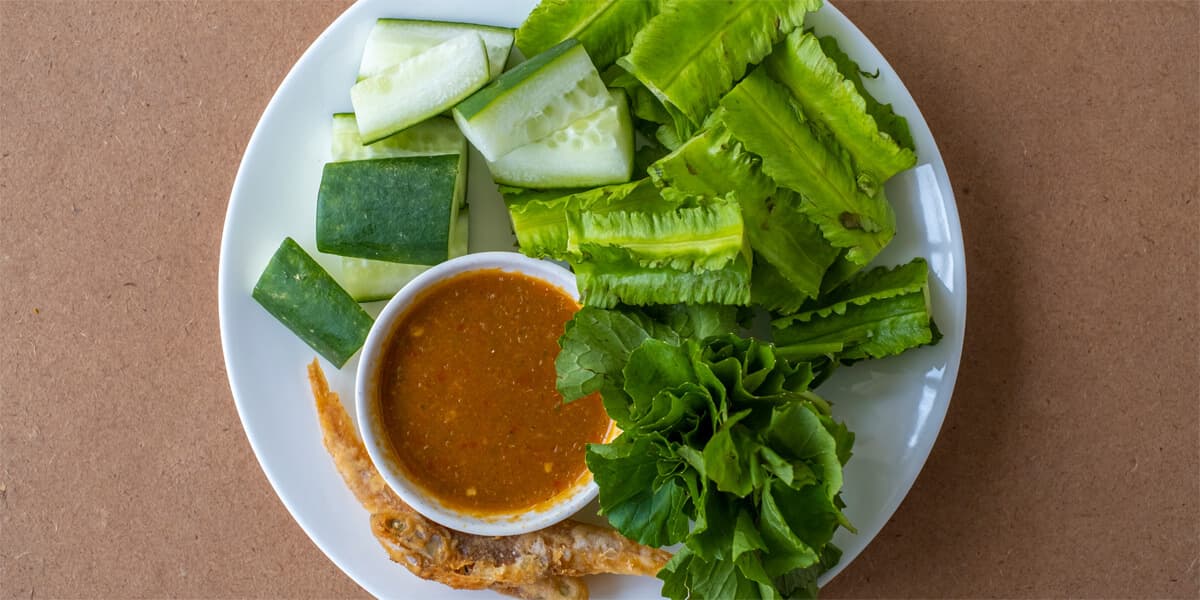
An umbrella term for herbs, vegetables and fruits that are eaten raw or lightly blanched, ulam is served as an accompaniment to the main meal.
Typically dipped in umami-packed condiments like sambal belacan, sambal cincalok or budu, this unassuming side dish is a riot of flavours and textures, and boasts an abundance of health benefits.
Pucuk gajus
These crunchy greens are used to treat ailments.
Known as* pucuk gajus*, the leaves of the cashew tree are said to possess anti-ageing properties, and are traditionally used to treat malaria, hypertension and even diarrhea.
Bitter yet slightly tart, these crunchy leaves are usually picked young, when they are still reddish-brown.
Mature green leaves are also consumed but the flavour is more pronounced - you might want to double up on the condiments to mask the bitterness.
Pegaga
Otherwise known as pennywort, pegaga has been long used in traditional Malay, Indian and Chinese medicine.
This mildly bitter herb is renowned for its ability to lower blood pressure and body temperature, and is also consumed by new mothers during confinement to help with healing and aid breast milk production.
However, studies have shown that continued consumption of* pegaga*can cause liver damage and, in extreme cases, jaundice, so proceed with caution.
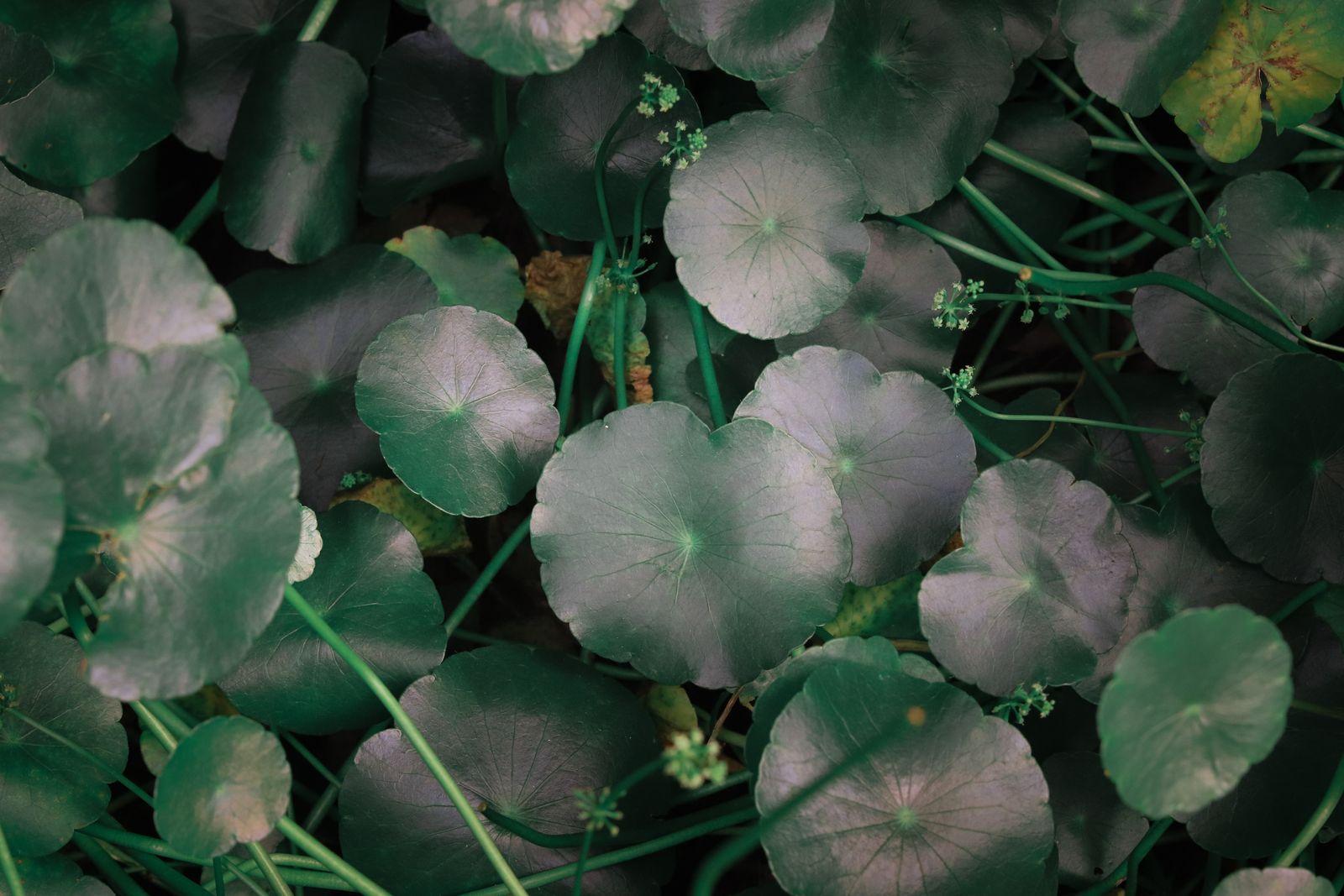
Pegaga pairs well with sambal belacan. Image: C_jinting 陈 / Pexels
Tenggek burung
Aromatic and libido enhancing.
Recognisable by its thick, glossy leaves featuring wavy edges, tenggek burung (Euodia ridleyi) is commonly eaten as an aphrodisiac to increase libido, as well as to boost fertility.
A distant cousin of the cashew tree, the leaves of this plant are bitter, with a hint of sourness.
This high-fibre ulamis excellent for digestion and keeps you feeling full for longer so you won’t be quick to snack between meals.
Kacang botol
Also known as winged bean or four-angled bean,* kacang botol* is a long, tube-like bean pod that grows on the vines of the plant.
Besides its distinct earthy taste, it is also rich in vitamins A and C, both of which strengthen the body’s natural immunity against infections and disease.
Expectant mothers consume it for its high calcium, iron and folate, which helps replenish red blood cells and ensure proper development of the fetus.
Like all beans, kacang botol is high in protein while also being low in fat and calories, making it the perfect post-workout snack.
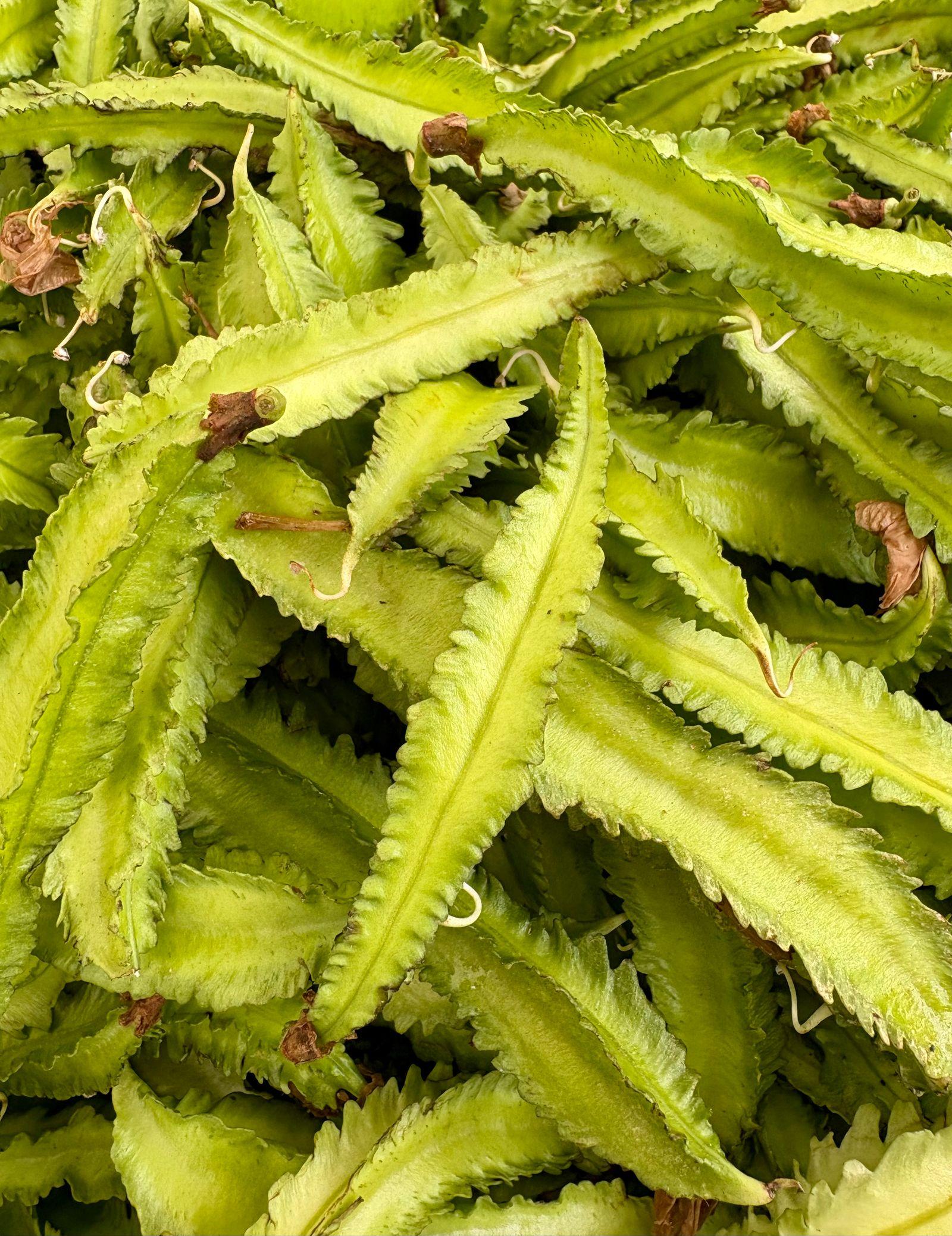
Good for expecting mothers. Image: L. Lum / Pexels
Jering
Its thick skin hides a fatty morsel.
Known for its sharp, pungent smell, jering (Archidendron pauciflorum) is a pod-like bean that is believed to cleanse the blood and improve heart function.
The edible part is enclosed within a thick, purply-black skin, which once peeled reveals a light green or chestnut-brown pod, depending on its ripeness.
Each bite of this ulam will deliver a hearty, fatty flavour, as well as hints of astringency.
It is also a diuretic that is consumed to lower blood sugar levels in the event of a diabetic spike. However, when eaten in large quantities, its acidity can lead to acute kidney injury, so indulge in moderation.
Jantung pisang
The purple-skinned flower of the banana plant is one of the many flowers eaten in Southeast Asia. Called jantung pisang in Malay, this ulam has all the digestive benefits of bananas but with less sugar.
This fibrous blossom is full of magnesium and iron, which are crucial for mood regulation and good mental health, as well as the production of healthy red blood cells.
Possessing a neutral flavour, it is usually served unpeeled and lightly blanched.
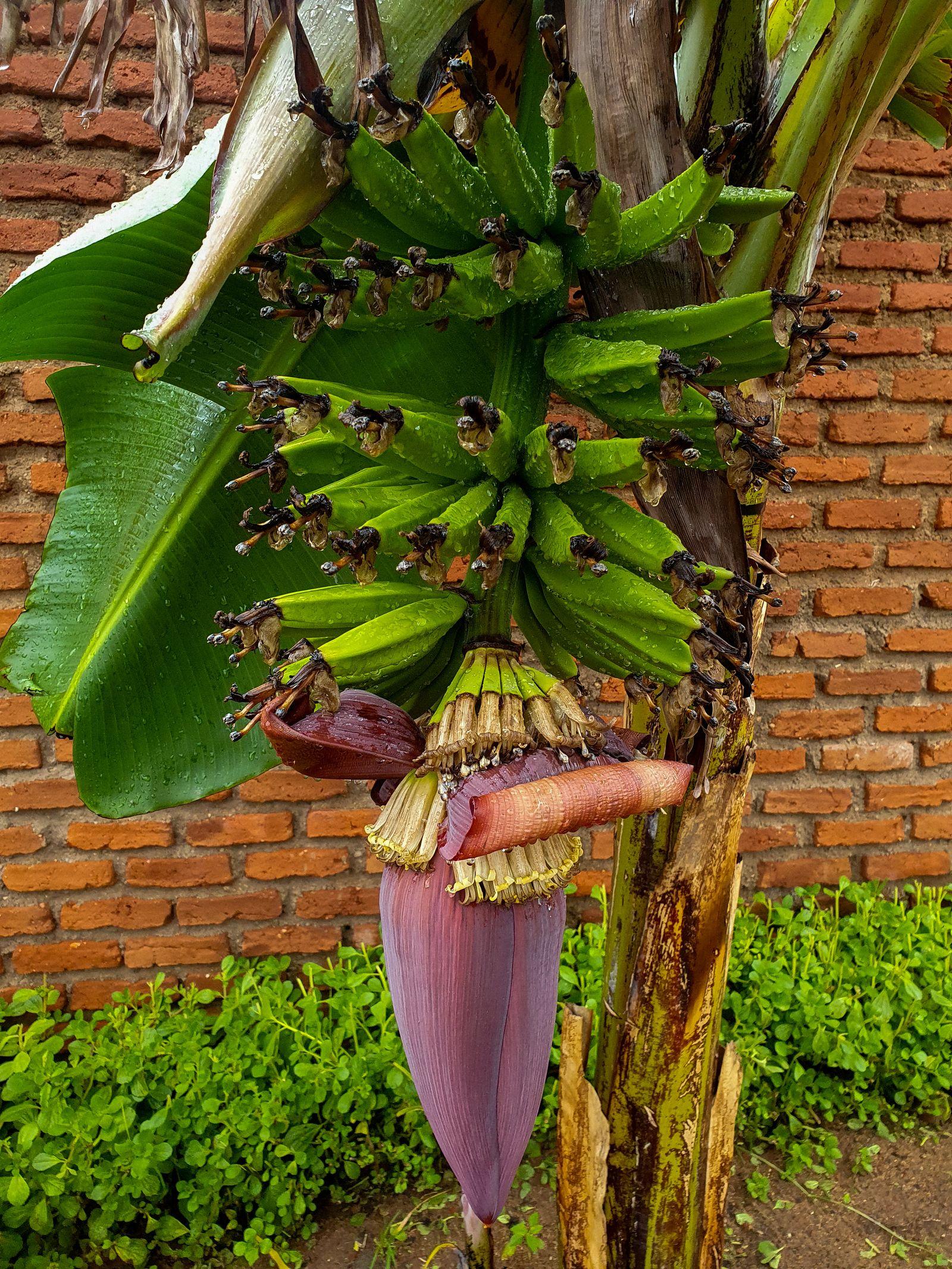
The heart of the banana tree. Image: Chimango Hara / Pexels
Petai
Petai, also known as stink bean, gives off a pungent smell but for diehard fans, its umami taste is well worth it.
The beans are harvested from a cluster of long twisted pods with a tough outer skin and resemble edamame, but with a decidedly sharper flavour.
This lean green treat is prescribed by practitioners of traditional medicine to treat a wide range of diseases, from kidney dysfunction to hypertension.
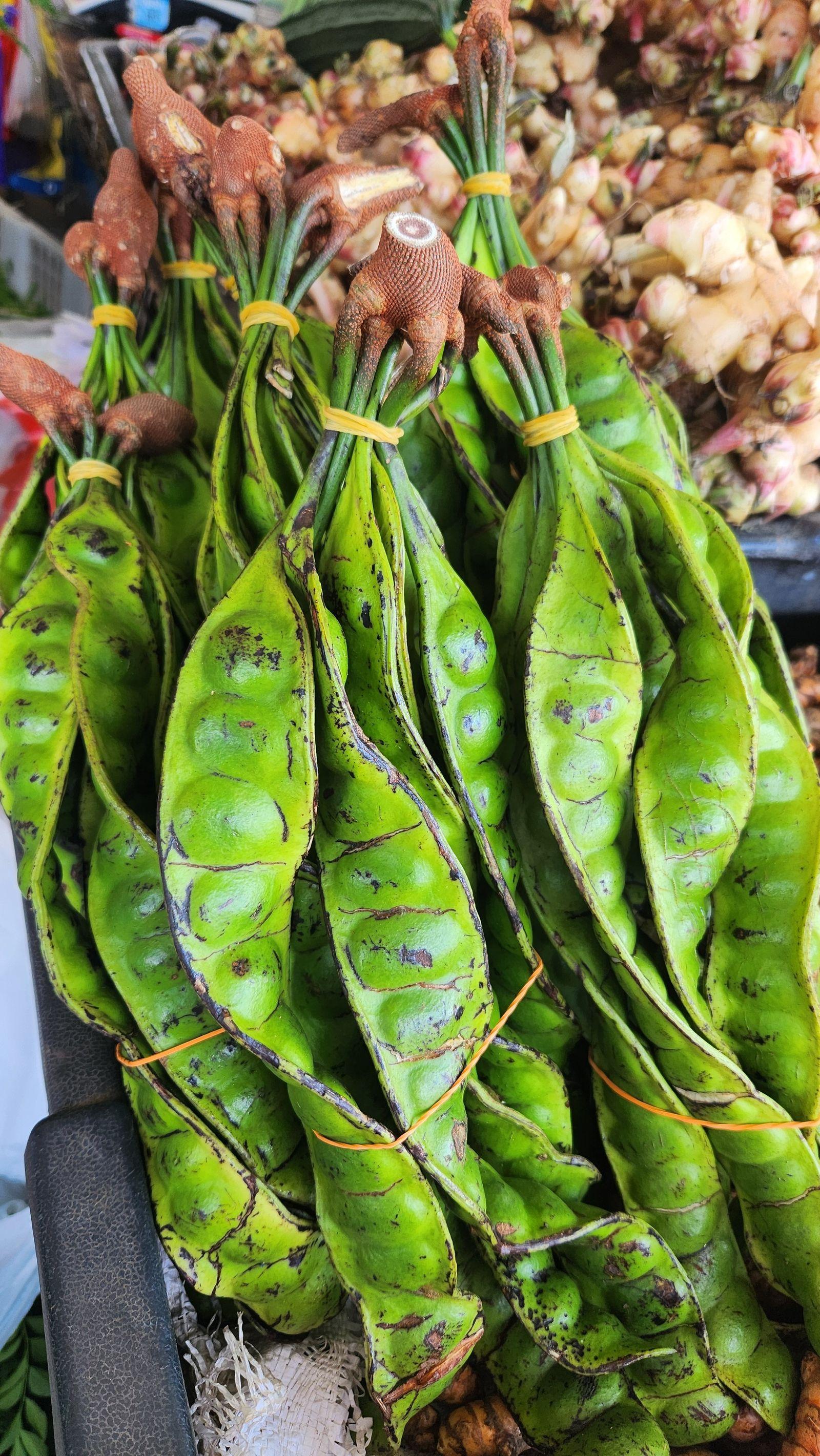
Petai is extremely savoury and stinky. Image: Hi Nana Shop / Pexels
Timun
The humble cucumber or timun belongs to the same family of fruits as the watermelon, but it is widely considered a vegetable, in large part due to its mildly bitter taste.
High in fibre and water content, it is consumed to aid digestion, while its hydrating properties help eliminate toxins in the body.
Served sliced and usually found on a plate of nasi lemak, this crunchy ulam is also a good source of vitamin A, which helps strengthen the immune system.
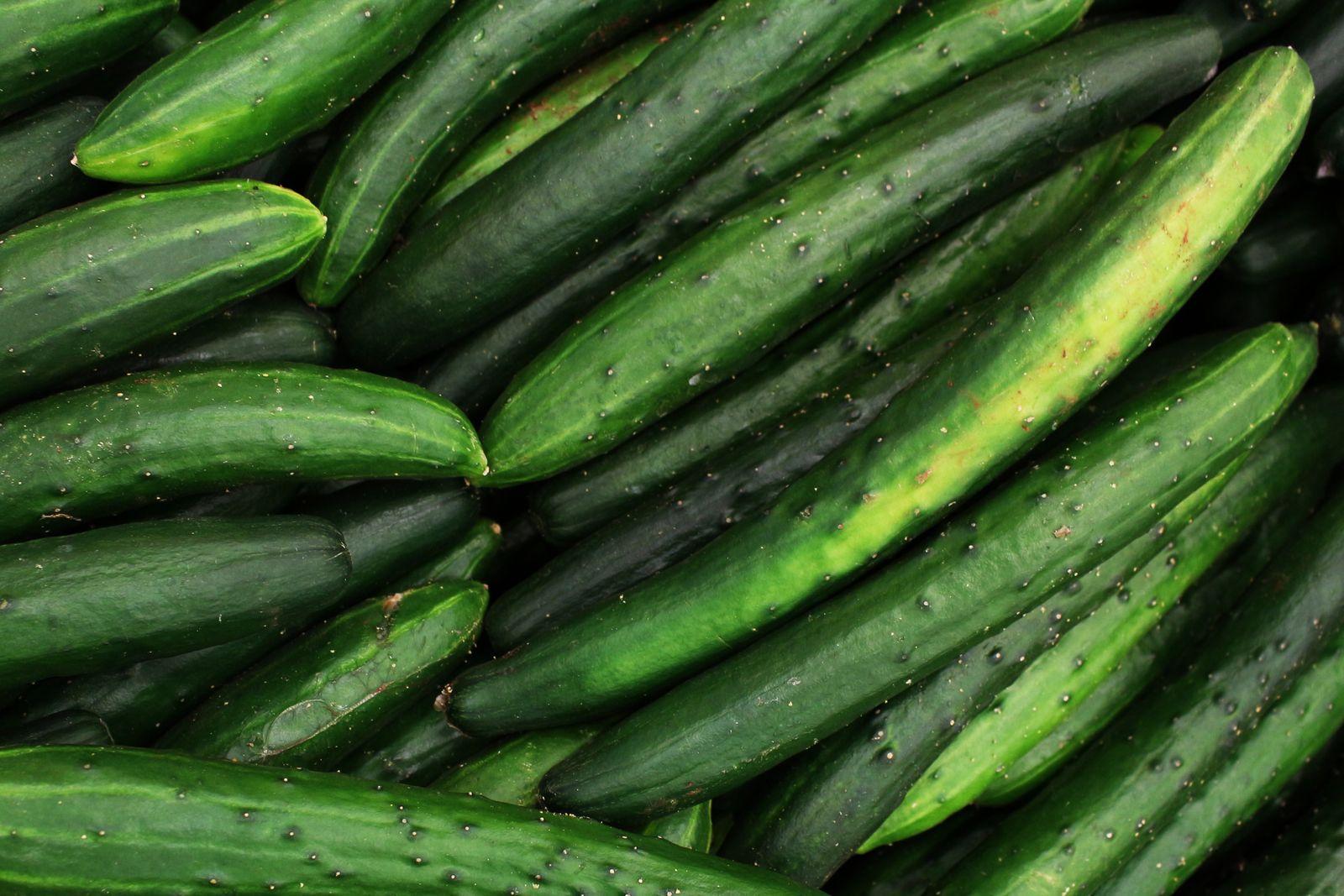
With a high water content, cucumber can help with hydration. Image: Daniel Dan / Pexels
Kacang panjang
Kacang panjang, also known as the yardlong bean or Chinese long bean, is a good source of vitamin A, which improves complexion and vision.
It is also high in folates, a vitamin B complex that helps prevent brain and spinal defects in the fetus during pregnancy.
With pods that grow up to 1 metre long, this ulam is lightly sweet and earthy, with a crunchy and slightly rubbery texture.
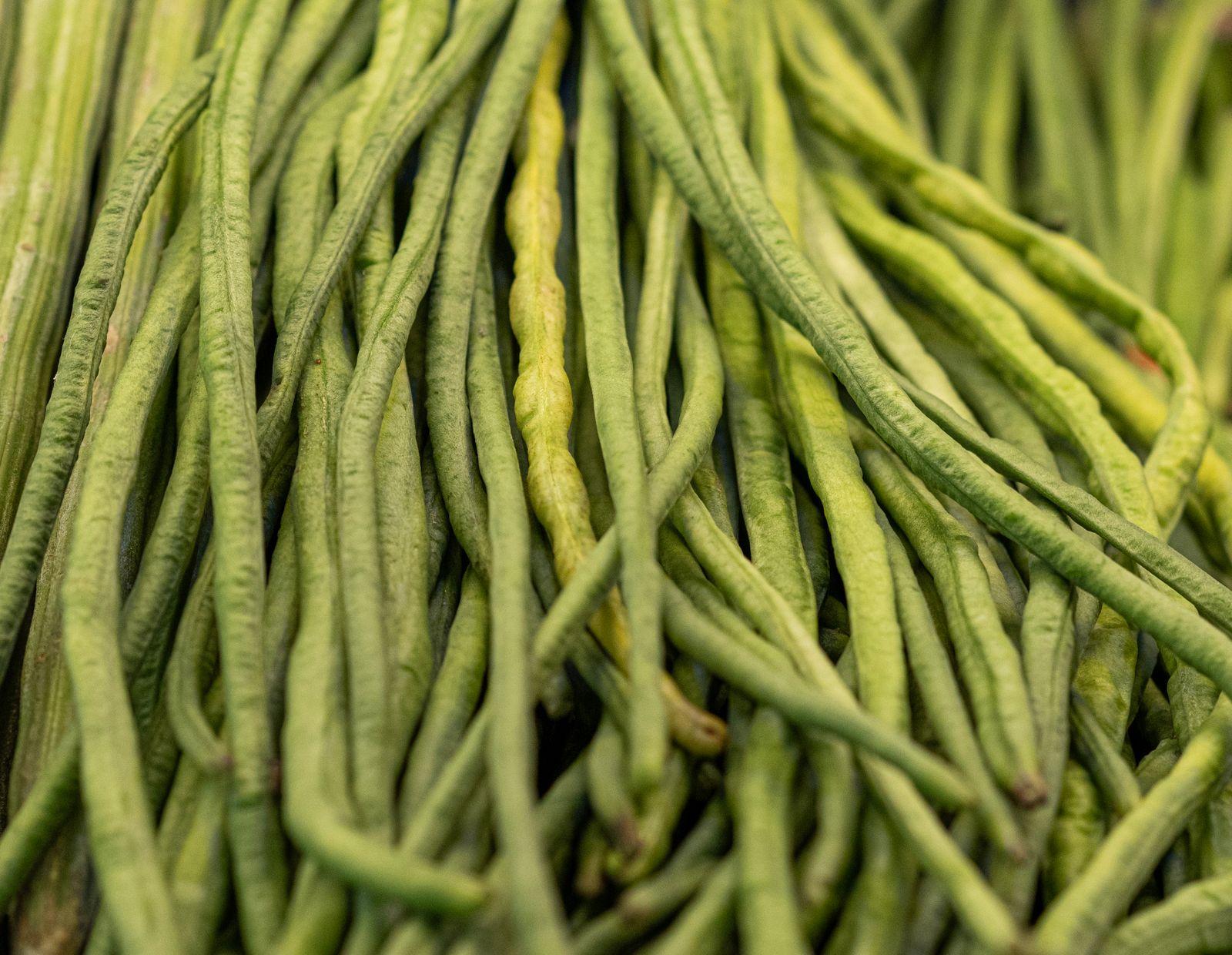
Kacang panjang is a variant of the cowpea. Image: aboodi vesakaran / Pexels
Sambung nyawa
Its colours range from dark green to light purple.
Longevity spinach or sambung nyawa (extending life) in Malay is a leafy herb commonly eaten for its anti-inflammatory and cardioprotective properties.
It has a mild flavour akin to spinach. The colour of the leaves varies, depending where on the plant they grow - those on the upper stems are dark green, taking on a purplish tint towards the bottom.
Also common in Thai and Chinese traditional medicine, it is seen as an effective remedy for diabetics, with compounds such as kaempferol and quercetin that reduce blood sugar levels.
Terung
Whether it’s called eggplant, brinjal, aubergine or* terung*, this vegetable, the flesh of which is slightly spongy when raw, is known for its mild taste.
It has fibre to relieve constipation and potassium, which helps the body regulate water balance and muscle contractions.
This ulam comes in many varieties, from long and oblong to short and bulbous, as well as in different colours, including purple, green and white.
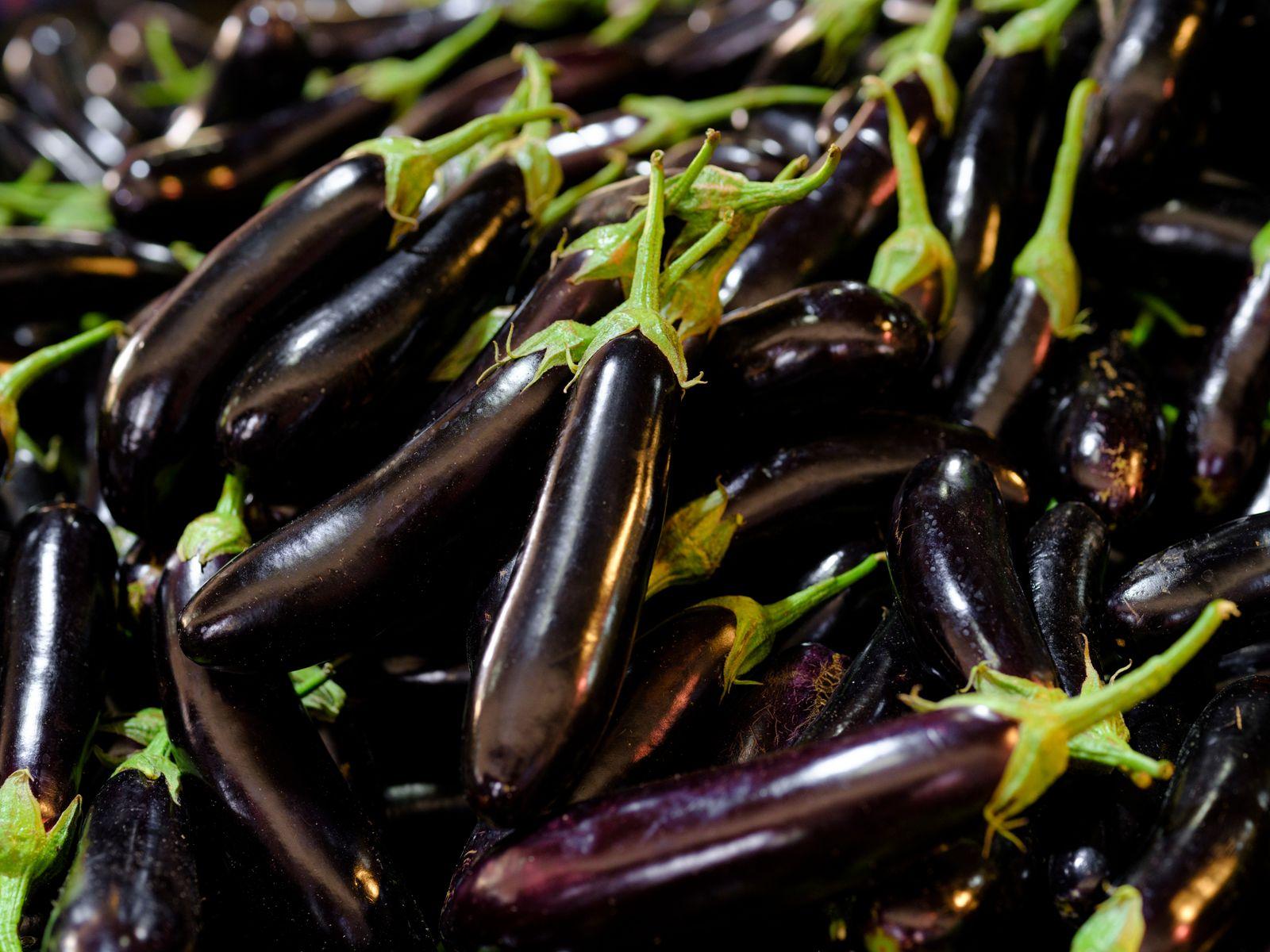
Brinjal is tender and slightly sweet. Image: Engin Akyurt / Pexels
Peria
Peria or bitter gourd is a member of the gourd family that’s closely related to the zucchini, squash, pumpkin and cucumber.
It is consumed for its cancer-warding antioxidants, as well as naturally occurring polyphenols that reduce heart complications and inflammation.
Possessing a strong bitter taste, the gourd is typically light green or light yellow in colour with a warty skin that can be eaten.
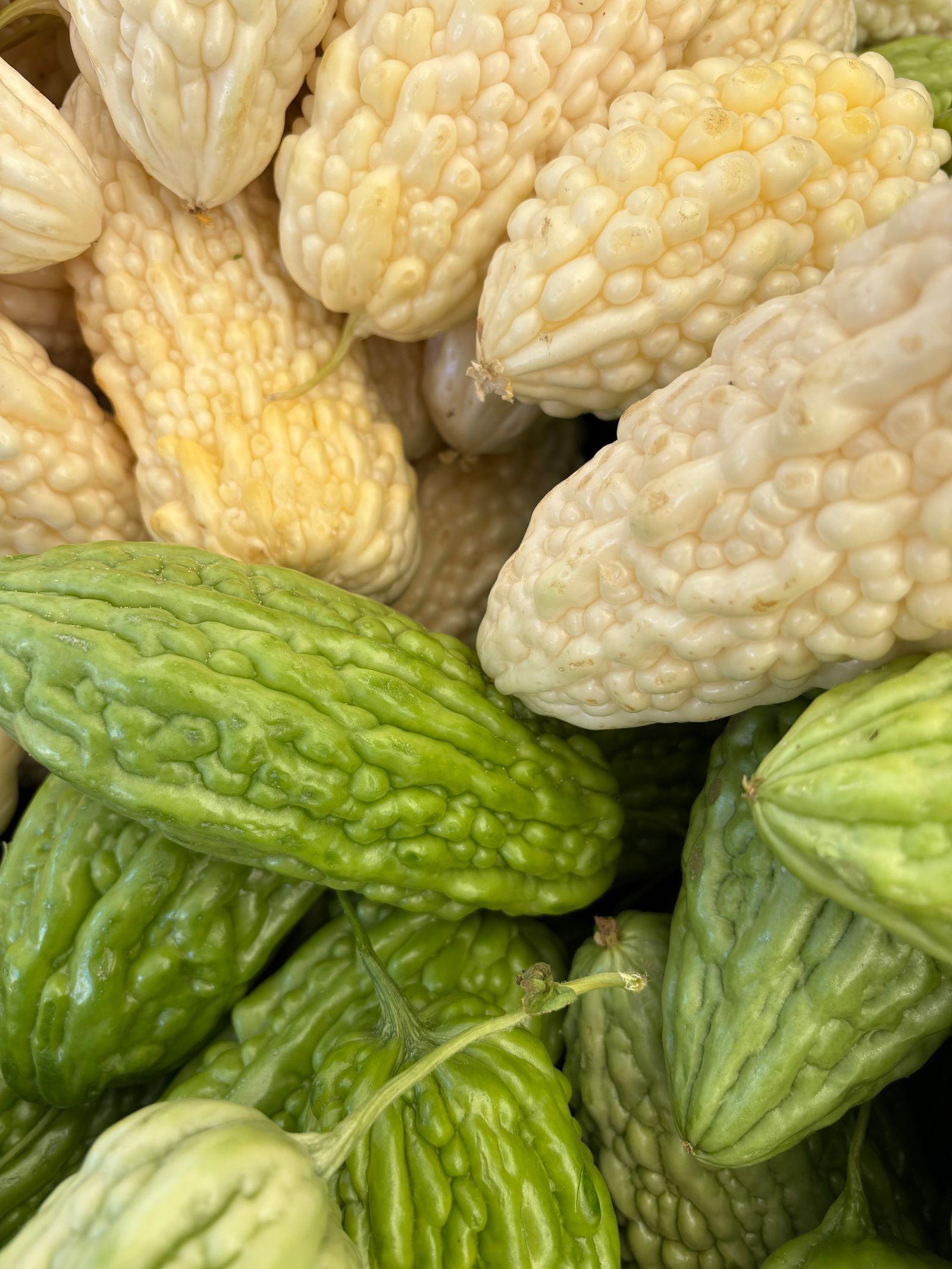
Even the skin can be eaten. Image: L. Lum / Pexels
Cekur
Cekur is a cousin of the common ginger.
Cekur, also known as kencur, aromatic ginger or sand ginger, is a nutritious* ulam* packed with muscle-regenerating protein and natural plant fibre.
Typically grown in rural areas across Malaysia, the plant is harvested for its aromatic leaves and its stubby rhizomes, which are used in cooking to impart a woody, peppery flavour.
As it is high in magnesium and zinc, incorporating cekur leaves into your diet can improve your mood and exercise performance, as well as alleviate the symptoms of premenstrual syndrome.
Selom
Some selom grow as long as 100 centimetres.
A herb resembling thin celery, selom or water celery is lightly bitter with tangy notes, and was once a staple of the Malay diet cultivated for its many health benefits.
Besides being high in protein and fibre, it is rich in macronutrients such as calcium and phosphorus, which are important for maintaining healthy teeth and bones.
Although in the wild, its stems can grow to up to 1 metre in length, the shorter, commercially cultivated varieties are higher in phytonutrients.