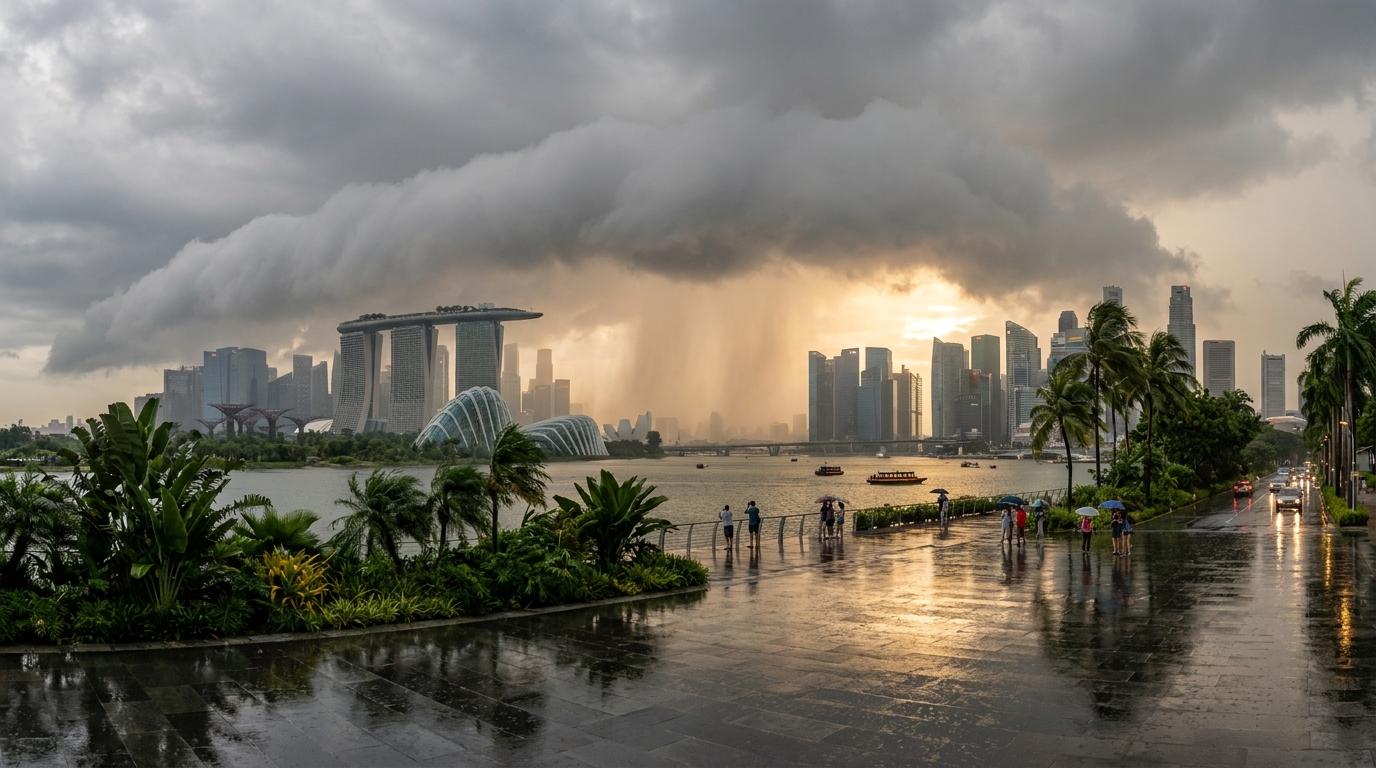
Singapore Weather Month by Month: What to Really Expect
Singapore is hot, humid and rainy throughout the year, but its weather still follows recognisable patterns. February is typically the driest month, while December is the wettest. April and May are among the warmest months, and November and December bring the heaviest rainfall.
Rather than four traditional seasons, Singapore experiences two monsoon periods separated by two shorter inter-monsoon periods. This means a sunny morning can still turn into a heavy thunderstorm later in the day.
This Singapore weather month-by-month guide explains what to expect each month, including temperature, rainfall, outdoor activities and what to pack.
Singapore's Climate in One Quick Read
Singapore has a tropical climate close to the Equator, so temperatures remain fairly consistent throughout the year. Based on the Meteorological Service Singapore's 1991–2020 climate normals, average daily maximum temperatures range from 30.5°C to 32.4°C, while average monthly temperatures range from 26.8°C to 28.6°C. Average relative humidity is around 81–85%.
Rainfall changes more noticeably than temperature. February is the driest month at 105.1 mm, while December is the wettest at 331.9 mm. Rain can occur in every month, so even during the relatively drier Southwest Monsoon period, it is sensible to carry some rain protection.
Singapore's weather can broadly be divided into:
- Northeast Monsoon: December–March
- First Inter-Monsoon: April–May
- Southwest Monsoon: June–September
- Second Inter-Monsoon: October–November
The exact transition dates vary from year to year.
Singapore Weather at a Glance
| Month | Avg High | Avg Low | Avg Temperature | Rainfall | Typical Weather |
|---|---|---|---|---|---|
| January | 30.6°C | 24.3°C | 26.8°C | 221.6 mm | Wet, cloudy at times |
| February | 31.5°C | 24.6°C | 27.3°C | 105.1 mm | Driest, warm and sunny |
| March | 32.2°C | 24.9°C | 27.8°C | 151.7 mm | Hot with thunderstorms |
| April | 32.4°C | 25.3°C | 28.2°C | 164.3 mm | Hot and humid |
| May | 32.3°C | 25.7°C | 28.6°C | 164.3 mm | Hottest by mean temperature |
| June | 31.9°C | 25.7°C | 28.5°C | 135.3 mm | Warm, relatively drier |
| July | 31.4°C | 25.4°C | 28.2°C | 146.6 mm | Warm and humid |
| August | 31.4°C | 25.3°C | 28.1°C | 146.9 mm | Warm, relatively drier |
| September | 31.6°C | 25.2°C | 28.0°C | 124.9 mm | Warm, relatively dry |
| October | 31.8°C | 25.0°C | 27.9°C | 168.3 mm | Humid, thunderstorms |
| November | 31.2°C | 24.6°C | 27.2°C | 252.3 mm | Wet and stormy |
| December | 30.5°C | 24.3°C | 26.8°C | 331.9 mm | Wettest month |
What Is the Weather Like in Singapore?
Singapore is warm and humid throughout the year, with rainfall possible in every month. The biggest seasonal difference is rainfall rather than temperature.
The Northeast Monsoon from December to March brings the wetter part of the year, although the latter part of the monsoon becomes relatively drier. December and January are particularly wet, while February is the driest month.
The First Inter-Monsoon period in April and May is characterised by light, variable winds, warm temperatures and frequent thunderstorms caused by strong daytime heating.
The Southwest Monsoon from June to September is generally relatively drier. Singapore can still experience heavy showers and thunderstorms, including Sumatra squalls, particularly during certain weather conditions. Regional haze can also affect Singapore during this period in some years.
The Second Inter-Monsoon period in October and November brings light, variable winds and frequent thunderstorms. Rainfall increases substantially by November as the Northeast Monsoon approaches.
Singapore Weather Month by Month
January
January falls within Singapore’s Northeast Monsoon and is one of the wetter months of the year. Rain can be frequent, with cloudy periods and occasional heavier showers, but temperatures remain warm throughout the day. It is still a good month for exploring Singapore, especially if you mix outdoor sightseeing with museums, shopping centres and indoor attractions.
January at a glance:
- Temperature: 24.3–30.6°C
- Rainfall: 221.6 mm
- Good for: Museums, shopping, cafés, food tours and sightseeing between showers
- Pack: Lightweight clothes, compact umbrella and comfortable waterproof shoes
December
December is the wettest month of the year, with average rainfall reaching 331.9 mm. It is also part of the Northeast Monsoon, when monsoon surges can sometimes bring periods of prolonged rain. Temperatures remain warm, so the main challenge is managing rainfall rather than cold weather.
December at a glance:
- Temperature: 24.3–30.5°C
- Rainfall: 331.9 mm
- Good for: Indoor attractions, shopping, museums, galleries and food experiences
- Pack: Umbrella, lightweight quick-drying clothes, waterproof footwear and a light bag cover
November
November is one of Singapore’s wettest months, with 252.3 mm of average rainfall and around 19 rain days. It falls within the wetter part of the Northeast Monsoon transition, so heavier or more prolonged rain can occur. Build indoor alternatives into your itinerary and allow extra time when travelling across the city during heavy rain.
November at a glance:
- Temperature: 24.6–31.2°C
- Rainfall: 252.3 mm
- Good for: Museums, galleries, shopping, food experiences and indoor attractions
- Pack: Compact umbrella, quick-drying clothes and comfortable waterproof footwear
October
October is part of Singapore’s second inter-monsoon period. Temperatures remain high, while rainfall increases compared with September. Thunderstorms are also relatively common, so it is useful to plan sightseeing in shorter blocks rather than relying on a full day outdoors.
October at a glance:
- Temperature: 25.0–31.8°C
- Rainfall: 168.3 mm
- Good for: Museums, galleries, shopping, cafés and sightseeing between showers
- Pack: Lightweight clothing, comfortable shoes and an umbrella
September
September remains warm and humid, with rainfall slightly lower than in August based on the long-term climate average. Thunderstorms remain possible, so outdoor plans are best kept flexible. The combination of indoor and outdoor attractions works particularly well for this time of year.
September at a glance:
- Temperature: 25.2–31.6°C
- Rainfall: 124.9 mm
- Good for: Museums, galleries, shopping, gardens and evening walks
- Pack: Lightweight clothing, sunscreen and an umbrella
August
August has a similar weather pattern to July, with warm temperatures and relatively moderate rainfall. Showers can still develop quickly, particularly during thunderstorms, but they do not necessarily disrupt an entire day. Plan outdoor activities around the heat and keep some flexibility in your schedule.
August at a glance:
- Temperature: 25.3–31.4°C
- Rainfall: 146.9 mm
- Good for: Gardens, city walks, cultural attractions and evening sightseeing
- Pack: Breathable clothes, sunscreen, hat and compact umbrella
July
July is part of the Southwest Monsoon and is among the relatively drier periods in Singapore. Temperatures remain consistently warm, with average daytime highs around 31.4°C. It is a practical month for sightseeing, although the combination of heat and humidity means breaks and hydration are important.
July at a glance:
- Temperature: 25.4–31.4°C
- Rainfall: 146.6 mm
- Good for: City sightseeing, outdoor attractions, food tours and evening activities
- Pack: Lightweight clothing, sunscreen, reusable water bottle and umbrella
June
June marks the start of the Southwest Monsoon and is relatively drier than the wetter months towards the end of the year. It remains hot and humid, but average rainfall drops to 135.3 mm. Short showers and thunderstorms can still occur, so an umbrella remains useful.
June at a glance:
- Temperature: 25.7–31.9°C
- Rainfall: 135.3 mm
- Good for: Outdoor sightseeing, gardens, neighbourhood walks and evening activities
- Pack: Breathable clothes, sunscreen, sunglasses and a compact umbrella
May
May remains hot and humid, with the highest average monthly temperature of the year at 28.6°C. Rainfall is moderate, but thunderstorms are common during this inter-monsoon period. It is a good month for a flexible itinerary that combines outdoor attractions with places where you can escape the heat.
May at a glance:
- Temperature: 25.7–32.3°C
- Rainfall: 164.3 mm
- Good for: Gardens early in the day, museums, cafés, shopping and evening walks
- Pack: Light, breathable clothes, sunscreen and an umbrella
April
April is one of Singapore’s hottest months, with the highest average daily maximum temperature of the year at 32.4°C. It is also part of the first inter-monsoon period, when thunderstorms can occur more frequently. Plan outdoor activities for cooler parts of the day and keep indoor attractions in your itinerary.
April at a glance:
- Temperature: 25.3–32.4°C
- Rainfall: 164.3 mm
- Good for: Early-morning walks, museums, galleries, shopping and evening activities
- Pack: Breathable clothing, sunscreen, a hat and an umbrella
March
March is warm and humid, with rainfall increasing compared with February. Thunderstorms also become more common as Singapore moves towards the first inter-monsoon period. Mornings can be useful for outdoor activities, while afternoons are best kept flexible in case of showers.
March at a glance:
- Temperature: 24.9–32.2°C
- Rainfall: 151.7 mm
- Good for: Early-morning sightseeing, food tours, gardens and cultural attractions
- Pack: Lightweight clothing, sunscreen and an umbrella
February
February is typically the driest month in Singapore, with average rainfall of just 105.1 mm. The weather is still hot and humid, but there are generally fewer wet days than in most other months. This makes February one of the more comfortable periods for combining outdoor sightseeing with city activities.
February at a glance:
- Temperature: 24.6–31.5°C
- Rainfall: 105.1 mm
- Good for: Walking tours, gardens, outdoor attractions and exploring neighbourhoods
- Pack: Breathable clothing, sunscreen, sunglasses and a light rain jacket
Best Time to Visit Singapore
February is the best month if your priority is lower rainfall. It has the lowest average rainfall of the year at 105.1 mm.
For comfortable outdoor sightseeing, February to March is a particularly attractive period, although Singapore remains hot and humid. June to September is also relatively drier than the wetter Northeast Monsoon months.
However, the best time depends on your travel priorities.
| Travel goal | Recommended months | Why |
|---|---|---|
| Driest weather | February | Lowest average rainfall |
| Outdoor sightseeing | February–March | Lower rainfall with warm temperatures |
| Beach and outdoor activities | February–September | Relatively lower rainfall overall |
| Festivals and events | Varies by calendar | Major events take place throughout the year |
| Christmas and festive atmosphere | December | Year-end decorations and events |
| Lower rainfall with fewer major year-end crowds | February | Driest month |
| Indoor-focused city break | November–January | Wetter period but excellent museums, food and shopping |
There is no completely dry season in Singapore. Even February averages nine rain days, while the relatively drier Southwest Monsoon still receives rain.
Singapore's Monsoon Periods
Singapore's weather is shaped by two monsoons and two shorter transition periods.
Northeast Monsoon: December to March
The Northeast Monsoon brings Singapore's wetter phase, particularly around December and January. February marks the drier phase of the monsoon, when rainfall decreases substantially.
First Inter-Monsoon: April to May
April and May bring light and variable winds, high temperatures and frequent thunderstorms caused by strong daytime heating.
Southwest Monsoon: June to September
June to September is generally relatively drier. Singapore can still experience thunderstorms and Sumatra squalls, while haze may occur during some years when regional conditions allow smoke from fires to affect the island.
Second Inter-Monsoon: October to November
October and November form the second inter-monsoon period. Winds are generally light and variable, and thunderstorms can occur frequently. Rainfall increases sharply in November as the Northeast Monsoon approaches.
What to Pack for Singapore
Singapore's heat and humidity make lightweight clothing useful year-round. Rain protection is equally important because showers can occur in any month.
| Weather | What to Pack |
|---|---|
| Hot and humid | Breathable clothing, comfortable shoes, sunscreen, sunglasses and a hat |
| Sudden showers | Compact umbrella or lightweight rain jacket |
| Wet-season travel | Waterproof pouch or bag cover for electronics |
| Air-conditioned interiors | Light cardigan, overshirt or scarf |
| Places of worship | Lightweight clothing that provides appropriate coverage |
For outdoor sightseeing, comfortable walking shoes are particularly important. A small umbrella is also one of the most useful things to keep in your day bag.
Planning Your Singapore Trip Around the Weather
Singapore is easy to explore year-round, but your itinerary should account for sudden changes in weather.
For the best chance of lower rainfall, February is the strongest choice. If you are travelling during the wetter months, combine outdoor activities with indoor attractions so you can change plans when heavy rain arrives.
Singapore's rainfall can sometimes be prolonged during Northeast Monsoon surges, so do not assume every shower will be a quick 30-minute interruption.
For major events such as Chinese New Year, National Day, Deepavali or the Singapore Grand Prix, check the exact dates for your travel year and book popular hotels and attractions ahead of time.

Indira L
5 October 2026
FAQs about Singapore weather
Clear, travel-ready answers to unique queries about Singapore's weather patterns.