South Korea's best beaches: where to go
South Korea's best beaches, from Busan's vibrant shores to Jeju's turquoise coves
The best beaches in South Korea offer surprisingly beautiful coastal escapes, ranging from lively urban shores to calm, turquoise bays. When you picture your trip, you probably imagine neon-lit streets or ancient temples before you think of lounging by the water. Yet these remarkable korean beaches span volcanic islands, east-coast sunrise stretches, and city sands with full metro access. If you're ready to trade hot pavement for salty ocean breezes, here is exactly where you need to go.
Where South Korea's best coastlines actually are
Explore South Korea's regional beach hotspots and what makes each coastline unique.
South Korea's beaches are scattered across distinctive coastlines, each offering its own brand of coastal culture and scenery. The southeast shines with Busan, Korea's energetic port city boasting beaches that blend metropolitan convenience with seaside fun. Jeju Island in the far south combines volcanic landscapes, unique sand colors, and photogenic turquoise seas—perfect for those pursuing natural drama and adventure.
Furthermore, the east coast around Gangneung is celebrated for sunrise views and stretches of golden sand, while the west coast near Incheon serves up tranquil tidal flats and easy day-trip access from Seoul. Altogether, these regions make South Korea's best beaches some of the most diverse in East Asia. For detailed reviews of individual beaches—including family favorites, nightlife hotspots, and the best surf—refer to the in-depth regional sections below.
South Korea beaches at a glance
A quick-look comparison for choosing your perfect South Korean beach destination.
| Beach | Region/Coast | Best for | Ideal months | Access (nearest station/airport/bus) | Typical admission cost |
|---|---|---|---|---|---|
| Haeundae Beach (Busan) | Busan | Families, swimming, city events | May, June, September, October | Haeundae Station (Busan Metro Line 2) | Free (chair/parasol extra) |
| Gwangalli Beach (Busan) | Busan | Night views, dining, nightlife | May, June, September, October | Geumnyeonsan Station (Busan Metro Line 2) | Free (rentals available) |
| Songjeong Beach (Busan) | Busan | Surfing, tranquil escape | May–October | Bus 100/139/141 from Haeundae Station | Free (surfboard rentals extra) |
| Hyeopjae Beach (Jeju) | Jeju | Photogenic scenery, relaxing | April–August | Bus 202 from Jeju Airport | Free (shower fees extra) |
| Hamdeok Beach (Jeju) | Jeju | Families, safe swimming | June–August | Bus 101 from Jeju Airport | Free |
| Jungmun Saekdal Beach (Jeju) | Jeju | Surfing, dramatic cliffs | July–October (surfing: Sep–Oct) | Airport Limousine 600 to Resort area | Free (surf rental extra) |
| Gyeongpo Beach (Gangneung, east) | Gangneung, east | Sunrise, cycling, lake views | June–August, Jan (for sunrise) | KTX Gangneung + Bus 202/taxi | Free (bike rentals extra) |
| Eurwangni Beach (Incheon, west) | Incheon, west | Sunsets, short trips from Seoul | May–September | Incheon Airport + Bus 302/taxi | Free (parking fees apply) |
Best beaches in Busan for city-loving travelers
Urban beaches for those who crave city life with a seaside twist.
Busan's beaches are celebrated for blending metropolitan excitement with easy access to sand and sea. What makes these city beaches truly unique is their proximity to public transport, a variety of watersports and late-night dining, and frequent local events—from massive sand sculpture festivals to cutting-edge drone light shows.
Expect a vibrant café scene, evening fireworks, and boardwalks brimming with both locals and tourists. Seasoned visitors recommend taking in a sunrise swim at Haeundae, grabbing rooftop coffee as the lights come up on Gwangalli, or sampling street food before live music on Songjeong's quieter stretches. For travelers seeking a one-stop coastal city break with all the amenities and nightlife of a metropolis, Busan's urban beaches deliver an experience you'll find nowhere else among the best beaches in South Korea.
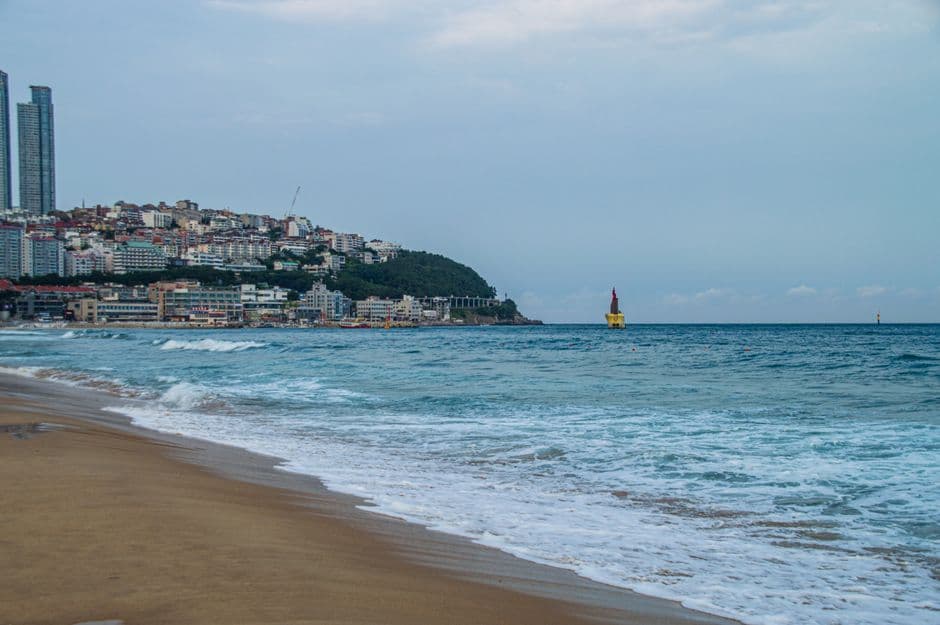
Haeundae Beach South Korea with city skyline, Saksham Vikram
1) Haeundae Beach (해운대)
Location: Haeundae-gu, Busan (southeast coast). Best for first-time visitors seeking that classic city-meets-sand experience. At Haeundae, skyscrapers line the 1.5 km crescent of soft sand, while attractions like Dongbaek Park and Busan X the Sky keep things buzzing.
The summer scene is festival-rich, but savvy travelers visit during May or September for the same views and more relaxed crowds. Public transport is seamless—just 5 minutes from Haeundae Station Line 2. Beach entry is free, though shaded seats rent for about ₩20,000. Come early for the best spot and catch breakfast along the boardwalk, a favorite Busan tradition.
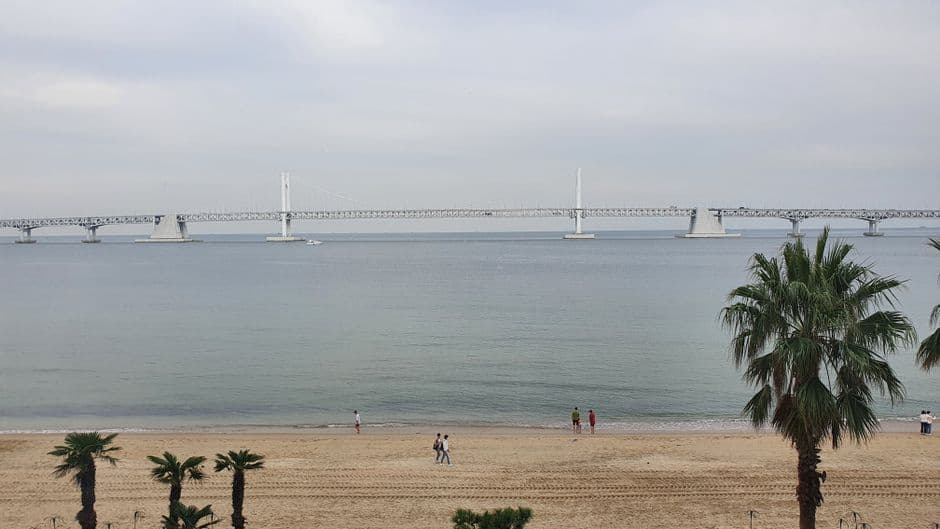
Gwangalli Beach Busan South Korea and Gwangandaegyo Bridge, Dennis Park
2) Gwangalli Beach (광안리)
Location: Suyeong-gu, Busan. Gwangalli's sweeping sand faces the iconic Diamond Bridge, best enjoyed from one of the many beachfront coffee shops or rooftop bars. After dark, the shimmering skyline competes with festival lights and the monthly drone shows.
Visitors gravitate here for night photography, paddleboarding, and all-hours people-watching. Additionally, the beach sits just 8 minutes from Gwangan Station (Line 2). For a real treat, time your visit to sunset and book a café seat for front-row views of this brilliant korean beach landmark.
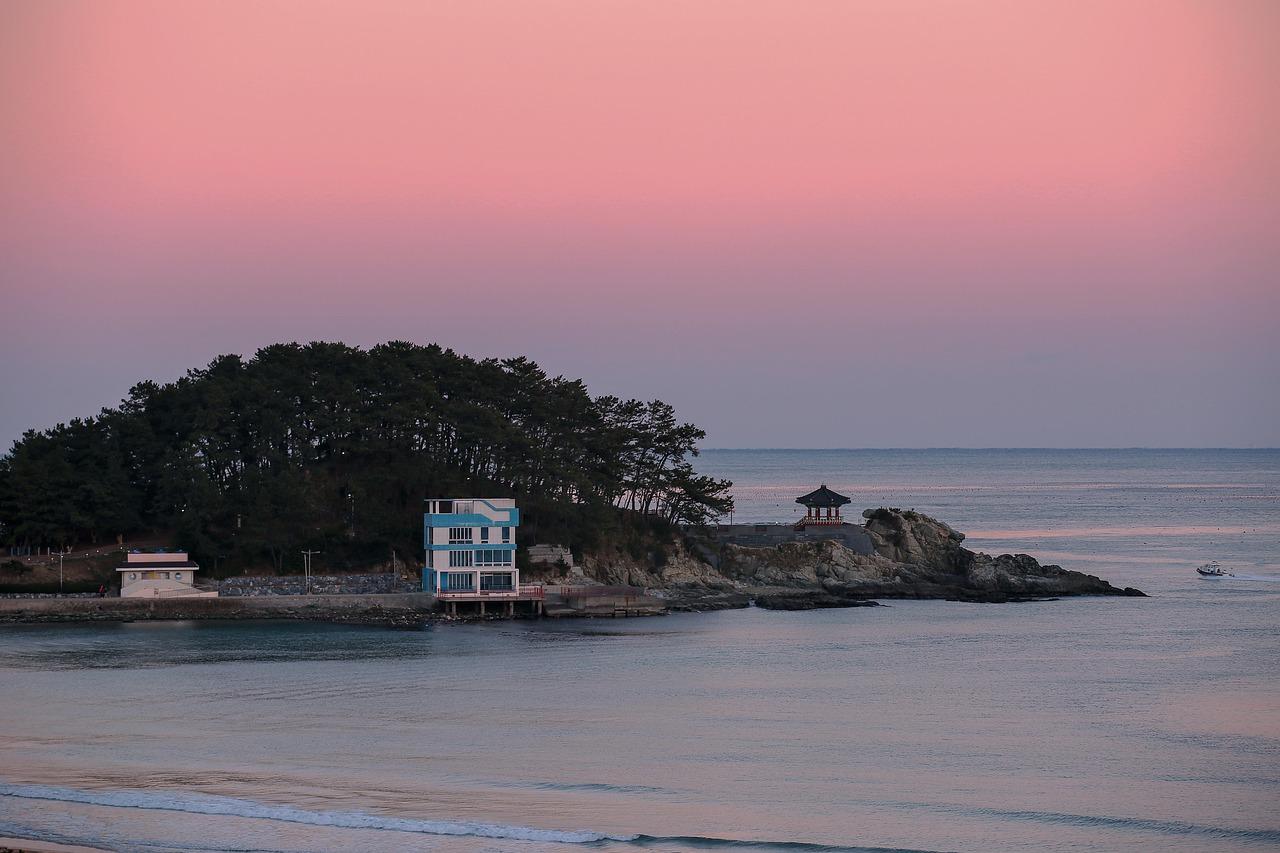
Songjeong Beach Busan South Korea sunset — YHBae
3) Songjeong Beach (송정)
Location: Haeundae-gu, Busan, about 10 km east of Haeundae Beach. Songjeong's gentle waves and local surf culture offer an alternative to Busan's more crowded shores. Here you'll find surf schools, a historic fishing village vibe, and golden sunsets perfect for cycling or quiet walks.
Surf lessons run from ₩50,000–70,000, with all equipment available along Songjeong-ro. For the most peaceful experience, visit in early autumn when the sea is still warm but the beach is blissfully uncrowded—one of the underrated korean beaches for those who prefer tranquility.
Best beaches on Jeju Island for scenery and clear water
Jeju's top spots for photographers and nature lovers, with a focus on authentic experiences.
Jeju Island stands out not just for its soft sand and vibrant blue seas, but for a coastline defined by natural quirks and photo opportunities. Beyond swimming, visitors seek out the dramatic interplay of volcanic rock with the coastline, hidden tidal pools revealed only at low tide, and ever-changing sandbars visible from coastal walks.
Certain spots, such as Hyeopjae at sunset or the shifting sand causeway at Hamdeok during early mornings, are iconic for photography and serenity. Renting a car unveils secluded coves and picturesque spots not served by public buses. Moreover, seek out seasonal phenomena and low tide for unique shots—these little discoveries make the beaches in South Korea on Jeju worth the journey even for those who've seen Korea's mainland coasts.
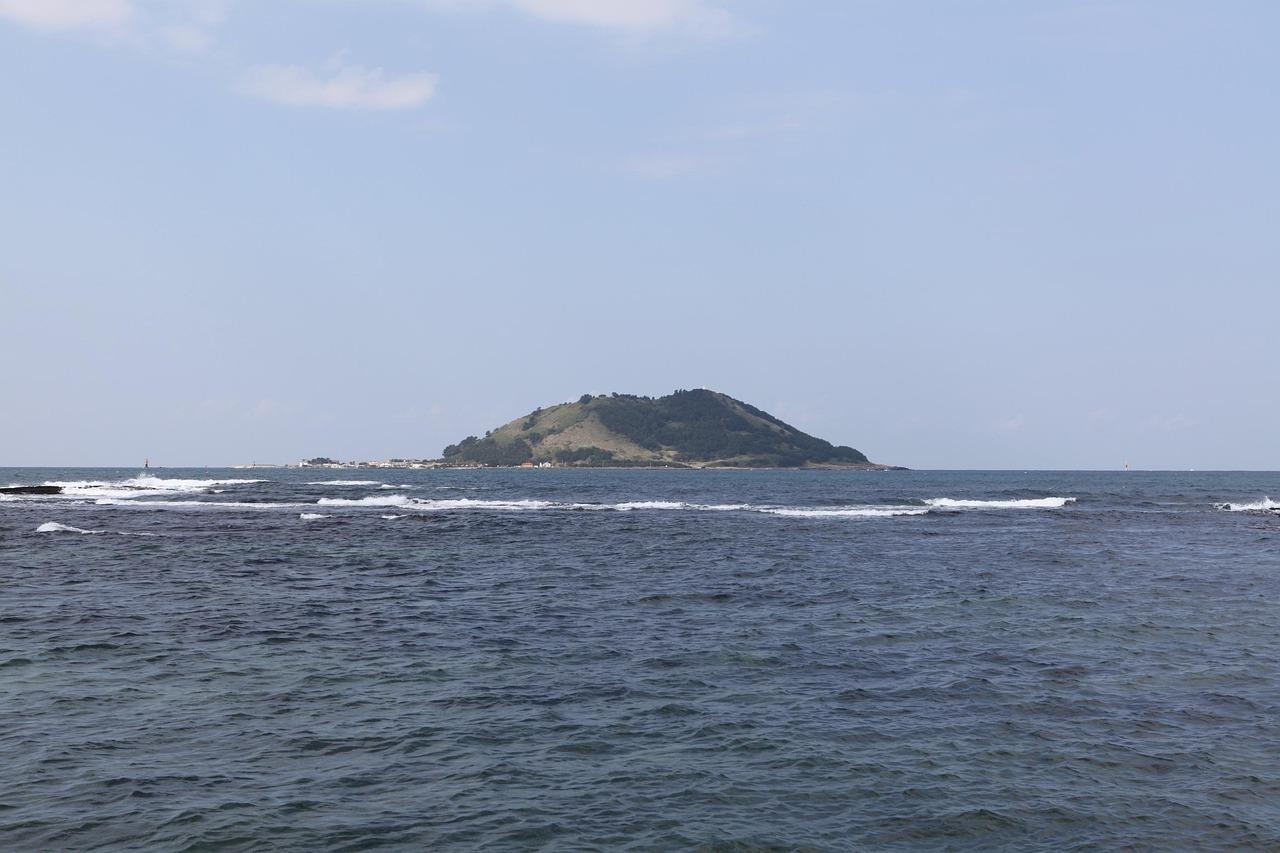
Hyeopjae Beach Jeju South Korea — raon20130
4) Hyeopjae Beach (협재)
Nestled in Hallim-eup on Jeju's northwest coast, Hyeopjae Beach is a favorite for photographers and anyone drawn to luminous turquoise water. The setting features white-shell sand, crystal-clear shallows, and panoramic views toward Biyangdo Island, making every visit incredibly photogenic—especially in the glowing light of late afternoon.
Summer months (July–August) bring excellent swimming in calm waters, while April–June are best for quiet strolls and photography with fewer crowds. Reachable from Jeju International Airport via Bus 202 in about an hour, Hyeopjae is also handy to Hallim Park, Geumneung Beach, and trendy Aewol cafés. Entry is free, with showers available for a small fee.
For an extra treat, check tide charts from the Korea Hydrographic Agency: at low tide, a sandbar appears connecting part of the bay—a unique walking or photo opportunity. If you value postcard scenery and relaxed seaside vibes, Hyeopjae is a top pick among the best beaches in South Korea on Jeju Island.
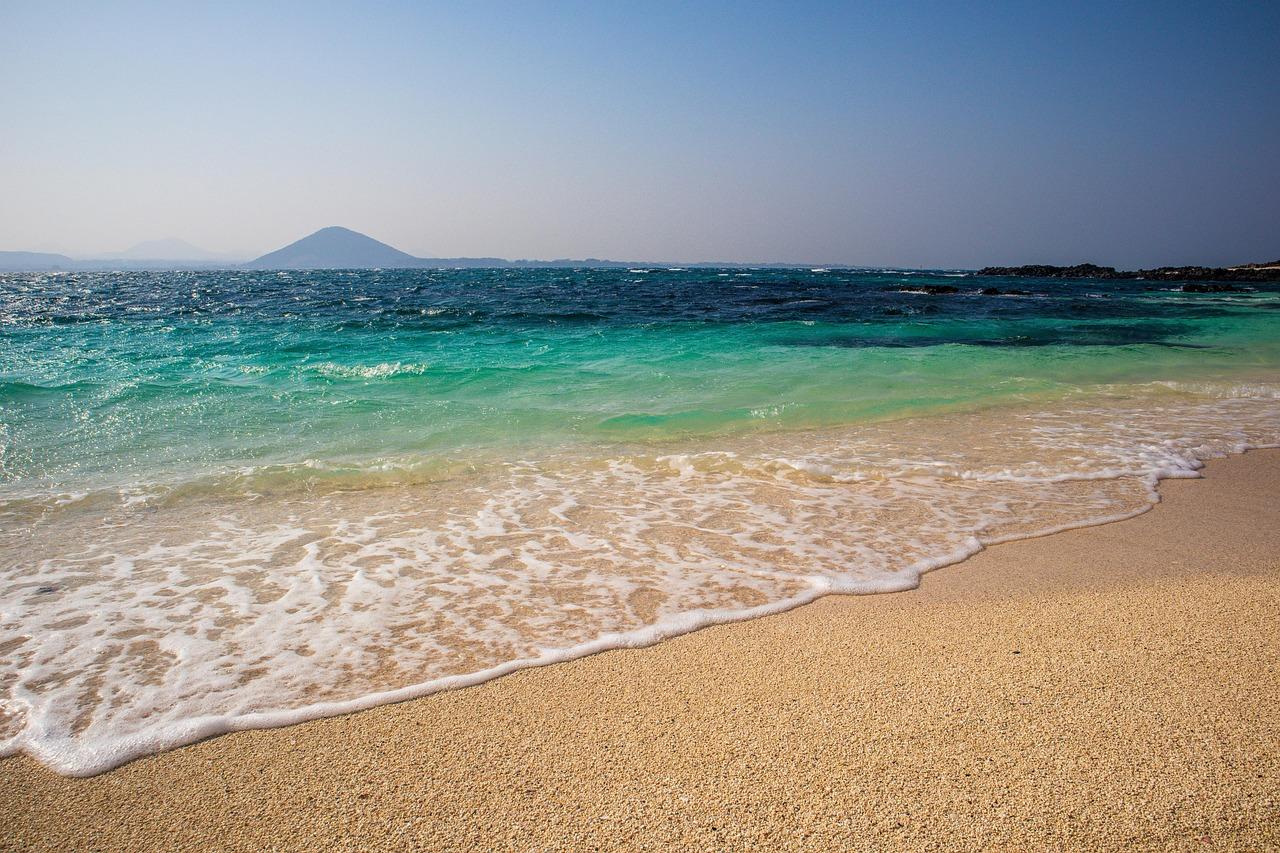
Jeju Island beach South Korea, Linguasia
5) Hamdeok Beach (함덕)
Located in Jocheon-eup on Jeju's northeast coast, Hamdeok Beach is regarded as the most family-friendly of the main Jeju beaches, especially for travelers with young kids. Its broad bay offers gentle, shallow water with soft white sand and a backdrop of grassy oreum (volcanic hills). The eastern cove is particularly calm, making it a smart choice for toddlers and less experienced swimmers.
You'll also find options for kayaking, paddleboarding (SUP rentals average around ₩20,000/hour), and a short scenic hike up Seoubong Peak. Getting there is straightforward from Jeju Airport via Bus 101 (about 40 minutes), with nearby attractions including Manjanggul Lava Tube, Bijarim Forest, and local cafés like Delkkot.
The main swimming season runs July through August, but June is pleasant for warm water with fewer visitors. Entry is free. For families, focus your visit on the eastern end for the most relaxed, safe beach day.
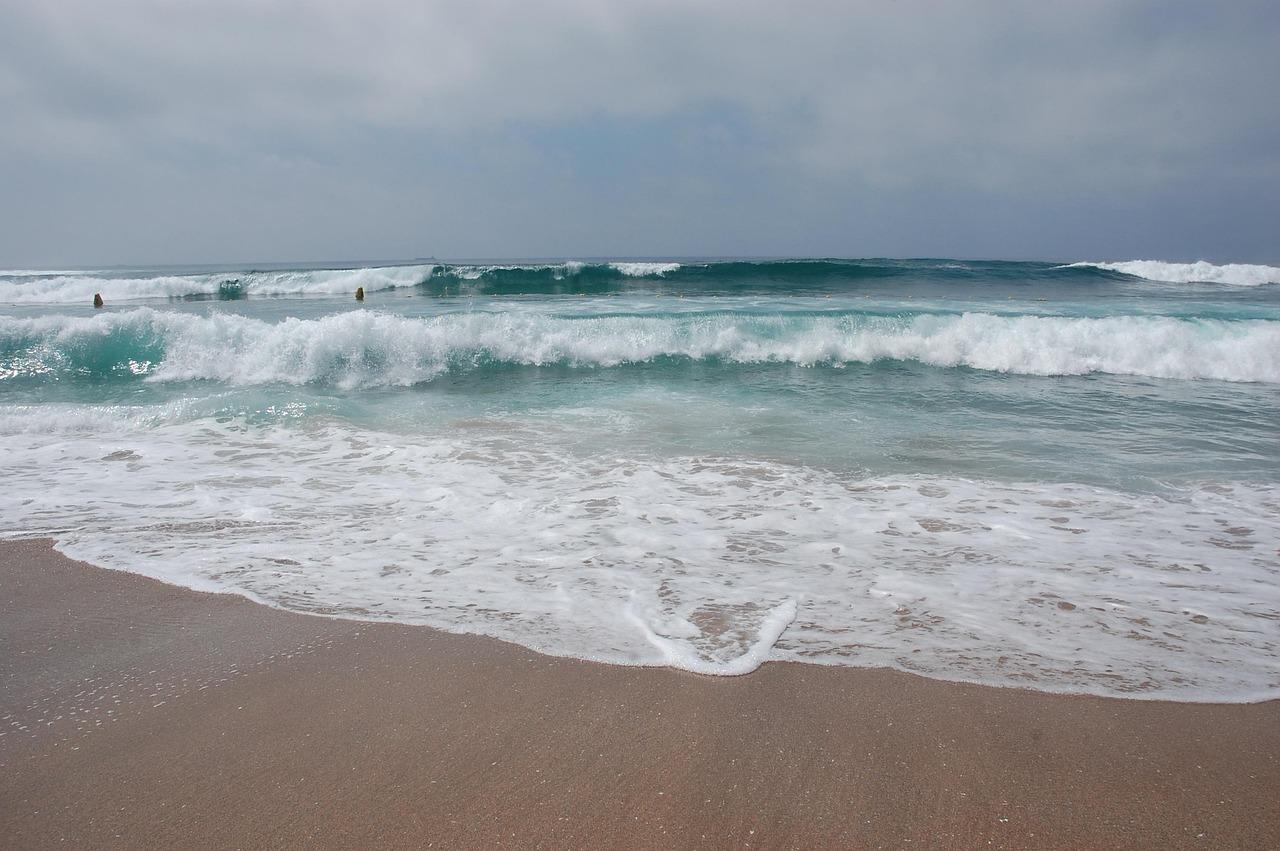
Jungmun beach Jeju South Korea, by tampigns
6) Jungmun Saekdal Beach (중문색달)
Jungmun Saekdal, in Seogwipo on Jeju's south coast, is the go-to jeju beach for surfers and lovers of dramatic coastal scenery. The beach stretches in a wide 560-meter crescent, its multi-colored sand framed by volcanic cliffs and lush pine forest.
Waves here appeal to bodyboarders and surfers (peak surf season is September–October), although swimming is popular in July–August when currents permit—always stay between the lifeguard flags, as rip currents can be strong. Access is straightforward via Airport Limousine Bus 600 directly to the Jungmun Resort area (about an hour from Jeju Airport).
Beyond the sand, explore nearby highlights like Daepo Jusangjeolli volcanic cliffs, Cheonjeyeon Waterfall, the Teddy Bear Museum, and Yakcheonsa Temple. Entry is free, and surfboards can be rented locally for about ₩30,000/day. Always check beach safety signage before entering the water—conditions can change quickly in the surf zone.
Mainland alternatives: east and west coast picks
Smart options for Seoul-based travelers seeking sun and sand.
If you're starting from Seoul, Korea's east and west coasts offer practical alternatives to Busan or Jeju—ideal for quick escapes with smooth transit connections. Gyeongpo Beach (east) is a favorite thanks to direct KTX high-speed trains, making spontaneous sunrise or weekend trips easy. The area around Gyeongpo pairs lakefront leisure (bike rentals, pine walks) with a lively summer town vibe.
On the west, Eurwangni Beach near Incheon Airport is famed for its short travel time—perfect for layovers or last-minute sunset excursions. These mainland picks stand out for reliable local bus routes, clear signposting for visitors, and affordability. Entry is free, with extra amenities like bike hire or seafood markets just steps from the sand.
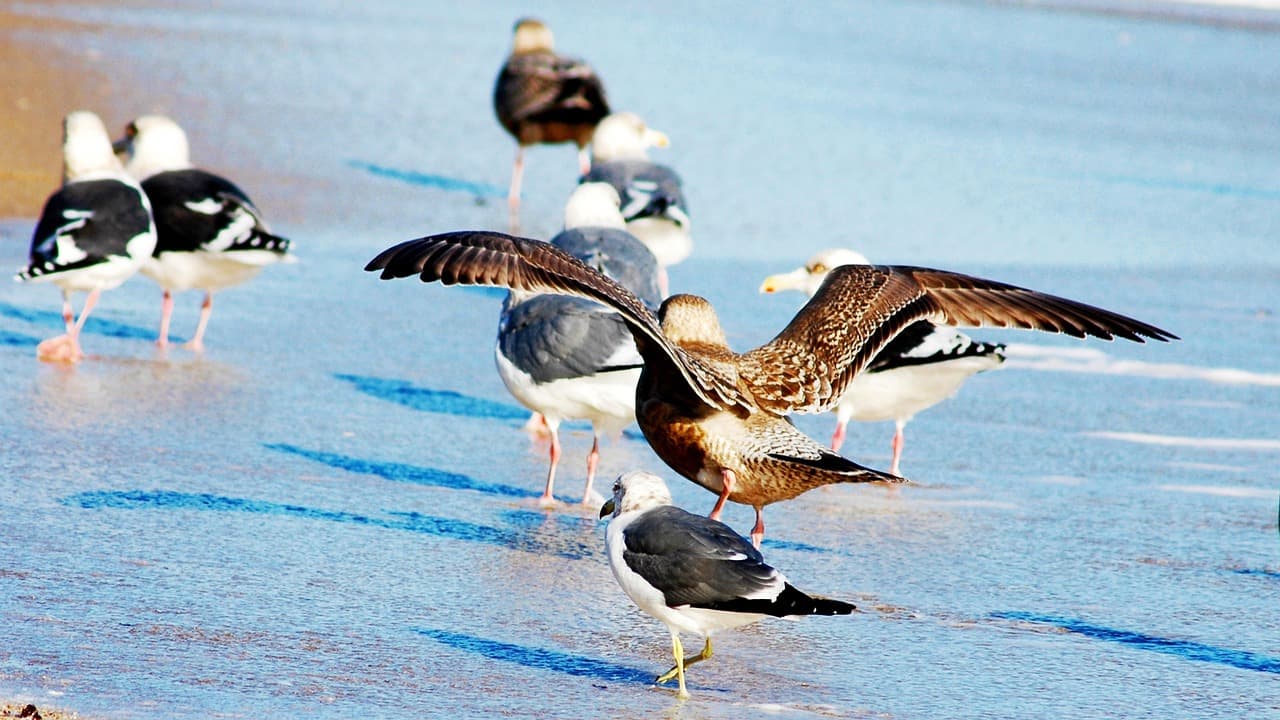
Gyeongpo Beach South Korea seagulls, leegenhyung
7) Gyeongpo Beach, Gangneung (경포)
Located in Gangneung, Gangwon Province, Gyeongpo Beach is one of the most accessible and beloved east-coast beaches for visitors from Seoul. Its 1.8 km shore faces the Sea of Japan and is paired with the serene setting of Gyeongpo Lake and surrounding pine groves—a combination that offers both classic Korean beach scenery and a relaxing, park-like atmosphere.
The area is especially celebrated for sunrise views, drawing crowds every New Year's Day, and hosts a vibrant summer scene with swimming, casual beach cafés, and cycling paths encircling the lake. Anmok Coffee Street, a local favorite, sits nearby with beachfront cafés. Visitors can reach Gyeongpo by KTX from Seoul's Cheongnyangni Station to Gangneung (about 1 hour 50 minutes), then transfer to Bus 202 or take a taxi directly to the beach.
Entry is free and bike rentals around the lake are about ₩5,000 per hour. Nearby attractions include Ojukheon House and Jeongdongjin Beach. For the best sunrise experience, consider staying overnight—catching dawn at Gyeongpo is a Korean bucket-list moment.
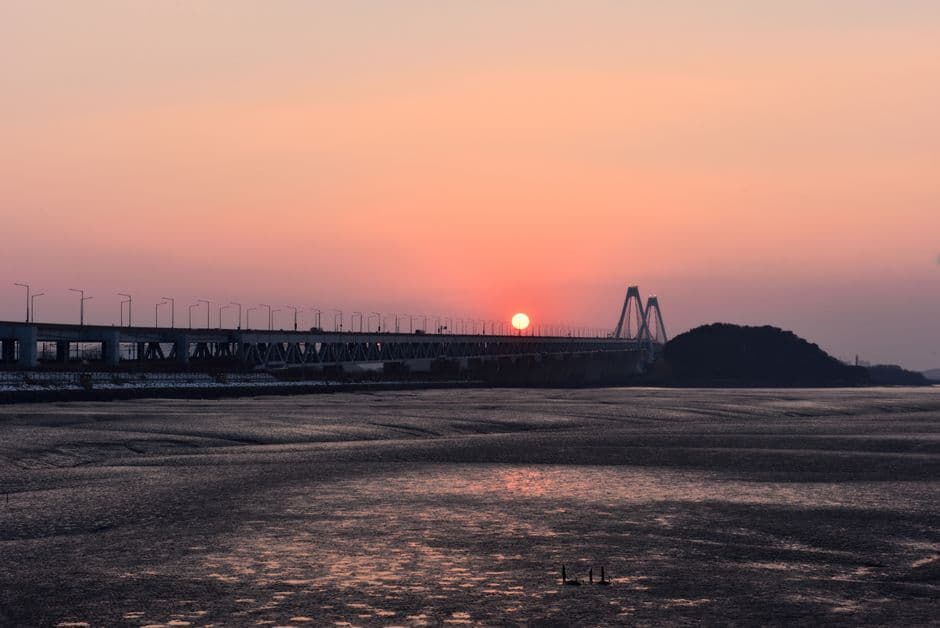
Yeongjong Bridge at sunset in Incheon South Korea, joon young, Park
8) Eurwangni Beach, Incheon (을왕리)
On Yongyu-do Island, just west of Incheon Airport, Eurwangni Beach is the most realistic west-coast option for those based in or transiting through Seoul. Its gentle curve of sand, dramatic tidal flats, and sweeping Yellow Sea sunsets make it a go-to beach for quick escapes, airport layovers, and anyone craving seafront air without a long journey.
Classic activities include clam digging at low tide, fresh seafood meals in beachfront restaurants, and sunset photography. Note that during low tide, much of the sandy area turns to mudflat, so timing your visit with the tide is key. Access is easy via Incheon Airport Maglev plus a short bus ride (Bus 302) from Terminal 1, or a 24-minute taxi (around ₩15,000).
Parking costs about ₩5,000. Eurwangni is best from May to September but offers memorable sunsets year-round. For those with extra time, nearby Wangsan Beach and Muuido Island (reached by ferry) add to the local coastal mix. Altogether, if you're in Seoul or have a long airport layover, Eurwangni is an unbeatable korea beach experience just outside the city.
Planning your Korean beach trip: season, transport, and costs
Actionable tips and personal insights to make your coastal adventure seamless.
South Korea's beach season runs July through August at the most popular city and resort beaches, but those in the know often opt for May, June, or September for gentler crowds and equally pleasant weather. Early July can bring monsoon rains, while late summer may see storms, so flexibility is key. On the sand, expect lifeguards on duty from 09:00 to 18:00—worth remembering if you're planning sunrise or sunset swims.
Travelers coming from major cities are spoiled for choice: Busan's beaches are all subway- or bus-accessible; Gangneung's coast is a straightforward KTX trip and a quick taxi, while Jeju's best shores link easily by bus or rental car. However, don't underestimate the freedom a rental vehicle brings for uncovering hidden gems among the best beaches in South Korea.
Most beaches remain free to access, but pack extra for shaded seating (₩20,000+), surf or SUP hire (₩30,000–70,000), and local snacks. For first-timers, arriving early (before 10 a.m.) is an insider tip in high season. Watch out for facility fees such as showers and changing rooms, especially on busy city beaches. Signs are available in English at major beaches, but a translation app can help when exploring off the beaten track.
Why not turn your beach trip into a longer South Korea getaway? Start with a relaxing Seoul weekend getaway, exploring the city's neighbourhoods, cafés, shopping and cultural attractions before heading to the coast for sun, sea and scenic views. Whether you're planning a short city break or a longer beach holiday, booking your flight to Korea in advance can make it easier to build an itinerary that combines Seoul with Busan, Gangneung or Jeju.
Ultimately, planning ahead—while leaving room for oceanfront spontaneity—will make your South Korea beach escape truly memorable. Ready to explore Korea? Book your flight to Korea and start planning your Seoul weekend getaway before heading to the beach.
Frequently asked questions about South Korea's beaches
Quick answers to the most common traveler questions about Korean beaches.
Which South Korea beach should you pick?
Tailor your trip by matching regional flavor to your travel personality.
Choosing the right Korean beach comes down to your own style and priorities. City lovers and first-timers gravitate to Busan for its unbeatable convenience: ride the subway straight to Haeundae's bustle, chase nightlife at Gwangalli, or hit surf school at Songjeong. For those seeking escape, Jeju's volcanic coastlines offer photogenic moments and a slower, more natural pace—ideal for couples, solo travelers with a camera, or families wanting safe shallows.
If you're limited by time, Eurwangni's proximity to Seoul and the airport makes it tops for spontaneous escapes, while east-coast Gyeongpo rewards early risers keen on sunrise rituals. Travelers rave about catching first light on Gyeongpo's sand, while city regulars return annually to Haeundae's July festivals. Ultimately, let your itinerary, season, and preferred activities guide your choice—and don't hesitate to blend regions for the best all-around experience of South Korea's best beaches this summer.

Chayanit P.
4 Sep 2026