How Much Money to Bring to Chiangmai in 2027
Taipei Daily Expenses, Travel Costs, and Payment Options.
Imagine arriving in Chiang Mai and stepping into a city where the aroma of sizzling street food fills the night markets, golden temples rise above the old town, and mountain landscapes stretch beyond the city. The real question is: how much money to bring to Chiang Mai per day to enjoy it all without worrying about every meal, café stop or ride? Whether you're a budget-conscious traveller exploring local markets or a comfort-seeking traveller looking for memorable experiences, understanding your Chiang Mai daily budget can turn your trip from a budgeting gamble into a relaxed cultural adventure. Let's start by looking at what shapes daily spending in Chiang Mai and why your travel style matters.
Why Traveling to Chiang Mai Doesn’t Have to Be Expensive
Knowing how much money to bring to Chiang Mai per day is the first step toward a stress-free trip, as your Chiang Mai daily budget can vary depending on your travel style—from affordable street-food adventures to comfortable stays and curated experiences. In 2027, daily costs can differ based on your choice of accommodation, meals, transportation and activities.
Some travellers can explore Chiang Mai comfortably on a backpacker-style budget, while others may prefer boutique hotels, cafés, private transport and more immersive experiences. Rather than focusing only on the numbers, think about where you want to spend your money—whether that's trying northern Thai cuisine, visiting temples, exploring night markets, taking a mountain trip or enjoying a relaxing café afternoon.
For a clearer breakdown, refer to the table below, which compares typical daily expenses by travel style. This will help you estimate how much to budget for your own Chiang Mai trip and plan your spending with greater confidence.
How Much to Bring to Chiang Mai – Budget Guidelines
Cost for Chiang Mai, expect to spend 1,500–2,200 THB daily for a balanced experience—with more reserved for shopping sprees or gourmet dining. Chiang Mai welcomes you to a world of bustling markets and ancient temples.
Everyday adventures like sampling street food, paying for shared songthaews, or offering temple donations require cash. ATMs from Bangkok Bank or Krungsri are your best bet for reasonable withdrawal fees (about 220 THB per foreign card). Cards—usually Visa and Mastercard—work at hotels, big malls, and upscale restaurants, but small vendors primarily accept cash.
Flights: Getting to Chiang Mai on a Budget
Flights are often one of the largest expenses when planning your trip. Round-trip flights from Malaysia to Chiang Mai typically range from RM500–RM1,500, depending on the airline, booking timing, and season.
Travellers typically arrive at Chiang Mai International Airport (CNX), the main gateway to northern Thailand, with direct flights available from Kuala Lumpur and other regional hubs. Flight prices vary depending on the season, airline, and booking time, but planning ahead and flying midweek can often help you find cheaper fares.
Tips to save:
- Book 1–2 months in advance
- Be flexible with your travel dates; midweek flights are often cheaper
- Compare different flight times and baggage options before booking
- Look for flight + hotel bundles via AirAsia MOVE for extra savings
Even on a budget, you can fly to Chiang Mai without spending a fortune, leaving more money for temples, night markets, local food and mountain adventures.
Accommodation: Where to Stay in Chiang Mai
Chiang Mai's accommodation scene ranges from affordable guesthouses in the Old City to stylish boutique hotels and luxury resorts, with rates varying depending on location, season and how far in advance you book.
Key Chiang Mai hotel price tiers:
- Budget: Hostels and guesthouses from THB 300–800 per night; simple private rooms from around THB 800–1,200
- Mid-range: Comfortable hotels and boutique stays from around THB 1,500–3,000 per night, with better deals often available during quieter periods
- Luxury: Five-star hotels, boutique resorts and upscale stays from around THB 4,000–8,000+ per night
- Prices can rise during Loy Krathong, Songkran, New Year and other peak periods, so booking early is recommended. The Old City is ideal for temples and walkable sightseeing, Nimman is popular for cafés, restaurants and nightlife, while the Riverside offers a more relaxed atmosphere.
For the best value, compare different areas and accommodation types before booking. Consider whether you want to stay close to temples and markets, cafés and nightlife, or somewhere quieter outside the city centre. Choosing the right neighbourhood can make your Chiang Mai trip more convenient while helping you manage your overall budget.
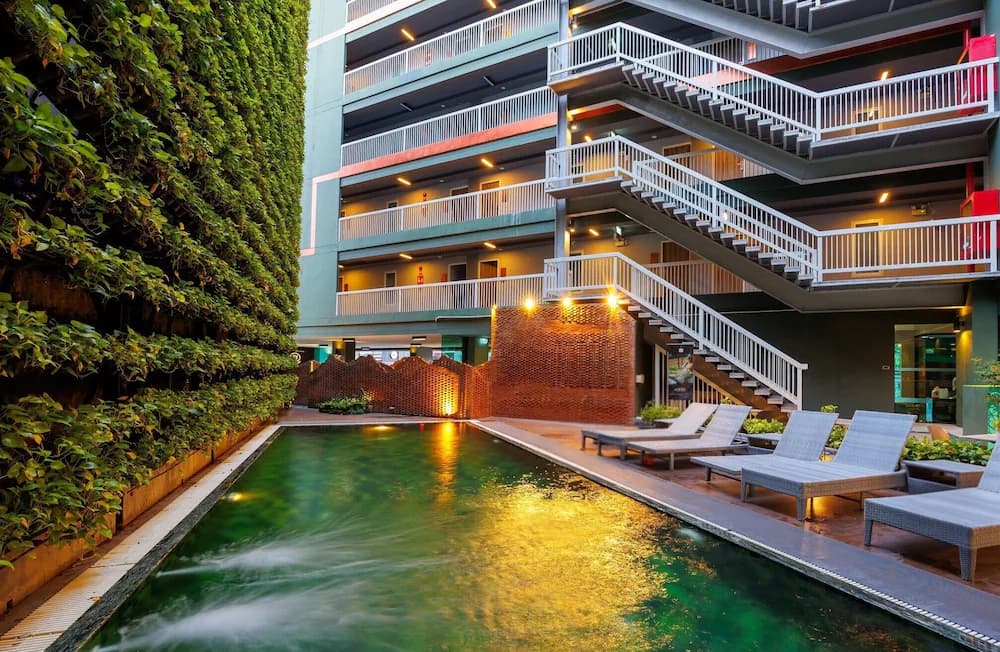
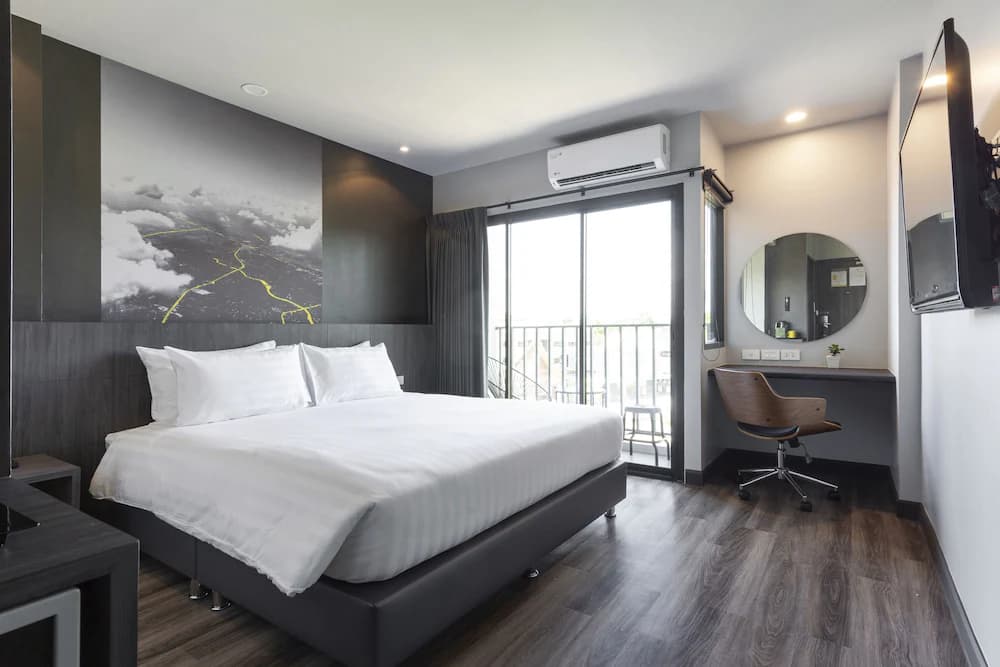
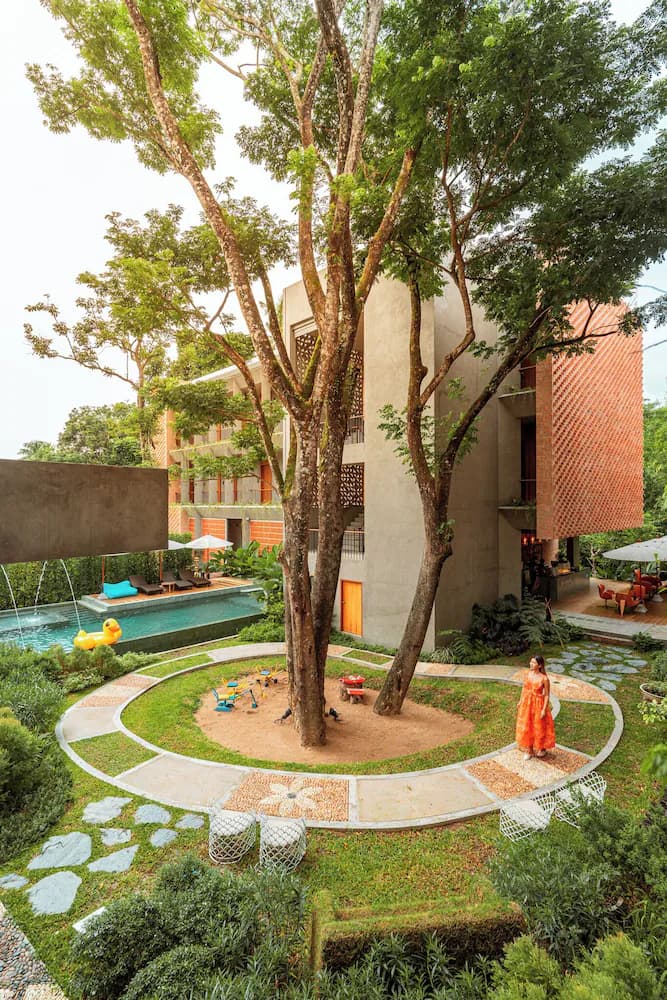

Chiang Mai's accommodation scene ranges from affordable guesthouses in the Old City to stylish boutique hotels and luxury resorts, with rates varying depending on location, season and how far in advance you book.
Key Chiang Mai hotel price tiers:
- Budget: Hostels and guesthouses from THB 300–800 per night; simple private rooms from around THB 800–1,200
- Mid-range: Comfortable hotels and boutique stays from around THB 1,500–3,000 per night, with better deals often available during quieter periods
- Luxury: Five-star hotels, boutique resorts and upscale stays from around THB 4,000–8,000+ per night
- Prices can rise during Loy Krathong, Songkran, New Year and other peak periods, so booking early is recommended. The Old City is ideal for temples and walkable sightseeing, Nimman is popular for cafés, restaurants and nightlife, while the Riverside offers a more relaxed atmosphere.
For the best value, compare different areas and accommodation types before booking. Consider whether you want to stay close to temples and markets, cafés and nightlife, or somewhere quieter outside the city centre. Choosing the right neighbourhood can make your Chiang Mai trip more convenient while helping you manage your overall budget.
Transportation: Plan Your Route and Save
Getting around Chiang Mai is relatively easy if you match your transport choices to your travel style. Here's a quick breakdown of typical transport costs:
Transport cost guide:
- Airport taxi: Around THB 150–300 from Chiang Mai International Airport to central Chiang Mai
- Songthaew: Around THB 30–100 per trip, depending on the route and whether you share the ride
- Grab: Prices vary by distance, time and demand, but it is a convenient option for getting around the city
- Tuk-tuk: Around THB 100–300 for shorter trips, depending on distance and negotiation
- Local buses: Around THB 20–50 per trip on available routes
- Motorbike rental: Around THB 150–300 per day, excluding fuel and insurance
If you're travelling with family, carrying heavy luggage or visiting attractions outside the city, taxis, ride-hailing apps or car rental in Chiang Mai can offer greater convenience, although frequent private transport can increase your daily Chiang Mai budget. For shorter trips around the Old City and nearby areas, songthaews and walking can help keep costs low.
A flexible approach works best: use affordable local transport for everyday sightseeing, then add Grab, taxis or a rental car when travelling further afield or when convenience matters more.
Attractions: Must-See Chiang Mai Sites
Chiang Mai's attractions range from magnificent temples and cultural landmarks to scenic mountain escapes, with many experiences costing little or nothing.
Key attraction costs:
- Wat Phra That Doi Suthep: Free temple entry; donations are appreciated
- Wat Chedi Luang: Around THB 50 for foreign visitors
- Elephant Nature Park: Around THB 2,500–3,500+ depending on the experience
- Doi Inthanon National Park: Around THB 300 for foreign adults, excluding transport and other fees
- Local SIM or eSIM card (5–7 days): Around THB 200–500
Savvy travellers should always build in a cushion when deciding how much money to bring to Chiang Mai per day. Earmark an extra 10–15% of your daily budget for small surprises, local snacks, last-minute souvenirs or spontaneous activities. This flexible buffer gives you room to enjoy an unexpected mountain adventure or café stop without putting your travel budget off track.
Food: Eat Well Without Overspending
Chiang Mai is a food lover’s paradise where travellers can enjoy delicious northern Thai cuisine without overspending, making it easy to manage your Chiang Mai trip cost. Street food and local favourites like khao soi, sai ua and mango sticky rice can cost around THB 40–100 (~RM5–RM13), while casual restaurants typically charge THB 100–300 (~RM13–RM40) per meal. For a more luxurious dining experience, upscale restaurants can cost THB 500+ (~RM65+). By focusing on local markets, street food stalls and casual eateries, you can enjoy Chiang Mai’s culinary highlights while keeping your trip cost affordable.
Typical daily food costs:
- Breakfast: Thai rice porridge, grilled pork with sticky rice or coffee — THB 40–80
- Lunch: Khao soi, noodle dishes or rice with curry — THB 60–150
- Night market spread: Grilled skewers, sai ua, fried snacks and mango sticky rice — THB 150–300
- Drinks and dessert: Thai iced tea, coffee or local desserts — THB 60–150 extra
- Sit-down dinner: Northern Thai set meals from THB 300–600; upscale restaurants can cost THB 800+
Must-Try Food in Chiang Mai
- Khao Soi – Creamy northern Thai curry noodles topped with crispy noodles
- Sai Ua – Northern Thai herb and spice sausage
- Nam Prik Ong – Tomato and minced pork chilli dip served with vegetables
- Mango Sticky Rice – Sweet sticky rice served with fresh mango and coconut milk
Popular Food Spots Include:
- Warorot Market (Kad Luang) – A popular market for local snacks, northern Thai food and fresh produce
- Chiang Mai Gate Market – A lively spot for affordable local street food, especially in the evening
- Sunday Walking Street – A great place to sample northern Thai dishes, snacks and desserts while exploring the Old City
How Much to Bring to Chiang Mai: Budget Guidelines
Here’s a realistic estimate for a 3–5 day trip in Chiang Mai
| Category | Budget (THB) | Mid-range (THB) | Comfortable (THB) |
|---|---|---|---|
| Transportation | THB 100–300 | THB 300–600 | THB 700–1,500 |
| Food & Drinks | THB 200–400 | THB 500–900 | THB 1,200–2,000 |
| Attractions | THB 0–200 | THB 300–700 | THB 800–1,500 |
| Total / Day | THB 300–900 | THB 1,100–2,200 | THB 2,700–5,000+ |
Chiang Mai can be a relatively affordable destination, with daily expenses depending on your travel style. Budget travellers can expect to spend around THB 300–900 per day, while mid-range travellers may spend THB 1,100–2,200. For a more comfortable trip with better dining, private transport and paid experiences, budget around THB 2,700–5,000+ per day. Keeping an extra THB 500–1,000 per day as a buffer can help cover unexpected expenses, snacks and spontaneous activities.
Budget-Friendly 5-Day Chiang Mai Itinerary with Estimated Costs
Day 1: Explore Chiang Mai Old City, visit Wat Chedi Luang and Wat Phra Singh, stroll Tha Phae Gate, and enjoy local night-market food
Estimated Day Cost: ~THB 500–1,000 (~RM65–RM130)
Day 2: Visit Wat Phra That Doi Suthep, explore Nimman Road, enjoy local cafés, and try northern Thai cuisine Estimated Day Cost: ~THB 600–1,300 (~RM80–RM170)
Day 3: Take a day trip to Doi Inthanon National Park, visit waterfalls and mountain viewpoints, and enjoy a local lunch Estimated Day Cost: ~THB 800–1,500 (~RM105–RM195)
Day 4: Explore Warorot Market, visit Chiang Mai Gate Market, shop for local souvenirs, and enjoy a traditional northern Thai dinner Estimated Day Cost: ~THB 500–1,200 (~RM65–RM155)
Day 5: Enjoy a relaxed café morning, explore the Old City temples, visit Sunday Walking Street or a local market, and try Thai desserts Estimated Day Cost: ~THB 500–1,100 (~RM65–RM145)
How to Pay in Chiang Mai
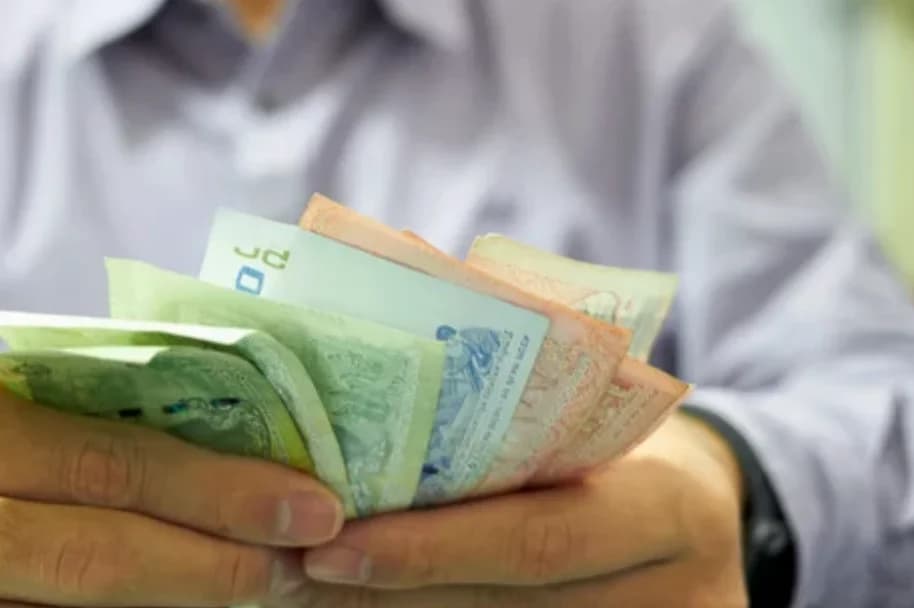
Cash
Cash is still useful for everyday spending, especially at night markets, street-food stalls, local markets, songthaews and smaller businesses. Keep some smaller banknotes and coins available for inexpensive purchases and transport.
Using QR or Mobile Payments
Common in Thailand, particularly at restaurants, cafés and shops. However, whether a foreign traveller can use a particular Thai QR payment system depends on the payment app, bank and setup. Having cash as a backup is recommended.
Credit / Debit Cards
Visa and Mastercard are commonly accepted at hotels, shopping centres, larger restaurants and many cafés. However, smaller businesses may not accept foreign cards, so don't rely on cards alone.
You don't need to carry your entire Chiang Mai travel budget in cash. A practical approach is to carry enough for one day of smaller expenses, then withdraw more from an ATM when needed.
For a typical traveller, keeping around THB 500–1,000 in cash on hand can be a useful starting point, while using a card for larger expenses.
Chiang Mai is a destination where you can enjoy a memorable holiday without spending excessively. From affordable northern Thai cuisine and lively night markets to beautiful temples, convenient local transport and scenic mountain escapes, there are plenty of ways to manage your spending. Whether you're travelling on a budget or prefer a more comfortable experience, planning your daily expenses in advance and keeping some extra cash for unexpected costs can make your Chiang Mai trip in 2027 smoother, more enjoyable and stress-free.
Frequently Asked Questions (FAQ)
For daily expenses excluding flights and accommodation, budget around THB 1,500–4,500 for a budget trip, THB 5,500–11,000 for a mid-range trip, or THB 13,500–25,000+ for a comfortable trip.
Chiang Mai is generally considered an affordable destination, particularly for food, local transportation and attractions. Your total spending depends on your accommodation, dining choices and activities.
A budget traveller can spend around THB 200–400 per day on food, while mid-range travellers may spend THB 500–900. For more comfortable dining, budget around THB 1,200–2,000 per day.
It is best to use a combination of both. Cards are convenient at hotels, shopping centres and larger restaurants, while cash is useful for night markets, street food, local shops and smaller businesses.
AirAsia MOVE offers bundled deals for flights and hotels, often cheaper than booking separately.

Chayanit P.
4 September 2025