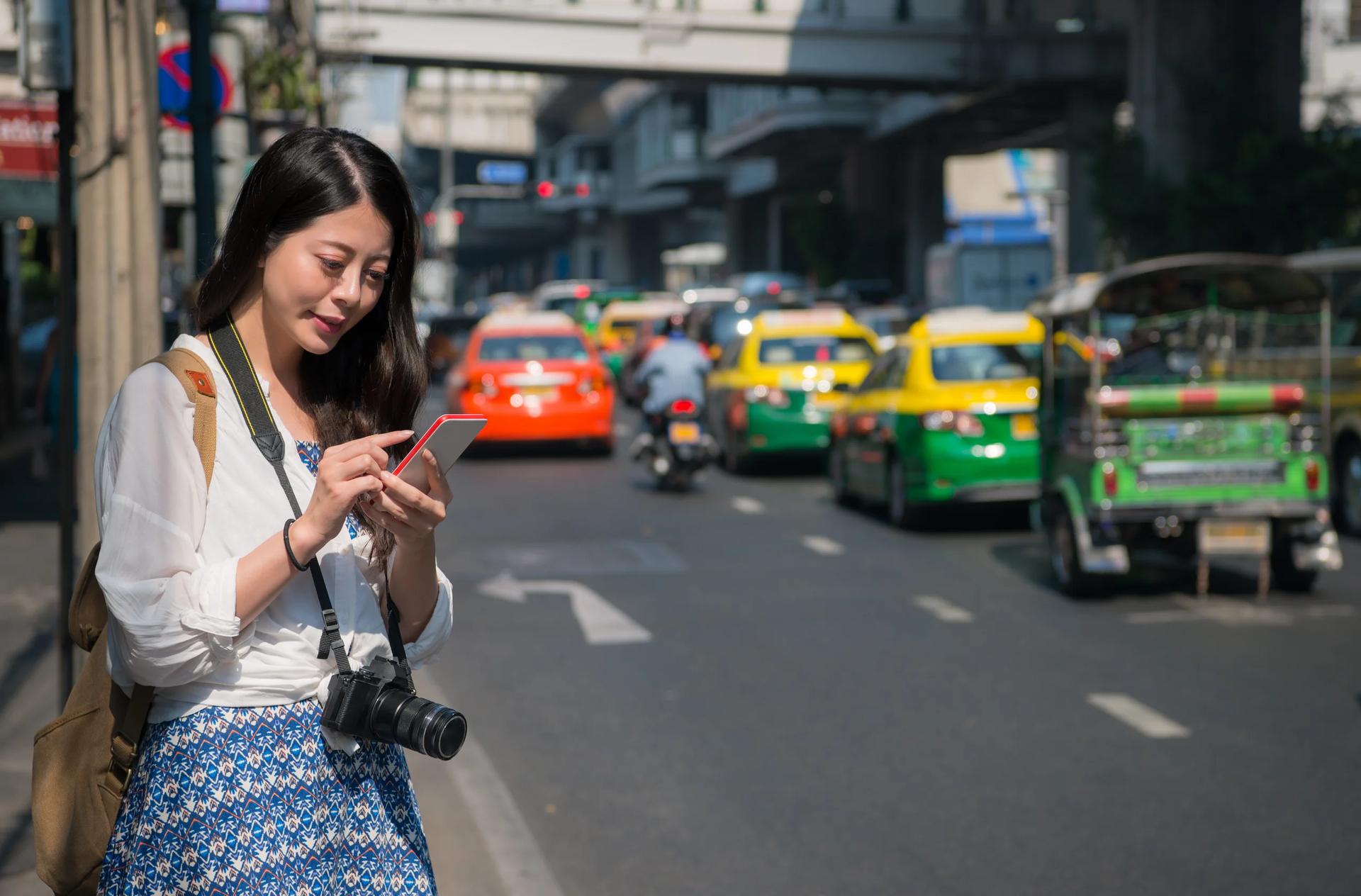
eSIM vs Physical SIM in Thailand: Which One Should You Get?
Planning a trip to Thailand? First of all, great choice. Beaches, street food, massages at prices that make your wallet smile… yes please.
But before you start posting mango sticky rice on Instagram, you need one thing sorted: mobile data.
So here’s the real question: eSIM vs physical SIM in Thailand, which one actually makes sense for you?
I’ve got you. No fluff, no tech jargon overload, just smart advice so you stay connected without getting ripped off.
Why You Need a SIM Card or eSIM in Thailand
Let’s be honest. Travelling without data in 2026 is chaos.
You’ll need internet for:
- Google Maps so you do not accidentally end up 40 minutes away from your hotel
- Grab or Bolt for rides
- Translating menus that look… suspiciously spicy
- Booking last-minute activities
- Posting beach pics because priorities
Free WiFi exists, but it is not reliable. Airports and cafes are fine, but once you’re out exploring, you’ll want your own connection.
What Is a Physical SIM?
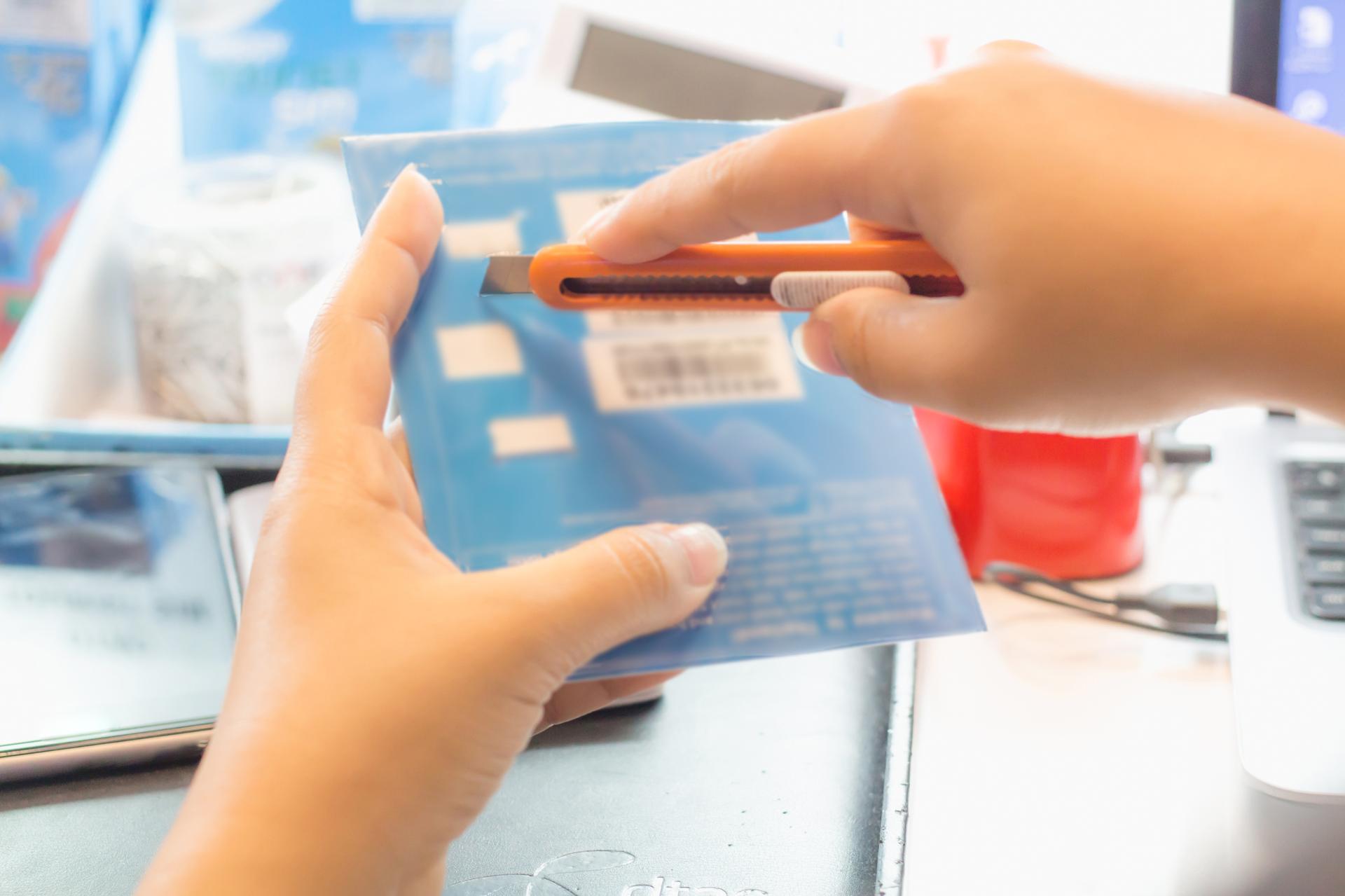
A physical SIM card is the small plastic chip you insert into your phone.
In Thailand, you can easily buy a local sim card at:
- Airports like Bangkok Suvarnabhumi, Don Mueang, Chiang Mai, Phuket etc.
- Convenience stores like 7-Eleven
- Mobile shops in malls
Popular local networks and providers include AIS, DTAC, and TrueMove. Just choose your preferred phone number, present your passport, and you’re good to go.
Pros of Physical SIM Cards
- Widely available
- Easy to top up
- Flexible plans, from 7 days up to 30 days or more
- Works on almost all phones
Cons of Physical SIM Cards
- You need to swap out your current SIM
- Risk of losing your home SIM
- Queues at the airport can be painful
- Setup can take time
What Is an eSIM?
An eSIM is a digital SIM. No physical card. No swapping SIM cards. And this can make your Thailand travel easier. You just:
- Buy it online
- Scan a QR code
- Choose your eSIM option
- Activate it
Done. You are connected before arrive in Thailand.
Pros of eSIM
- Instant activation
- No need to remove your SIM
- Perfect for dual SIM usage
- Can be set up before travel
Cons of eSIM
- Your phone must support eSIM
- Slightly confusing for first-time users
- Not all eSIM plans are equal
eSIM vs Physical SIM in Thailand: The Real Comparison
Let’s break it down properly.
1. Convenience
Winner: eSIM eSIM is basically the VIP lane for your connection in Thailand, especially if you have an eSIM compatible phone. No queues, no fiddling with tiny SIM trays at the airport. Physical SIM? Expect a line of tired travellers doing the same thing.
2. Price
Winner: It depends Physical SIM: Often slightly cheaper if bought locally eSIM: Slightly higher, but you are paying for convenience That said, the price difference is usually small. Think a few pounds, not a deal breaker.
3. Setup Time
Winner: eSIM Physical SIM can take 10 to 20 minutes depending on queues and registration. eSIM takes about 2 minutes if you know what you are doing.
4. Flexibility
Winner: eSIM You can: Keep your home SIM active Use dual SIM for OTPs or banking Switch plans without changing cards
5. Reliability and Speed
Winner: Draw Both eSIM and physical SIM connect to the same Thai networks like AIS or DTAC.
So speeds are generally the following:
- Fast in cities like Bangkok and Phuket
- Good in tourist areas
- Slightly weaker in remote islands
No major difference here.
Best eSIM for Thailand
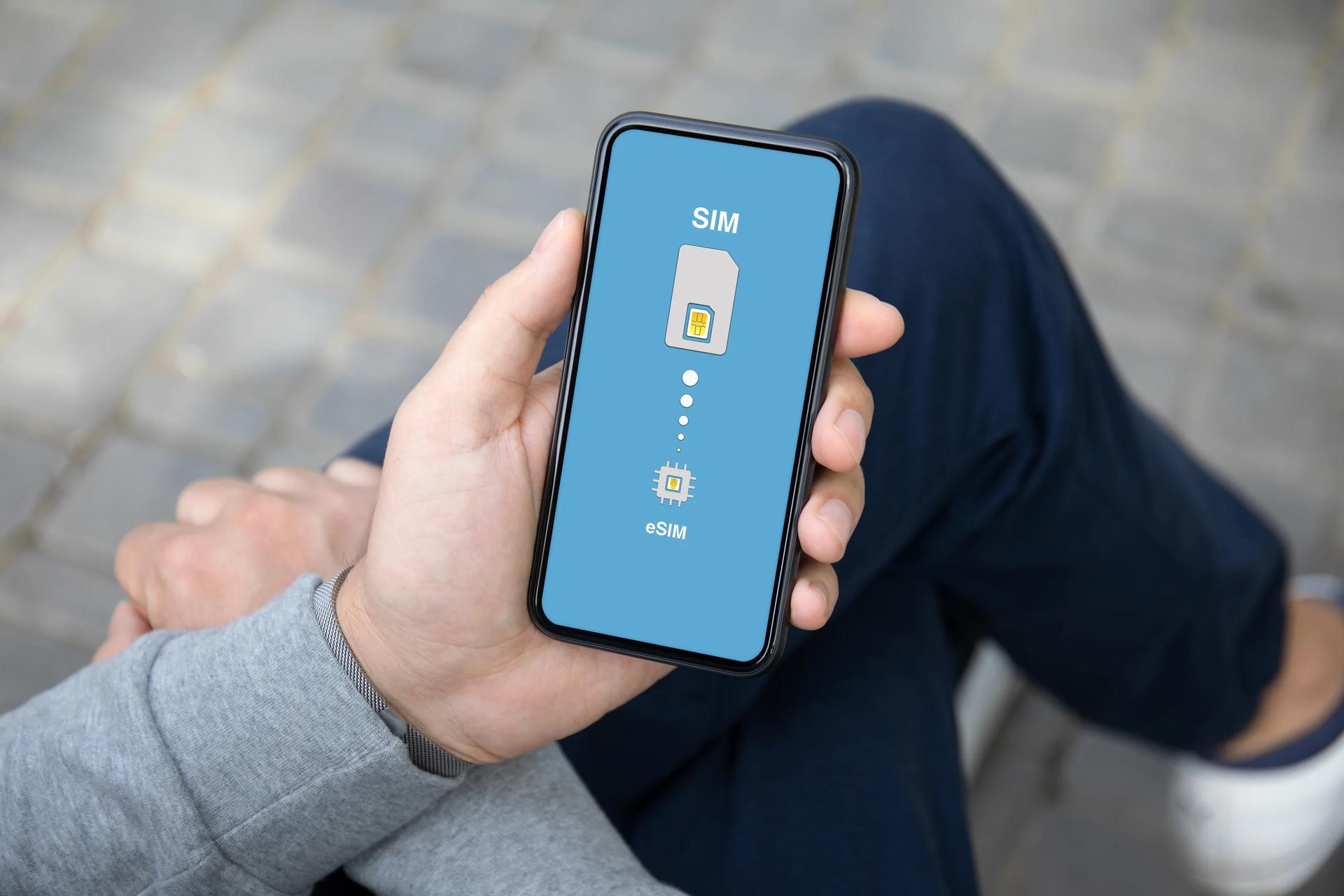
Now the juicy part. There are quite a few options out there, but here is what you should look for:
What Makes a Good eSIM?
- Strong network coverage in Thailand
- Good data speeds
- Clear pricing with no hidden fees
- Easy activation
Popular eSIM Providers for Thailand
- Airalo
- Nomad
- Holafly
Each has different plans, but most offer:
- 5 to 15 days packages
- Unlimited or capped data
- Instant delivery via email
Pro Tip
If you are staying in Thailand for under 10 days, go for a short-term unlimited data eSIM. It removes all stress. Get your eSIM for Thailand now!
When Should You Choose a Physical SIM?
A physical SIM still makes sense if:
- You are travelling for a long time
- You want the absolute cheapest option
- Your phone does not support eSIM
- You prefer in-person setup
If you are backpacking for weeks, local SIM deals can be slightly more cost-effective.
When Should You Choose an eSIM?
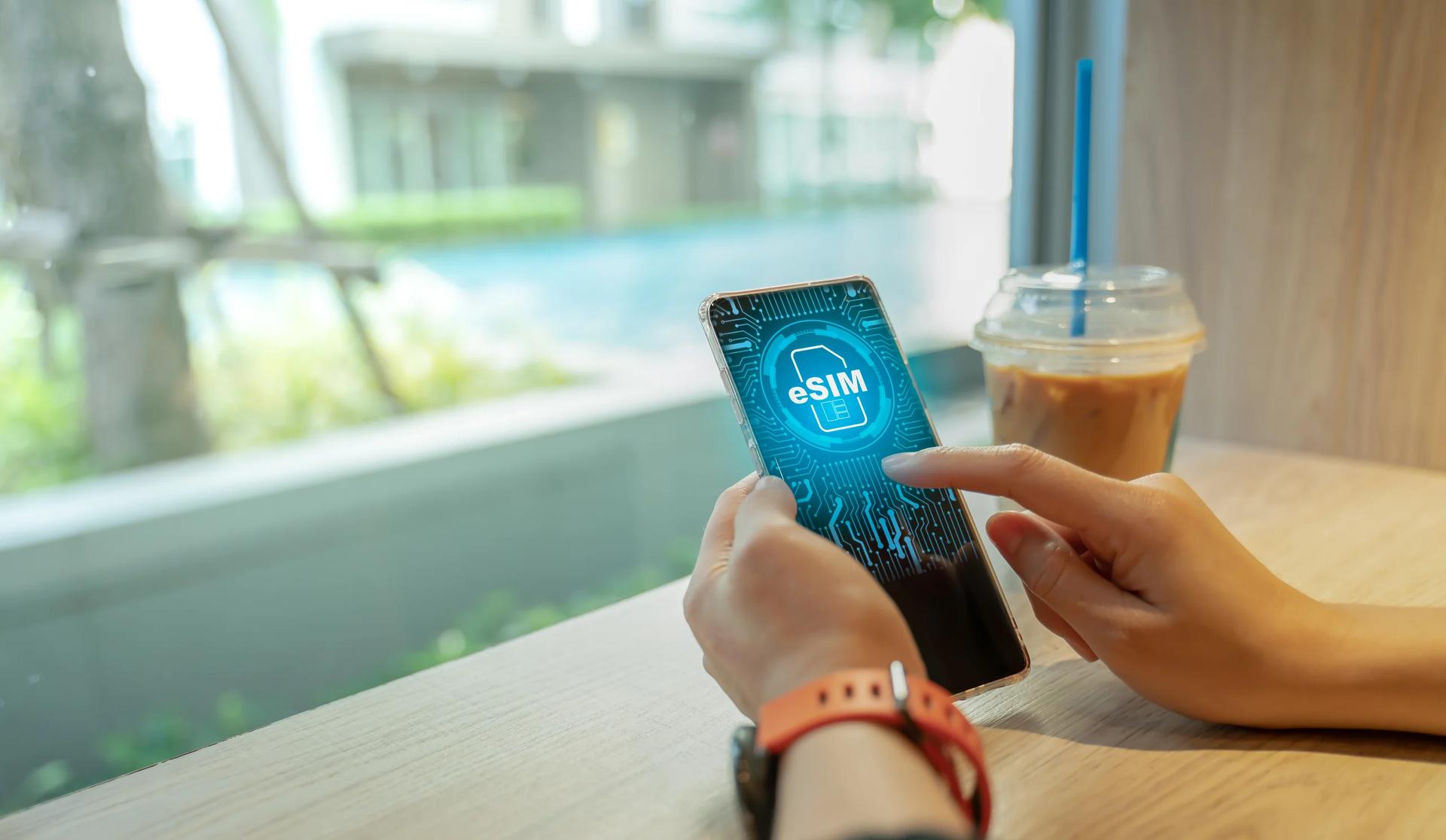
How to Set Up an eSIM for Thailand
It is easier than you think.
Step-by-Step
- Buy your eSIM online
- Check your email for QR code
- Go to your phone settings
- Add eSIM
- Scan the QR code
- Activate it when you arrive
Done. You are now officially travel-savvy.
Go for eSIM if:
- You want zero hassle
- You land late at night
- You hate queues
- You want to stay connected instantly
- You are travelling short-term
Honestly, for most travellers in 2026, eSIM is the smarter choice.
Travel Smart: Bundle Your Flight+Hotel

Now that your data is sorted, let’s talk about saving money where it actually matters.
If you are booking your trip to Thailand, do not book flights and hotels separately like it is 2015. Look for Flight+Hotel bundles.
Why?
- Cheaper than booking separately
- Exclusive discounts
- Less planning stress
If you are heading to Bangkok, Phuket, or Krabi, bundle deals can save you a decent chunk of money. More cash for massages and pad thai. Win.
Quick Verdict: eSIM vs Physical SIM Thailand
If you want the short answer:
- Best overall: eSIM
- Best for budget travellers: Physical SIM
- Best for convenience: eSIM
- Best for long stays: Physical SIM
For most travellers, especially short trips, eSIM wins.
Final Thoughts
Choosing between eSIM vs physical SIM in Thailand is not complicated once you break it down.
If you value:
- Time
- Convenience
- Smooth travel experience
Go eSIM. You may check out your eSIM for Thailand and other countries here.
If you are:
- Travelling long-term
- On a tight budget
- Not in a rush
Physical SIM is still solid.
Either way, do not land in Thailand without data. That is how travel horror stories begin.
Pack Your Bag for Your Thailand Trip Now!
Get everything sorted for your Thailand getaway in one place. Browse our best deals on flights, hotels, and value-packed flight + hotel bundles—perfect for saving more while planning less. Whether you're chasing beaches, food, or city vibes, your trip starts right here.



FAQs: eSIM vs Physical SIM in Thailand

Phaksornkan T.
27 April 2026