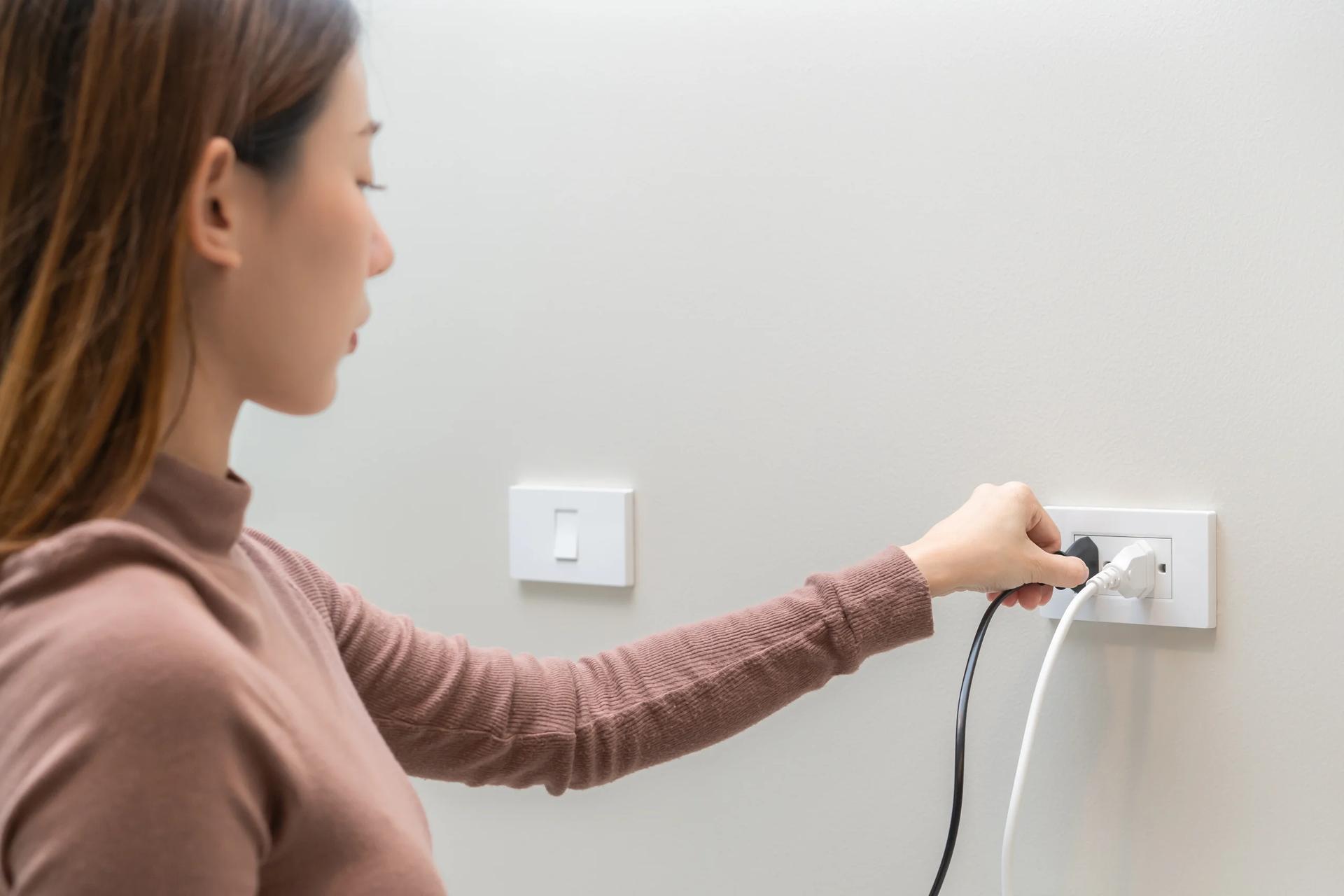
Plug Type and Voltage You Need in Thailand
What Plug Type and Voltage Do You Need?
Do I need a plug adapter in Thailand?
Not always. Many hotels and newer accommodations in Thailand have universal or multi-standard sockets that can accept common plug types. However, bringing a universal travel adapter is recommended, especially if your device uses a plug type that may not fit the available outlet.
Planning a trip to Thailand? Knowing which plug type and voltage Thailand uses can help you avoid problems when charging your phone, camera, laptop, hair dryer, or other electronic devices.
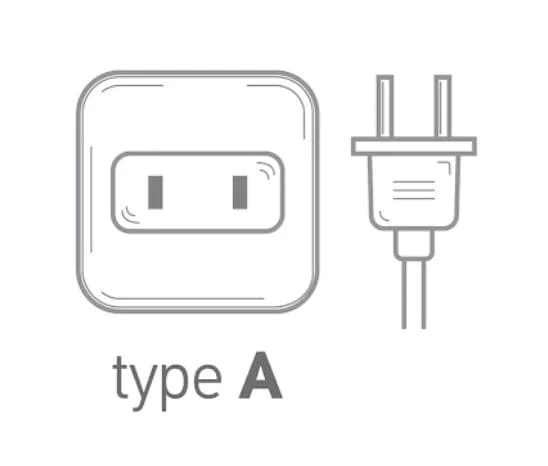
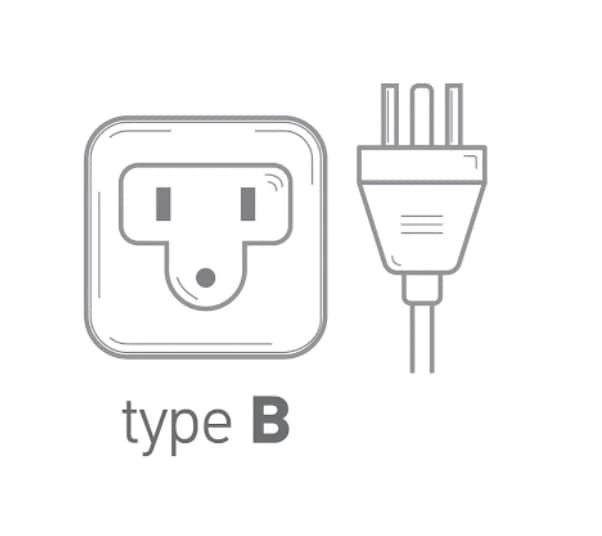
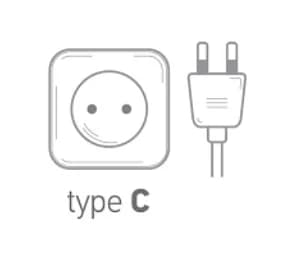
Thailand uses several plug types, including Type A, Type B, Type C and Type O, with Type C and Type O commonly encountered. Thailand's standard voltage is 220–230V, with a frequency of 50Hz. Most travellers will only need a suitable plug adapter, but the type of adapter you need depends on the plug used by your devices.
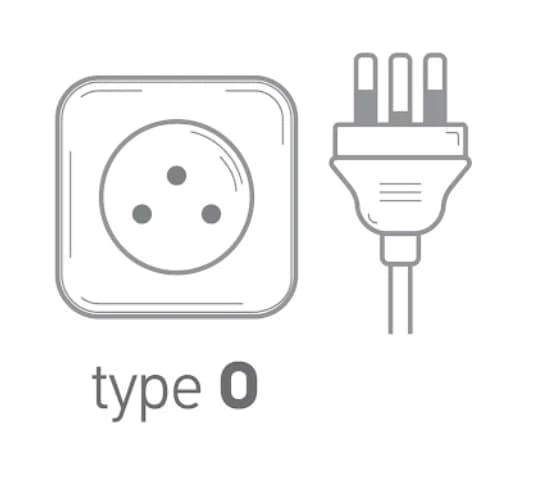
What Plug Type Does Thailand Use?
Thailand uses several types of electrical plugs and sockets. Common types include Type A, Type B, Type C and Type O.
Many hotels and newer buildings have outlets designed to accept multiple plug types, but compatibility can vary. Bringing a travel adapter is still recommended if your device uses a different plug.
Thailand Plug Types at a Glance
| Feature | Thailand |
|---|---|
| Common plug types | Type A, Type B, Type C and Type O |
| Voltage | 220–230V |
| Frequency | 50Hz |
| Standard voltage | 230V |
What Voltage Does Thailand Use?
Thailand's electricity supply is generally 220–230V at 50Hz.
This is important if you are travelling from a country with a different voltage. Using a device outside its supported voltage range can cause it to malfunction or become damaged.
Before connecting your device, check the voltage information printed on the charger or appliance.
Do I need a voltage converter or just a travel plug adapter?
Do I Need a Voltage Converter?
Not necessarily. A travel plug adapter is usually enough if your device is compatible with Thailand's 220–230V electricity supply.
- 100–240V, 50/60Hz devices: You generally only need a plug adapter if your plug does not fit Thailand's available sockets.
- 220–240V devices: These are generally compatible with Thailand's voltage, but check the frequency requirements if applicable.
- 100–120V-only devices: You may need a voltage converter or transformer to use them safely in Thailand.
- Phones, laptops and cameras: Most modern chargers support 100–240V, so a plug adapter is usually sufficient.
- Hair dryers and styling tools: Check carefully, as some are designed for a specific voltage and may require a converter.
Remember: A travel plug adapter changes the plug shape; it does not change the voltage. Always check your device's input rating before use.
Whether you need an adapter depends on the plug used in your home country.
| Country/Region | Common Plug Type | Adapter Needed in Thailand? |
|---|---|---|
| Thailand | Type A / B / C / O | No |
| United States | Type A / B | Usually no |
| Canada | Type A / B | Usually no |
| Taiwan | Type A / B | Usually no |
| United Kingdom | Type G | Yes |
| Malaysia | Type G | Yes |
| Singapore | Type G | Yes |
| Australia | Type I | Yes |
| New Zealand | Type I | Yes |
| China | Type A / I | Depends on your device plug |
| Most of Europe | Type C / E / F | Usually yes |
Adapter vs Voltage Converter
| Device | Purpose |
|---|---|
| Plug adapter | Allows a plug from one country to physically fit another country's socket |
| Voltage converter | Changes the electrical voltage supplied to a device |
| Transformer | Converts voltage and is generally used for higher-power electrical equipment |
Where Can I Charge Devices in Thailand?
You can usually charge your devices at:
- Hotels: Most rooms have standard power outlets, and some provide USB ports.
- Cafés & restaurants: Many have outlets for customers.
- Airports: Major Thai airports offer charging stations.
- Shopping malls: Charging points may be available in seating areas and food courts.
- Public transport: Some trains and newer services may have USB or power outlets.
- Power banks: Useful when travelling or sightseeing away from charging facilities.
Tip: Charge your devices before leaving your accommodation and carry a power bank and travel adapter for convenience.
What Should You Pack for Thailand?
Packing the right charging accessories can make it easier to keep your devices powered while travelling around Thailand. Thailand uses Type A, Type B, Type C and Type O plugs and a 220–230V electrical supply at 50Hz.
Recommended Thailand Charging Essentials
- Travel plug adapter – Bring one if your home-country plug is not compatible with Thailand's available sockets.
- **USB-C charger **– A multi-port USB-C charger can charge your phone, tablet, camera and other devices from one outlet.
- Charging cables – Pack the correct USB-C, Lightning or other cables for your devices.
- Power bank – Useful for long sightseeing days when you may not have access to an outlet.
- Multi-port charger – Helps reduce the number of chargers you need to pack when charging several devices.
- Universal travel adapter – A convenient option if Thailand is part of a multi-country trip.
- Voltage converter – Only bring one if your device is not compatible with Thailand's 220–230V supply.
- Spare charging cable – A useful backup if your main cable is lost or damaged during your trip.
Thailand travel plug FAQ
A power bank is particularly useful when travelling between cities, visiting attractions or using public transportation for extended periods. While you may find charging outlets in some hotels, airports, cafés and transport facilities, availability is not guaranteed.

Chayanit P.
1 Sep 2026