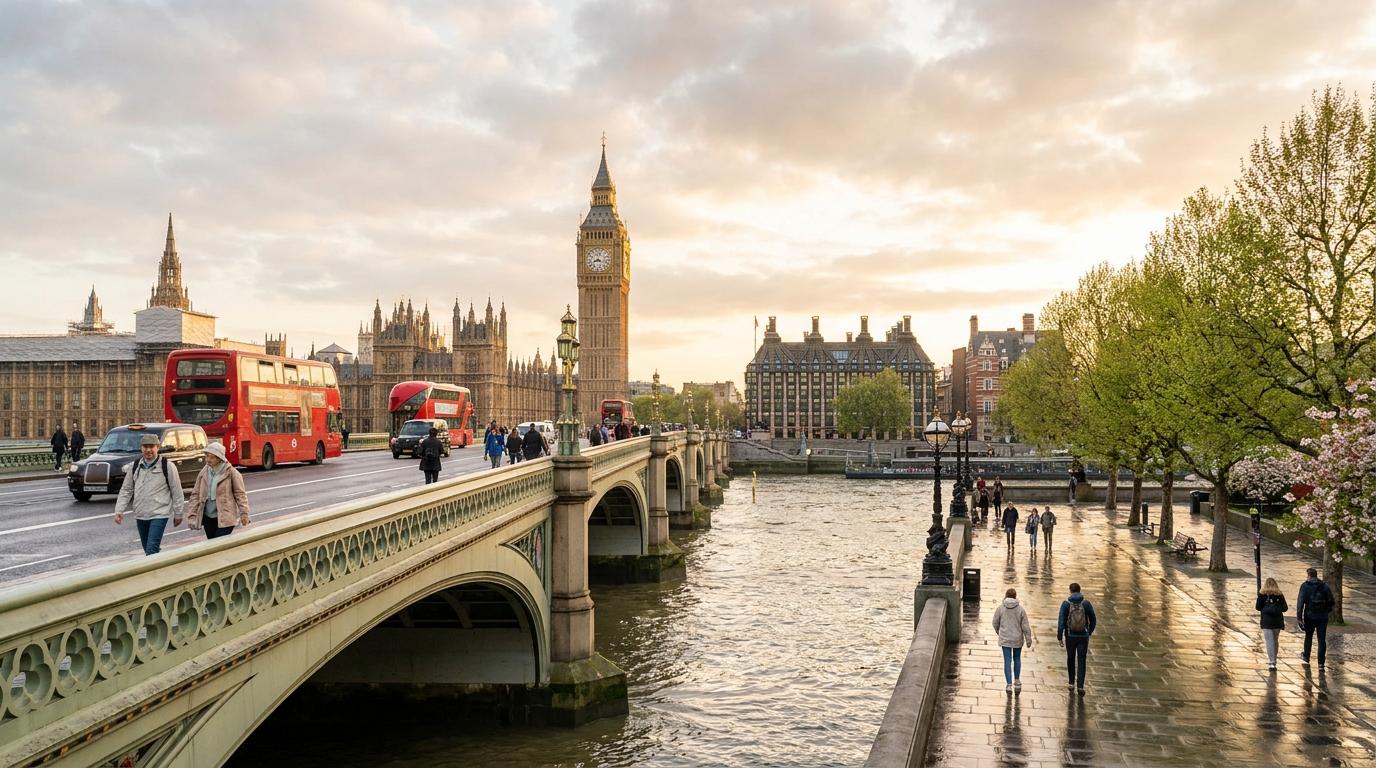
Best Time to Visit London: What to Expect Each Season
London is a city that changes with the seasons. Spring brings longer days and blooming parks, summer fills the city with outdoor events and lively green spaces, autumn brings cooler temperatures and colourful foliage, while winter lights up the streets with Christmas decorations and festive activities.
Because London has a mild climate throughout the year, the best time to visit London depends on what kind of trip you want. May is often a comfortable month for walking and sightseeing, while June to August brings the warmest weather and longest days. September and October offer cooler conditions for exploring, while January to March can be a good period for travelers looking for quieter city breaks and potentially lower prices.
Understanding London's weather and seasonal events can help you choose the right month for your trip.
When Is the Best Time to Visit London?
For comfortable sightseeing, May, September and early October are good months to consider. Spring and early autumn bring mild temperatures that make it easier to explore London on foot, visit parks and spend time outdoors.
If you want the warmest weather and longest daylight hours, visit between June and August. Summer is also when London has many outdoor festivals, sporting events and activities, although it is generally a busier travel period.
For Christmas lights and festive activities, December is the month to choose. If your priority is budget travel, January to March are generally quieter and can offer lower prices than the summer and Christmas periods.
In short:
- May: Mild weather, longer days and comfortable sightseeing
- June–August: Warmest weather, long daylight hours and outdoor events
- September–October: Cooler weather and comfortable city walks
- December: Christmas lights, festive markets and seasonal events
- January–March: Quieter period with potential value for budget travelers
Spring in London: March to May
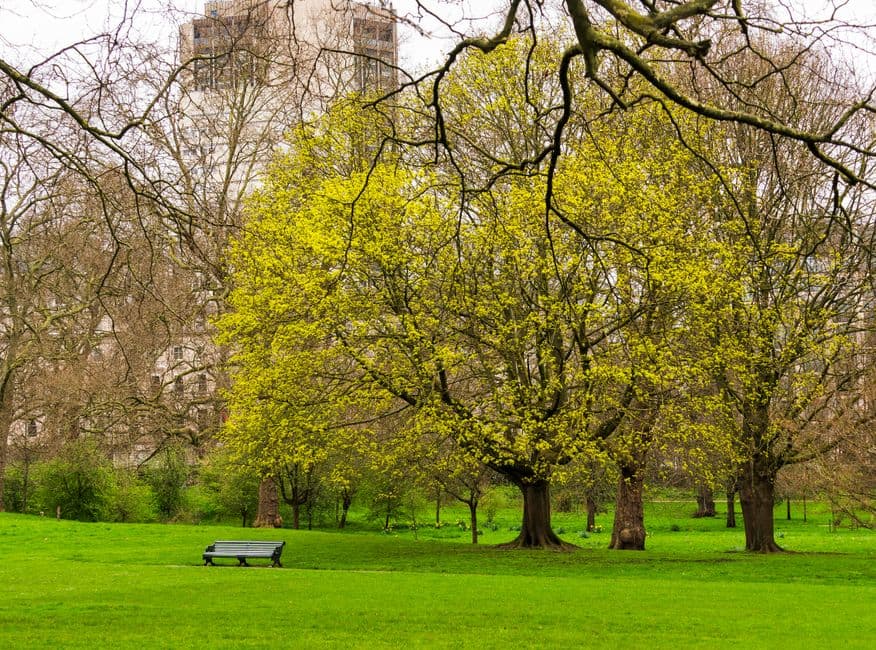
Tranquil London park scene with spring blossoms, best time to visit London England, Bob Jenkin
Spring in London is mild, colourful and increasingly suited to outdoor sightseeing. Average daytime temperatures rise from around 12°C in March to 15°C in April and 19°C in May, while daylight hours become noticeably longer.
March can still feel cool, but the first signs of spring begin to appear across London's parks and gardens. It's a good month for combining outdoor walks with museums, galleries and historic attractions.
April brings milder weather and more spring colour. Explore London's parks and gardens, take a Thames river tour, or plan your visit around spring events. The London Marathon also takes place in April, alongside Easter activities and other outdoor events.
May is particularly comfortable for sightseeing, with warmer days and longer daylight. Spend time in Hyde Park, Kew Gardens or Regent's Park, explore London's neighbourhoods on foot, and enjoy outdoor cafés when the weather allows.
If you're visiting London in spring, recommended seasonal experiences include:
- Kew Gardens – Explore gardens and seasonal flowers as spring gets underway.
- Hyde Park & Kensington Gardens – Enjoy one of London's most central green spaces.
- Regent's Park – Combine a park walk with nearby attractions such as London Zoo.
- Thames River Cruise – See London's major landmarks from the river while making the most of the longer days.
Summer in London: June to August
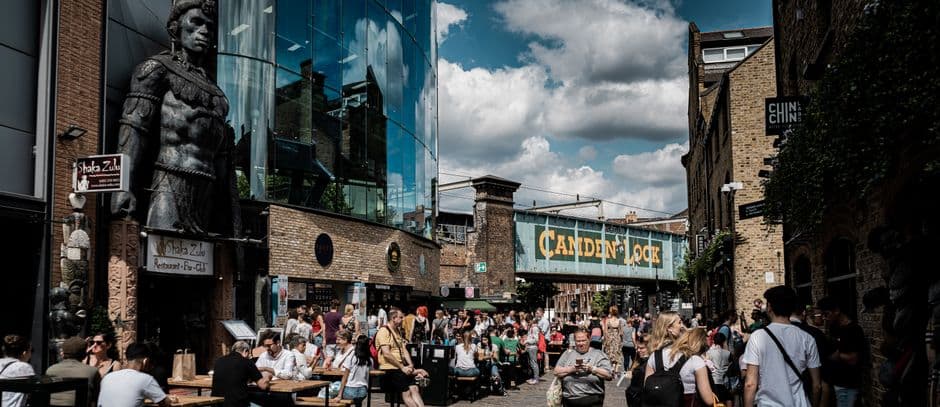
Busy day at Camden Market in London in summer, weather in London in July, Ed Duvico
Summer is London's warmest and busiest season, with average highs around 21°C in June, 24°C in July and 23°C in August. The city also gets some of its longest daylight hours, with June offering up to around 16.5 hours of daylight.
June is a good month for making the most of London's parks, riverside areas and outdoor events. The longer evenings give you more time to combine sightseeing with outdoor dining or a walk along the Thames.
July is typically the warmest month. Wimbledon, Pride in London and major summer music events take place during this period, while London's parks and outdoor attractions are at their busiest.
August remains warm and lively, with summer festivals and family activities continuing throughout the school holidays. The Notting Hill Carnival is one of the city's major August events.
If you're visiting London in summer, recommended seasonal experiences include:
- Hyde Park – Spend a sunny afternoon walking, picnicking or enjoying seasonal events.
- South Bank – Combine riverside walks with restaurants, cultural attractions and views of the Thames.
- Wimbledon – Visit during the championship period for one of London's best-known sporting events.
- Notting Hill – Experience the neighbourhood's annual carnival atmosphere in August.
Summer is also a good time to book popular attractions ahead of time, as June to September is generally London's busier travel period.
Autumn in London: September to November
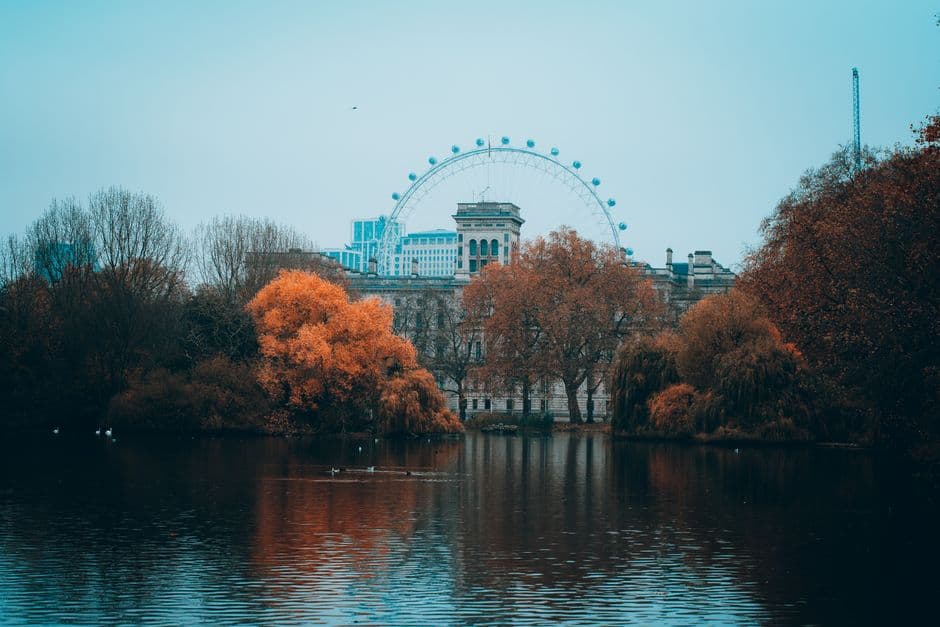
London Eye and autumn trees, London weather October, by Szymon Shields
Autumn starts with relatively warm weather before temperatures gradually fall. Average highs drop from around 20°C in September to 16°C in October and 11°C in November.
September still feels like late summer, making it a comfortable month for walking tours, parks and outdoor sightseeing. The city's summer peak begins to ease, while many festivals and cultural events continue.
October brings cooler weather and a more distinctly autumnal atmosphere. It's a good month for exploring London's parks, visiting galleries and museums, and spending evenings at West End shows or restaurants.
November is colder and wetter, but it also marks the beginning of London's festive season. Christmas lights and decorations start appearing, while Bonfire Night brings fireworks in early November.
If you're visiting London in autumn, recommended seasonal experiences include:
- Richmond Park – See autumn colours while exploring one of London's largest royal parks.
- Hampstead Heath – Enjoy cooler-weather walks with views across the city.
- West End – Combine autumn sightseeing with London's theatre and entertainment scene.
- Covent Garden – Explore shops, restaurants and seasonal decorations as the city moves toward Christmas.
Winter in London: December to February
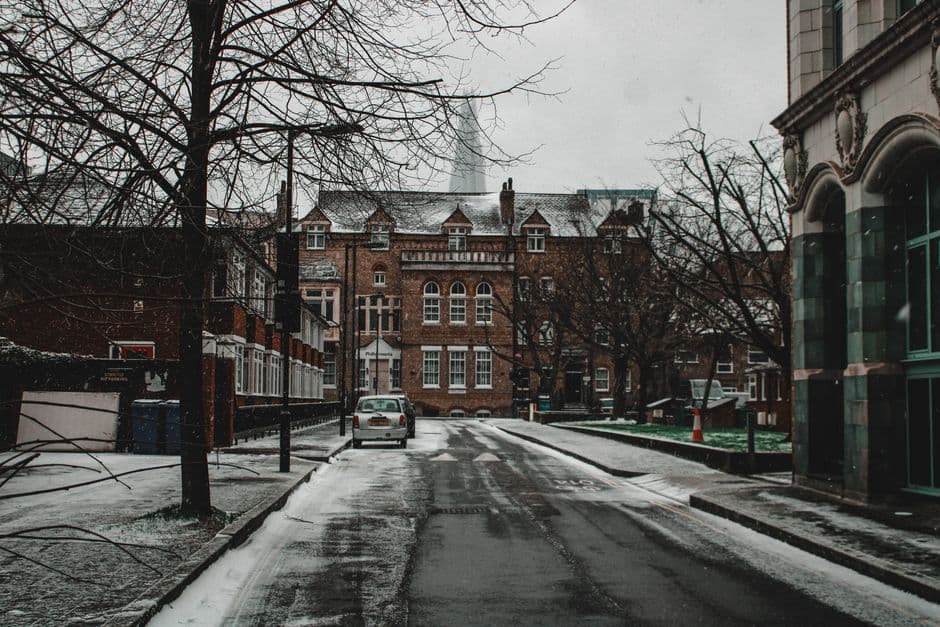
Sarthak Maji, moody winter street scene in Southwark, London UK winter weather in December
Winter brings London's coldest temperatures and shortest days, with average highs of around 9°C in December, 8°C in January and 9°C in February. Rain is possible throughout the season, so a waterproof layer and flexible itinerary are useful.
December is the most festive month, with Christmas lights, decorations, markets and seasonal events across the city. London also hosts New Year's Eve celebrations, including the famous fireworks around the London Eye.
January is colder and generally quieter after the Christmas and New Year period. It's a good time to focus on museums, galleries, shopping and London's many free attractions. Visit London also identifies January to March as a generally cheaper period for visiting the capital.
February remains cool, but the city continues to have plenty of cultural activities and events. Depending on the year, February can also coincide with Chinese New Year celebrations and half-term activities.
If you're visiting London in winter, recommended seasonal experiences include:
- Oxford Street & Regent Street – See London's famous Christmas lights in December.
- South Bank – Visit seasonal attractions and enjoy views of the Thames during the festive period.
- British Museum – Spend a few hours indoors exploring one of London's major cultural attractions.
- West End – Watch a theatre production and make the most of London's indoor entertainment scene.
Which season fits your travel style?
The best time to visit London depends on what you want to do during your trip.
| If you want... | Consider visiting... | Why |
|---|---|---|
| Comfortable sightseeing | May, September–October | Mild temperatures and longer days |
| Warm weather & outdoor activities | June–August | Warmest temperatures and long daylight hours |
| Spring flowers & gardens | April–May | Parks and gardens come into bloom |
| Autumn atmosphere | September–October | Cooler temperatures and autumn colours |
| Christmas experiences | December | Lights, decorations and festive events |
| Quieter, potentially better-value travel | January–March | Generally quieter period and often lower prices |
| Museums & cultural attractions | November–February | Cooler weather makes indoor activities appealing |
Plan Your London Trip
Once you've chosen when to visit, start planning the rest of your trip. Compare flight options, find a hotel near the areas you want to explore, and build your itinerary around London's seasonal events and attractions.
Book your London trip with AirAsia MOVE and plan your flight and stay in one place.

Indira L
30 September 2026