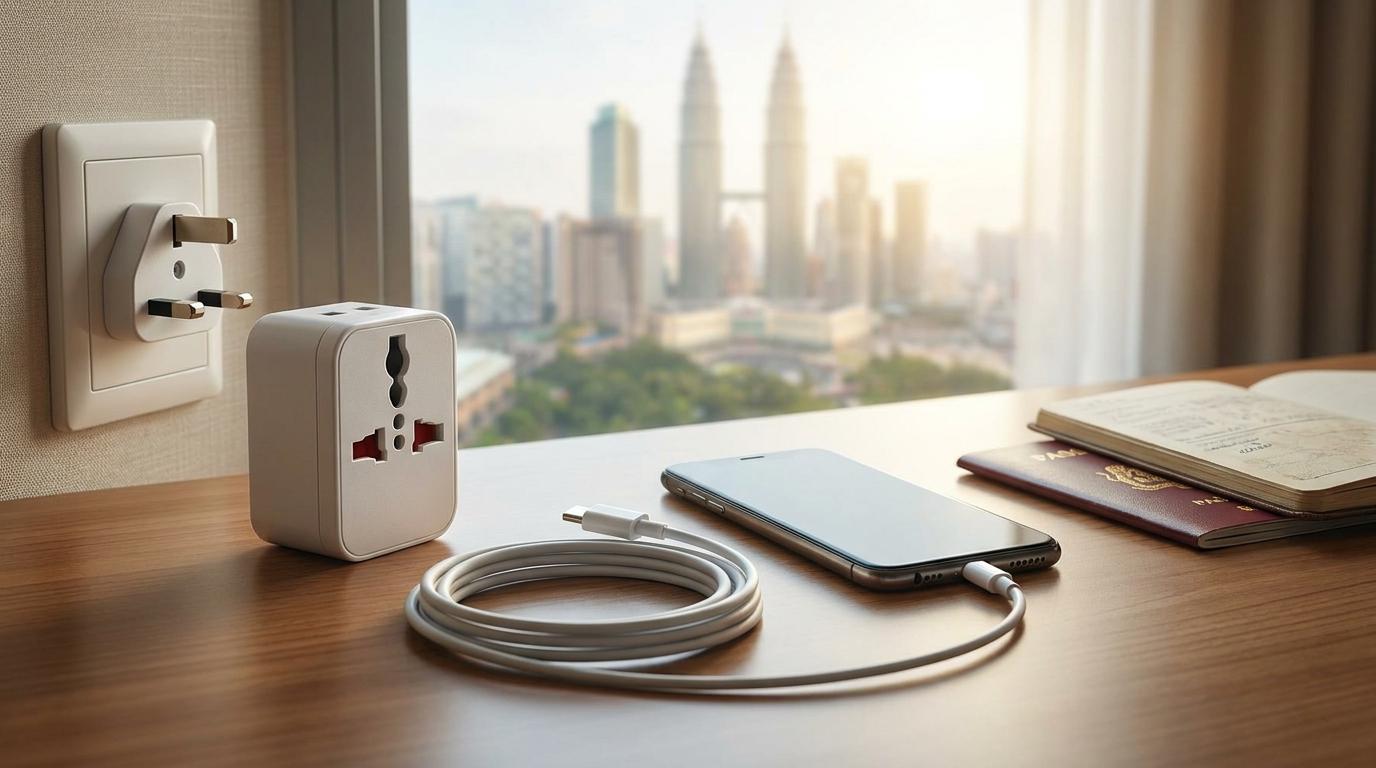
Vietnam Plug Type and Voltage: Do You Need an Adapter?
Vietnam plug type and voltage explained: Find out if you need a travel adapter for Vietnam before you go.
Before you explore Vietnam’s vibrant street food scenes, historic landmarks, and stunning natural landscapes, make sure your devices are ready to stay powered throughout your trip. Understanding Vietnam’s plug type and voltage is just as important as packing your passport. Avoid last-minute charging problems with this quick guide to the adapters and voltage requirements you’ll need for a smooth and hassle-free trip to Vietnam.
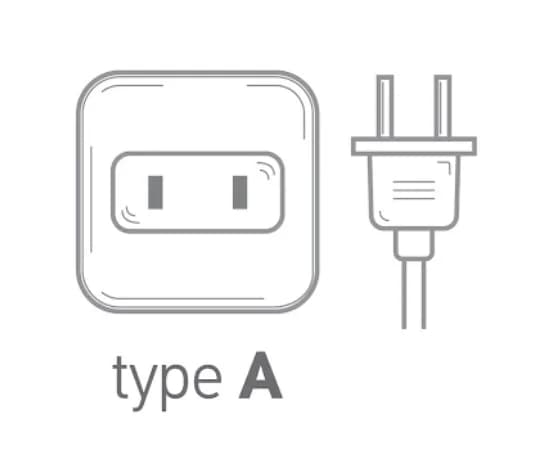
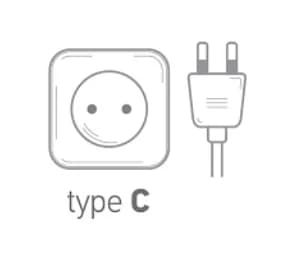
What Plug Type Does Vietnam Use?
Vietnam mainly uses two-round-pin plugs, commonly associated with Type A and Type C-style plugs. Socket designs can vary, so travellers may encounter outlets that accept different two-pin plug configurations.
Quick reference for travellers planning to charge electronics in Vietnam:
| Item | Vietnam |
|---|---|
| Plug type | Mainly Type A and Type C |
| Voltage | 220V |
| Frequency | 50Hz |
| Adapter needed? | Depends on your home-country plug |
| Voltage converter needed? | Depends on your device |
| Common dual-voltage devices | Phones, laptops, tablets and cameras |
What plug type is used in Vietnam?
See and understand Vietnam's plug shape and socket design.
Vietnam mainly uses Type A and Type C plugs, with two-prong sockets commonly found across the country. Type A has two flat pins, while Type C has two round pins.
Travellers from countries using Type G plugs, such as Malaysia, Singapore and the UK, will generally need a travel adapter in Vietnam.
Vietnam uses 220V electricity at 50Hz, so check your device’s voltage rating before plugging it in
What is the voltage in Vietnam?
Find out about Vietnam's voltage and how to check device compatibility.
Vietnam uses a 220V electrical supply at 50Hz. This is the standard voltage and frequency used for electrical appliances across the country.
Whether your device is compatible depends on its voltage rating. Check the small label on your charger or appliance for an “Input” or “Voltage” specification.
How to Check Device Compatibility
Look for one of these markings:
| Device Label | Compatible in Vietnam? | What You Need |
|---|---|---|
| 100–240V, 50/60Hz | ✅ Yes | Plug adapter if needed |
| 220–240V, 50Hz | ✅ Yes | Plug adapter if needed |
| 110–120V only | ❌ No | Voltage converter/transformer required |
| 100V only | ❌ No | Voltage converter/transformer required |
Most modern phones, laptops, tablets and camera chargers are dual-voltage and commonly support 100–240V, so they generally only require a plug adapter when the plug shape is different.
Important: A plug adapter only changes the plug shape. It does not convert voltage. If your appliance is not designed for Vietnam’s 220V supply, do not plug it in without the appropriate voltage converter or transformer.
Do you need a travel adapter for Vietnam?
Clarify if you need an adapter or converter based on where you're coming from and your devices.
It depends on the plug type used in your home country. Vietnam generally uses two-round-pin sockets and a 220V, 50Hz electrical supply.
| Travelling From | Common Plug Type | Adapter for Vietnam? |
|---|---|---|
| 🇲🇾 Malaysia | Type G | ✅ Yes |
| 🇸🇬 Singapore | Type G | ✅ Yes |
| 🇬🇧 UK | Type G | ✅ Yes |
| 🇺🇸 US/Canada | Type A/B | ❌ No |
| 🇯🇵 Japan | Type A/B | ❌ No |
| 🇦🇺 Australia/NZ | Type I | ✅ Yes |
| 🇪🇺 Most of Europe | Type C/E/F | ❌ No |
| 🇨🇳 China | Type A/I | Depends on plug |
Plug adapter vs voltage converter: what's the difference?
Clear up confusion: when you need just an adapter, and when to pack a converter.
A plug adapter changes the shape of your plug so it fits the socket. It does not change the voltage.
A voltage converter, on the other hand, changes the electrical voltage supplied to your device. In Vietnam, which uses 220V, a converter may be needed for appliances designed for 110–120V only.
For example, a US laptop charger labelled “100–240V” generally only needs a plug adapter if the plug doesn't fit. However, a 110V-only curling iron may require both a plug adapter and a suitable voltage converter.
Tip: Always check your device’s Input/Voltage label before use. A plug adapter changes the plug shape—it does not convert voltage.
How to Choose the Right Travel Adapter for Singapore
Pick the best adapter for your trip scenario—solo, group, or digital nomad.
Match Your Travel Style
- Solo or Short Trip: A compact travel adapter that supports Vietnam’s common two-round-pin sockets is a practical choice. Ideal for light packers or short holidays.
- Digital Nomad or Gadget Lover: Choose a multi-port adapter with USB-A and USB-C connections for charging multiple devices. Check the USB-C output if fast charging is important, and make sure the adapter is properly rated for Vietnam’s 220V supply.
- Family/Group: Consider a quality travel power strip or universal adapter with multiple outputs. Check the total wattage rating to ensure it can safely support all your connected devices.
- Multi-Stop Regional Adventure: A universal travel adapter is the most versatile option. Make sure it supports the plug types you’ll encounter in Vietnam and your other destinations, with proper grounding where required.
Before buying, check the adapter’s plug compatibility, voltage rating, wattage capacity and safety certification. Choosing a reliable adapter can help keep your devices powered throughout your Vietnam trip.
Pre-departure checklist and FAQs
Easy-to-read checklist and answers to the most common adapter questions for Singapore.
* Check your plug type — Vietnam commonly uses two-round-pin sockets.
* Check device voltage — Vietnam uses 220V.
* Pack a travel adapter if your plug doesn’t fit Vietnamese sockets.
* Check 100–240V devices — Most phones, laptops and tablets are compatible.
* Pack a voltage converter if you’re bringing a 110–120V-only appliance.
* Bring charging cables for all your devices.
* Pack a power bank for days when you’re sightseeing or travelling between destinations.
* Check high-powered appliances such as hairdryers and curling irons for voltage and wattage compatibility.
* Consider a universal adapter if Vietnam is part of a multi-country trip.
* Cafés: Many cafés offer free Wi-Fi and may provide power outlets for customers.
* Hotels: Most hotels provide power outlets in guest rooms and common areas.
* Shopping malls: Some cafés and public seating areas have accessible power outlets.
Tip: Bring your own charging cable and a power bank for sightseeing days when you may not have access to a socket.
Final takeaway for a stress-free Vietnam trip
Your condensed strategy—for staying charged and problem-free in Vietnam.
Staying powered up in Vietnam is easy with a little preparation. Check your device’s voltage, pack a suitable travel adapter, and bring your chargers, cables and power bank.
Most modern electronics labelled 100–240V are compatible with Vietnam’s 220V supply, so you’ll generally only need an adapter if your plug type differs. For 110–120V-only appliances, check whether you also need a suitable voltage converter.
With the right gear packed before you go, you can explore Vietnam without worrying about running out of battery.

Chayanit P.
2 Sep 2026