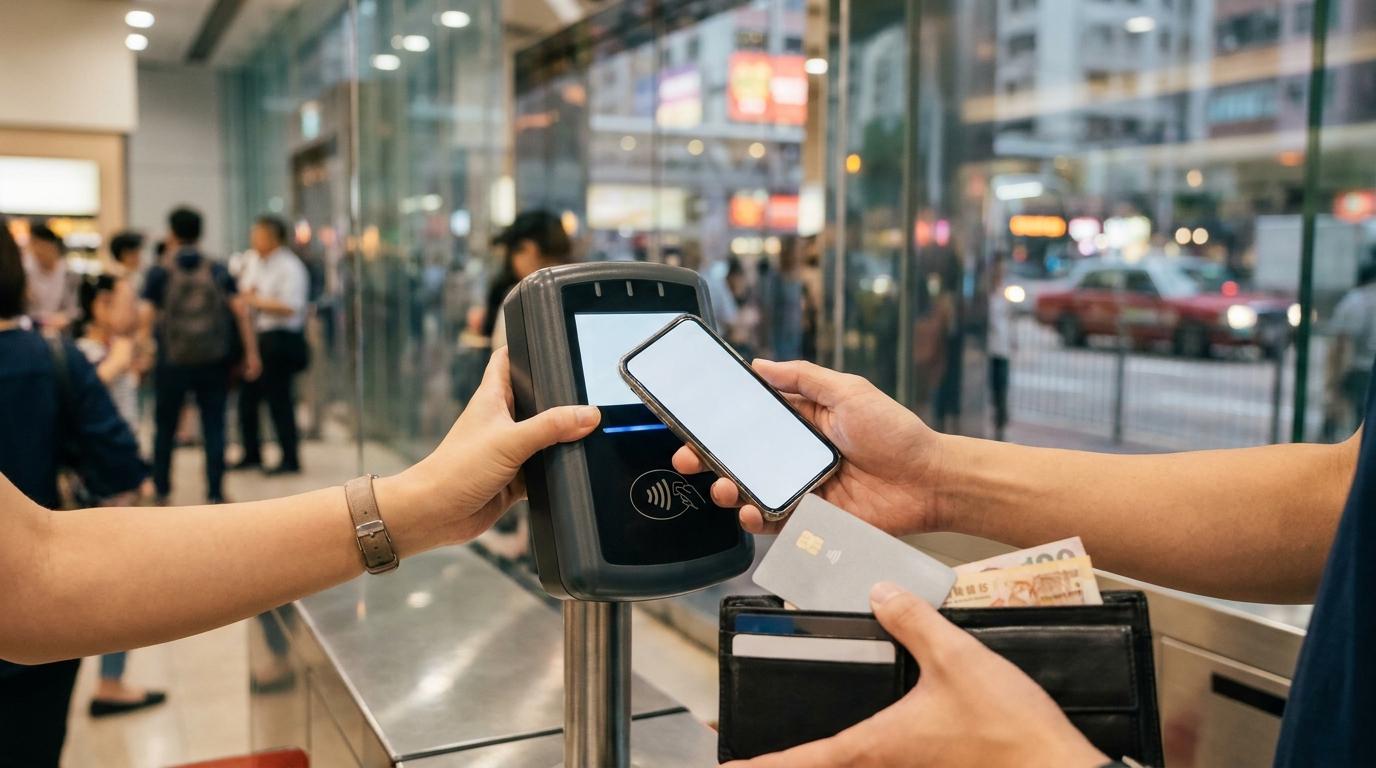
Payment Methods in Hong Kong: Cash, Cards & Octopus

Payment method in Hong Kong is relatively straightforward, as most hotels, shopping malls and major restaurants accept international credit cards and contactless payments. However, cash and Octopus remain useful for everyday spending and public transport. Visitors can use Visa and Mastercard at many businesses, tap contactless cards on the MTR, and use Octopus for convenient payments across the city.
What Payment Methods Are Accepted in Hong Kong?
Hong Kong supports several payment methods, including cash, international bank cards, contactless payments, Octopus and mobile wallets. The most suitable option depends on where you shop, eat and travel.
Here is a quick comparison of the payment methods visitors should know before arriving.
| Payment method | Where you can use it | Tourist accessibility |
|---|---|---|
| Cash (HKD) | Local markets, small shops, restaurants and taxis | Easy |
| Visa and Mastercard | Hotels, shopping malls, restaurants and major retailers | Easy |
| UnionPay | Selected retailers, transport and other merchants | Easy |
| American Express | Selected hotels, restaurants and retailers | Varies |
| Contactless bank cards | MTR and participating retailers | Easy |
| Octopus | Public transport, convenience stores and participating merchants | Easy |
| Apple Pay | Participating shops and transport readers, with a supported card | Easy |
| Google Wallet | Participating contactless merchants, with a supported card | Varies |
| Alipay and WeChat Pay | Participating QR-payment merchants | Account-dependent |
| FPS | Participating merchants and payment providers | Account-dependent |
Payment acceptance depends on the merchant, payment terminal, card issuer and account eligibility. Not every business accepts every payment method.
Octopus card
The Octopus card is one of the most convenient payment options for tourists. It is a rechargeable stored-value card used for public transport and purchases at participating shops, restaurants and convenience stores.
You can use Octopus for:
- MTR journeys and Airport Express.
- Public buses and trams.
- Participating ferry services.
- Convenience stores and supermarkets.
- Selected restaurants and retail outlets.
- Vending machines and other participating merchants.
You can get a physical Tourist Octopus or use a mobile version on a compatible device.
For visitors who plan to use public transport frequently, Octopus offers a convenient way to manage everyday travel expenses without buying individual tickets.
Contactless payments
Contactless payments let you pay by tapping a compatible bank card, smartphone or smartwatch against a payment terminal.
In Hong Kong, contactless payments are particularly convenient at shopping malls, chain restaurants, larger retailers and selected public transport operators.
MTR also accepts contactless Visa, Mastercard and UnionPay bank cards at designated gates, including on Airport Express journeys. This means you can travel on the MTR without purchasing a separate ticket or using an Octopus card.
However, the service does not cover Light Rail or MTR Bus, and UnionPay debit cards are excluded from the stated contactless bank-card service.
Credit and debit cards
Visa and Mastercard are widely accepted at hotels, shopping malls, major restaurants and larger retail stores. UnionPay and American Express are also accepted at participating merchants, although acceptance varies.
If you are travelling from Malaysia, you can generally use an overseas-enabled Visa or Mastercard for purchases in Hong Kong, provided your issuing bank permits international transactions.
Before departure:
- Check that overseas transactions are enabled on your card.
- Confirm your bank's foreign transaction and currency conversion fees.
- Check your daily spending and withdrawal limits.
- Bring a backup card in case your primary card is declined.
Some merchants may have minimum spending requirements or additional card-payment conditions. Check with the business before completing your purchase.
Cash (HKD)
The Hong Kong dollar (HKD) is the official currency of Hong Kong. Although electronic payments are widely available, cash is still useful for smaller purchases, traditional markets and independent businesses.
Hong Kong banknotes are issued in several denominations:
- HK$10
- HK$20
- HK$50
- HK$100
- HK$500
- HK$1,000
Coins are available in HK10,HK5, HK2,HK1, 50 cents, 20 cents and 10 cents.
For everyday spending, smaller denominations such as HK20, HK50 and HK100 are convenient. Some merchants may refuse HK500 and HK1,000 notes, so avoid relying on large bills for small purchases.
You can exchange your home currency for HKD at authorised money changers or withdraw cash from ATMs after arriving.
Mobile wallets and QR payments
Hong Kong has a well-developed digital payment environment. However, visitors should distinguish between mobile wallets that use an overseas bank card and locally issued payment accounts.
1. Apple Pay
Apple Pay works at participating contactless payment terminals when linked to a supported card. You can also use it to pay for MTR journeys with a compatible card at designated contactless readers.
2. Google Wallet
Google Wallet can be used at participating contactless merchants when your card and device are supported. Acceptance depends on the underlying card and payment terminal.
3. Alipay and WeChat Pay
Alipay and WeChat Pay are commonly seen at participating businesses in Hong Kong. However, access depends on the version of the wallet, your account registration country and the supported payment arrangement.
Do not assume that AlipayHK or WeChat Pay HK can be activated simply by downloading the app with an overseas bank card.
If you already use a mainland Chinese or international version of these services, check its cross-border payment eligibility before travelling.
4. Faster Payment System (FPS)
FPS is Hong Kong's real-time payment infrastructure. It allows participating banks and stored-value facilities to facilitate payments and transfers.
For most short-term international visitors, FPS is not a practical standalone payment option because access depends on an eligible participating account or payment provider.
Is Hong Kong a Cash or Cashless Destination?
Hong Kong is both cash-friendly and cashless-friendly. Electronic payments are convenient in major commercial areas, but cash remains useful for smaller businesses and traditional neighbourhoods.
Your choice of payment method will depend on where you spend your time.
| Location or activity | Recommended payment method | Why |
|---|---|---|
| Shopping malls | Credit or debit card | Major retailers commonly accept international cards. |
| Hotels | Credit card | Convenient for accommodation payments and security deposits. |
| MTR and Airport Express | Octopus or contactless bank card | Both offer convenient ways to pay for eligible journeys. |
| Public buses and trams | Octopus or supported electronic payment | Payment options vary by operator. |
| Taxis | Electronic payment or cash | Drivers must offer at least two electronic payment methods from April 2026. |
| Wet markets | Cash, with Octopus as a possible alternative | Acceptance varies between individual stalls. |
| Street food stalls | Cash or Octopus where displayed | Smaller vendors may have limited payment options. |
| Restaurants | Credit card, Octopus or cash | Depends on the restaurant. |
| Convenience stores | Octopus, cash or supported bank cards | Multiple payment options are available at many locations. |
| Outlying islands | Octopus and cash | Useful for transport and smaller local businesses. |
The main takeaway is simple: use cards for larger purchases, Octopus for convenient transport and everyday spending, and cash as a backup.
You do not need to exchange all your travel money into cash before arriving. Instead, keep a reasonable amount of HKD for situations where electronic payments are unavailable.
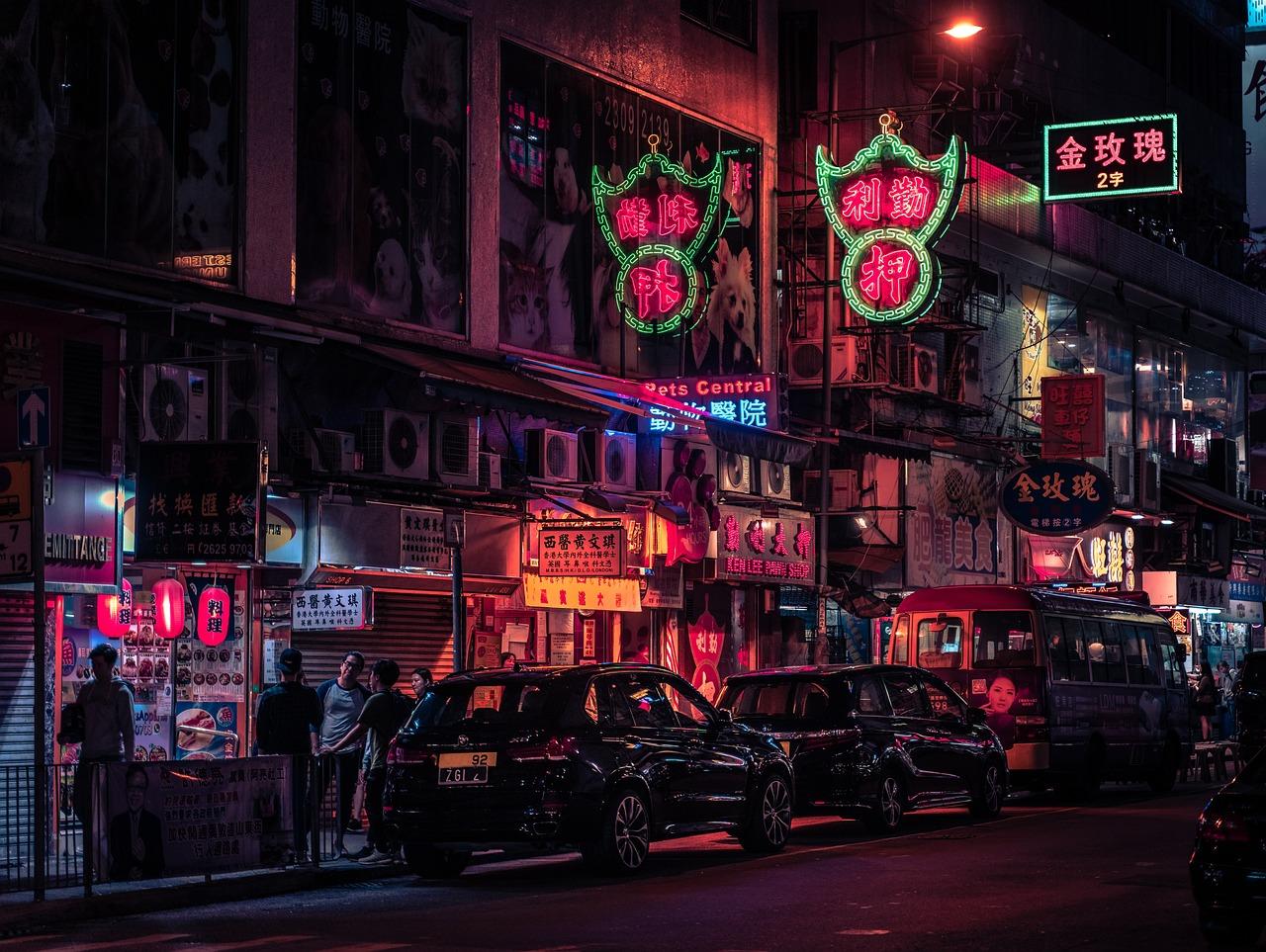
Hong Kong neon street, Philippsaal
How to Use Octopus in Hong Kong as a Tourist
There are two convenient ways to use Octopus as a visitor: a physical Tourist Octopus or a mobile Octopus on a compatible device.
Octopus Card for Tourist
A physical Tourist Octopus is suitable for visitors who prefer a traditional travel card or do not have a compatible smartphone.
You can purchase one at selected airport locations, MTR customer service centres and other authorised outlets.
The Hong Kong Tourism Board lists the physical Tourist Octopus from HK$39, without a deposit. Check the current purchase arrangements and initial stored-value balance before buying.
How to use it:
- Purchase a Tourist Octopus at an authorised sales location.
- Add stored value if required.
- Tap the card on the Octopus reader when using participating transport or making a purchase.
- Check your balance and top up when necessary.
- Apply for a refund of any eligible remaining value before leaving Hong Kong.
Mobile Octopus for iPhone and Apple Watch
If you use an eligible iPhone or Apple Watch, you can set up Octopus digitally through the Octopus App for Tourists.
The mobile version lets you top up and check your balance without carrying a separate physical card.
According to Octopus, visitors can add a new mobile Octopus using eligible non-Hong Kong-issued Visa, Mastercard or UnionPay credit and debit cards through supported payment arrangements.
The published setup requirements include:
- Minimum initial stored value: HK$100.
- Refundable deposit: HK$50.
- Additional issuance fee: None for the described mobile Octopus issuance arrangement.
The app also supports checking transaction records and requesting a refund of the remaining value and deposit.
Before setting it up: Check your device compatibility, card eligibility and the latest app requirements. The payment methods available for adding value can differ by device and account arrangement.
Where can you top up or refund Octopus?
Physical Octopus cards can be topped up at participating MTR stations and other authorised top-up locations.
Mobile Octopus can be topped up through supported payment methods in the Octopus App for Tourists.
For refunds, the process depends on the type of card:
- Physical Octopus: Visit an MTR Customer Service Centre to request a refund of the remaining value, subject to applicable conditions.
- Mobile Octopus: Apply through the Octopus App for Tourists.
- Tourist Octopus sold version: The purchase cost is non-refundable, but eligible remaining stored value can be refunded.
Check the latest refund terms before departure, particularly if you are using a physical card.
Can Tourists Use Alipay, WeChat Pay and FPS in Hong Kong?
Yes, these payment systems are available in Hong Kong, but they are not equally accessible to every international visitor.
Faster Payment System (FPS)
FPS is a real-time payment system operated in Hong Kong that connects participating banks and stored-value facilities.
It supports transfers using identifiers such as mobile numbers, email addresses and FPS IDs, as well as QR-code payments at participating merchants.
However, FPS is primarily useful to people with eligible participating accounts. It is not a payment method most short-term overseas tourists need to arrange separately.
For visitors, Octopus, international cards and cash are more practical options.
WeChat Pay and WeChat Pay HK
WeChat Pay HK is another widely used local QR payment service.
Mainland Chinese Weixin Pay and WeChat Pay HK should not be treated as interchangeable for every transaction. Cross-border access and payment eligibility depend on the account and supported payment arrangements.
If you already have an eligible WeChat payment account, check its international payment capabilities before travelling.
Otherwise, you do not need to open a local payment account just to visit Hong Kong.
Alipay and AlipayHK
Alipay and AlipayHK are QR-code payment services used by many businesses in Hong Kong.
However, they are different account arrangements. Having an overseas Alipay account does not automatically mean you can register for AlipayHK.
Visitors should check whether their existing wallet supports payments in Hong Kong and whether the merchant accepts that particular payment arrangement.
If you are not eligible, using an international bank card, Octopus or cash is more straightforward.
Can You Use International Bank Cards in Hong Kong?
Yes. International bank cards are accepted at many businesses in Hong Kong, particularly hotels, major retailers, restaurants and shopping malls.
Apple Pay and Google Wallet
Apple Pay and Google Wallet make it possible to pay without carrying your physical card, provided your card issuer and device support the service.
You can use them at participating contactless payment terminals, including designated MTR readers where the underlying bank card is supported.
Remember that adding a card to a mobile wallet does not guarantee acceptance everywhere. The merchant must support the relevant contactless payment network.
Visa, Mastercard, UnionPay and American Express
The main international card networks you may encounter include:
| Card network | Tourist payment advice |
|---|---|
| Visa | Widely accepted at major businesses and participating transport gates. |
| Mastercard | Widely accepted at major businesses and participating transport gates. |
| UnionPay | Accepted at participating merchants and supported MTR contactless gates. |
| American Express | Accepted at selected hotels, restaurants and retailers; acceptance varies. |
For Malaysian travellers, an overseas-enabled Visa or Mastercard is a practical primary payment option.
However, not every merchant accepts every card network. Keep an alternative payment method available, particularly when visiting smaller local businesses.
How to Pay for Public Transport and Taxis in Hong Kong
Hong Kong has several public transport options, including the MTR, buses, trams, ferries and taxis. Payment methods vary between operators.
Buses, trams and ferries
Payment options differ depending on the operator.
- Buses: Octopus is accepted across Hong Kong buses. Some major operators also support contactless bank cards and other electronic payments.
- Trams: Octopus and electronic payments are accepted. Cash passengers should prepare the exact fare.
- Ferries: Octopus is accepted on participating services, but check the individual operator's payment arrangements.
For journeys involving different transport operators, Octopus is a convenient option because it is widely accepted.
MTR and Airport Express
The MTR accepts Octopus, single-journey tickets and eligible contactless bank cards.
Passengers can tap supported Visa, Mastercard and UnionPay contactless cards at designated readers, including for Airport Express journeys.
This is useful if you do not want to purchase a separate Octopus card.
However, Octopus remains convenient for visitors who also plan to use buses, trams and other participating transport services.
Taxis
Taking a taxi in Hong Kong is now more convenient for visitors who prefer electronic payments.
Since 1 April 2026, all taxi drivers have been required to provide at least two electronic payment methods:
- One QR-code payment option, such as Alipay, WeChat Pay or BoC Pay.
- One non-QR payment option, such as Octopus, credit cards or FPS.
Drivers must display stickers showing the payment methods available in their taxis. Passengers can check these before boarding or ask the driver.
Cash remains accepted, so you can still pay with HKD if you prefer.
One important point: the regulation does not require every taxi to accept every card or wallet. The driver selects the electronic payment methods available.
ATMs, Currency Exchange and Payment Fees in Hong Kong
Even if you plan to use cards and mobile payments for most purchases, having access to HKD is useful.
Exchanging money in Hong Kong
You can exchange foreign currency at authorised money changers, including providers at the airport and in commercial districts.
Exchange rates and fees differ between providers, so compare the final amount of HKD you will receive rather than looking only at the advertised exchange rate.
For additional security, use a licensed money service operator. Hong Kong's Customs and Excise Department maintains an official register of licensed providers.
Withdrawing HKD from ATMs
ATMs are available throughout Hong Kong, including at major transport hubs, shopping areas and bank branches.
You can generally use an eligible overseas bank card to withdraw HKD, subject to the card network and ATM operator.
Before withdrawing, check:
- Whether your home bank charges an overseas ATM withdrawal fee.
- Whether the ATM operator charges an additional fee.
- Your daily cash withdrawal limit.
- The exchange rate offered by the ATM.
If the ATM offers to convert your withdrawal into your home currency, choose HKD instead. This helps avoid the ATM's potentially unfavourable conversion rate.
How to avoid unnecessary payment fees
A few precautions can help you avoid unnecessary costs:
- Choose HKD rather than your home currency when paying by card or withdrawing cash if offered a DCC conversion.
- Compare your bank's foreign transaction fees before travelling.
- Avoid making frequent small ATM withdrawals if your bank charges a fixed overseas withdrawal fee.
- Check the final exchange amount before changing money.
- Keep a backup payment method in case your card is declined.
Which Payment Method Should You Use in Hong Kong?
The best payment method depends on your activity and where you are spending money.
| Situation | Recommended payment method | Alternative |
|---|---|---|
| Airport Express and MTR | Octopus or contactless bank card | Single-journey ticket |
| Public buses | Octopus | Supported contactless card or cash, depending on operator |
| Trams | Octopus | Cash or supported electronic payment |
| Taxis | Available electronic payment option | Cash |
| Hotels | Credit card | Debit card, subject to hotel policy |
| Shopping malls | Visa or Mastercard | Apple Pay, Google Wallet or cash |
| Local restaurants | Card or Octopus | Cash |
| Wet markets | Cash | Octopus, where accepted |
| Convenience stores | Octopus or bank card | Cash |
| Outlying islands | Octopus and cash | Other payment methods accepted by individual merchants |
A practical payment setup for your first day
You do not need to prepare several local payment apps before arriving.
A simple approach is:
- Before departure: Check your bank card's overseas transaction settings and fees.
- At the airport: Obtain a physical Tourist Octopus or set up mobile Octopus if your device is compatible.
- For transport: Use Octopus or an eligible contactless bank card on the MTR.
- For accommodation: Keep a physical credit or debit card available for check-in and any required security deposit.
- For everyday spending: Use your bank card for larger purchases and Octopus for participating merchants.
- For backup: Keep some smaller HKD notes for local shops and other situations where electronic payments are inconvenient.
This combination gives you flexibility without needing to rely on one payment method throughout your trip.
Tips for Paying Safely in Hong Kong
A few simple habits can help you manage your travel money and avoid unnecessary charges.
- Choose local currency: Select HKD instead of MYR or another home currency when a payment terminal offers DCC.
- Protect your bank cards: Keep your cards and cash in separate places.
- Check payment details: Verify the merchant name and amount before approving QR-code payments.
- Use official payment apps: Download wallet applications from official app stores.
- Check your bank's fees: Review overseas transaction and ATM charges before travelling.
- Keep a backup: Carry a second payment option in case your primary card or device stops working.
- Monitor your transactions: Check your banking app regularly and contact your bank immediately if you notice suspicious activity.
For a smoother trip, plan your flights and accommodation in advance. You can compare Hong Kong travel options on AirAsia MOVE and keep your payment arrangements ready before departure.
Plan Your Hong Kong Trip with AirAsia MOVE
The best travel experience in Hong Kong blends convenience and flexibility. Rely on an overseas-enabled Visa/Mastercard, pick up a Tourist Octopus (or set up the mobile version), and keep a reasonable HKD cash reserve for less-connected places. Before traveling, confirm your card is activated and compatible with both contactless and international transactions.
Additionally, check the official Octopus and transport provider websites for updates. Bring a backup payment option to avoid hassle. The right mix of payment methods in Hong Kong ensures you can focus on discovering the city—not on payment worries. For seamless journeys, find and book Hong Kong options with AirAsia MOVE.